
When it comes to launching a new venture, understanding the various business funding options is crucial for aspiring entrepreneurs eager to turn their ideas into a thriving reality. In today’s ever-evolving landscape of business financing trends, options such as small business loans, equity crowdfunding, and innovative revenue-based financing are reshaping the way startups can access capital. Entrepreneurs are now presented with an array of tools that not only provide necessary funds but also foster valuable connections with investors who share their vision. Crowdfunding platforms have surged in popularity, allowing individuals to pitch their ideas directly to the public while gaining community support. This article delves into the essential funding avenues available to modern entrepreneurs, offering insights into how they can strategically leverage these resources to fuel their startup finance needs for success.
Navigating the financial landscape for new businesses can seem daunting, yet there are numerous alternative funding avenues available to help entrepreneurs get started. From traditional loans specifically designed for small enterprises to the rising trend of community-driven funding through platforms like Kickstarter and Indiegogo, options abound. Additionally, government grants and subsidies provide non-repayable financial support targeted at innovative startups and underrepresented businesses. The emergence of equity crowdfunding introduces a new dimension where entrepreneurs can attract a diverse group of investors to support their visions. This exploration of various financing solutions aims to empower business owners with the knowledge needed to make informed decisions on their funding journeys.
Exploring Business Funding Options for Entrepreneurs
For entrepreneurs entering the competitive market in 2025, understanding the landscape of business funding options is crucial. From traditional loans to innovative equity crowdfunding, there are numerous avenues available that cater to different business models and financial needs. Business funding options include grants provided by governments, angel investors, venture capitalists, and online lending platforms, each with unique advantages and prerequisites. By examining these funding opportunities, startups can enhance their possibilities of securing the capital necessary to flourish.
In today’s ever-evolving funding environment, entrepreneurs must remain proactive in exploring these options. This involves not only understanding the basic types of funding but also staying up-to-date with the latest trends that impact accessibility and terms. With the increase in focus on sustainability and social impact, many new funding opportunities are emerging that resonate with the modern entrepreneur’s vision. Keeping an eye on these developments allows startups to leverage creative financing solutions that align with their goals and cater to their growth needs.
Current Business Financing Trends
As we move further into 2025, distinctive business financing trends have begun to emerge, shaping how startups approach funding. Among the most significant trends is the surge in equity crowdfunding, which offers entrepreneurs a chance to build community around their products while raising capital. Unlike traditional fundraising methods, equity crowdfunding democratizes the investment process, allowing the general public to invest small amounts and receive equity stakes in return. This trend reflects a broader societal shift towards inclusivity and engagement in financial ecosystems.
In addition to equity crowdfunding, other trends such as revenue-based financing and online lending have gained traction among startups. These options enable businesses to access capital while retaining greater control over their equity and future revenue streams. Small business loans are also evolving, with online platforms simplifying the application process and increasing the speed of funding. By understanding and adopting these financing trends, entrepreneurs can strategically position themselves to attract investors and meet their financial needs even in competitive markets.
The Rise of Equity Crowdfunding
Equity crowdfunding has revolutionized the way new businesses secure capital by allowing entrepreneurs to sell shares of their startup to a wide pool of individual investors. This method not only raises funds but also provides businesses with a community of supporters who are emotionally invested in their success. Platforms like Seedrs and Crowdcube have proven instrumental in this shift, tapping into the power of social networks and online communities to build trust and credibility around new ventures.
Statistical data highlights the effectiveness of equity crowdfunding, showing that campaigns often achieve funding goals more rapidly compared to traditional methods. Entrepreneurs leveraging this approach benefit from increased visibility and market testing opportunities, as backers are often early adopters and can provide valuable feedback for product development. Equity crowdfunding represents a promising option for startups looking to not only secure financial backing but also validate their business concepts in the eyes of potential customers.
Innovative Government Grants and Subsidies
Government grants and subsidies represent one of the most advantageous funding options for startups, particularly those in underserved markets or niches such as technology and sustainability. These funding opportunities typically come with fewer strings attached compared to traditional loans, making them an attractive option for entrepreneurs seeking to minimize risk. Initiatives such as the U.S. Small Business Administration’s programs for minority entrepreneurs reflect growing governmental support aimed at fostering economic diversity and innovation.
In addition to local grants, international funding initiatives like Horizon Europe are designed to support innovative startups operating on a global scale. By actively seeking out relevant grants, entrepreneurs can access significant capital without the burdens of repayment, often allowing them to focus on growth and development rather than financial constraints. Understanding how to navigate the application processes and align business objectives with grant requirements can significantly increase a startup’s chances of receiving vital funding.
Venture Capital as a Growing Resource
In recent years, venture capital has become increasingly essential for startups, particularly those aiming for rapid growth and market penetration. As investor interest grows toward socially responsible and impact-oriented businesses, many venture capital firms are redefining their investment criteria to include ESG (Environmental, Social, and Governance) factors alongside traditional financial returns. This trend opens doors for startups focused on sustainability and community development, attracting a new wave of investors eager to make a positive difference.
The emergence of Micro-VC funds is noteworthy as they provide crucial support to early-stage companies that may not meet the thresholds set by larger venture capital firms. These smaller funds are often more flexible and willing to back innovative ideas from diverse founders. Entrepreneurs should actively seek out these resources, as they can provide not only the capital needed but also invaluable guidance and mentorship, increasing the likelihood of long-term success in an ever-competitive marketplace.
Engaging with Angel Investors
Angel investors have long been a cornerstone of startup funding, offering crucial early-stage capital and mentorship. These individuals often bring not only financial support but also industry knowledge and networks that can propel a business to the next level. As the landscape of angel investing progresses, more informal investment networks are forming, allowing investors to pool their resources and broaden their reach to fund diverse business ideas.
Platforms like AngelList have transformed how startups connect with potential investors, removing traditional barriers and democratizing the fundraising process. This shift encourages more diverse investor participation, opening opportunities for entrepreneurs from various backgrounds to secure the funding essential for their ventures. Establishing relationships with angel investors can lead to fruitful partnerships that go beyond capital, providing entrepreneurs with the support systems necessary to navigate early-stage challenges.
Understanding Revenue-Based Financing
Revenue-based financing is emerging as a particularly relevant funding option for startups with predictable revenue streams. This model allows businesses to secure upfront capital in exchange for a percentage of future revenues, avoiding the typical equity dilution associated with traditional funding methods. By focusing on cash flow rather than valuations, entrepreneurs can maintain greater control over their businesses while still accessing critical resources for growth.
Companies offering revenue-based financing solutions, such as Clearco and Lighter Capital, have gained traction by providing funding quickly and efficiently to startups. This approach appeals to many new entrepreneurs as it allows for scalability without the immediate pressures of repayment that come with traditional loans. As startups continue to seek flexible funding options tailored to their needs, revenue-based financing represents an innovative solution that accommodates both cash flow management and growth ambitions.
Navigating Online Lending Platforms
Fintech has revolutionized the lending landscape, making it easier than ever for startups to obtain loans through online platforms. Services such as Kiva and Funding Circle have streamlined the borrowing process, providing faster and more accessible financing solutions compared to traditional banks. These platforms cater specifically to small businesses, focusing on bridging the gap for startups that may struggle to secure loans through conventional means.
Research indicates that businesses utilizing online lenders typically benefit from quicker funding times and improved transparency regarding terms and fees. This efficiency is particularly critical for startups facing immediate cash flow challenges or those looking to capitalize on new opportunities. Understanding how to effectively leverage online lending can empower entrepreneurs to make informed decisions and access resources necessary for ongoing success.
Conclusion: Strategies for Startup Funding Success
As entrepreneurs navigate the complexities of securing funding in 2025, understanding the diverse landscape of available options is more critical than ever. From traditional small business loans to innovative online lending platforms, each financing avenue presents unique benefits and challenges. By staying informed about emerging business financing trends and aligning their strategies with appropriate funding options, entrepreneurs can effectively position themselves for success.
Moreover, leveraging state and government grants, engaging with angel investors, and exploring crowdfunding opportunities can significantly enhance a startup’s potential to thrive. The key to sustainable startup growth lies in a well-rounded funding strategy that not only provides immediate capital but also builds long-term relationships and support systems. As entrepreneurs continue their journeys, utilizing a combination of these funding sources will be instrumental in achieving their business goals.
Frequently Asked Questions
What are the most popular business funding options available for entrepreneurs in 2025?
In 2025, entrepreneurs can explore various business funding options including crowdfunding, government grants, venture capital, angel investors, revenue-based financing, and online lending platforms. Crowdfunding allows startups to secure capital directly from the public, while government grants can provide non-repayable funds for eligible ventures. Venture capital is increasingly interested in sustainable businesses, and angel investors offer personalized support. Revenue-based financing provides flexibility by allowing repayments based on future revenue, and online lending platforms offer streamlined processes for acquiring small business loans.
| Funding Option | Description | Key Benefits |
|---|---|---|
| Crowdfunding Platforms | Crowdfunding platforms allow startups to raise funds from a large number of people, typically through online campaigns. | Community building, validation of ideas, equity stakes for investors. |
| Government Grants and Subsidies | Government programs provide financial assistance without repayment requirements, targeting specific sectors or demographics. | Reduced financial risk, support for tech and sustainable businesses, no repayment. |
| Venture Capital Trends | Venture capital is evolving, with emphasis on impact investing and support for early-stage startups through Micro-VCs. | Access to larger funding pools, support for sustainable ventures, and potential for high returns. |
| Angel Investors and Investment Networks | Angel investors provide funding in exchange for equity stake, often facilitated by investment networks for greater reach. | Access to individual investors, pooling resources for startups, and opportunities for diverse investment participation. |
| Revenue-Based Financing | Businesses receive funding in exchange for a percentage of future revenues, suited for startups with predictable income. | Flexible repayment based on revenue, no equity dilution, quick access to capital. |
| Online Lending Platforms | Fintech platforms offer loans with reduced requirements compared to traditional banks, focusing on fast funding solutions. | Quick access to funds, enhanced transparency, tailored financing solutions for small businesses. |
Summary
Business funding options are abundant and varied, providing aspiring entrepreneurs with multiple avenues to secure the necessary capital for their startups. In 2025, entrepreneurs can leverage innovative models like crowdfunding and revenue-based financing as well as traditional routes like government grants and venture capital. Each funding option presents unique benefits and fits different business needs, ensuring that startups can find suitable solutions to boost their growth. Understanding these business funding options and exploring the evolving landscape can significantly enhance the prospects of success in launching and scaling a new venture.
Funding for entrepreneurs has evolved significantly over the past decade, with a range of options now available to help new businesses get off the ground. Traditional methods like bank loans and personal savings are still popular, but many entrepreneurs are now turning to alternative funding sources such as angel investors, venture capitalists, and crowdfunding platforms. These avenues not only provide the necessary financial resources but also often come with valuable mentorship and industry connections, making them appealing choices for budding entrepreneurs.
Business financing trends are constantly changing, influenced by economic conditions, technological advancements, and consumer behavior. Recently, there has been a noticeable shift towards digital banking solutions and online lenders, which offer faster access to funds and more streamlined application processes. Additionally, the rise of alternative financing options like peer-to-peer lending and revenue-based financing has democratized access to capital, allowing a wider range of businesses to secure the funding they need to grow and innovate.
Startup finance can be particularly challenging, as new businesses often lack the track record required by traditional lenders. Entrepreneurs are increasingly relying on venture capital and angel investing to gain initial funding. Furthermore, the trend of bootstrapping—where entrepreneurs fund their business through personal savings, revenue generated, or minimal outside investment—has gained traction, resulting in greater ownership and control for founders. However, as startups navigate their financing options, they must carefully consider the implications of each choice on their long-term business strategy.
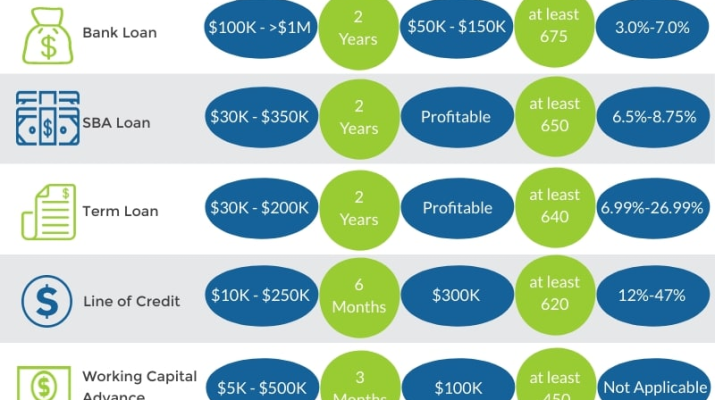
Small business loans remain a critical source of funding for many entrepreneurs, providing the capital needed to start, operate, or expand a business. With various types of loans available—such as SBA loans, microloans, and traditional bank loans—small business owners can find options tailored to their specific needs. However, securing these loans can be competitive and challenging, often requiring a solid business plan and good credit history. As lenders adapt to changing economic landscapes, new programs and incentives have emerged to support small businesses and encourage innovation.
Equity crowdfunding has revolutionized the way startups and small businesses can raise capital, allowing them to solicit funds from a broader audience of investors. This model empowers everyday investors to become stakeholders in new ventures, democratizing access to investment opportunities that were previously reserved for accredited individuals. Platforms facilitating equity crowdfunding have flourished, providing entrepreneurs with a viable alternative to traditional financing methods while enabling them to build a community of supporters invested in their success.
