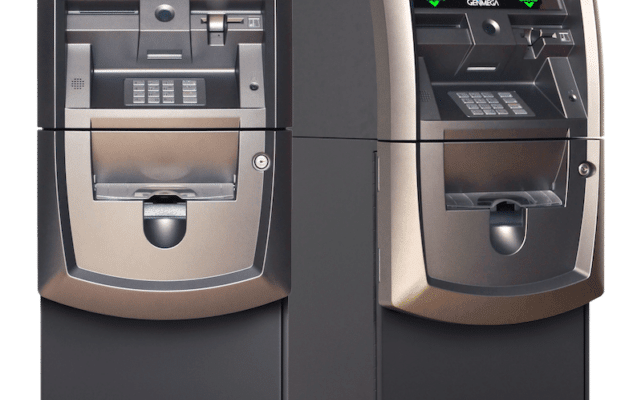
Buying ATM machines offers an exciting opportunity for businesses looking to bolster their financial landscape and provide added convenience for customers. With the potential for increased revenue generated through transaction fees, the pros of buying ATM machines are appealing to many business owners. However, it’s essential to balance these advantages against the cons of buying ATM machines, including the upfront costs and ongoing maintenance requirements. Additionally, while the investment may enhance customer satisfaction and accessibility, business ATM benefits must also be weighed alongside potential ATM security risks that can arise. In this post, we’ll delve into the critical aspects involved in purchasing ATMs, ensuring you can make an informed choice that aligns with your business objectives.
Exploring the realm of automated teller machines can lead to substantial financial growth for many enterprises. The decision to invest in cash accessibility units, commonly known as ATMs, can significantly influence operations, market reach, and customer engagement. Understanding the various attributes—ranging from the financial returns to the potential risks associated with ATM machine ownership—is crucial for business managers. This discussion will captivate those interested in enhancing their commercial offerings by integrating convenient cash solutions into their existing operations. Join us as we investigate the multifaceted pros and cons of deploying such vital cash-dispensing technologies in your establishment.
Pros of Buying ATM Machines for Business
Investing in ATM machines presents numerous advantages for businesses, particularly in the realm of profitability. One of the most notable benefits is the potential for increased revenue generation through transaction fees. Businesses positioned in high-traffic areas can see an annual income ranging from $2,000 to $5,000, making ATMs a viable investment option. Furthermore, owing to the convenience of having instant cash access, customers are likely to frequent your establishment more often, leading to a noticeable uptick in sales and overall profitability.
In addition to financial gains, owning an ATM enhances customer satisfaction and convenience. Customers appreciate the ability to withdraw cash without seeking banking facilities elsewhere, thus fostering brand loyalty. As consumers are likely to spend more when able to conveniently access cash, this translates into improved sales figures for businesses. Moreover, having an ATM on-site contributes to a customer-focused image, reinforcing your commitment to providing excellent service. This aspect can differentiate your business from competitors who do not offer such convenience.
Cons of Buying ATM Machines: Weighing the Risks
While the advantages of owning an ATM are attractive, prospective buyers must also consider several disadvantages. One of the primary concerns is the significant upfront investment required, which typically ranges from $2,000 to $8,000. For small businesses operating on tight margins, this initial cost can be prohibitive. Beyond the purchase price, businesses must also consider installation and setup costs, adding to the financial burden that may deter them from proceeding with the investment.
In addition to the initial investment, there are ongoing operational costs to consider. Maintenance, software updates, and cash replenishment can quickly add up, potentially eating into the profits generated from ATM transactions. Business owners must develop a robust financial plan to manage these ongoing expenses effectively. Failure to do so may result in the profit from the ATM failing to justify the costs incurred, highlighting the importance of thorough planning and market analysis.
Understanding ATM Security Risks and Responsibilities
One of the significant challenges associated with owning an ATM is the heightened security risks it poses. ATMs are often targeted by criminals for theft and vandalism, requiring businesses to implement protective measures effectively. This could involve investing in security equipment such as cameras and alarms, ensuring that the area surrounding the ATM is well-lit and monitored. Furthermore, businesses need to assess their ability to safeguard their investment against potential losses caused by criminal activity.
Additionally, the risk of fraud is another aspect that ATM owners must consider. Maintaining compliance with security regulations and employing various safeguards to protect customer data is essential. Preparing for these security challenges involves developing a proactive strategy that considers potential threats and the necessary responses to mitigate them, including insurance that can provide coverage against losses incurred through theft or vandalism.
Evaluating the Benefits of Business ATM Investment
Investing in an ATM machine can present immense benefits for businesses, particularly concerning accessibility and convenience for customers. A strategically placed ATM enhances the customer experience by providing easy access to cash. This convenience often translates to increased foot traffic, encouraging more customers to visit and shop at the business. Additionally, the presence of an ATM can improve the perception of the business as being customer-centric, leading to enhanced brand loyalty.
Moreover, the financial benefits extend beyond convenience. The added revenue generated from transaction fees can significantly enhance the overall profitability of the business. Many owners report favorable returns on investment, making the financial advantages noteworthy against the backdrop of initial costs. Therefore, understanding local customer preferences and cash withdrawal behaviors is crucial for determining the ATM’s operational success and overall impact on business performance.
Frequently Asked Questions
What are the key pros of buying ATM machines for my business?
Buying ATM machines can significantly boost your business’s revenue by generating transaction fees, provide customer convenience by offering cash on-site, and help reduce banking fees associated with cash withdrawals. Additionally, ATMs operate 24/7, enhancing customer satisfaction by allowing cash access at any time.
What are the major cons of buying ATM machines that I should consider?
The cons of buying ATM machines include substantial upfront costs, ongoing maintenance and operational expenses, security risks from theft or vandalism, and the need to comply with regulatory requirements. These factors can impact the overall profitability of the investment and should be carefully evaluated.
How does owning an ATM machine contribute to business ATM benefits?
Owning an ATM machine can yield various business ATM benefits such as increased foot traffic, higher sales from impulse purchases, and the ability to offer added services like cash deposits. Additionally, it establishes your location as a convenient place for cash withdrawals, which can enhance customer loyalty.
What security risks should I be aware of before buying ATM machines?
When buying ATM machines, it’s important to consider security risks such as theft, vandalism, and potential fraud. Business owners must invest in security measures such as surveillance and proper location placement, and ensure they have insurance coverage to mitigate potential financial losses.
| Key Points | Pros | Cons | |
|---|---|---|---|
| Increased Revenue | Potential for revenue generation between $2,000 to $5,000 annually based on transaction fees. | Upfront Costs | Initial investment ranges from $2,000 to $8,000 or more, which may be daunting for small businesses. |
| Customer Convenience | On-site ATMs enhance customer experience by providing easy access to cash, leading to increased sales. | Maintenance and Operational Costs | Ongoing costs include cash replenishment, maintenance, software updates, and must be factored into profitability. |
| Reduced Banking Fees | Owning an ATM can reduce or eliminate transaction fees imposed by banks, improving profit margins. | Security Risks | ATMs are targets for theft and require investment in security measures and insurance coverage. |
| 24/7 Availability | An ATM operates around the clock, providing customers access to cash outside business hours, which improves customer satisfaction. | Regulatory Compliance | Compliance with complex regulations and standards is necessary and can require ongoing oversight and training. |
Summary
Buying ATM machines can be a valuable investment opportunity for businesses looking to enhance customer satisfaction and increase revenue. With the potential for significant financial returns and improved convenience for customers, investing in ATM machines offers a strategic advantage in today’s cash-driven economy. However, potential buyers must thoroughly evaluate the associated costs, including initial acquisition expenses, maintenance demands, security considerations, and regulatory requirements. A well-rounded analysis of these factors will aid business owners in deciding whether purchasing an ATM aligns with their overall strategic objectives. Ultimately, making an informed decision about buying ATM machines can lead to enhanced financial performance and greater customer loyalty.
Buying ATM machines has several advantages that can make it an attractive investment for businesses and individuals alike. One of the major pros is the potential for passive income, as ATM owners collect a fee for each transaction processed, which can create a steady revenue stream. Additionally, owning an ATM can enhance customer convenience, drawing more foot traffic to a business. Moreover, having an ATM on-site can improve customer loyalty, as patrons appreciate the accessibility of cash without having to travel to a bank. Furthermore, with the rise of cashless transactions, some consumers still prefer using ATMs, ensuring that there is a consistent demand.
Despite the benefits, purchasing ATM machines also comes with its drawbacks that potential buyers should consider. One significant con is the initial investment and ongoing maintenance costs. ATM machines can be expensive to purchase and install, and they require regular maintenance, including cash replenishment and technical repairs. Additionally, the operating expenses, such as transaction processing fees and insurance, can add up quickly, potentially reducing profitability. There may also be regulatory hurdles and compliance requirements that vary by location, which can create additional complexities for ATM owners.
Investing in ATM machines can be an enticing opportunity for those looking for a business venture in the financial sector. As cash transactions continue to remain a staple for many consumers, owning ATMs can yield consistent returns, especially in high-traffic areas. Many investors view ATM ownership as a relatively low-risk option compared to other types of establishments or startups, given the basic need for cash in daily transactions. Potential investors should conduct thorough research on location, market demand, and average transaction fees to maximize the returns on their investment.
Setting up an ATM can provide numerous benefits for businesses. Not only does it create an additional revenue stream, but it can also enhance the overall customer experience. For retail establishments, having an ATM can attract customers who may not have otherwise entered the store, leading to increased sales of other products. Furthermore, businesses can retain transaction fees while providing a valuable service to their clientele. In locations where cash is still widely used, such as small towns or tourist areas, the presence of an ATM can be especially advantageous.
While owning ATM machines presents opportunities, it also introduces certain security risks. The threat of theft, both from physical attacks on the machines and skimming devices, is a significant concern. ATM owners must invest in robust security measures, including surveillance systems and advanced locking mechanisms, to deter criminals. Additionally, there is the risk of cyberattacks, which can compromise sensitive financial data. To mitigate these risks, ATM owners should stay informed about security trends and implement best practices to safeguard their machines and customer information.