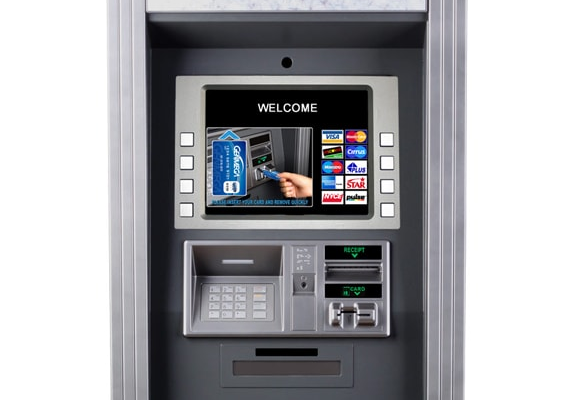
ATM machines have transformed the landscape of banking convenience, becoming essential tools for users seeking efficient access to financial services. In today’s fast-paced world, these automated teller machines not only dispense cash but also offer a myriad of services that cater to diverse banking needs, embodying the very essence of modern banking technology. With the integration of contactless ATMs, users can quickly perform transactions using mobile devices, enhancing their experience while prioritizing health and safety. As banks deploy more of these machines globally, the importance of ATM technology continues to evolve, bringing banking directly to consumers wherever they are. This shift not only improves access to cash but also enhances overall financial inclusivity, making it crucial to understand the impact of ATM machines in the personal finance landscape.
Automated Teller Machines, often referred to as cash dispensers or banking kiosks, have revolutionized how individuals engage with financial institutions. By facilitating a variety of banking functions without requiring in-person visits to bank branches, these devices exemplify the convenience that modern consumers demand. With advancements in features like contactless banking and the global deployment of ATMs, they provide a seamless experience tailored to the needs of users. Moreover, as the integration of digital banking services within these machines progresses, they continue to stand at the forefront of financial innovation. Understanding the role of these highly convenient banking solutions sheds light on their significance in enhancing financial accessibility across all demographics.
The Evolution of ATM Technology
The evolution of ATM technology marks a profound shift in how financial services are delivered to consumers. From their inception as basic cash dispensers, ATMs have transformed into sophisticated machines that facilitate a plethora of banking operations. Today’s ATMs are equipped with state-of-the-art features such as touchscreens and advanced software, allowing users to navigate services seamlessly. With the incorporation of artificial intelligence and biometric security, these machines not only ensure improved accessibility but also enhance security, addressing challenges in traditional banking methods.
Furthermore, the advancements in ATM technology have also led to global deployment strategies, ensuring that even densely populated urban areas and remote rural communities have access to essential banking services. This technology-driven evolution indicates a growing recognition within financial institutions of the need for a consumer-centric banking solution that merges convenience with high-tech security.
Contactless ATM Features: A Game Changer in Banking
The introduction of contactless ATMs is transforming the user experience in banking by enabling quicker transactions with minimal physical interaction. This technology utilizes Near Field Communication (NFC) to allow users to withdraw cash and manage banking services simply by tapping their contactless cards or smartphones against the ATM’s reader. The benefits of contactless ATM features extend beyond convenience; they also align with consumer safety concerns that emerged during the global pandemic, facilitating a hygienic banking option.
Additionally, the rise of contactless ATMs highlights the banking industry’s adaptability to consumer preferences. With a segment of the modern population valuing speed and efficiency, ATMs equipped with this technology not only reduce transaction times but also contribute to overall improvement in customer satisfaction. As society becomes increasingly reliant on contactless payments, the use of such ATMs will likely continue to gain traction among users seeking banking convenience.
Global ATM Deployment and Financial Inclusion
Global ATM deployment plays a critical role in promoting financial inclusion, particularly in developing nations where banking infrastructure may be lacking. Organizations and financial institutions are actively working to place ATMs in remote areas, providing access to essential banking services for populations that have traditionally been excluded from the financial system. This strategic initiative not only enables residents to conduct withdrawals but also facilitates other essential transactions, thereby empowering communities through improved financial engagement.
Moreover, the expansion of ATMs into underserved regions signifies a commitment to equitable access to financial services. As numerous reports have indicated, such deployments contribute significantly to local economies by encouraging individuals to save, invest, and participate in economic activities. Hence, as ATM technologies continue to evolve, their role in enhancing global banking accessibility cannot be understated, helping bridge the gap between the financially included and excluded populations.
Security Innovations in ATM Usage
With the increasing sophistication of cyber threats, security innovations in ATM usage have become paramount for banks aiming to safeguard their users’ financial data. Modern ATMs are now equipped with biometric authentication systems that utilize features like facial recognition and fingerprint scans, providing an additional layer of security that surpasses traditional PINs. These advancements not only help mitigate the risk of fraud but also enhance user trust in the banking system, encouraging more customers to utilize ATM services.
In addition to biometric features, encryption protocols have been thoroughly enhanced to protect sensitive information that may be transmitted during ATM transactions. With each advancement, ATM manufacturers strive to meet and exceed current security standards, ensuring that customers feel secure while conducting transactions. This focus on security cohesion reflects the banking sector’s commitment to adapting their technology to meet the evolving demands for safer financial services.
Frequently Asked Questions
What benefits do ATM machines offer in terms of banking convenience?
ATM machines significantly enhance banking convenience by allowing users to perform a wide range of financial services without needing to visit a physical bank branch. Features such as cash withdrawals, bill payments, and even loan applications streamline everyday banking tasks, making access to financial services faster and more efficient.
How do contactless ATMs improve user experience and safety?
Contactless ATMs improve user experience by enabling transactions through NFC technology, allowing users to withdraw cash or access banking services without physical contact. This feature not only enhances convenience but also ensures safety during the pandemic by minimizing touchpoints and reducing the risk of virus transmission.
What are the latest advancements in ATM technology that enhance security?
Recent advancements in ATM technology include the incorporation of biometric authentication methods like facial recognition and fingerprint scanning, which significantly enhance transaction security. Additionally, modern ATMs utilize strong encryption protocols to protect user data, ensuring a safe banking environment.
How is global ATM deployment helping financial inclusion in developing markets?
Global ATM deployment plays a crucial role in financial inclusion by expanding access to banking services in remote areas where traditional banks are scarce. By establishing ATMs in underserved regions, financial institutions help individuals manage their finances and participate in economic activities, ultimately improving overall access to financial services.
| Key Features | Description |
|---|---|
| Increased Transaction Capabilities | Modern ATMs offer services beyond cash withdrawals, including bill payments, mobile top-ups, and loan applications. |
| Contactless Technology Adoption | NFC technology allows users to make transactions without physical contact, enhancing convenience and safety. |
| Enhanced Security Features | Biometric authentication and encryption protocols ensure secure transactions and safeguard user data. |
| Integration with Digital Banking | ATM networks are linked with mobile applications for real-time information and seamless user experience. |
| Global Expansion in Developing Markets | Deployment of ATMs in remote areas enhances financial inclusion in underserved populations. |
| Sustainability Efforts | Banks are adopting eco-friendly ATM designs and practices, appealing to environmentally conscious consumers. |
| Recent Statistics on ATM Usage | 80% of consumers prefer ATMs for banking due to convenience and efficiency. |
Summary
ATM Machines have fundamentally changed the way we engage with banking services, providing unparalleled convenience and accessibility. The evolution of these machines from simple cash dispensers to multifunctional banking tools highlights their growing importance in our daily financial lives. With features like increased transaction capabilities, contactless technology, enhanced security measures, and integration with digital banking, ATM Machines are continuously improving to meet consumer needs. In developing markets, their deployment has opened doors for financial inclusion, while sustainability efforts resonate with eco-conscious consumers. As we move forward, the role of ATM Machines will only become more central to our banking experiences, solidifying their position as a vital element in the financial landscape.
In recent years, banking convenience has evolved significantly, driven largely by advancements in technology. Customers now expect seamless access to financial services that fit their fast-paced lifestyles. This emergence of digital banking and mobile applications has transformed the way consumers engage with their banks, introducing a new era of customer-centric financial solutions. One of the most notable innovations is the contactless ATM, which offers users the ability to withdraw cash or conduct other transactions without the need to physically insert a card. This technology not only enhances the user experience by making transactions faster and more hygienic but also aligns with the growing demand for contactless payment options.
Contactless ATMs represent a significant leap in ATM technology, utilizing NFC (Near Field Communication) which allows users to simply wave their mobile devices or contactless cards near the ATM to complete transactions. This advancement is particularly relevant in a post-pandemic world where health and safety are prioritized. Financial institutions have quickly adopted this technology to meet customer expectations, driving a more efficient, secure, and convenient banking experience. Moreover, contactless ATMs reduce wear and tear on physical cards, minimizing the chances of card damage and the inconvenience of replacing lost or damaged cards.
The deployment of global ATM networks highlights the importance of adaptive financial services that cater to diverse customer needs in different regions. As banks aim to expand their offerings, they invest in deploying advanced ATMs that not only support traditional cash withdrawals but also integrate features such as bill payments, fund transfers, and even cryptocurrency transactions. Global ATM deployment is an essential strategy for banks to enhance their competitive edge, ensuring that they deliver superior services that resonate with tech-savvy consumers worldwide. By implementing innovative ATM technologies, financial institutions can bolster their market presence and improve customer loyalty.