
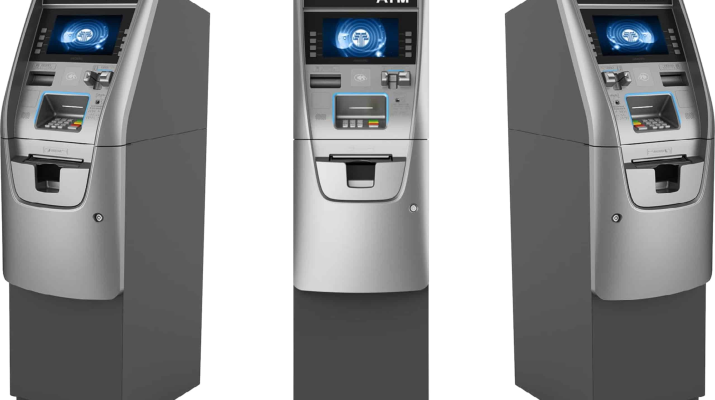
Starting an ATM machines business can be a highly rewarding endeavor, especially in today’s cash-driven economy. As cash transactions see a resurgence, the demand for accessible financial services steadily grows, creating numerous opportunities for aspiring entrepreneurs. Navigating the ATM market trends is essential for success, which involves effective strategies and a keen understanding of customer needs. This article will provide you with essential ATM business tips, from locating ideal spots for your machines to optimizing revenue streams. Discover how to position your venture as a profitable player in a dynamic industry.
Entering the world of automated teller machines (ATMs) can open doors to significant earnings for those interested in the financial services sphere. The rising usage of cash has rejuvenated interest in ATM operations, making it a prime time to explore this business model. Understanding the latest trends in the ATM sector and leveraging sound strategies can give you a competitive edge. In this discussion, we will share insights on effectively launching your cash access business, including guidance on strategic locations and potential revenue opportunities. Learn how to navigate the complexities of the ATM landscape to ensure long-term success.
Key Trends in the ATM Market
The ATM market has undergone transformative changes in recent years, largely driven by the growing demand for cash transactions globally. As more consumers prefer the immediacy and tangibility of cash for everyday purchases, the ATM business is positioned for continued growth. Trends indicating increased usage in rural and urban areas alike reveal opportunities for entrepreneurs willing to invest in this space. The ATM services market, currently expanding at a formidable rate, signifies that well-placed machines could yield substantial profits, making it an attractive option for investors.
Moreover, technological advancements play a crucial role in shaping the ATM landscape. With the rise of digital payment methods, many might speculate a decline in cash usage. However, the opposite is occurring—more businesses are installing ATMs to meet customer expectations for cash accessibility despite the growth of electronic payments. Key companies are investing in advanced features like touchless transactions and mobile connectivity, enhancing user experience while increasing machine utilization. Understanding these trends allows ATM operators to align their strategies effectively and capitalize on changing consumer behaviors.
Effective ATM Location Strategies for Business Success
Choosing the right location for your ATM is perhaps the most crucial decision that can determine the success of your ATM machines business. High traffic areas such as shopping centers, airports, and busy streets consistently attract more potential customers seeking cash for their day-to-day transactions. Studies confirm that ATMs installed in convenience stores or near popular establishments witness heightened usage due to convenience; thus, selecting strategic locations can significantly enhance your machine’s profitability.
Additionally, analyzing foot traffic patterns and understanding demographic trends in specific areas can lead to more informed location decisions. Collaborating with local businesses to jointly promote ATM services can also create visibility in targeted neighborhoods. As an ATM operator, conducting thorough market research and evaluating the demand for cash among specific customer segments will ultimately help optimize placement strategies for sustained revenue generation.
Navigating the Legal Landscape of the ATM Business
Entering the ATM business requires a firm understanding of the legal and regulatory frameworks that govern the industry. Without securing the necessary permits and licenses, your business may face delays or hindered operations, which could adversely affect profitability from the very start. This comprehensive approach to compliance should include familiarizing oneself with the Americans with Disabilities Act (ADA), which mandates that all ATMs are accessible to users with disabilities, thereby broadening your customer base significantly.
Furthermore, staying up-to-date with changing regulations is vital for ongoing operational success. For example, understanding transaction fees and disclosure requirements can influence the profitability of your ATM services. Partnering with legal advisors specializing in financial services can provide invaluable insights to maintain compliance, avoiding potential legal challenges that could lead to hefty fines. This proactive approach not only protects your investment but positions your ATM machines business as a trustworthy community service.
Maximizing Revenue Streams in Your ATM Business
Creating multiple revenue streams is essential for optimizing profits within your ATM machines business. The primary income source typically comes from transaction fees charged per withdrawal, which can significantly accumulate depending on your ATM’s location and frequency of use. However, entrepreneurs can also explore additional avenues like promotional deals that encourage more extensive usage—consider introducing loyalty programs that reward frequent users with reduced fees or bonuses for cash withdrawals. These strategies can enhance customer retention while expanding your transaction volumes.
Moreover, leveraging partnerships with local businesses to cross-promote services can further diversify your revenue strategies. For instance, ATMs situated in cafes or convenience stores may benefit from promotions linked to the establishment, enticing customers to use the ATM while they attend to their primary business needs. By diversifying income sources and implementing creative marketing strategies, ATM operators can improve their bottom line and ensure a sustainable business model.
Frequently Asked Questions
What are essential tips for starting an ATM machines business?
When starting an **ATM machines business**, focus on key factors such as finding prime locations, understanding legal compliance, managing initial costs, and utilizing effective marketing strategies. High-traffic areas, like shopping centers or airports, enhance visibility and usage. Additionally, familiarity with the required permits and ensuring proper maintenance will contribute to the longevity and profitability of your service.
What are the latest ATM market trends to watch in 2023?
In 2023, **ATM market trends** indicate a growing demand for advanced technological features, such as contactless transactions and enhanced security protocols. The rise of digital payment solutions is prompting ATMs to adapt and incorporate functionalities that appeal to tech-savvy consumers. Monitoring these trends is crucial for staying competitive in the **ATM machines business**.
What are the best ATM location strategies for maximizing revenue?
To maximize revenue in the **ATM machines business**, choose locations that ensure high foot traffic, such as busy convenience stores, shopping malls, or transit stations. Partner with local businesses to enhance visibility and offer promotions that attract customers. Understanding your target demographic will help refine your **ATM location strategies** further.
How can I increase profits from my ATM business?
Increasing profits in your **ATM machines business** can be achieved by optimizing transaction fees, currently averaging between **$2 and $4** per withdrawal. Additionally, consider creating loyalty programs or promotional offers to retain customers. Expanding your network of ATMs in high-demand areas will also drive higher transaction volumes, thus enhancing overall profitability.
| Key Point | Description |
|---|---|
| Understanding the ATM Market | The ATM market is growing steady, driven by demand for cash transactions, providing entrepreneurs ample opportunity to cater to customer preferences. |
| Location, Location, Location | Choosing high-traffic areas like shopping centers and airports for ATM installation significantly increases usage and profitability. |
| Legal and Regulatory Compliance | Compliance with legal regulations and obtaining necessary permits for operation are crucial to avoid fines and ensure smooth operations. |
| Funding and Initial Costs | Initial costs for ATMs vary widely, from $2,000 to $8,000. Ongoing costs include maintenance, cash replenishment, and insurance. |
| Partnerships with Banks and Suppliers | Strategic collaboration with banks and suppliers can streamline cash access and operational management, enhancing overall business efficiency. |
| Choosing the Right ATM Operator Model | Deciding between owning an ATM outright or partnering with a managed services provider affects control, profit-sharing, and maintenance responsibilities. |
| Profitability and Revenue Streams | Transaction fees generate income, complemented by marketing promotions and loyalty programs to attract and retain customers. |
| Technology and Security | Investing in modern technology with advanced security features is essential to build trust and ensure user protection against fraud. |
| Marketing Your ATM Services | Effective marketing strategies, including signage and social media outreach, are vital for attracting users and enhancing transaction rates. |
Summary
Starting an ATM machines business presents a valuable opportunity in today’s financial landscape, where cash transactions remain relevant. Success in this venture hinges on critical factors such as strategic location choice, comprehensive understanding of legal obligations, and effective management of initial costs. Furthermore, leveraging partnerships with banking institutions, selecting the right operational model, and maintaining top-tier security measures are vital to enhance user trust and ensure business integrity. As technology and consumer preferences evolve, staying agile and informed will position your ATM business for sustained profitability. Continuing to adapt and innovate will not only meet customer demands but also maximize your business potential in the ever-evolving ATM services market.
Starting an ATM business can be a lucrative venture, especially as the demand for convenient cash access continues to grow. To begin, it’s essential to understand the legal requirements in your region, including permits and compliance regulations necessary for operating ATMs. One key aspect is selecting the type of ATMs you wish to offer, whether stand-alone machines or those that are part of a network. Additionally, securing funding to purchase or lease the machines will be crucial, alongside establishing relationships with financial institutions to facilitate transactions.
ATM market trends highlight a steady increase in cash transactions, despite the rise of digital payment methods. Consumers still value the convenience of accessing cash whenever they need it, which indicates that the demand for ATMs is unlikely to diminish. Innovations such as mobile ATM solutions and advanced security features are becoming increasingly popular. Furthermore, studies show that locations with high foot traffic, like malls, airports, and event venues, are prime spots for ATM placements, contributing to their profitability.
There are several tips for successfully operating an ATM business. First, location is everything—prioritize high-traffic areas to maximize usage. Secondly, ensure that your ATM is well-maintained and operational at all times, as downtime can lead to lost revenue. Additionally, consider offering competitive transaction fees, as well as branding the ATM with your own logo to create brand visibility. Building relationships with local businesses can also lead to strategic partnerships, boosting both your and their customer traffic.
When developing location strategies for your ATM, it’s crucial to analyze potential sites thoroughly. Consider demographics, local competition, and the types of businesses nearby. Locations with limited access to banking services, such as rural communities, can be great options. Street view analytics and foot traffic data can also be beneficial in selecting the best spots, ensuring that your ATMs are placed where they will serve the highest volume of customers, thereby increasing transaction frequency and revenue.
Exploring various revenue streams in your ATM business is essential for maximizing profits. Aside from transaction fees, consider additional income sources such as premium advertising space on the ATM’s digital display, partnerships with local businesses for referral discounts, or offering services for cardless ATM access. Some ATM operators also capitalize on hosting events or sponsoring local initiatives, which can drive more customers to the ATM and enhance community presence. Diversifying income streams is a smart strategy that can provide financial stability.
