
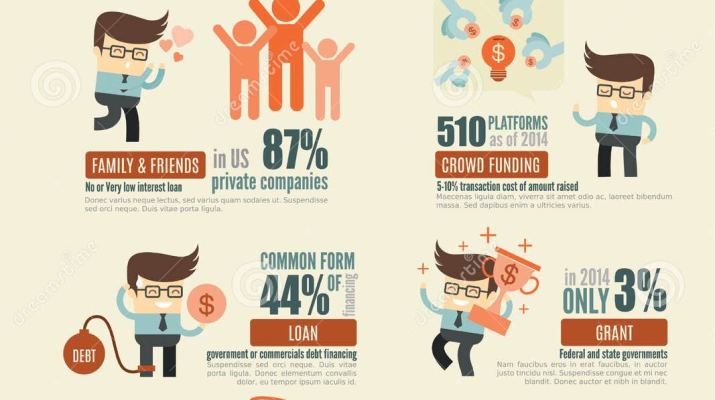
Business funding is the lifeblood of any entrepreneurial venture, providing the essential financial support needed to turn innovative ideas into vibrant realities. For new entrepreneurs, navigating the diverse landscape of funding options can be daunting, yet it’s crucial for achieving long-term success. From small business loans to venture capital investments, understanding the various pathways to funding is key to choosing the right strategy for your needs. Additionally, securing business grants can provide invaluable resources without the burden of repayment, making them highly sought after. This guide will equip you with the knowledge and tools necessary to embark on your journey toward business funding.
When launching a new venture, accessing the capital required to initiate operations can be a challenging prospect. Financial support for startups can come in many forms, including investment from venture capitalists or loans from banks and other institutions. Entrepreneurs must familiarize themselves with different avenues for raising funds, such as personal savings, crowdfunding, and appealing to angel investors. Exploring government-backed funding initiatives, particularly grants, is also vital for newcomers in the business landscape. By understanding these various financial resources, new business owners can strategically position themselves to foster growth and sustainability.
Diverse Funding Options for New Entrepreneurs
Securing business funding is one of the most critical steps for new entrepreneurs looking to establish their ventures. Understanding the diverse funding options available can significantly impact your ability to launch and grow your business successfully. Options such as personal savings, bank loans, and business grants offer varied benefits and risks. Personal savings can provide immediate cash flow without debt, whereas bank loans can help build business credit but require rigorous repayment plans. New entrepreneurs must evaluate these routes carefully to determine which aligns best with their business goals.
In addition to traditional methods, newer avenues like crowdfunding and angel investors have revolutionized the business funding landscape. Platforms like Kickstarter not only provide the capital needed but also help gauge market interest, which is crucial for any new venture. Angel investors, who often bring both capital and expertise, can offer invaluable mentorship alongside their investment. By exploring all available funding options, new entrepreneurs can secure the necessary resources while setting a solid foundation for future growth.
Creating a Compelling Business Plan for Funding Success
A well-structured business plan is imperative for any entrepreneur seeking funding. This document serves as a roadmap for both the entrepreneur and potential investors, detailing the vision, strategy, and financial projections of the business. The executive summary is a critical part, summarizing the essential elements of the plan in a concise format that captures the interest of potential funders. Markets and competitive analyses further showcase the viability of the business model, making it essential to include thorough research to back up business assumptions.
Moreover, financial projections are arguably the most scrutinized portion of a funding proposal. Lenders and investors expect to see detailed income statements, cash flow forecasts, and break-even analyses. Articulating how business funding will be utilized for growth or development is crucial to demonstrating a well-thought-out strategy. By presenting a compelling business plan, new entrepreneurs can significantly enhance their chances of attracting the right funding sources.
Boosting Your Credit Score Before Applying for Loans
Understanding the impact of your credit score on your business funding options is essential for new entrepreneurs. Credit scores determine eligibility for loans and the interest rates lenders offer. Improving your credit score requires strategic actions such as consistently paying bills on time, reducing debts, and monitoring your credit report for inaccuracies that may negatively affect your score. These small but consistent efforts can result in significant enhancements to your overall financial picture.
Additionally, entrepreneurs should consider the long-term implications of their credit score improvements. A strong credit profile not only increases the likelihood of securing favorable loan terms but also positions your business as a trustworthy candidate in the eyes of potential investors. By incorporating credit score management as part of your funding strategy, new entrepreneurs can navigate the lending landscape more effectively.
Leveraging Networking Opportunities for Funding
Networking is often the key to unlocking hidden business funding opportunities. For new entrepreneurs, building relationships with industry professionals, investors, and other business owners can lead to invaluable resources and insights. Engaging in networking events, workshops, and entrepreneurial meetups can significantly broaden your connections in the business community. Each conversation can potentially lead to introductions to angel investors or information about grants and funding options not widely advertised.
Moreover, online networking platforms like LinkedIn provide an extensive reach for entrepreneurs to connect with influencers and potential funding partners. Regular participation in discussions and contributing valuable insights can bolster your reputation and attract attention to your business. By proactively networking, new entrepreneurs can create a support system that might offer critical financial backing when they need it most.
Exploring Innovative Online Funding Platforms
With the rise of technology, numerous online funding platforms exist today, tailored to assist new entrepreneurs in finding available resources. Websites such as Fundera or Lendio offer comprehensive databases that help business owners browse a range of funding options, from small business loans to venture capital opportunities. These platforms often provide valuable tools for comparing rates, understanding eligibility requirements, and even guidance for completing applications.
Exploring these innovative online funding sources can save time and increase the chances of securing the needed financial support. Additionally, many platforms feature user reviews and testimonials, providing insights into the experiences of other entrepreneurs, which can aid in decision-making. By leveraging these resources, new entrepreneurs can strategically pursue funding avenues that align with their business model and growth aspirations.
The Importance of Seeking Professional Financial Advice
When navigating the complex landscape of business funding, seeking professional advice can prove invaluable for new entrepreneurs. Financial consultants or advisors with experience in business funding can provide personalized strategies tailored to your specific financial situation and business goals. They can assist in preparing comprehensive business plans and projections that resonate with lenders and investors, ultimately increasing your chances of securing necessary funds.
Moreover, mentors who have successfully navigated the funding landscape can offer insights and advice based on their own experiences. They can help avoid common pitfalls and provide connections to potential investors or grant opportunities. Whether through formal consulting or more informal mentorship, leveraging professional advice is a crucial step for entrepreneurs looking to maximize their funding opportunities and set a path for growth.
Recent Developments in Business Funding Initiatives
The business funding landscape is continuously evolving, particularly in response to economic changes and global events such as the COVID-19 pandemic. Many governments have launched initiatives aimed specifically at supporting new businesses, often with a focus on recovery, sustainability, and innovation. These changes create a myriad of opportunities for entrepreneurs seeking grants, low-interest loans, or special funding programs designed to stimulate growth in critical areas of the economy.
Staying informed about these developments is vital for new entrepreneurs. Following relevant news, engaging with business associations, and participating in industry forums can provide updates on emerging funding opportunities. By actively participating in discussions about the future of business funding, entrepreneurs can not only secure financial support but also become part of a community working towards a sustainable and prosperous economic recovery.
Strategies for Successfully Securing Business Grants
Business grants represent an attractive funding option for new entrepreneurs, as they typically do not require repayment. However, these grants can be highly competitive, making it essential to craft a compelling proposal that clearly outlines the business’s goals, market potential, and how the grant will be utilized. Understanding the specific criteria and objectives of each grant program can also enhance your chances of success.
Additionally, entrepreneurs should actively seek out local, state, and national grant opportunities. Government websites, nonprofit organizations, and industry-specific associations often provide listings of available grants. Networking with other entrepreneurs who have successfully secured funding can also yield valuable insights and tips on crafting successful applications. By developing a clear strategy and understanding the landscape of available grants, new entrepreneurs can significantly enhance their chances of obtaining vital funding for their businesses.
Maximizing Your Business Funding Potential Through Diversification
One of the most effective strategies for securing business funding as a new entrepreneur is to diversify your funding sources. Relying on a single type of funding, such as bank loans or personal savings, can be risky, especially if that source becomes unavailable. By pursuing a combination of funding options—like small business loans, angel investors, crowdfunding, or grants—you can create a more resilient funding strategy that can adapt to changing circumstances.
Diverse funding sources not only provide capital but also foster connections that can enhance your business’s growth trajectory. Each funding partner can bring unique insights and opportunities to the table, enriching your business model. By incorporating a multifaceted funding approach, new entrepreneurs position themselves better to weather economic fluctuations while maintaining a solid path toward achieving their business goals.
Frequently Asked Questions
What are the best funding options for new entrepreneurs?
New entrepreneurs have several funding options available to them. Personal savings and loans from friends and family are common first steps. Traditional bank loans can provide larger sums but may require solid credit and a detailed business plan. There are also business grants available that do not need repayment, as well as venture capital and angel investors, who provide funds in exchange for equity. Crowdfunding platforms like Kickstarter can be beneficial for raising capital directly from the public. Each option comes with its benefits and challenges, so it’s essential to evaluate them carefully.
| Funding Option | Description | Considerations |
|---|---|---|
| Personal Savings | Using your own funds to start your business. | Risk of losing personal savings; retains control. |
| Friends and Family | Seeking financial help from personal connections. | Can complicate relationships; outline terms clearly. |
| Bank Loans | Traditional loans that require creditworthiness and a business plan. | Requires good credit; impacts interest rates. |
| Credit Cards | Using credit lines for quick access to funds. | High-interest rates apply; short-term use is advisable. |
| Grants | Funds provided by governments or organizations that don’t need to be repaid. | Competitive to secure; often targeted to specific groups. |
| Venture Capital | Investment provided in exchange for equity in high-potential businesses. | Best suited for fast-growing sectors; means giving up a stake. |
| Crowdfunding | Raising funds from the public via online platforms. | Requires effective marketing and presentation. |
| Angel Investors | Individuals providing funds in exchange for equity and often mentorship. | Can be a good source of guidance as well as funding. |
Summary
Business funding is essential for new entrepreneurs aiming to transform their ideas into reality. To successfully secure funding, entrepreneurs must explore a variety of options ranging from personal savings and loans to crowdfunding and grants. Developing a comprehensive business plan, improving credit scores, and leveraging networking opportunities are critical strategies that enhance the likelihood of acquiring the necessary financial resources. As the economic landscape continues to change, staying informed about new funding avenues and being proactive in your search can significantly impact the success of your business venture.
Funding options for new entrepreneurs are crucial in establishing a successful business. With a variety of financial resources available, entrepreneurs can choose the one that best fits their needs and business model.
Small business loans are a popular option for new entrepreneurs seeking to secure a steady source of capital. These loans typically come from banks or credit unions and can be used for a range of purposes, including purchasing equipment, financing inventory, or covering startup costs. The terms of these loans vary based on the lender and the borrower’s creditworthiness.
Venture capital is another significant funding source for new entrepreneurs, particularly those in innovative and high-growth industries. Venture capitalists invest in startups in exchange for equity, providing not just funding but also valuable mentorship and networking opportunities. However, attracting venture capital often requires a strong business plan and a compelling growth strategy.
Business grants are a less common but highly sought-after funding option for new entrepreneurs. Unlike loans, grants do not need to be repaid, which can be particularly beneficial for startups with limited cash flow. Various government agencies, nonprofit organizations, and private foundations offer grants to support small businesses, especially those that promote innovation or serve specific community needs.
