
Navigating the world of entrepreneurship is particularly daunting for those dealing with bad credit. However, funding strategies for entrepreneurs with bad credit are not only available but also increasingly diverse, enabling many to realize their business dreams. Traditional financing options often elude those with poor credit histories, pushing them towards creative alternatives such as crowdfunding, credit-builder loans, and community funding programs. With angel investors beginning to look beyond credit scores and grants for small businesses emerging as viable options, the landscape of funding has transformed dramatically. This article explores these innovative funding strategies that can help entrepreneurs overcome financial barriers and pave their path to success.
Starting a business can seem impossible for individuals facing financial challenges, especially if they’ve struggled with credit issues. Yet, this narrative is changing as new financial avenues open up for aspiring entrepreneurs. By exploring alternative financing methods that do not heavily rely on credit history, such as community-based funding initiatives and angel investment opportunities, business owners can find unique ways to secure the capital needed for their ventures. Furthermore, educational resources like credit-builder loans and nonprofit support programs can enhance their financial acumen, ultimately leading to improved credit scores and more successful funding applications. This discussion focuses on how innovative financial strategies are reshaping opportunities for entrepreneurs with credit difficulties.
Exploring Funding Strategies for Entrepreneurs with Bad Credit
Entrepreneurs with bad credit often find themselves at a disadvantage when seeking financial support for their business ventures. However, understanding funding strategies specifically designed for these individuals can dramatically alter their entrepreneurial journey. Funding strategies for entrepreneurs with bad credit encompass various avenues, including alternative financing options and community programs that do not strictly rely on credit scores. Entrepreneurs looking to overcome their credit hurdles must explore these tailored resources to ensure their business ideas have the potential to take flight.
One effective approach involves seeking out crowdfunding platforms like Kickstarter and Indiegogo, where entrepreneurs can showcase their concepts to potential backers willing to invest based on the idea’s merit rather than credit history. Additionally, credit-builder loans present another effective strategy. These financial tools help improve credit scores over time, thereby increasing the chances of securing standard financing in the future. By combining both methods—raising initial capital through crowdfunding while building a healthier credit score—entrepreneurs can establish a more solid foundation for their businesses.
Alternative Financing Options for Innovative Entrepreneurs
In today’s business landscape, alternative financing options have emerged as vital lifelines for innovative entrepreneurs struggling with bad credit. Peer-to-peer lending is one significant method that allows individuals to obtain funding directly from investors through online platforms. This financing route removes traditional barriers and opens up new possibilities for aspiring business owners, particularly those demonstrating a strong business model and creativity. Moreover, nonprofit organizations and platforms such as Kiva enable entrepreneurs to tap into community support as they embark on their business journeys.
These alternative options not only address immediate funding needs but also foster a sense of community and shared investment in entrepreneurial success. Several entrepreneurs have successfully sourced funds for their startups by leveraging their networks of family, friends, and supporters who believe in their vision. This shift away from traditional lending methods encourages innovations and growth, mitigating the impact of a poor credit score while promoting inclusivity in entrepreneurship.
The Role of Credit-Builder Loans in Business Growth
Credit-builder loans are an effective strategy for entrepreneurs grappling with bad credit, designed to assist individuals in enhancing their credit scores over time. By making consistent monthly payments into a savings account that is reported to credit bureaus, entrepreneurs can take proactive steps to improve their creditworthiness. With a better credit score, they can ultimately qualify for better financing options, including traditional business loans and other financial products that may otherwise be out of reach due to previous credit challenges.
For instance, an aspiring business owner might start by utilizing a credit-builder loan to establish a positive record of repayment. Over time, this disciplined approach not only strengthens their credit profile but also builds confidence and financial discipline beneficial for managing a business. As they progress and their credit rating improves, they can secure more substantial funding to invest in business expansion, thereby transitioning from relying solely on alternative financing to mainstream financial institutions.
Community Funding Programs: A Supportive Network for Entrepreneurs
Community funding programs represent an essential resource for aspiring entrepreneurs battling bad credit. These initiatives, often backed by nonprofit organizations, empower individuals by providing access to funds without the stringent requirements of traditional lenders. Programs such as Accion and local Small Business Administration offices offer more than just financial resources; they often include mentorship and education to enhance business acumen and viability, which are crucial for long-term success.
Such community-driven programs also foster networking opportunities, allowing entrepreneurs to connect with seasoned business owners and potential investors who share a commitment to supporting economic empowerment in their local areas. This network not only provides capital but also critical knowledge, resources, and relationships that can significantly impact an entrepreneur’s journey, paving the way for business success despite previous credit challenges.
Attracting Angel Investors Despite Bad Credit
Traditionally, angel investors and venture capitalists have been hesitant to invest in startups led by individuals with bad credit. However, there is a growing recognition within the investment community that credit history is only one aspect of evaluating a potential investment. Many angel investors are now prioritizing the potential of the business idea, the passion of the entrepreneur, and the overall market viability over past financial missteps. This shift presents a unique opportunity for entrepreneurs to engage with funding sources that were previously out of reach.
To effectively attract angel investors despite having bad credit, entrepreneurs should focus on crafting a compelling business model that highlights their innovation, resilience, and future potential. Presenting a comprehensive business plan, showcasing market research, and articulating clear growth strategies can captivate investors’ attention and inspire confidence in the viability of their enterprises. By emphasizing their vision and the impact of their business in a broader context, entrepreneurs can convince investors to look beyond credit scores and focus on the greater picture.
Utilizing Grants for Small Business Empowerment
Grants are a potent funding source for entrepreneurs with bad credit, providing financial assistance without the requirement for repayment. Many government initiatives and local organizations administer grants specifically designed to support economically disadvantaged individuals. These grants can be essential for entrepreneurs looking to establish their businesses in high-unemployment areas, as they bolster economic development while alleviating the burdens of startup expenses.
Moreover, since grants do not depend on credit history, they give aspiring entrepreneurs a chance to pursue their business dreams without the looming threat of debt. Entrepreneurs can utilize these funds to cover a range of costs, from product development to marketing and operational expenses. Successfully obtaining a grant can serve as a testament to an entrepreneur’s business promise and create additional opportunities for further funding and business growth, while simultaneously positively impacting their community.
Long-Term Strategies for Business Success with Bad Credit
To achieve sustained business success despite the challenges of bad credit, entrepreneurs need to cultivate a long-term strategy that encompasses both financial management and credit improvement. This includes judiciously applying for small loans or credit-builder loans to systematically improve credit scores, alongside leveraging alternative financing options such as crowdfunding and peer-to-peer lending. Balancing these approaches allows entrepreneurs to raise necessary capital while also working on their financial health.
Additionally, entrepreneurs should invest in financial education, seeking resources and mentorship that may enhance their business management skills. Engaging in community-building activities and networking can also be vital for gaining insights and support. By cultivating relationships with other business owners and community members, entrepreneurs not only access funding resources but also develop a support network that encourages collaboration and innovation, further setting the stage for future success.
The Impact of Bad Credit On Business Opportunities
Bad credit can significantly hinder an entrepreneur’s access to traditional financing options, impacting their ability to launch and sustain a business. High-interest rates and strict borrowing terms may restrict resources that young startups need, thus creating challenges from the outset. Despite these obstacles, innovative funding strategies have emerged that offer alternative pathways tailored for those with tarnished credit histories, enabling them to harness their business potential.
Understanding the implications of bad credit on business opportunities is essential for aspiring entrepreneurs. By taking informed steps to manage their financial profiles and exploring the full spectrum of available funding strategies, individuals can effectively overcome the effects of bad credit. As the landscape of entrepreneurship continues to evolve, it is crucial for those impacted by credit challenges to adapt and seek out alternative resources that can cultivate their success.
Navigating the Entrepreneurial Landscape with Bad Credit
The entrepreneurial landscape is rife with opportunities, yet bad credit can serve as a formidable barrier for many aspiring business owners. However, today’s entrepreneurs have myriad avenues to explore for overcoming these limitations and securing funding for their ventures. By navigating this landscape strategically, individuals can unlock doors to innovative financing solutions, community support, and networking opportunities that propel their business objectives forward.
Moreover, entering the entrepreneurial world with a focus on continual learning and resilience can equip individuals to tackle future challenges effectively. Successful entrepreneurs often learn to pivot and adapt, leveraging feedback and experiences to refine their strategies. As such, those with bad credit who embrace this mindset, while actively seeking diverse funding options and utilizing resources available within their communities, will find themselves better positioned for success in a competitive market.
Frequently Asked Questions
What alternative financing options are available for entrepreneurs with bad credit?
Entrepreneurs with bad credit can explore various alternative financing options including peer-to-peer lending platforms, crowdfunding, and credit-builder loans. Platforms such as Kiva and GoFundMe enable small investors to support business ideas directly, bypassing traditional credit checks. These options allow entrepreneurs to gather community support and promote their ideas effectively.
| Funding Strategy | Description | Benefits |
|---|---|---|
| Peer-to-Peer Lending | Borrowing directly from individuals through online platforms. | Democratizes access to capital, fosters community support. |
| Crowdfunding | Gathering small investments from a large number of people, often online. | Allows funding based on merit, not credit history, and builds community ownership. |
| Nonprofit and Community Programs | Organizations providing financial and educational resources to entrepreneurs. | Offers mentorship, business planning support, and networking opportunities. |
| Credit-Builder Loans | Loans aimed at improving credit scores through small, manageable payments. | Improves credit to access better financing options in the future. |
| Angel Investors and Venture Capital | Investors focusing on business potential rather than credit history. | Encourages support for innovative ideas and resilient entrepreneurs. |
| Government and Local Grants | Grants targeting economically disadvantaged entrepreneurs without credit checks. | Provides funding based on need, promoting business growth in struggling areas. |
Summary
Funding strategies for entrepreneurs with bad credit have evolved significantly, providing diverse avenues for financial support that were previously inaccessible. Today, entrepreneurs are empowered by various innovative funding options such as peer-to-peer lending, crowdfunding, and credit-builder loans, which not only bypass traditional credit checks but also enhance community engagement. Nonprofit organizations and government grants further contribute to this shift, creating a supportive environment for individuals facing credit challenges. These modern strategies have transformed the entrepreneurial landscape, making it feasible for aspiring business owners to pursue their dreams without being hindered by their financial past.
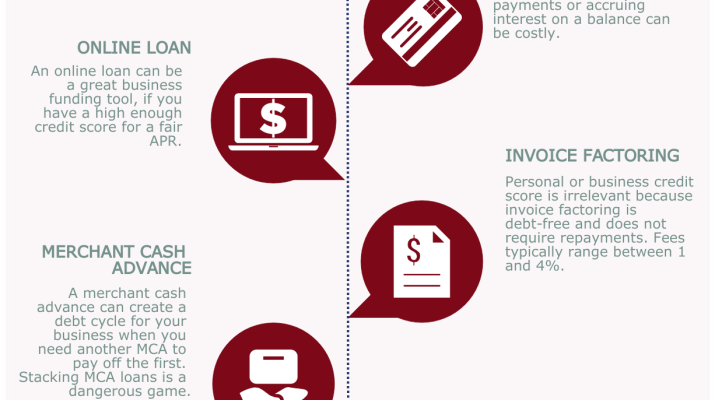
Alternative financing options are becoming increasingly popular among businesses and individuals looking for funding outside traditional bank loans. These options can include peer-to-peer lending, crowdfunding platforms, and invoice financing. Alternative financing often provides more flexible terms and quicker access to funds, making it an appealing choice for those who might not qualify for conventional financing due to strict credit requirements or lack of collateral.
Credit-builder loans are a valuable tool for individuals with limited or poor credit history who are seeking to improve their credit scores. These loans are designed specifically for this purpose—they involve borrowing a small amount of money that is held in a secured account by a lender. Borrowers make fixed monthly payments, which are reported to credit bureaus, thereby helping individuals establish or rebuild their credit. With responsible repayment, borrowers can gain access to better financing options in the future.
Community funding programs are initiatives aimed at empowering local businesses and entrepreneurs by providing access to capital through community-driven investments. These programs may include local grant opportunities, microloans, or community equity funding. They often focus on supporting businesses that drive local economic growth and can be particularly beneficial for startups and small enterprises looking to make a positive impact in their neighborhoods.
Angel investors can be a lifeline for entrepreneurs, especially those with less-than-perfect credit. These are affluent individuals who provide capital for startups in exchange for ownership equity or convertible debt. While traditional banks may shy away from lending to those with bad credit, angel investors are often more focused on the potential of the business and the passion of its founders rather than their credit histories. Successful pitches to angel investors can lead to not just funding, but also valuable mentorship and networking opportunities.
Grants for small businesses represent a non-repayable financial aid option that can significantly ease the burden of startup costs or expansion plans. Various organizations, including government entities and private foundations, offer grants to support innovation, job creation, and community development. Unlike loans, grants do not need to be paid back, making them an attractive avenue for entrepreneurs. However, obtaining these funds typically requires a thorough application process and meeting specific eligibility criteria.
Applying for a merchant account is a crucial step for businesses looking to accept credit and debit card payments. Start by researching various merchant service providers to find one that suits your business needs, including transaction fees, setup costs, and customer support. Once you select a provider, visit their website and complete the application form, which typically requires your business details, including legal name, address, tax identification number, and estimated monthly sales volume. Be prepared to provide bank statements and proof of identity as part of the verification process. Some providers might also ask about your business’s industry type, ownership structure, and a brief description of your products or services.
After submitting your application, the processing time can vary from a few hours to a couple of days, depending on the provider. You may receive a call or email for additional verification or information. Once approved, you will set up your payment processing system, including integrating payment gateways into your online store or point of sale system. It’s essential to read the agreement and understand all fees and terms before finalizing the setup. With your merchant account established, you can start accepting card payments and enhancing your customer experience. For a detailed guide and specific instructions, refer to the provider’s website or reach out to their customer support team for assistance.
