
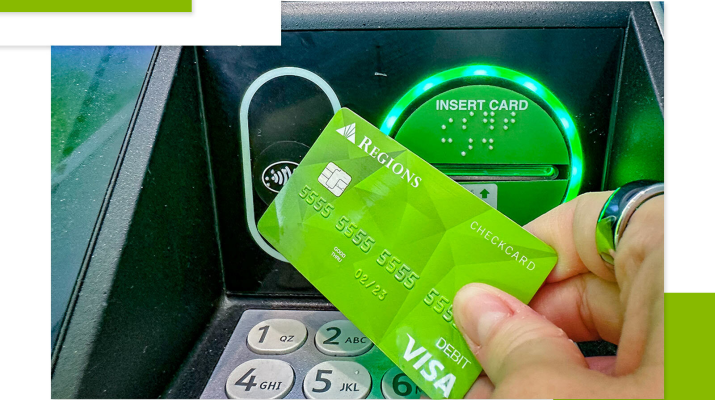
The rise of Tap ATMs marks a transformative step in digital banking, reflecting the growing desire for convenience among consumers. With advancements in tap technology, these contactless ATMs allow users to complete transactions seamlessly by simply tapping their smartphones or contactless cards. As safety and speed become paramount in today’s banking environment, Tap ATMs provide an innovative solution that aligns perfectly with modern consumer preferences for efficient and hygienic banking options. By leveraging ATM innovations, financial institutions are capable of enhancing user experience while catering to the increasing demand for contactless solutions. In this evolving landscape, integrating Tap ATMs is not just a trend, but a necessity for banks aiming to provide cutting-edge banking convenience.
The emergence of contactless automated teller machines (ATMs) represents a significant advancement in the banking sector. Known for their innovative approach, these cash-dispensing kiosks utilize tap technology to streamline transactions for users. As digital banking continues to evolve, the integration of contactless features in ATMs is becoming an increasingly popular option for customers seeking speed and safety during their banking experiences. These modern banking solutions not only minimize physical contact but also cater to the growing trend of on-the-go transactions, making them a strategic asset for financial institutions worldwide. In essence, the shift towards these modern ATMs highlights the convergence of technology and consumer needs in the fast-paced financial landscape.
Applying for a merchant account involves several key steps to ensure that your business can accept credit and debit card payments efficiently. First, you should gather all necessary documentation, including your business license, tax ID, and details on your business structure, financial statements, and processing history if applicable. Once you have these documents ready, research various merchant service providers to find one that meets your business needs—consider factors like transaction fees, monthly fees, and customer support options. Many providers offer online applications that can be filled out quickly, allowing you to submit your information for review. After submitting your application, the provider will assess your business and creditworthiness before approving your account.
Once your application is approved, you will receive the necessary equipment and software to start accepting payments. It’s important to read the terms and conditions of the merchant account carefully to understand the fees and services that come with it. Additionally, ensure that you have a reliable point-of-sale (POS) system in place, which can streamline the payment process for both you and your customers. To apply for a merchant account and get started with accepting payments for your business, you can visit [XYZ Merchant Services](https://www.xyzmerchantservices.com) where they provide detailed guidance, competitive rates, and easy-to-use application forms, tailored to suit different business types.
Understanding Tap ATMs and Their Functionality
Tap ATMs represent a revolutionary advancement in automated banking technology, allowing users to conduct transactions quickly and securely. By utilizing contactless technology, these ATMs enable users to withdraw cash or make payments with a simple tap of their contactless cards or smartphones. This functionality reduces transaction times significantly, allowing for a seamless banking experience that caters to the fast-paced lives of modern consumers. Moreover, tap technology integrates security measures that protect user information, making it a reliable option for cash withdrawals.
The integration of tap technology into ATMs aligns perfectly with current digital banking trends, emphasizing convenience and speed. Users no longer need to handle cards or cash physically, which not only streamlines the process but also enhances hygiene in light of health concerns. As more people adopt contactless payments in various aspects of their lives, tap ATMs are becoming essential fixtures in the modern banking landscape, serving as a bridge between traditional banking methods and the digital currency world.
The Surge in Contactless Payments and Its Impact on ATM Use
The rise in contactless payments has profoundly impacted how consumers interact with ATMs. With a staggering increase of 30% in contactless transactions reported as of 2023, the demand for tap ATMs is more pertinent than ever. This shift highlights a growing consumer preference for faster and safer transaction options, particularly in busy urban environments where time efficiency is critical. As traditional payment methods continue to decline, financial institutions are increasingly adopting tap technology to meet customer expectations.
Consumers now seek not just convenience but also safety when using ATMs. The COVID-19 pandemic has accentuated these needs, with many people actively looking for ways to minimize physical contact during everyday transactions. Tap ATMs stand out as a hygienic solution, significantly decreasing the risk of germ transmission, thus aligning with public health recommendations. As this trend continues and contactless technology becomes more ingrained in daily life, we can expect the presence of tap ATMs to expand and evolve, responding to the dynamic landscape of consumer banking.
ATM Innovations Driving Banking Convenience
Innovations in the ATM industry are crucial in enhancing banking convenience for users. Tap ATMs represent a significant leap forward, combining cutting-edge technology with user-friendly interfaces. Beyond merely allowing cash withdrawals, these machines can integrate various features like mobile wallet compatibility and QR code scanning, allowing customers to manage their finances more efficiently and interactively. With banks like Chase and Bank of America integrating these innovations, users can experience a more comprehensive banking ecosystem.
Moreover, the convenience of tap ATMs caters to the growing trend of digital banking, where users prefer handling their finances through mobile devices or contactless interactions. This evolution is reflective of a broader movement within the banking sector to create a seamless linkage between physical and digital transactions. As ATMs evolve to incorporate more tech-savvy solutions, users can expect increased convenience, enhancing overall satisfaction with their banking routine.
Challenges and Considerations in Tap ATM Adoption
The rapid adoption of tap ATMs is not without its challenges. Financial institutions must navigate complexities such as integrating these new technologies with existing ATM networks and banking systems. This transition requires substantial investments in infrastructure and staff training to ensure that the machines operate smoothly and consumers are informed about their benefits. Effective implementation is key to maximizing the capabilities of tap ATMs while providing an uninterrupted service to the users.
Another critical consideration is consumer education regarding the use of tap ATMs. Many customers may be unfamiliar with contactless banking; hence, banks must implement educational initiatives that explain the technology’s advantages and usage instructions. Misconceptions regarding security and reliability also pose challenges that must be addressed to foster trust in these modern banking solutions. Successful adoption of tap ATMs hinges on how well financial institutions communicate and alleviate user concerns, ensuring a positive experience overall.
| Key Point | Details |
|---|---|
| Definition of Tap ATMs | Automated teller machines enabling contactless transactions via smartphones or cards. |
| Popularity | Demand for contactless payments surged by 30% post-COVID-19, driving tap ATM adoption. |
| Consumer Benefits | Faster transactions, improved hygiene, efficiency, and environmental benefits. |
| Financial Adoption | Banks like Chase and Bank of America are integrating tap ATMs into their networks. |
| Implementation Challenges | Need for integration with existing systems and educating consumers about tap technology. |
| Security Concerns | Advancements in encryption and tokenization are vital for securing contactless transactions. |
Summary
Tap ATMs represent a revolutionary shift in how consumers access and manage their finances. With the growing demand for convenience, the rise of tap ATMs provides a crucial solution that aligns with the increasing preference for contactless banking. These machines not only facilitate rapid transactions but also enhance safety by minimizing physical contact. As consumers adapt to a more digital banking landscape, the convenience, efficiency, and hygiene benefits offered by tap ATMs make them an essential feature of modern banking. Embracing tap ATMs will undoubtedly lead to a more satisfying and secure banking experience.
In the era of digital banking, the rise of Tap ATMs signifies a transformative leap towards greater banking convenience and efficiency. As consumers increasingly seek quick and hygienic solutions, these innovative machines equipped with contactless technology are meeting the demand for safer transactions. By simply tapping their smartphones or contactless cards against these ATMs, users can access their funds without the hassle of physical interactions, which is paramount in today’s health-conscious climate. This shift not only reflects a growing acceptance of tap technology but also emphasizes the broader trend of ATM innovations aiming to enhance user experiences. With the future of banking leaning heavily towards digital solutions, embracing Tap ATMs could redefine how we manage our financial transactions.
Exploring the concept of contactless banking reveals a landscape where convenience meets cutting-edge technology. Tap ATMs, also known as contactless automated teller machines, allow users to perform transactions without direct contact, highlighting an evolution in how we approach cash withdrawals. As the adoption of digital wallets and mobile payment systems rises, these advanced ATMs are swiftly becoming essential tools for financial institutions seeking to elevate customer satisfaction. The integration of tap technology reflects a larger movement towards seamless banking experiences while addressing modern concerns for efficiency and hygiene. As we delve deeper into the functionality and advantages of these electronic banking solutions, it becomes clear that they are poised to revolutionize our interaction with money.
Frequently Asked Questions
What are Tap ATMs and how do they work?
Tap ATMs are automated teller machines that allow users to perform transactions by simply tapping their smartphones or contactless cards against the machine’s reader. This innovative use of tap technology enhances the banking experience by providing a quicker and more convenient way to access cash without the need for physical contact.
Why are Tap ATMs becoming popular among consumers?
The popularity of Tap ATMs is largely driven by the increasing demand for contactless payments. The convenience and hygiene benefits, especially highlighted during the COVID-19 pandemic, have made these ATMs a preferred option for users who value quick and safe banking solutions.
How do Tap ATMs enhance digital banking experiences?
Tap ATMs integrate seamlessly with digital banking by allowing users to transact directly through their mobile wallets or contactless cards. This integration not only speeds up cash withdrawals but also aligns with the growing trend towards cashless transactions, enhancing overall banking convenience and efficiency.
What challenges do financial institutions face when implementing Tap ATMs?
Financial institutions face several challenges in implementing Tap ATMs, including the need for integration with existing banking systems, consumer education regarding contactless technology, and addressing security concerns related to contactless transactions. Continuous advancements in encryption and operational protocols are necessary to ensure a secure and user-friendly experience.
The rise of contactless ATMs has transformed how consumers interact with their banking services. Leveraging tap technology, customers can now withdraw cash, check balances, and perform other transactions without the need for physical contact with the ATM surface. This not only enhances the user experience by making transactions quicker and more efficient, but also promotes hygiene, especially in the wake of health concerns over viral transmission.
ATM innovations are continually reshaping the landscape of digital banking. Financial institutions are investing in smarter ATMs equipped with advanced features like cardless withdrawals, biometric authentication, and enhanced user interfaces. These innovations aim to streamline operations, reduce service times, and provide a more secure banking environment, thereby elevating the overall convenience of banking.
Digital banking has redefined the concept of convenience in financial management. With the advent of mobile banking apps and contactless ATMs, users can now manage their finances on-the-go. The integration of banking services directly into users’ smartphones allows for seamless transactions and real-time updates, making it easier than ever to access funds, pay bills, and monitor account activity from virtually anywhere.
As banking convenience becomes a key priority for users, institutions are focusing on enhancing their ATM networks with features that cater to modern consumer needs. This includes extended service hours, enhanced safety measures, and the incorporation of customer feedback into the design and functionality of ATMs. By prioritizing customer convenience, banks can foster greater loyalty and satisfaction among their clients.
In summary, the convergence of contactless ATMs, tap technology, and innovative digital banking solutions marks a significant evolution in the financial landscape. As consumers increasingly prioritize convenience and efficiency, banks that embrace these technologies will not only meet customer demands but also position themselves as leaders in the competitive banking industry.
In the landscape of modern banking, tap ATMs represent a transformative shift towards innovation and consumer preference. These machines allow users to access their funds swiftly by merely tapping their smartphones or contactless cards, paving the way for a smoother banking experience. The technology aligns with the global trend toward digitization, especially as consumers increasingly favor faster and safer payment options over traditional methods. For those who frequently use ATMs, embracing tap technology can mean saving valuable time and enhancing the overall efficiency of financial transactions. As the demand for contactless transactions continues to grow, it’s clear that tap ATMs are at the forefront of a banking revolution that caters to the needs of today’s busy lifestyle.
Looking at the broader implications of tap ATMs, they not only facilitate faster and more hygienic transactions but also demonstrate how consumer behavior is shifting. With contactless payments on the rise, attributed largely to heightened health awareness and the convenience they offer, the reliance on traditional banking methods is diminishing. Banks and financial institutions recognizing this trend are quick to adapt, equipping their ATMs with tap functionality. The result is a more competitive market where customer satisfaction is driven by the ease of access to funds. The push for integrating tap technology into ATMs reflects a significant response to modern lifestyles, emphasizing the importance of convenience in an era where consumers expect instant results.
As tap ATMs gain traction, it’s vital to note their benefits extend beyond mere convenience. These machines help inspire a cultural shift towards sustainability in banking by reducing dependence on physical cards and paper receipts. With eco-consciousness becoming a priority for many consumers, the adoption of tap ATMs aligns with a growing demand for greener banking alternatives. Financial institutions that invest in these technologies not only enhance their service offerings but also contribute to a larger movement towards reducing environmental impacts associated with traditional banking practices. By leveraging advanced technology, banks can present themselves as forward-thinking organizations committed to both client satisfaction and environmental responsibility.
Despite the clear advantages of tap ATMs, the transition involves overcoming hurdles such as consumer education and security concerns. Many customers may not yet be familiar with how contactless banking works, which requires financial institutions to launch educational campaigns that underscore their benefits and ease of use. Moreover, security remains a paramount concern; banks must ensure that the implementation of tap technology does not compromise users’ financial data. As advancements in encryption and fraud prevention technologies evolve, the industry must focus on building customer trust in tapping as a secure method of transaction. Addressing these challenges will be essential for the widespread adoption of tap ATMs and ensuring their success in the market.
In conclusion, as the banking industry adapts to meet the demands of a rapidly changing technological landscape, tap ATMs embody the convenience and innovation that contemporary consumers seek. They facilitate a seamless way to access cash while embodying the principles of health consciousness and environmental sustainability. As banks continue to adopt these machines and refine the corresponding technology, consumers are encouraged to embrace this modern approach to banking. With the ongoing integration of tap ATMs into financial ecosystems, users can expect not only improved access to their funds but also a banking experience that prioritizes efficiency, safety, and satisfaction in an increasingly digital world.
