
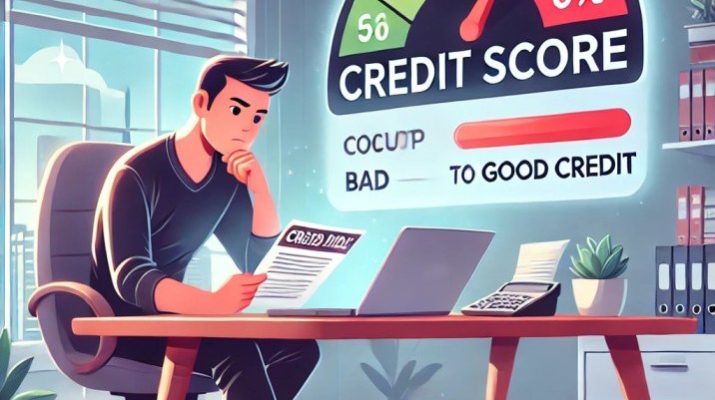
Overcoming bad credit is a significant hurdle that many aspiring entrepreneurs face in today’s competitive financial environment. With traditional banking institutions often denying loans based purely on credit scores, those with a tarnished financial history might feel discouraged when pursuing their business dreams. Fortunately, a blend of innovative business funding solutions is now diversifying the landscape, offering alternative financing avenues that transcend conventional methods. Techniques such as revenue-based financing and crowdfunding cater specifically to those impacted by poor credit, allowing them to connect with investors and secure the capital they need to thrive. As fintech innovations continue to reshape financing options, overcoming bad credit can transform from an obstacle into an opportunity for growth.
Navigating the complexities of financial challenges can often seem overwhelming, particularly when debilitating credit issues arise. Fortunately, the landscape has evolved, leading to numerous funding alternatives that empower entrepreneurs. From innovative crowd-sourced funding platforms to agile peer-to-peer lending schemes, these solutions promise fresh starts for those hindered by credit difficulties. Alternative financing strategies, such as revenue-based financial arrangements, not only consider entrepreneurial potential but also the capacity for future earnings, creating an inclusive funding ecosystem. As more business owners embrace these diverse opportunities, they can unlock their potential and realize their ambitions, regardless of their past credit conditions.
Applying for a merchant account is a crucial step for any business looking to accept card payments and boost sales. To start the application process, you’ll need to gather essential documentation such as your business license, tax identification number, and financial statements. Additionally, you’ll want to have information regarding your estimated monthly sales and the types of payment methods you plan to accept. Once prepared, you can approach banks, credit unions, or independent payment processors. Carefully compare the fees, contract terms, and services offered by each provider to select the best fit for your business needs.
After selecting a merchant service provider, you’ll complete an online application or provide the required documents directly to their office. The approval process can vary; some providers may offer instant approval, while others could take a few days to review your application. Make sure you understand the terms of the agreement, including processing fees, chargebacks, and other potential costs. Once approved, you’ll receive the necessary equipment and software to start processing payments. For a comprehensive guide on how to apply for a merchant account, check out resources on financial websites or directly visit the provider’s website for specific application instructions.
Creative Strategies for Overcoming Bad Credit
Navigating the world of business financing can be challenging, especially for entrepreneurs with bad credit. Often, traditional lending institutions dismiss applicants based solely on their credit scores, leading to a significant number of capable entrepreneurs being underestimated. However, to overcome this hurdle, it’s crucial for business owners to adopt creative strategies that can aid in their quest for funding. One approach is to present a solid business plan that showcases potential revenue streams, market demand, and unique selling points. This can help convince alternative lenders to look beyond credit scores and see the potential for a successful venture.
Another effective strategy is to leverage personal assets or collateral that can provide security for lenders. While this approach may seem daunting for those with bad credit histories, it demonstrates a commitment to mitigating risk for potential investors or lenders. Additionally, creating a professional network can be invaluable. Building relationships with mentors, industry experts, and other entrepreneurs can lead to connections with investors who understand the value of innovation over credit score; thus, opening doors to non-traditional funding avenues.
The Benefits of Revenue-Based Financing for Startups
Revenue-Based Financing (RBF) has emerged as an attractive option for startups looking to secure funding without the drudgery of dealing with traditional credit assessments. With RBF, entrepreneurs can raise capital without the lengthy approval processes often associated with conventional loans. Instead, this financing model allows businesses to repay their funding based on their revenue performance, making it a flexible and risk-mitigated solution. For startups facing inconsistent revenue streams, RBF provides a cushion that can adapt to their financial landscape.
Moreover, RBF does not require extensive collateral, making it particularly appealing for entrepreneurs with bad credit. Startups can use the funds to invest in growth initiatives, such as product development or marketing, without the immediate pressure of fixed repayments that can stifle progress. This funding model fosters a collaborative environment where both the entrepreneur and financier benefit from the success of the business, creating a win-win scenario that aligns their interests towards a common goal.
Harnessing Crowdfunding to Fuel Business Ideas
Crowdfunding has revolutionized the way entrepreneurs with bad credit can access funding. By tapping into the support of the crowd—friends, family, and even complete strangers—business owners can present their ideas directly to potential backers. This form of financing is particularly effective because it eliminates the reliance on credit scores, shifting the focus to the quality and marketability of the business idea itself. Platforms such as Kickstarter and Indiegogo have democratized access to capital, allowing entrepreneurs from various backgrounds to connect with interested investors.
Additionally, crowdfunding campaigns enable entrepreneurs to test their concepts before committing fully to production or launch. The feedback received during a campaign can offer crucial insights, helping refine the idea based on consumer interest. Importantly, the sense of community that develops during a successful crowdfunding campaign can lead to sustained customer loyalty, providing a lasting customer base even before the product is available in the market.
Government Programs: A Lifeline for Entrepreneurs with Bad Credit
For entrepreneurs grappling with bad credit, government programs can serve as a vital resource for accessing funding. Many regions feature initiatives aimed at supporting small business growth through grants or microloans, specifically designed to help individuals who might otherwise face barriers to capital. The Small Business Administration (SBA) is at the forefront of these efforts, offering loan programs with favorable terms for disadvantaged business owners. These programs often come with lower interest rates and more lenient credit requirements, making them an accessible option for those with poor credit histories.
Moreover, local government entities frequently provide grants and assistance programs geared towards building the economic viability of their communities. By actively researching available options and taking initiative to apply, entrepreneurs can uncover financial support that does not require repayment, allowing them to invest in their businesses without the weight of traditional loan obligations. Such government-backed resources can empower entrepreneurs by giving them the necessary support to grow their ventures despite financial challenges.
The Role of Fintech Innovations in Modern Business Funding
Fintech innovations have transformed the landscape of small business funding, especially for those with bad credit. By employing technology to streamline financing processes, fintech companies offer solutions that prioritize cash flow and business performance over traditional credit metrics. Services such as invoice financing allow business owners to obtain immediate funds by leveraging their unpaid invoices, enabling them to maintain operational liquidity without relying on credit scores. This shift in assessment criteria has democratized access to capital, paving the way for more innovative financing alternatives.
In addition, options like merchant cash advances provide flexible funding that adapts to daily sales fluctuations, offering immediate solutions for those facing temporary cash flow issues. By entering the fintech landscape, entrepreneurs can tap into a network of financial resources that cater directly to their unique needs, circumventing conventional barriers to funding. Ultimately, the intersection of technology and finance is paving the way for a new era where entrepreneurs can secure the necessary funding to thrive, irrespective of past credit challenges.
| Funding Solution | Description | Benefits |
|---|---|---|
| Alternative Financing | Platforms evaluate broader data for loan eligibility, beyond just credit scores. | Access to funding through community support and microloans. |
| Revenue-Based Financing (RBF) | Capital given in exchange for a percentage of future revenue, adjusting with business performance. | Flexible repayments that support business growth without pressure from traditional loans. |
| Crowdfunding Platforms | Funds raised directly from consumers interested in product ideas. | Validates business ideas while building a community and customer loyalty. |
| Government and Community Programs | Microloan programs and grants available for disadvantaged business owners. | Empowers individuals who may be shut out of traditional financing avenues. |
| Fintech Innovations | Includes invoice financing and merchant cash advances based on receivables. | Provides immediate cash flow relief and sheds dependency on credit scores. |
Summary
Overcoming bad credit is not an impossible challenge for entrepreneurs looking to secure funding for their businesses. In today’s financial environment, numerous innovative solutions such as alternative financing, revenue-based financing, crowdfunding platforms, government initiatives, and fintech innovations have emerged, providing diverse pathways to access the necessary capital despite poor credit history. These resources not only empower business owners but also foster community support and customer engagement, ultimately supporting the growth of successful enterprises. By exploring these options, aspiring entrepreneurs can confidently navigate their funding journey and bring their business ideas to life.
Overcoming bad credit can feel like an uphill battle for many aspiring entrepreneurs looking to secure business funding. With traditional lenders often relying on strict credit scores, those with less-than-perfect credit histories may find themselves at a disadvantage when trying to access essential capital. However, the landscape has transformed as various business funding solutions have emerged to support individuals in this predicament. From innovative alternative financing options to cutting-edge fintech innovations, entrepreneurs now have access to a plethora of resources designed to bypass conventional barriers. In this article, we will delve into effective strategies that empower business owners to rise above bad credit and achieve their financial goals.
Navigating the financial waters while dealing with poor credit can pose significant challenges for many business owners. Thankfully, alternative means of obtaining funding, such as non-traditional financing methods and community lending programs, offer fresh approaches to securing capital without the constraints of credit scores. Concepts like revenue-based financing and crowdfunding are reshaping the way entrepreneurs can access funds, allowing them to connect directly with backers interested in their ideas. By leveraging these modern solutions, aspiring business leaders can not only improve their financial situation but also foster community support around their ventures. As we explore this topic, it’s essential to understand the diverse options available that can help mitigate the impact of bad credit on business growth.
Frequently Asked Questions
How can alternative financing help in overcoming bad credit when seeking business funding?
Alternative financing solutions provide a way for entrepreneurs with bad credit to access capital without the strict requirements typical of traditional lenders. These platforms evaluate a broader range of factors, such as cash flow and business performance, rather than solely relying on credit scores. This flexible approach allows business owners to overcome credit challenges and secure necessary funding options like microloans or peer-to-peer lending.
In today’s rapidly evolving economic landscape, businesses often seek innovative funding solutions to support their growth and operational needs. Business funding solutions encompass a wide range of financial products and services designed to meet the diverse needs of entrepreneurs and small businesses. From traditional bank loans to modern fintech options, these solutions aim to provide necessary capital while addressing the unique challenges faced by startups and established companies alike.
Alternative financing has gained significant traction over the past decade, as many businesses find it challenging to secure traditional funding due to strict credit requirements and lengthy application processes. This form of financing includes options such as peer-to-peer lending, invoice financing, and merchant cash advances, which offer greater flexibility and faster access to funds. Such alternatives allow businesses to tap into new capital sources and may also cater to those with less-than-perfect credit histories.
Crowdfunding has emerged as a popular method for businesses, especially startups, to raise funds by soliciting small contributions from a large number of people, typically via online platforms. This approach not only helps generate capital but also engages potential customers and creates a community around a product or service. Successful crowdfunding campaigns can validate business ideas and build a loyal customer base, making it a powerful tool in the early stages of a company’s development.
Revenue-based financing (RBF) is another innovative funding model that aligns repayment with a company’s revenue performance. In this arrangement, investors provide upfront capital in exchange for a percentage of future revenue until a specified repayment cap is reached. This approach can alleviate some of the financial pressure on businesses during slow months, as repayments are directly proportional to income. RBF is particularly appealing for companies with strong growth potential and fluctuating revenues, such as those in the tech or creative sectors.
Fintech innovations are reshaping the business funding landscape by introducing new technologies that streamline the lending process, improve access to capital, and enhance user experience. With the rise of digital platforms and financial apps, both lenders and borrowers benefit from greater transparency, faster transactions, and lower costs. Fintech solutions also include sophisticated data analytics and credit scoring techniques that allow for more accurate risk assessments, enabling lenders to offer personalized financial products tailored to specific business needs.
Entrepreneurs today often grapple with the challenge of securing funding due to bad credit histories. Traditional banks and lenders typically prioritize credit scores, potentially leaving viable and innovative business ideas unfunded. However, the financial landscape has witnessed substantial changes, paving the way for a plethora of alternative funding solutions that cater to those beset by credit issues. These emerging methods focus on a broader spectrum of qualifications beyond credit scores, emphasizing the merits of a business’s potential and cash flow instead, thereby creating opportunities for talented individuals to access much-needed financial resources.
Alternative financing has introduced a new dimension in assessing business viability. Platforms like Kiva and Fundera allow entrepreneurs to seek funding through microloans and peer-to-peer lending, enabling individuals to invest in businesses they believe in, often bypassing the traditional credit assessment hurdles. This shift not only democratizes access to capital but also fosters a community-oriented approach to investing, where backers often become advocates for the businesses they support. Such innovative alternatives empower aspiring entrepreneurs to turn their visions into reality, all while cultivating communal ties and support networks.
Revenue-Based Financing (RBF) is transforming the way businesses secure financial backing. By connecting repayments to a percentage of future revenue, RBF offers a more adaptable funding model that can flex with business performance. This structure is especially beneficial for startups or seasonal businesses that may face unpredictable income flows. Companies like Lighter Capital and Clearco are leading the charge in this arena, offering financing without the constraints of traditional credit requirements. More than alleviating the pressure of fixed repayments, RBF encourages businesses to reinvest in growth, supporting a cycle of continued innovation and expansion.
Crowdfunding platforms such as Kickstarter and Indiegogo have become invaluable tools for entrepreneurs seeking to raise capital outside of traditional financing methods. By appealing directly to consumers, entrepreneurs can not only gather necessary funds but also validate their business ideas in the marketplace. This direct engagement also allows them to build a loyal customer base from the outset, securing early interest and feedback for their products. As crowdfunding campaigns gain traction, they evolve into powerful marketing tools, showcasing the business’s potential even before launch while bridging the gap created by poor credit.
In addition to emerging financial technologies, government and community programs offer vital resources for entrepreneurs with challenging credit histories. Institutions like the Small Business Administration (SBA) provide microloan programs aimed at helping underserved business owners access the capital they need. Local initiatives often champion grants and funding programs specifically designed to assist entrepreneurs in building their businesses. By leveraging these supportive avenues, qualified individuals can navigate their financial circumstances positively, enabling them to grow their ventures even in the face of credit obstacles.
The financial technology (fintech) revolution has introduced a suite of innovative solutions tailored for small business funding, specifically for those with bad credit. Services like invoice financing allow businesses to utilize outstanding invoices as collateral for immediate cash flow relief. Companies such as BlueVine and Square Capital exemplify this trend with offerings that simplify obtaining funds without the stringent scrutiny of credit scores. Likewise, merchant cash advances provide lump-sum payments against a portion of future credit card sales, helping businesses manage their liquidity proactively. Both methods represent a flexible approach to funding that aligns with the operational realities of many small business owners.
Ultimately, overcoming bad credit is increasingly feasible with the diverse array of funding solutions available today. From alternative financing models to community-driven crowdfunding efforts and fintech innovations, aspiring entrepreneurs possess numerous avenues through which they can secure the capital necessary for launching or growing their businesses. As these funding options evolve, they empower business owners to navigate their financial challenges creatively, transforming their credit histories from obstacles into stepping stones for future success. By remaining open to these opportunities, entrepreneurs can leverage their unique ideas and drive, regardless of their past financial setbacks.
