
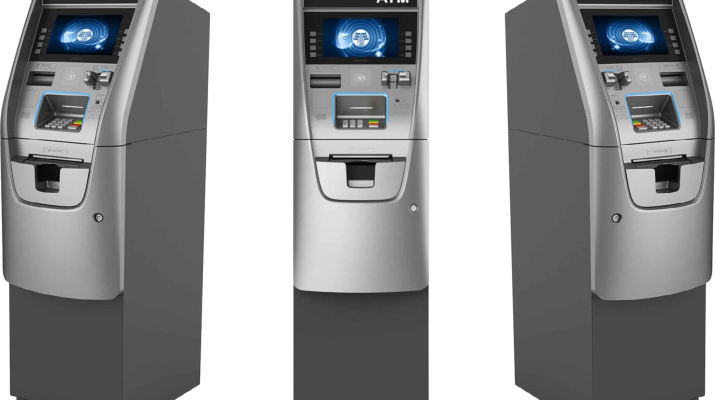
In today’s evolving financial landscape, the ATM machines business offers an exciting opportunity for aspiring entrepreneurs. With the anticipated valuation of the global ATM market reaching approximately $27 billion by 2027 and a robust compound annual growth rate (CAGR) of around 6.5%, this sector is ripe for investment. The ATM business not only provides a steady passive income through various revenue streams, like transaction fees, but also presents unique strategies for maximizing profits and efficiency. Understanding the key market trends and adopting effective ATM business strategies will enhance your potential for success in this lucrative industry. This article aims to delve into the mechanics of the ATM machine business, offering insights into profitability, market dynamics, and successful operational tactics, to help you navigate this promising field effectively.
The realm of automated teller machines (ATMs) is rapidly becoming a focal point for investors keen on capturing the burgeoning demand for accessible cash withdrawal options. As the landscape of electronic banking continues to shift, many are turning to the ATM sector to tap into a stream of passive revenue. Engaging in this niche market not only opens avenues for earning through transaction surcharges but also reveals avenues for innovators looking to diversify services beyond traditional banking transactions. By staying informed about current ATM market trends, potential business owners can leverage emerging technologies and strategies that ensure sustained growth in this competitive space. This introduction highlights how the automated cash distribution industry aligns with evolving consumer expectations and presents profitable investment opportunities.
Applying for a merchant account is a crucial step for businesses wanting to accept credit and debit card payments. To begin, you’ll need to research various merchant service providers to find the one that best fits your business needs. Look for providers that offer competitive rates, great customer service, and features that align with your industry requirements. Once you’ve selected a provider, you can usually apply online by filling out an application form that requests essential information about your business, such as its legal structure, average monthly sales, and bank account details where funds will be deposited.
After submitting your application, the merchant service provider will review your information and may require additional documentation, like business licenses or financial statements, to verify your business legitimacy. This process can take anywhere from a few hours to several days, depending on the provider and the complexity of your application. Once approved, you will receive the necessary tools and resources to start accepting payments, including a payment gateway and a point-of-sale system. For further guidance and to get started on your application, visit reputable payment processing websites that offer insights and resources to streamline the process.
Exploring the Lucrative Profits from ATM Machines
Investing in ATM machines holds the promise of substantial profits, primarily driven by transaction fees and surcharges. Owners often charge customers a fee of $2 to $5 per withdrawal, and with each transaction accumulating over peak hours, monthly profits can skyrocket. Furthermore, these earnings can be significantly enhanced through strategic placement of machines in high-traffic locations, like shopping centers or entertainment venues. The more foot traffic an ATM sees, the higher the transaction volume, thereby increasing revenue for the owners.
In addition to transaction fees, ATM business owners can benefit from interchange fees. Each time a customer withdraws cash, the ATM owner receives a fee from the cardholder’s bank, contributing further to the bottom line. This diverse portfolio of income streams helps mitigate risks associated with fluctuating transactions, ultimately ensuring a more stable income for operators. As the demand for convenient cash access continues to rise, so too does the profitability potential in the ATM market.
Effective Strategies for Maximizing ATM Business Revenue
To unlock the full potential of ATM machines, operators should consider several critical strategies. Location selection emerges as a foundational element for success; the ideal site should be bustling with people and not overcrowded with competing ATMs. By strategically placing machines near busy retail areas or high-density residential neighborhoods, ATM owners can secure a higher transaction volume. Additionally, understanding local demographics and foot traffic patterns can provide a competitive advantage in revenue generation.
Beyond location, enhancing the services available at ATMs can attract more customers. Integrating features such as bill payments, mobile deposits, or even cryptocurrency transactions could significantly increase daily usage. This diversification not only caters to changing consumer preferences but also establishes the ATM as a vital financial hub in the community, encouraging repeat visits and driving higher revenue streams.
Understanding Current Trends Shaping the ATM Industry
The ATM business is not static; it is continuously evolving in response to changing consumer preferences and technological advancements. One of the most notable trends today is the emergence of Bitcoin ATMs, which allow customers to buy and sell cryptocurrencies conveniently. This innovation caters to the increasing number of tech-savvy consumers seeking quick and secure ways to engage in digital currency transactions. As this trend grows, entering the Bitcoin ATM segment can open new revenue opportunities for investors and operators alike.
Furthermore, the incorporation of technology into ATM services is reshaping the customer experience. Features such as mobile app integration and contactless payment options are becoming increasingly popular, providing users with more flexible and convenient means to access their cash. Understanding these trends not only enables ATM operators to stay competitive but also positions them to capitalize on future market shifts, ensuring continuous growth and profitability in the long run.
Navigating Challenges and Compliance in the ATM Business
While the ATM machine business can be lucrative, operators must navigate regulatory challenges and compliance requirements to succeed. Familiarizing oneself with regulations like the Americans with Disabilities Act (ADA) is essential to ensuring that ATMs are accessible to all users. Compliance not only mitigates legal risks but also fosters trust among customers, enhancing the overall reputation of the ATM business.
In addition to accessibility regulations, understanding local laws related to financial transactions is critical. Each state may have specific rules governing ATM operations, including licensing, transaction reporting, and taxation. By proactively addressing these legalities, ATM owners can avoid costly penalties and maintain smooth operations, ensuring long-term success in the competitive ATM landscape.
| Key Points | Details |
|---|---|
| Market Growth | Global ATM market projected to reach $27 billion by 2027, with a CAGR of 6.5%. |
| Revenue Streams | Includes transaction fees, surcharges, and interchange fees, with earnings ranging from $300 to $3,000 per month based on location. |
| Cost Considerations | Initial investment for an ATM ranges from $2,000 to $8,000 with ongoing maintenance and supply costs to consider. |
| Success Strategies | High-traffic location selection, regulatory compliance, service diversification, and regular maintenance are key to maximizing profits. |
| Emerging Trends | Integration of Bitcoin ATMs and technological advancements such as contactless payments and mobile app integration. |
Summary
The ATM machines business is a prime opportunity for entrepreneurs seeking to generate substantial passive income. As cash transactions remain relevant amidst a technologically shifting financial landscape, understanding essential strategies like location selection and service diversification can unlock significant profit potential. With the market expanding, savvy investors can find lucrative positions through careful planning and by staying ahead of emerging trends within the industry. By leveraging the steady demand for convenient banking solutions, the ATM machines business stands poised for growth and profitability.
The ATM machines business is gaining remarkable traction as a lucrative opportunity for savvy investors. With the global market for automated teller machines expected to soar towards $27 billion by 2027, tapping into this thriving sector can yield substantial profits. Entrepreneurs can reap financial rewards by employing strategic practices that enhance operational efficiency and customer engagement. As cash dependency remains prevalent, especially in urban settings, understanding ATM business strategies is essential for maximizing returns. This article will explore key insights into the ATM market trends, profitability prospects, and valuable tips for effectively investing in ATMs.
The world of automated teller machine operations presents a unique avenue for generating passive income, powered by the steady demand for convenient banking solutions. Embracing cash-centric services, such as transaction fees and surcharges, can significantly elevate earnings for entrepreneurs in the industry. In light of the increasing consumer preference for easy access to cash, the realm of machine banking is rich with potential for profit-making. This comprehensive overview will highlight best practices and emerging trends for sustained success in this dynamic market. Revealing insights on the necessary capital investments and strategic locations will further equip aspiring operators for their ATM ventures.
Frequently Asked Questions
What are the primary revenue streams for an ATM machine business?
The ATM machine business generates profits mainly through transaction fees, surcharges, and interchange fees. Operators typically charge customers a withdrawal fee ranging from $2 to $5, which can accumulate substantially with high transaction volumes. Additionally, surcharges can provide extra income, especially in areas with a high demand for cash. Interchange fees from cardholder banks further enhance profitability, making these revenue streams crucial for financial success in the ATM business.
How can I maximize profits from my ATM business?
Maximizing profits from your ATM business revolves around strategic location selection, understanding local demand, and effectively managing costs. Choose high-traffic areas, such as malls or gas stations, to ensure a steady flow of customers. Additionally, diversifying services offered at your ATMs, such as bill payments or cryptocurrency transactions, can attract more users and increase transaction volume, thereby boosting overall profits.
What should I consider when investing in ATMs for my business?
When investing in ATMs, consider factors such as initial costs, location, and ongoing maintenance expenses. An ATM can cost between $2,000 and $8,000, depending on its features and capabilities. Ensure that the selected locations have sufficient foot traffic and are not oversaturated with competing ATMs. Ongoing costs like cash replenishment, maintenance, and transaction processing fees are also critical to budget for, as they directly influence your profitability in the ATM business.
What are some emerging trends in the ATM market?
Emerging trends in the ATM market include the rise of Bitcoin ATMs, which cater to the growing popularity of cryptocurrencies, allowing users to buy and sell digital currencies. Additionally, technological integration is transforming the ATM landscape with features like contactless payments and mobile app connectivity. These trends highlight the need for ATM operators to stay updated on consumer preferences and technological advancements to remain competitive in the evolving ATM business.
The ATM business has emerged as a lucrative venture for entrepreneurs and investors alike. With the increasing dependence on cash transactions in many sectors, ATMs serve as a vital service for consumers, allowing easy access to funds at their convenience. The setup costs of an ATM can vary widely, influenced by factors such as location, maintenance, and transaction fees. Many business owners are finding that strategically placing ATMs in high-traffic areas can lead to substantial profits, not only from surcharge fees but also from partnerships with local businesses.
To maximize profits from ATMs, savvy business owners employ a variety of strategies. One common method is to negotiate lower transaction fees with banks or become independent ATM operators, allowing them to set their own fees. Additionally, offering services beyond cash withdrawal—such as deposits or bill payments—can attract more users and thus increase transaction volume. Forming partnerships with nearby retail establishments can also incentivize customers to use the ATM, enhancing its profitability.
Investing in ATMs can provide a stable return on investment if approached strategically. Investors should conduct thorough market research to identify optimal locations, such as busy shopping areas, nightlife districts, or tourist attractions, where cash transactions are frequent. Furthermore, staying informed about technological advancements, such as contactless transactions and digital wallets, allows investors to adapt and potentially expand their service offerings, ensuring that their ATMs remain relevant in a rapidly changing financial landscape.
Understanding current market trends in the ATM industry is crucial for both new and seasoned investors. The global trend leans towards increased cashless transactions; however, cash is still king in many regions. This duality creates a unique opportunity as many individuals prefer the security and simplicity of cash. Moreover, advancements in ATM technology—like enhanced security features and integrated mobile payment options—are shaping the future of ATM services and can significantly impact profitability.
Overall, the ATM business continues to hold promise for those willing to innovate and adapt to changing consumer behaviors. By grasping the financial potential and applying sound business strategies, investors can thrive in this competitive landscape. Key to success lies in understanding market dynamics, optimizing locations, and embracing new technologies that cater to customer preferences, which ultimately drives profitability.
The ATM machine business represents a unique intersection of convenience and profitability, particularly in urban settings where the demand for cash remains robust. Entrepreneurs venturing into this field can expect to capitalize on both transaction fees and surcharges, which can significantly amplify their earnings. By strategically selecting high-traffic locations such as shopping centers, gas stations, and busy urban streets, ATM operators can maximize foot traffic and, consequently, transaction volume. With efficient management and by staying attuned to market trends, such as the integration of digital payment solutions and cryptocurrency, business owners can ensure their ATMs remain competitive and appealing to a broader customer base.
To thrive in the ATM machine business, adopting best practices in operational management is essential. Regular maintenance of ATMs ensures machines are functional, stocked with cash, and compliant with regulations, thereby reducing downtime and potential losses. Additionally, understanding and navigating local regulations can prevent costly legal complications and enhance customer trust. Entrepreneurs should also be open to diversifying services beyond cash withdrawals, by considering features like mobile payments or cryptocurrency transactions, which cater to the evolving preferences of a tech-savvy populace. This proactive approach not only captures a larger market share but also promotes a steady stream of income through varied revenue channels.
The landscape of the ATM business is constantly changing, influenced by technology and shifting consumer habits. The surge in digital currency acceptance, exemplified by the rise of Bitcoin ATMs, demonstrates the need for operators to be adaptable and innovative. Moreover, the integration of advanced technologies such as contactless payment options and personalized mobile app experiences enhances customer interaction with ATMs, making them more attractive in a competitive market. By remaining vigilant regarding these emerging trends and incorporating them effectively into their business strategies, ATM operators can not only increase their profitability but also ensure their relevance in the rapidly evolving financial ecosystem.
In focusing on long-term success within the ATM business, it is crucial to create a comprehensive business plan that caters to market demands and anticipates future developments. Regularly analyzing performance metrics, building relationships with local businesses for partnership opportunities, and continuously monitoring competitive landscapes can provide valuable insights for strategic adjustments. Combining these proactive measures with a clear understanding of the financial and operational aspects of running an ATM business allows operators to not only maintain profitability but also discover new avenues for growth as the industry evolves.
As the world becomes increasingly digital while cash still plays a vital role in everyday transactions, the ATM machine business stands poised for enduring relevance and profitability. Entrepreneurs courageous enough to venture into this landscape, armed with insights and a responsiveness to market dynamics, are likely to find a rewarding niche in which they can thrive. By focusing on strategic placement, excellent customer service, and innovation, those entering this market can unlock significant potential—transforming simple machines into powerful sources of passive income.
