
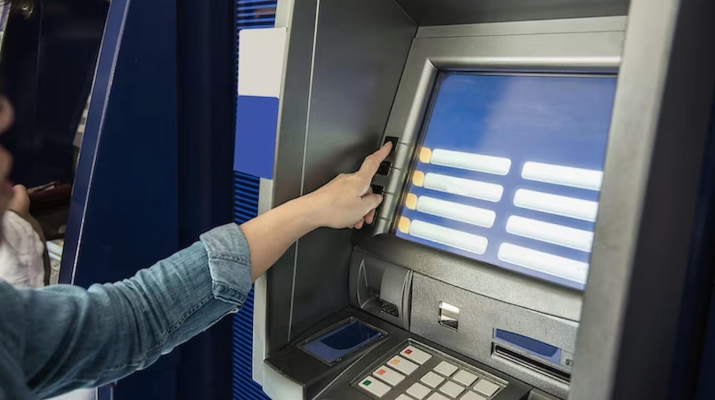
Investing in ATM machines is an emerging opportunity for savvy entrepreneurs looking for reliable passive income streams. This venture can yield significant returns while enjoying low maintenance, making it a wise choice amidst the growing need for convenient cash access. With ATM revenue generation primarily driven by transaction fees, strategic placement of machines becomes crucial in maximizing profitability. Scouting the best location for ATM machines ensures a steady flow of customers, tapping into high traffic areas where cash usage remains essential. As financial opportunities with ATMs continue to expand, becoming adept in this market could be a game-changer for those ready to enter the ATM business investment arena.
Diving into the world of automated teller machines (ATMs) presents a unique avenue for business enthusiasts eager to maximize financial gains with minimal oversight. The cash dispensing industry, particularly focused on ATM machine ownership, is gaining traction as a viable strategy for wealth creation. Such investments allow individuals to harness revenue from user transactions while fulfilling the ongoing demand for cash within various communities. As technology evolves and cash utilization persists, the opportunities surrounding ATM operations become ever more promising, inviting new investors to explore this lucrative market.
Applying for a merchant account is a crucial step for any business looking to accept credit card payments and other forms of electronic transactions. To start, you’ll need to research and select a suitable payment processor that aligns with your business needs. This can vary based on factors like transaction volume, type of business, and acceptable payment methods. Once you’ve chosen a provider, visit their website to fill out the application form, which typically requires details about your business, such as its legal structure, financial history, and likely sales volume. Be prepared to submit supporting documents, which may include business licenses, bank statements, and tax information to verify your business’s legitimacy and creditworthiness.
After submitting your application, the payment processor will conduct a thorough review, which usually involves a background check. Depending on the provider, this process can take anywhere from a few hours to several days. If approved, you will receive your merchant account information, including settings for payment processing integration with your point-of-sale system and e-commerce website. If you need further assistance or guidance, don’t hesitate to reach out to the customer support team of your chosen payment processor, who can provide valuable insights to ensure smooth implementation of your merchant services.
The Financial Commitment of Investing in ATM Machines
Investing in ATM machines is not merely about purchasing the machine itself; it requires a clear understanding of the entire financial commitment involved. The initial investment for an ATM generally ranges from **$2,000 to $8,000**, with variations depending on the specific model and its features. Beyond the purchase price, investors must factor in installation fees, ongoing maintenance, and cash replenishing costs. These expenses can accumulate and significantly influence the overall profitability of the ATM business.
Moreover, operational costs, such as transaction processing fees, can affect your profit margins. Understanding these aspects is crucial for anyone considering entering the ATM business. Potential investors should carry out comprehensive market analysis and budget planning to ensure that they are prepared for these financial obligations, thereby securing their investment while anticipating positive cash flow from their ATM placements.
Unlocking Revenue Generation with ATM Machines
The revenue generation potential of ATM machines is a major draw for investors exploring the ATM business investment landscape. Main income streams arise chiefly from transaction fees, which can range from **$2 to $5 per withdrawal**. Depending on strategic placement and foot traffic, a well-situated ATM could record anywhere between **300 to 600 transactions monthly**. This performance translates to a significant monthly income, potentially reaching **$3,000**, showcasing the lucrative nature of these machines.
To maximize revenue generation, investors must accurately assess the transactional data and predict traffic patterns at their chosen location. Factors such as community needs for cash access and prevailing demographic trends should be considered. Moreover, a commitment to consistent and strategic marketing efforts can further enhance usage rates, providing an invaluable edge for maximizing ATM profitability.
Strategic Location for Optimal ATM Placement
The importance of location cannot be overstated when it comes to investing in ATM machines. Selecting the right venue can make or break an ATM’s performance and overall profitability. Ideal spots are characterized by high foot traffic areas, such as **bars, restaurants, shopping centers**, and other establishments where customers might find themselves needing cash. In these environments, frequented by people who may not be carrying cash, ATMs are ideally placed to attract users, driving both transaction volume and revenue.
Investors should conduct extensive research into potential location sites, considering factors like competitive saturation and demographic profiles of the area. Additionally, offering ATMs in locations that cater to specific types of customers—such as near rural areas where banking options are limited—can create a steady stream of visitors. Understanding the local market is crucial, as it allows investors to tap into underserved communities and maximize the cash access potential that their ATMs offer.
Exploring Financial Opportunities with ATMs
Beyond immediate income generation, investing in ATM machines opens doors to numerous financial opportunities for savvy entrepreneurs. As the demand for cash access continues to persist, particularly among specific demographics, ATMs provide a reliable avenue for passive income generation. Investors who seize this opportunity can benefit not only from transaction fees but also from potential partnerships with local businesses that are willing to share costs or profit.
The ATM industry is continually evolving, with technological advancements enhancing the traditional ATM model. Embracing innovations such as mobile access and cryptocurrency withdrawals can attract a wider customer base, broadening profit potential. As these financial technologies become more mainstream, proactive investors can position their ATM businesses favorably in the market, ensuring that they are capturing all available revenue streams while meeting the changing needs of consumers.
| Key Points | Details |
|---|---|
| Initial Investment and Costs | Typically ranges from $2,000 to $8,000, plus installation and transaction processing fees. |
| Revenue Generation | Transaction fees range from $2 to $5. A well-placed ATM can earn between $600 to $3,000 monthly depending on foot traffic and transaction volume. |
| Location Importance | Best locations include shopping centers, bars, events, gas stations, and hotels due to high foot traffic. |
| Demand for Cash Access | Strong demand from demographics preferring cash and businesses avoiding credit fees supports ATM usage. |
| Recent Developments | Regulatory changes and technological advancements like contactless transactions can impact operations and attract a modern user base. |
| Market Outlook | The ATM market is expected to grow as businesses strive to enhance customer service and adapt to consumer cash preferences. |
Summary
Investing in ATM machines presents a compelling opportunity for entrepreneurs looking to generate passive income. As demand for cash access remains robust, especially among certain demographics and in high-traffic areas, the potential for profitability is significant. Strategic placement of ATMs can enhance revenue generation, particularly in locations where customers are likely to need cash. Additionally, staying informed about the latest technological advancements and regulatory changes is crucial for maximizing returns. This investment avenue not only offers a solid revenue stream but also aligns with ongoing consumer trends favoring cash transactions, making it a wise consideration for those entering the investment landscape.
Investing in ATM machines is emerging as a lucrative business opportunity for savvy entrepreneurs looking to tap into the demand for cash access. As traditional banking methods evolve, the need for convenient ATM services remains vital, offering aspiring business owners a chance to generate a reliable stream of income. This venture allows individuals to benefit from ATM revenue generation with relatively low ongoing maintenance requirements. By carefully selecting the right location for ATM machines, investors can significantly enhance their profitability and market presence. In the following sections, we will explore financial opportunities with ATMs, the costs involved, and essential strategies for success in this rewarding sector.
Engaging in the ATM business can be a transformative financial path for those willing to explore the realm of automated cash machines. This type of enterprise not only grants the advantage of consistent revenue from transaction fees but also presents a unique investment opportunity in the cash access market. With the right strategic placements and understanding of local consumer patterns, investors can significantly boost their revenue potential. Additionally, the growing reliance on cash transactions across various demographics underscores the appeal of entering this field. In this discussion, we will delve into the essentials of starting an ATM business, including the economic benefits, management strategies, and market insights that can lead to enduring financial success.
Frequently Asked Questions
What are the financial opportunities with investing in ATM machines?
Investing in ATM machines offers numerous financial opportunities, primarily through transaction fees. ATM owners typically earn anywhere from $600 to $3,000 a month, depending on the location’s foot traffic and the fees charged (usually between $2 and $5 per transaction). By strategically placing ATMs in high-traffic areas, investors can maximize their revenue generation potential.
How important is location for ATM machines in the investment process?
Location is crucial when investing in ATM machines. The profitability of each machine depends significantly on where it is placed. Ideal locations often include shopping centers, bars, restaurants, and event venues, where there is a higher likelihood of cash usage. Investing time in researching the best locations can substantially influence your ATM business investment returns.
What costs should I anticipate when investing in ATM machines?
When considering investing in ATM machines, be prepared for various costs. The initial purchase price typically ranges from $2,000 to $8,000, and additional expenses may include installation fees, cash loading, and transaction processing fees. Understanding these costs upfront is essential for assessing the overall profitability of your ATM business investment.
How does cash access demand affect the ATM investment market?
The demand for cash access significantly influences the ATM investment market. Despite digital payment trends, many individuals prefer cash transactions, particularly in certain demographics. This ongoing need for cash ensures a reliable revenue stream for ATM operators. Consequently, investing in ATM machines can be an attractive option for those seeking to capitalize on continuous financial opportunities.
Investing in an ATM business can be a lucrative venture for entrepreneurs looking to tap into the lucrative cash access market. With the increasing reliance on cash transactions in various sectors, owning and operating ATMs enables investors to generate consistent revenue streams while meeting the demand for cash accessibility. Beyond just a business investment, becoming an ATM operator allows one to contribute to the convenience of consumers, making cash withdrawal readily available in various locations.
ATM revenue generation primarily comes from transaction fees, which can accumulate quickly depending on the volume of users at a particular location. Each time a customer withdraws cash or checks their balance, the ATM owner earns a fee, making busier locations particularly profitable. Factors influencing revenue also include the fees charged to users, which can vary based on market competition and pricing strategy. Moreover, targeting high-traffic areas such as shopping centers, tourist attractions, or busy streets can significantly enhance an ATM’s earning potential, leading to a sustainable business model.
Choosing the right location for ATM machines is crucial to maximizing profits. When considering placement, factors such as foot traffic, visibility, security, and competition must all be analyzed. High-traffic areas like shopping malls, event venues, and gas stations often provide optimal conditions for ATM deployment, as they attract a wide audience that frequently requires cash. Additionally, negotiating agreements with local businesses for ATM placements can create a win-win situation, offering the business an extra service for customers while providing the ATM owner with location premiums and shared revenue.
The financial opportunities with ATMs extend beyond mere transaction fees. Investors can also explore partnerships with banks and financial institutions, diversifying revenue models through advertising and promotional services. Additionally, advanced ATMs equipped with features such as cryptocurrency exchanges or digital payment options can appeal to tech-savvy customers, thus widening the revenue base. The scalability of an ATM business also presents a significant advantage, allowing owners to expand their networks into multiple locations, enhancing their market reach and financial returns.
Investing in ATM machines presents a lucrative opportunity for those looking to establish a source of passive income. The initial investment, while significant, can often be offset by the steady revenue generated through transaction fees. Understanding the financial landscape is essential; besides the purchase price of the ATM, which ranges from $2,000 to $8,000, investors must prepare for installation and cash loading costs. Furthermore, it’s important to account for transaction processing fees, as these can directly impact the bottom line. Therefore, a thorough analysis of these costs is a vital step in the investment process.
Revenue generation is a crucial aspect of ATM profitability. ATM owners typically earn income from transaction fees paid by users, which range from $2 to $5 per transaction. With foot traffic numbers, a well-situated ATM can easily perform between 300 and 600 transactions monthly, leading to potential monthly earnings of $600 to $3,000. This highlights the importance of conducting a foot traffic analysis in potential locations to maximize earnings. Understanding your market and predicting transaction volumes can significantly enrich the investment’s returns.
The significance of location cannot be underestimated when investing in ATMs. The most successful ATMs are placed in high-traffic areas where there’s a consistent demand for cash—these include shopping centers, bars, restaurants, gas stations, and hotels. Strategic placement not only ensures that the ATM is frequently used but also enhances visibility. Investing time in researching and identifying the best locations is imperative to capitalize on their potential and ensure that the machine is a go-to option for consumers in those areas.
Despite the growth of digital payment systems, the demand for cash continues to thrive. Many individuals, especially in certain demographics like the elderly or rural populations, prefer cash over credit transactions. Additionally, merchants often favor cash payments to avoid the fees associated with credit card processing. This unwavering demand ensures that ATM operators have a reliable revenue stream, making the business model appealing in the current financial landscape.
Staying informed about recent developments in the ATM industry is crucial for savvy investors. Regulatory changes can introduce new compliance costs or create opportunities for innovation. Technological advancements, particularly those allowing contactless transactions or cryptocurrency withdrawals, are changing the way consumers interact with ATMs. Investors who embrace technology and adapt to emerging trends can capture a broader customer base and enhance their revenue potentials. With projections indicating growth in the ATM market, those prepared to innovate will find themselves at a distinct advantage.
