
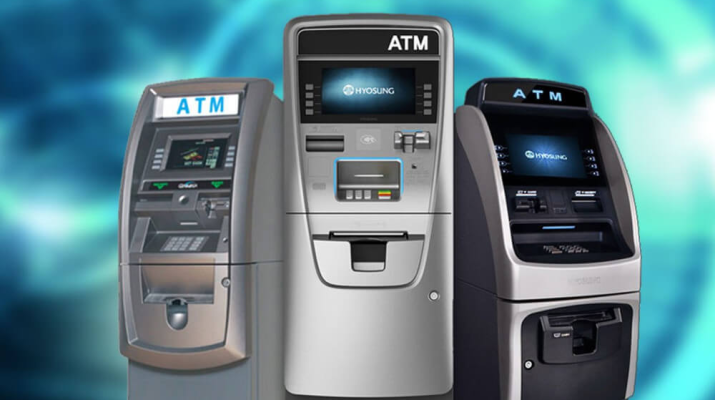
ATM machines are no longer just a convenience; they are becoming a vital asset for businesses looking to boost their revenue and customer satisfaction. By offering quick cash access, ATMs help cater to the growing demand for financial services in today’s fast-paced world. Entrepreneurs, particularly in the small business sector, are increasingly exploring options to invest in ATMs as a strategic move to enhance their service offerings and attract more foot traffic. With various types of ATMs available—ranging from traditional models to advanced, smart ATMs—there’s an option to suit every business’s needs. This article will uncover effective ATM investment strategies, highlight different types of ATMs to consider, and guide you through the process of buying ATMs for your business.
Automated Teller Machines, often referred to as cash dispensers or bank terminals, are essential tools for modern commerce. These electronic kiosks allow users to withdraw cash, check account balances, and make deposits, significantly enhancing financial accessibility. As small businesses increasingly recognize the benefits of having these devices on-site, investing in cash machines has emerged as a viable strategy for driving sales and improving customer experience. The market is filled with a variety of cash dispensers, each designed to meet different operational needs, making it imperative for business owners to understand the available options. In this exploration, we will discuss the merits of ATM ownership and provide insights into choosing the best types of machines to complement your business model.
Applying for a merchant account involves several key steps that ensure your business can accept credit and debit card payments securely and effectively. First, you should gather essential business information, including your legal business name, your Employer Identification Number (EIN), and a detailed overview of your business operations, such as the types of products or services you sell. Additionally, prepare financial documents like bank statements and credit history, which may be required by the merchant service provider to assess your risk level. Next, research various merchant account providers to compare fees, services, and contract terms, ensuring you choose one that best fits your business needs.
Once you have selected a provider, complete their application process, which may include submitting your business information and financial documents electronically. Be prepared for a brief underwriting process, where the provider will evaluate your application to determine your eligibility for the account. This may take anywhere from a few hours to a few days. After approval, you will receive your merchant account details along with instructions on how to integrate payment processing into your sales channels, be it in-store, online, or mobile. For further assistance and resources on applying for a merchant account, consider visiting [Merchant Account 101](https://www.merchantaccount101.com) for expert advice and guidance tailored to your business.
Understanding the Financial Benefits of ATM Machines
Investing in ATM machines can be more than just a cash withdrawal point; it can be a lucrative investment opportunity for many businesses. The passive income generated through transaction fees is a significant allure for entrepreneurs considering adding an ATM to their business. On average, each transaction fee can range from $1 to $3, leading to substantial monthly earnings that can contribute uniquely to a small business’s overall revenue. The financial boost is especially evident in locations where cash is still king, and consumers frequently seek immediate access to funds.
Additionally, deploying ATM machines ensures that businesses can provide a seamless customer experience. By offering cash access on-site, businesses not only enhance convenience for clients but also attract a broader clientele, especially in high-traffic areas or during events. The presence of an ATM can significantly increase foot traffic, resulting in more potential sales and customer loyalty, which is essential for the sustainability and growth of small enterprises.
Exploring Different Types of ATMs for Your Business
When considering an investment in ATMs, it’s important to explore the variety of machines available tailored to distinct business needs. Traditional ATMs remain a popular choice for their reliability, offering standard withdrawal functionalities that serve a wide customer base. However, for businesses looking to enhance their service offering, smart ATMs represent the future of cash accessibility. With added features like bill payments and mobile deposit capabilities, they not just attract more users but encourage the use of services that may lead to higher transaction volumes.
For events or businesses that experience fluctuating foot traffic, mobile ATMs can serve as an excellent alternative. These portable units can be deployed to various locations for specific events, enabling businesses to maximize cash accessibility without the long-term commitment of permanent installations. Businesses should assess their customer base and the nature of their operations before selecting the type of ATM, ensuring that the investment aligns with their overall engagement strategy.
Key Considerations Before Buying an ATM
Before deciding to buy an ATM for your business, understanding the financial implications is paramount. The upfront costs can vary significantly, ranging anywhere from $3,000 to over $8,000, depending on the model and technology features. This initial investment needs to be evaluated against potential earnings from transaction fees to ascertain a feasible return on investment. Moreover, ongoing operational costs, including cash replenishment and machine maintenance, should be factored into your financial projections.
Furthermore, establishing a solid ATM investment strategy which factors in location and target audience is crucial. High-traffic areas or venues where cash usage is prevalent are prime spots to maximize transaction quantities. By considering both the costs and anticipated income from an ATM, businesses can methodically pave the way toward a new revenue stream that enhances financial stability and customer satisfaction.
Regulatory Guidelines for ATM Operations
Navigating the regulatory landscape is a critical component of successfully operating an ATM. Businesses must prioritize compliance with both local and federal regulations governing ATM operations. One significant regulation is adherence to the Americans with Disabilities Act (ADA), ensuring that all customers, including those with disabilities, have ease of access to the ATM. Meeting these standards not only reinforces customer inclusivity but also mitigates legal risks that could arise from non-compliance.
Additionally, it’s vital for ATM operators to comply with data security protocols outlined by the PCI Security Standards Council. This ensures protection against data breaches and fraudulent activity, safeguarding both the business and its customers. Maintaining robust security measures will not only build trust among ATM users but can also enhance your business’s reputation, paving the way for a mutually beneficial relationship with customers.
| Key Points | Description |
|---|---|
| Rising Popularity of ATMs | The demand for ATMs has increased, especially among SMEs, providing convenience and generating passive income through transaction fees. |
| Types of ATMs | 1. **Traditional ATMs**: Basic cash withdrawal functions, high operational costs. 2. **Smart ATMs**: Advanced services (bill payments, mobile deposits) lead to increased customer traffic. 3. **Mobile ATMs**: Portable, suitable for events, offering flexibility in placement. |
| Investment Considerations | Consider upfront costs ($3,000 – $8,000+), recurring maintenance, and potential income from transaction fees ($1-$3 per transaction). |
| Regulatory Considerations | Ensure compliance with regulations such as ADA and data security standards for customer protection. |
| Recommended Suppliers | Identify reliable manufacturers like Nautilus Hyosung and Diebold Nixdorf, or local providers for better maintenance support. |
Summary
ATM Machines are becoming increasingly vital for businesses looking to enhance cash accessibility and boost profitability. With the growing reliance on cash transactions and the need for convenient banking options, incorporating ATMs can yield substantial financial benefits. These machines not only serve as a means for customers to access funds but also represent a strategic investment opportunity in various market contexts. By understanding different ATM types, weighing investment factors, and complying with regulatory standards, businesses can create a robust framework for successful ATM deployment, leading to increased customer satisfaction and sustained income growth.
In the modern financial arena, ATM machines play a crucial role in enhancing customer convenience and generating revenue streams for business owners. Their presence is becoming increasingly vital as consumers demand cash access in both bustling urban centers and quieter neighborhoods. By investing in ATMs, businesses can bolster their competitiveness while catering to the cash-dependent customers who frequent their establishments. Moreover, exploring various types of ATMs suited for specific business needs allows owners to maximize their investment potential. In this guide, we will discuss effective strategies for acquiring ATM machines and the financial benefits they can provide to small businesses.
Automated Teller Machines are more than just cash dispensers; they represent a significant investment opportunity in today’s economy. These electronic cash machines serve various purposes beyond withdrawals, making them attractive for small business owners aiming to diversify their income sources. By integrating ATMs into their operations, businesses can enhance customer satisfaction and drive foot traffic, establishing a competitive advantage in the market. Furthermore, understanding the different varieties of ATM technology enables entrepreneurs to align their investment strategy with their customer needs and operational goals. This exploration will shed light on how investing in these financial solutions can yield profitable returns and elevate customer service.
Frequently Asked Questions
What should I consider when deciding to buy ATMs for my business?
When deciding to buy ATMs for your business, consider factors such as upfront costs, which can range from $3,000 to $8,000, maintenance and operational expenses, and the potential income from transaction fees (typically between $1 and $3 per withdrawal). Additionally, evaluate the type of ATM that best suits your customer demographic and location.
How can investing in ATMs benefit small businesses?
Investing in ATMs can significantly benefit small businesses by providing a steady stream of passive income through transaction fees. Properly placed ATMs attract customers seeking convenient cash access, especially in areas where traditional banking is limited. This not only enhances customer service but also drives additional foot traffic.
What types of ATMs should I consider for my business?
When considering ATMs for your business, evaluate different types like traditional ATMs for basic cash withdrawal, smart ATMs that offer advanced services such as bill payments and cryptocurrency transactions, and mobile ATMs for events and temporary placements. Each type serves different needs and can impact customer engagement.
What regulations should I be aware of when investing in ATMs?
When investing in ATMs, be aware of regulations including ADA compliance for accessibility, and data security compliance under the PCI Security Standards Council. These regulations ensure that your ATM operations are lawful, ethical, and secure for all customers, thus avoiding potential fines and legal issues.
Buying ATMs for a business can be a strategic move, particularly for entrepreneurs looking to enhance cash accessibility for their customers. When acquiring ATMs, it’s essential to consider the location and foot traffic; high-traffic areas such as shopping malls, convenience stores, and gas stations can yield the highest transaction rates. Additionally, businesses must assess the associated costs, including ATM purchase price, monthly maintenance fees, and cash replenishment services. By investing in ATMs, businesses not only provide convenience but can also generate additional revenue through transaction fees.
Investing in ATMs has become an attractive option for many investors seeking to diversify their portfolios. This investment can yield consistent passive income, as ATM owners earn from transaction fees charged to users. Typically, these fees can range from $2 to $3 per transaction, depending on the location and market demand. Investors should perform thorough due diligence, including understanding the legalities, compliance requirements, and potential risks associated with ATM ownership. Additionally, evaluating the longevity and reliability of ATM brands can significantly impact the return on investment.
There are several types of ATMs available on the market, each designed for different needs and environments. The most common types include cash dispensers, which simply provide cash withdrawals, and full-service ATMs that offer additional functionalities such as bill payments and account deposits. Some ATMs are stand-alone models while others can be integrated into existing retail spaces. Mobile ATMs are also gaining popularity for events or temporary locations, allowing business owners to bring cash accessibility directly to their customers. Understanding the various types of ATMs is vital for selecting the right option for your business.
ATMs can be particularly beneficial for small businesses looking for additional revenue streams while enhancing customer service. By installing an ATM on-site, small business owners can eliminate the need for customers to leave their premises in search of a cash machine. This not only boosts foot traffic but also encourages impulse purchases. Small businesses can negotiate favorable terms with ATM providers, making the investment manageable and potentially lucrative. With careful planning and execution, introducing an ATM can transform the financial dynamics of a small business.
An ATM investment strategy involves careful planning and execution to maximize profits while mitigating risks. Investors need to identify prime locations, assess market demand, and analyze the competitive landscape to determine where their ATMs will be most effective. It is also essential to calculate operational costs, including maintenance, cash management, and transaction processing fees. Educating oneself on local regulations and ensuring compliance can help prevent potential legal issues. Overall, a well-thought-out ATM investment strategy, focusing on location and operational efficiency, can lead to a successful and flourishing ATM business.
In the current digital age, where cashless transactions are increasing, the importance of ATMs remains considerable. Surprisingly, many consumers still prefer cash for numerous everyday transactions, from dining to local markets. Integrating an ATM into your business not only provides convenience but also establishes your enterprise as a reliable financial service point in your community. For instance, during peak tourist seasons, businesses with ATMs can capture more foot traffic as tourists need quick access to cash for their purchases, enhancing both customer satisfaction and revenue growth.
Understanding the landscape of ATM technology is crucial for any business owner considering this investment. Traditional ATMs serve as the foundation, but the move towards smart ATMs offers compelling reasons to consider these as a primary option. Smart ATMs not only facilitate cash withdrawals but also enhance user experience through additional features like touch screen interfaces, customized advertisements, and the ability to deposit cash or checks. This multifaceted approach not only increases the functionality of the ATM but can attract a broader range of customers, offering opportunities for additional transactions that directly benefit your bottom line.
Moreover, when choosing the right ATM for your business, one must also recognize the variety of models available. Mobile ATMs, for instance, provide a unique opportunity for businesses that host events or are situated in temporary locations. These machines can be strategically placed to optimize usage, allowing for heightened convenience during peak activity periods. Consequently, the flexibility of mobile ATMs can significantly increase your earning potential, particularly in high-demand situations such as festivals or large community gatherings where access to cash might be limited.
Regulatory compliance plays a pivotal role in operating ATMs effectively and ethically. From ensuring ADA compliance to protecting against data breaches, understanding these regulations is non-negotiable for safeguarding your business and your customers. Furthermore, investing in systems that not only comply with laws but also assure customers of their security can enhance your business reputation. Providing a reliable, secure ATM experience will encourage return usage and foster a loyal customer base, as people often choose establishments that prioritize their safety and accessibility.
In summary, the financial viability of investing in ATMs cannot be overstated. As cash transactions remain a significant preference for many consumers, businesses equipped with ATMs can cater to this demand while simultaneously creating additional revenue streams. By evaluating the diverse types of ATMs available, considering the financial implications of this investment, remaining vigilant about compliance regulations, and selecting reliable suppliers, business owners can position themselves favorably in the competitive landscape. Smart investments in ATM technology will not only elevate customer satisfaction but also ensure steady business growth.
