
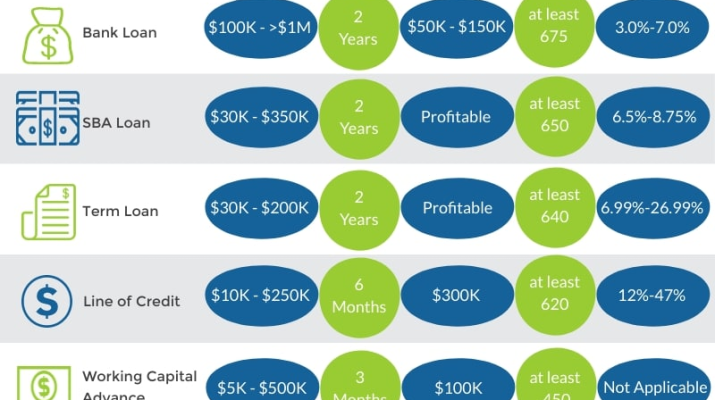
When it comes to starting or expanding a business, understanding business funding options is paramount for aspiring entrepreneurs. The diverse landscape of financing opportunities, including popular choices like crowdfunding, peer-to-peer lending, venture capital, and government grants, provides numerous pathways to secure essential capital. In recent years, fintech innovations have also transformed the funding arena, offering quicker and more accessible solutions for those in need. By exploring these various business funding options, entrepreneurs can unlock new possibilities for growth and success. This article aims to guide you through the intricacies of these funding avenues, helping you make informed decisions to realize your business aspirations.
Launching a business requires careful consideration of various financial avenues available to you. From alternative funding methods to innovative financing solutions, entrepreneurs today have a myriad of resources at their fingertips, each with its own set of advantages. Understanding these financial avenues—such as community-driven funding platforms, direct lending experiences, and investment opportunities from angel investors—can be crucial for navigating the complex world of business financing. Moreover, government incentives and technological advancements in financial services are continuously shaping how capital is accessed and utilized. This overview of financial resources will empower business owners to effectively leverage available funding channels to achieve their entrepreneurial dreams.
Exploring Innovative Business Funding Options
Innovative business funding options have emerged as essential solutions for startups and small businesses looking to secure capital. Among these options, crowdfunding stands out as a powerful tool that allows entrepreneurs to raise funds directly from a community of supporters. Platforms such as Kickstarter and Indiegogo enable users to showcase their projects and connect with potential backers, effectively turning their ideas into tangible financial backing. Crowdfunding not only democratizes the investment process but also acts as a marketing catalyst, providing visibility and validation to new products before they hit the market.
Similarly, peer-to-peer lending has transformed the traditional lending landscape by facilitating direct interactions between borrowers and investors. This model leverages technology to match individuals seeking loans with those willing to lend, bypassing cumbersome bank processes. For many entrepreneurs, this means easier access to funds at competitive interest rates, making it an attractive alternative to conventional financing. Peer-to-peer lending platforms often emphasize transparency and community engagement, making the overall borrowing experience more accessible and reassuring for new business owners.
The Role of Government Grants in Business Growth
Government grants offer a unique funding avenue for entrepreneurs, particularly those from underrepresented backgrounds or sectors in need of financial support. As outlined by recent policies, initiatives like those from the U.S. Small Business Administration (SBA) have recognized the essential role of grants in not only sustaining businesses but also fostering innovation. These grants often come with the advantage of not requiring repayment, making them an appealing choice for startups that aim to invest heavily in research, development, or scaling their operations without accruing debt.
Applying for government grants can be a lengthy and rigorous process, often requiring thorough documentation and a clear demonstration of how the funds will be utilized. However, the potential benefits far outweigh the challenges, as successful applicants gain access to vital resources that can drive their businesses toward success. Moreover, many local and state initiatives offer specialized funding aimed at enhancing economic growth, which entrepreneurs can leverage to position themselves competitively within their industries.
Understanding Venture Capital and Its Implications
Venture capital (VC) is a critical funding source for startups poised for rapid growth, particularly in high-demand sectors like technology and clean energy. VC firms typically invest significant amounts of capital in exchange for equity stakes in the company, enabling entrepreneurs to access the financial resources needed to scale quickly. This type of funding is often accompanied by valuable mentorship from seasoned investors who not only provide financial backing but also strategic guidance and networking connections within the industry. Entrepreneurs must carefully consider how much equity they are willing to exchange for the investment, as this decision impacts their control over the business.
While venture capital can provide substantial financial support, it’s essential for entrepreneurs to prepare for the challenges that accompany it. Investors typically expect a high return on investment, which may pressure business owners to achieve rapid growth and profitability. Additionally, the VC firm may demand a significant role in decision-making processes, which can alter the business’s strategic direction. Before pursuing venture capital, entrepreneurs should evaluate their long-term goals and the potential trade-offs to ensure that choosing this funding route aligns with their vision for the company.
The Impact of Fintech Innovations on Funding Access
Fintech innovations are reshaping how businesses access funding, offering more streamlined and efficient processes compared to traditional banks. These technologies utilize algorithms and automated assessments to evaluate creditworthiness and expedite loan approvals, significantly reducing the time required to secure funding. Entrepreneurs can apply for loans digitally, receiving funds in as little as 24 hours, which is particularly beneficial for small businesses that need quick cash flow solutions. This shift not only increases accessibility but also encourages financial inclusivity by reaching those who may have been underserved by conventional lending institutions.
Moreover, fintech companies often leverage advanced technologies such as blockchain to enhance security and transparency in transactions. By utilizing decentralized ledgers, these platforms provide both businesses and investors with a more reliable framework for conducting financial exchanges. With these advancements, entrepreneurs gain greater confidence in their funding arrangements, ensuring that their financial dealings are secure and efficient. Overall, the rise of fintech has the potential to revolutionize the funding landscape, making it easier than ever for businesses to thrive in today’s competitive environment.
Analyzing Economic Trends and Their Effects on Business Funding
Understanding economic trends is crucial for entrepreneurs as they navigate the complex landscape of business funding. Factors such as interest rates and inflation can significantly influence the cost and availability of capital. For instance, when inflation rises, central banks may increase interest rates to stabilize the economy, leading to higher borrowing costs for businesses. Entrepreneurs should remain vigilant about these changing economic indicators and consider diversifying their funding sources to mitigate potential risks associated with unfavorable borrowing conditions.
In today’s volatile market, it is essential for businesses to stay informed about these macroeconomic trends to make strategic financial decisions. By keeping abreast of changes in the economic environment, entrepreneurs can better time their funding requests and adjust their financial strategies accordingly. This proactive approach not only strengthens their ability to obtain capital but also enhances their competitiveness amid shifting economic landscapes. Entrepreneurs should leverage available resources and networks to stay informed and responsive to these dynamics, ultimately aiding them in achieving sustainable growth.
Frequently Asked Questions
What are the most effective business funding options available for startups?
For startups seeking effective business funding options, several avenues stand out. Crowdfunding platforms like Kickstarter and GoFundMe allow entrepreneurs to raise small amounts from a large number of people, validating their concepts while securing funds. Peer-to-peer lending offers direct access to loans from individuals, often with better terms than traditional banks. Additionally, venture capital is an essential route for those looking to scale rapidly, although it requires relinquishing equity. Government grants provide non-repayable funds, making them ideal for eligible starters, especially in underserved communities. Exploring fintech innovations can also streamline access to funding with quick approvals and minimal paperwork.
| Funding Option | Description | Advantages | Limitations |
|---|---|---|---|
| Crowdfunding | Raising capital from the public through platforms. | Provides funding and market testing. | Success depends on public interest and marketing efforts. |
| Peer-to-Peer Lending | Borrowing directly from investors without banks. | Quick access to funds, potentially favorable rates. | Less established than traditional loans. |
| Revenue-Based Financing | Funding in exchange for a percentage of future revenues. | Flexibility in payments based on revenue. | Potentially high costs if revenue is low. |
| Government Grants | Non-repayable funds provided by government programs. | No repayment required, valuable support. | Application processes can be lengthy. |
| Venture Capital | Investment from firms in exchange for equity. | Potential for significant funding and mentorship. | Loss of control over the company. |
| Angel Investment | Capital from wealthy individuals with mentorship. | Access to industry insights and networks. | Equity relinquishment can limit future funding. |
| Fintech Innovations | Tech-enabled funding platforms for quick access. | Speedy approvals and streamlined processes. | Can involve high fees or limited offerings. |
| Economic Trends | Market conditions impacting funding availability. | Awareness of market trends is crucial. | Volatility can increase costs and risk. |
Summary
Exploring business funding options is crucial for entrepreneurs ready to bring their visions to life. With a mix of innovative solutions, traditional loans, grants, and venture capital, there exists a wealth of opportunities tailored to various business needs. Each funding option presents unique advantages and challenges that demand careful consideration. Entrepreneurs should remain proactive and flexible, always adapting their strategies to align with their specific circumstances and aspirations. By leveraging a diverse funding portfolio and staying informed about market and economic trends, business owners can effectively secure the capital needed to realize their dreams and navigate the complex landscape of entrepreneurship.
Crowdfunding has emerged as a transformative method for startups and entrepreneurs to raise funds from a large number of individuals, often through online platforms. This form of financing allows creators to showcase their projects or products, enabling potential backers to contribute small amounts of money in exchange for rewards or equity. Popular platforms like Kickstarter and Indiegogo have democratized access to capital, empowering businesses to gauge market interest before committing extensive resources. Crowdfunding not only provides necessary funds but also builds a community of supporters around a project, adding to its potential for success.
Peer-to-peer lending represents a departure from traditional banking, allowing individuals to borrow and lend money directly to each other through online platforms. This innovative approach lowers the cost of borrowing by cutting out intermediaries, enabling lenders to earn competitive interest rates on their investments while borrowers enjoy lower fees than they would typically find at banks. As financial technology evolves, platforms like LendingClub and Prosper have gained traction, providing solutions that cater to both personal and business loans. This model encourages financial inclusivity, offering credit options to those who may have trouble accessing traditional financing.
Venture capital plays a critical role in the ecosystem of startup funding by providing substantial financial backing to companies poised for growth but lacking sufficient capital to reach their potential. Through venture capital firms, investors not only offer funds but also bring invaluable expertise and strategic guidance to the table, which can greatly enhance the success of early-stage companies. While venture capital investments often come with a higher risk, the potential for high returns attracts investors aiming for significant market disruptors, especially in technology and fintech sectors.
Government grants provide an essential funding stream for startups and established businesses engaging in innovative projects, particularly those that align with public policy objectives. Unlike traditional loans, these grants do not require repayment, making them highly attractive for businesses looking to conduct research and development or expand operations. Countries often set up specific grants to support innovation, job creation, or environmental initiatives, thus stimulating economic growth within their regions. Programs like the Small Business Innovation Research (SBIR) in the U.S. offer critical capital for small businesses to advance their technological innovations without the burden of debt.
Fintech innovations are reshaping the landscape of financial services, offering solutions that enhance efficiency, accessibility, and customer experience. Technologies like mobile banking, blockchain, and artificial intelligence are being leveraged to streamline transactions, improve risk assessment, and personalize services. Companies such as Square and Stripe provide seamless payment processing solutions, while robo-advisors like Betterment and Wealthfront democratize investment opportunities, making professional financial advice accessible to a broader audience. The rise of fintech is not only attracting consumer interest but is also pushing traditional financial institutions to adapt and innovate.
Applying for a merchant account is a crucial step for businesses looking to accept credit card payments and manage financial transactions effectively. To begin the application process, you should first research different merchant service providers to find one that aligns with your business needs, considering factors such as transaction fees, customer support, contract terms, and software compatibility. Once you’ve selected a provider, visit their website where you will typically find an application form. This form requires pertinent information about your business, including its legal structure, financial details, and a description of the products or services you offer.
After submitting your application, the merchant service provider will conduct a review, which may include assessing your creditworthiness and the nature of your business. Be prepared to provide additional documentation like your business license, tax identification number, and sometimes even bank statements, to facilitate this process. Once approved, the provider will set you up with the necessary tools to start accepting payments, including a payment gateway and credit card processing equipment if needed. For more detailed steps and specific application forms, consider visiting the website of a trusted merchant provider or financial institution, where you can gather more resources tailored to your requirements.
