
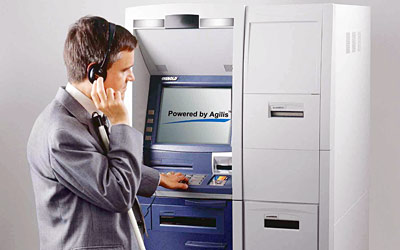
Accessible ATM machines play a vital role in ensuring that individuals with disabilities can perform banking tasks independently and efficiently. With the increasing integration of technology in our daily lives, finding accessible ATMs near you has become much simpler. This blog post will guide you on how to locate accessible ATMs using various mobile apps and online resources at your disposal. By leveraging these tools, those in need of accessible banking services can easily identify machines that cater to their specific requirements, whether it’s wheelchair access or assistive features for the visually impaired. Embracing these advancements empowers users, making banking accessible for everyone, regardless of their physical challenges.
When we talk about inclusive banking options, accessible cash-dispensing machines are often at the forefront of this discussion. These specially designed interfaces are essential for ensuring that everyone, including those with mobility challenges or visual impairments, can withdraw cash and manage their finances without assistance. Individuals searching for the nearest accessible financial services can utilize ATM locator apps, community resources, and advocacy group support to find accessible ATMs tailored to their needs. The growing recognition of banking for people with disabilities highlights the importance of these services in creating a more equitable financial environment. By focusing on accessible banking solutions, we can foster independence and inclusivity in our daily financial transactions.
How to Locate Accessible ATMs with Ease
Finding accessible ATMs is crucial for individuals with disabilities, ensuring they can manage their finances independently. To effectively locate these essential facilities, start by leveraging popular tools and apps designed specifically for this purpose. Many banks now offer mobile banking applications that include features like ATM locators. These apps allow users to filter searches based on accessibility options, ensuring they only see ATMs that can accommodate their needs, such as wheelchair access or voice-guided instructions.
In addition to bank-specific apps, utilizing general tools like Google Maps can greatly enhance your search for accessible ATMs near you. Google Maps not only shows ATM locations but also provides user-generated ratings and reviews regarding the accessibility of these machines. By typing “accessible ATMs” in the search bar, users can quickly identify which locations best meet their requirements, making the process of locating reliable banking services hassle-free.
The Role of ATM Locator Apps in Accessibility
ATM locator apps have revolutionized the way individuals can find accessible banking services. These specialized applications typically feature user-friendly interfaces that allow for easy searching and sorting of ATMs based on a variety of accessibility criteria. Features such as user ratings, photos, and detailed accessibility information help users make informed decisions about where to go, ensuring that they find the most appropriate locations for their financial needs.
Additionally, many of these apps are continually updated with real-time information based on user feedback. This means if an ATM’s accessibility features change or if a machine is temporarily unavailable, the app can provide up-to-date notifications to users. Hence, downloading and utilizing ATM locator apps can significantly improve the banking experience for those requiring accessible machines by reducing guesswork and increasing confidence.
Community Resources: Essential Support for Individuals
Community resources play a pivotal role in helping individuals locate accessible ATMs. Disability advocacy organizations often compile comprehensive lists of accessible banking services, providing invaluable resources to those seeking to manage their finances independently. These organizations are dedicated to improving accessibility and can offer assistance with specific needs, whether through printed maps or online databases that highlight nearby accessible ATMs.
Moreover, engaging with local advocacy groups can foster a sense of community and empowerment among individuals with disabilities. By sharing experiences and recommendations, members can alert each other to the best accessible ATMs in their area, promoting an inclusive environment that prioritizes accessibility in banking.
Banking Initiatives: Progress Towards Inclusion
The push for banking inclusivity has seen a significant increase in initiatives aimed at improving accessibility at ATMs. Many banks are now partnering with technology firms to create machines equipped with features such as tactile keypads, audio instructions, and even screen magnification to support customers with various disabilities. These innovations are not only compliant with legal standards but also reflect a growing commitment to serving a diverse clientele.
As financial institutions strive to enhance customer experiences, they are setting a precedent for others in the industry. The result is a progressively more inclusive banking environment where individuals with disabilities can access essential services with greater ease. Awareness of these initiatives is crucial, as it encourages more banks to follow suit, ensuring that accessible banking services become the norm rather than the exception.
Frequently Asked Questions
How can I find accessible ATMs near me?
To find accessible ATMs near you, use your bank’s mobile app, which often includes a filtering option for ADA-compliant machines. Additionally, Google Maps allows you to search for “accessible ATMs,” displaying options with user-reported accessibility features. Websites like ATM Locator (atmlocator.com) provide a detailed listing based on your zip code, ensuring you can easily locate accessible banking services in your vicinity.
What resources are available for locating accessible ATMs?
You can access multiple resources to locate accessible ATMs, including banking apps from institutions like Chase and Bank of America, which feature interactive maps. Google Maps is another effective tool where you can search for “accessible ATMs” and view detailed information. Community advocacy organizations also publish resources, helping you connect with accessible financial services tailored to your needs.
Can ATM locator apps help me find accessible banking services?
Yes, ATM locator apps are specifically designed to assist users in finding accessible banking services. Applications like WheelMate and Aira provide real-time information on nearby ATMs, offering reviews and ratings on their accessibility features. By utilizing these apps, individuals can make informed decisions and locate ATMs that cater to their specific requirements.
Why are accessible ATM machines important for banking for people with disabilities?
Accessible ATM machines are crucial for empowering individuals with disabilities to manage their finances independently. They ensure compliance with federal laws like the ADA, providing equitable access to banking services. As more financial institutions enhance their ATMs with features such as voice-guided instructions and tactile keypads, they create an inclusive banking environment that supports the independence and confidence of disabled individuals.
| Feature | Description |
|---|---|
| Importance of Accessible ATMs | Support independence for individuals with disabilities, ensuring equitable access to banking. |
| Mobile Applications | Banking apps (e.g., Chase, Bank of America) help locate ATMs with accessibility features. |
| Google Maps | Users can search for accessible ATMs and view detailed user feedback on accessibility. |
| Community Resources | Advocacy groups provide resources and maps to help locate accessible ATMs. |
| Banking Initiatives | Banks are enhancing accessibility with features like voice-guided instructions. |
| Accessibility Apps | Apps (e.g., WheelMate, Aira) provide user reviews and real-time feedback on ATMs. |
| Recommended Actions | 1. Use bank mobile apps, 2. Check Google Maps, 3. Refer to advocacy websites, 4. Use accessibility apps. |
Summary
Accessible ATM machines are an essential component of modern banking services for individuals with disabilities. With innovative technology and community-driven resources, locating accessible ATMs has never been easier. Mobile applications, Google Maps features, and dedicated accessibility apps provide users with the tools to identify ATMs equipped to meet their needs. As public awareness grows and banking institutions enhance their services, accessing financial services becomes a more inclusive experience, empowering individuals and facilitating independence.
Finding accessible ATMs nearby is crucial for individuals with disabilities who rely on these services for their financial needs. Most banks, credit unions, and financial service providers offer features to help locate accessible ATMs. Users can typically find this information on their bank’s website or by contacting customer service. Additionally, many financial institutions have begun to include details about ATM accessibility, such as wheelchair access and audio assistance, in their online banking platforms and mobile apps.
To locate accessible ATMs, customers can use various methods. One of the easiest ways is to visit the website or mobile app of their bank, which often has an ATM locator tool. Users can filter search results to display only those ATMs that meet accessibility standards. Furthermore, communities often have local listings or directories that specifically highlight accessible banking options for individuals with disabilities.
Accessible banking services extend beyond just ATMs. Banking institutions have made significant strides in creating inclusive environments. These services include online banking platforms that are designed to be user-friendly for individuals with various disabilities, as well as customer support that is trained to deal with accessibility issues. Features such as large print brochures, sign language interpreters for in-branch services, and accessible website features contribute greatly to these efforts.
ATM locator apps have emerged as vital tools for easily finding accessible ATMs. Many of these apps allow users to filter search results based on their accessibility needs, such as the availability of features for the visually impaired or the presence of a low-height ATM for those who use wheelchairs. Popular banking applications often have built-in ATM locators as well, streamlining the process for users.
Banking for people with disabilities encompasses a wide range of services aimed at improving financial access. These include programs tailored to the needs of individuals with different types of disabilities, as well as initiatives that promote awareness and training among bank staff. By emphasizing user-friendly ATM designs, comprehensive support services, and accessible technology, financial institutions can ensure that all customers have equal access to their banking services.
Applying for a merchant account is a pivotal step for any business seeking to accept credit and debit card transactions. The process typically begins by selecting a payment processor or merchant account provider that suits your business needs. Once you’ve made your choice, you will need to fill out an application form, which usually requires essential information such as your business name, address, and contact details, along with your tax identification number and banking information. Additionally, be prepared to provide documents such as your business license, financial statements, and any relevant paperwork that demonstrates your business viability. This information helps the provider assess your application and determine the terms of the account, such as fees and transaction limits.
Once your application is submitted, the merchant account provider will typically conduct a review process which may take several days. They may contact you for additional information or clarification, so stay attentive to their communications. After approval, you’ll receive a merchant account, which allows you to process transactions. It’s essential to carefully read through the terms and conditions provided by your merchant account provider to understand the fees, transaction timelines, and other important details. If you’re ready to take the plunge, start by visiting reputable merchant account providers’ websites to compare offerings and begin your application process.
