
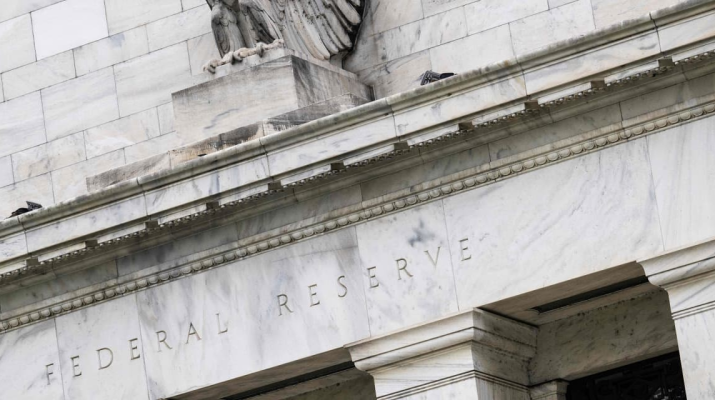
The Federal Reserve payment account is at the forefront of discussions surrounding the evolution of financial services, as proposed by Governor Christopher Waller during the recent Payments Innovation Conference. This new account aims to cater specifically to private sector firms, particularly those in the fintech sector, and is designed to be more restrictive than traditional master accounts. With the rise of digital payments and the rapid integration of DeFi technologies, it’s crucial for central bank regulations to adapt and ensure that emerging payment systems are accessible yet secure. Waller emphasizes the importance of embracing fintech innovations, which can drive the future of financial transactions while mitigating risks to the central bank. As the payments landscape transforms, understanding the implications of such accounts becomes vital for stakeholders across the financial ecosystem.
The proposed payment account by the Federal Reserve marks a significant shift in how central banking could interoperate with burgeoning financial technology. This initiative seeks to bridge the gap between traditional banking practices and the new wave of decentralized finance, providing essential services tailored to tech-driven companies. By exploring this novel approach, the Federal Reserve acknowledges the critical role digital payment systems play in today’s economy and opens the dialogue for potential integration with cryptocurrency ecosystems. Stakeholders in the financial services industry are increasingly advocating for more innovative solutions, and this limited-access account could be a pivotal response to their demands. It represents not only an evolution in access but also a partnership between public and private sectors to foster innovation while maintaining prudent oversight.
Exploring the Federal Reserve Payment Account
The proposal by Federal Reserve Governor Christopher Waller to create a limited payment account for private sector use marks a significant step toward innovation in the financial landscape. This concept is particularly relevant in the context of fintech innovations, where companies are increasingly seeking efficient and direct access to traditional banking services. By offering a tailored account designed for the unique needs of emerging financial technologies, the Federal Reserve could facilitate smoother integration of these companies into the existing payment systems while still maintaining regulatory oversight. This approach may stimulate further growth in digital payments and other innovative financial solutions.
Moreover, this restricted payment account aims to provide legally eligible institutions with an avenue to benefit from Federal Reserve services without exposing the central bank to unnecessary risks. Notably, these accounts would not carry the same features as standard master accounts, which could address concerns about stability and risk management. By implementing such innovations, the Federal Reserve could play a pivotal role in shaping the future of digital financial services and ensuring they align with central bank regulations.
The Impact of Fintech Innovations on Payment Systems
Fintech innovations are reshaping the way monetary transactions occur, leading to advancements in payment systems that are quicker and more accessible. Digital payments have become commonplace, and with the introduction of a limited payment account by the Federal Reserve, the adaptation to these technologies is essential. This shift not only reflects the growing demand for efficient transaction methods but also highlights the importance of integrating decentralized finance (DeFi) technologies into mainstream banking practices. Establishing a dedicated payment account for fintechs would potentially enhance competition in the financial sector, fostering an environment ripe for groundbreaking payment solutions.
Furthermore, the ongoing evolution of payment systems requires a careful balance between innovation and regulation. As Waller noted, embracing the disruptions presented by fintech is crucial for the Federal Reserve to remain relevant. The proposed payment account serves as a mechanism to accommodate the unique demands of fintech companies while also ensuring that risks to the Federal Reserve are managed effectively. The landscape of digital payments is evolving rapidly and such initiatives will be instrumental in keeping the pace with technological advancements in finance.
Balancing Innovation with Regulatory Measures in Payments
One of the key challenges facing regulators today is the need to find a balance between fostering innovation and ensuring consumer protection and system stability. The Federal Reserve is at the forefront of this challenge as it contemplates creating a new payment account that caters specifically to fintech firms. This account is posited as a means of regulating emergent technologies like DeFi and digital currencies while also acknowledging the essential role these innovations play in the broader economy. By tailoring services to meet the needs of these growing sectors, the Fed can promote competitive practices within financial markets.
However, the limitations associated with the proposed payment account—such as the absence of interest generation and overdraft protection—are indicative of the Federal Reserve’s cautious approach to innovation. Waller’s comments suggest a progressive shift in how central banks view the interplay between financial innovation and regulatory frameworks. As the trial phase continues, the response from the financial services community will be crucial in validating this model and determining whether it effectively meets both innovation goals and regulatory responsibilities.
Decentralized Finance and Its Role in Future Payment Systems
The rise of decentralized finance (DeFi) has sparked a revolution in the way financial services are perceived and delivered, presenting new opportunities and challenges for regulators and financial institutions alike. With developments in digital currencies and blockchain technology, DeFi is establishing itself as a viable alternative to traditional banking structures. The Federal Reserve’s consideration of a payment account for fintechs represents an acknowledgment of this paradigm shift; it must involve strategic planning on how these technologies can be integrated into existing infrastructures without compromising stability.
As financial services evolve, the potential benefits of DeFi technologies are profound, offering increased accessibility and efficiency in transactions. However, this also necessitates stringent oversight protocols to protect consumers and ensure compliance with existing regulations. By developing a payment account tailored for fintech firms, the Federal Reserve could help bridge the gap between conventional payment systems and innovative financial technology, thus allowing for a more comprehensive approach to emerging payment architectures.
Feedback from the Financial Community on Payment Innovations
The proposal for a limited Federal Reserve payment account is still in its infancy, and gathering feedback from the financial services community is essential to refine its structure and capabilities. Engaging with fintech companies and stakeholders allows the Fed to evaluate the practical aspects of this initiative and the unique demands these players face in a rapidly changing digital landscape. Stakeholder input will be invaluable in shaping a service that not only meets regulatory standards but also provides meaningful value to fintech firms pursuing innovation in payment systems.
Moreover, soliciting feedback fosters collaboration between regulators and industry leaders—an essential step in developing a balanced approach to innovation and oversight. As Waller expressed, staying ahead of technological advances while safeguarding the integrity of the financial system is vital. By building a transparent dialogue with the financial community regarding potential benefits and drawbacks, the Federal Reserve can ensure that its payment account initiative aligns with the needs of all participants in the evolving landscape of digital finance.
The Future of Digital Payments in a Regulated Environment
The landscape of digital payments is marked by rapid evolution and increasing demand for innovative solutions. As fintech companies drive this transition, the Federal Reserve’s initiative to create a payment account tailored for private sector usage could pave the way for more streamlined services. This proactive approach allows the central bank to remain relevant in an era where traditional banking models are being disrupted. With proper design and regulation, such accounts could enhance the efficiency of payment systems and meet the increasing expectations of users.
However, the future of digital payments in a regulated environment is inherently complex. The balance between fostering innovation and mitigating risks must be delicately maintained. By setting clear parameters for the proposed account—excluding features typical of master accounts, such as interest and overdraft capabilities—the Federal Reserve is laying the groundwork for a new paradigm in the banking sector. Understanding how these changes interact with existing frameworks and the ongoing evolution of payment technologies will be critical for all stakeholders.
Understanding Central Bank Regulations in a Changing Landscape
As the financial ecosystem continues to evolve, central banks around the world are grappling with the implications of technological advancements and the growth of fintech. Central bank regulations play a crucial role in maintaining stability while allowing for the necessary freedom to innovate. Waller’s discussions regarding the Federal Reserve payment account emphasize the importance of adapting regulatory frameworks to keep pace with changes in payment technologies and practices, ensuring that innovation does not outstrip the ability to manage systemic risks.
In the current landscape, it is essential for regulatory bodies to not only understand the nuances of fintech innovations but also to engage with industry participants to craft relevant policies. The proposed payment account could serve as a model for how regulators might provide access to central bank services while minimizing risk exposure. Evaluating and adjusting these regulations in real time will be vital for supporting sustainable growth in the realms of digital payments and DeFi technologies.
Challenges Facing the Adoption of Payment Innovations
While the proposal for a limited payment account by the Federal Reserve aims to enhance access for fintech companies, there are inherent challenges in its implementation that need to be addressed. One significant obstacle is ensuring that these new accounts effectively meet the diverse needs of various financial service providers without overwhelming the existing financial system. As fintech innovations continue to emerge, the potential risks associated with these innovations must be carefully assessed to prevent unintended consequences in the larger economic landscape.
Furthermore, the perception and understanding of central bank services among fintechs will not be uniform; thus, it is critical to establish clear communication channels to facilitate a smoother adoption of these new services. Engaging with fintech leaders during the feedback phase will be crucial in identifying pain points and refining the proposed payment structure. By addressing these challenges head-on, the Federal Reserve can set the stage for a more robust and inclusive financial ecosystem.
The Role of Feedback in Financial Service Development
Feedback from the financial services community is crucial in shaping policies and innovations that meet the market’s needs. As the Federal Reserve considers adopting a limited payment account, stakeholders have an important role in providing insights into their experiences, expectations, and ideas for refinement. Effective communication with fintechs ensures that the Federal Reserve can develop a product that resonates with real-world applications while remaining compliant with regulatory guidelines. This participatory approach can foster a sense of collaboration between regulators and innovators, ultimately leading to more effective and sustainable solutions.
Moreover, understanding the unique challenges fintech companies face can significantly influence the development of such financial products. By incorporating feedback into the design of the payment account, the Federal Reserve can help alleviate some of the barriers currently facing fintechs seeking access to traditional banking services. This adaptive strategy not only empowers the private sector but also enriches the overall payments landscape, specifically tailored to embrace the advantages of innovative financial technologies.
Frequently Asked Questions
What is the proposed Federal Reserve payment account and how does it relate to fintech innovations?
The proposed Federal Reserve payment account is a new initiative aimed at providing limited access to Federal Reserve services for private sector institutions, particularly fintech companies. This account is designed to support fintech innovations by offering basic payment services while managing risks to the central bank.
How do Federal Reserve payment accounts differ from traditional master accounts?
Federal Reserve payment accounts are intended to be more restrictive than master accounts. They will not offer features such as interest accrual or overdraft protection, and they will limit access to borrowing from the discount window. This approach aims to safeguard the central bank while still supporting fintech and digital payment innovations.
Why is the Federal Reserve exploring payment accounts for the private sector?
The Federal Reserve is exploring payment accounts to address the needs of emerging financial technology companies, which seek direct access to Federal Reserve services. The aim is to adapt to advancements in digital payments and decentralized finance (DeFi) technologies while ensuring regulatory safeguards.
What feedback is the Federal Reserve seeking regarding the payment account proposal?
The Federal Reserve is looking for input from the financial services community to evaluate the potential benefits and drawbacks of the proposed payment account. This feedback will help shape the final structure of the account to ensure it meets the needs of fintech firms while balancing innovation with regulatory measures.
How will the Federal Reserve payment account aid in the evolution of payment systems?
The Federal Reserve payment account is expected to enhance the evolution of payment systems by providing fintech firms with easier access to central bank services. This initiative could accelerate the development of new payment technologies, ensuring that the payment landscape adapts to the demands of modern digital transactions.
What are some limitations of the Federal Reserve payment accounts being proposed?
Proposed limitations of the Federal Reserve payment accounts include the absence of interest earnings, lack of overdraft protection, and restricted access to discount window borrowing. These restrictions are designed to mitigate risks to the Federal Reserve while still promoting innovation in payment systems.
What impact might the Fed’s payment account have on DeFi technologies?
The introduction of the Federal Reserve payment account could positively impact DeFi technologies by providing fintechs with a structured pathway to access central bank services. This support could encourage further development and integration of DeFi solutions in mainstream finance, fostering innovation within the regulatory framework.
How does the proposal for the Federal Reserve payment account align with the shift in central bank regulations?
The proposal for the Federal Reserve payment account aligns with the shift in central bank regulations by embracing the disruptions caused by fintech and digital payment innovations. By adapting regulations to support new financial technologies, the Fed aims to maintain relevance in a rapidly evolving financial landscape.
| Key Point | Details |
|---|---|
| Proposal by Fed Governor | Christopher Waller proposed creating a limited payment account for private sector use. |
| Purpose of the Account | To better serve emerging fintech companies while minimizing risks to the Federal Reserve. |
| Features of the Payment Account | Will provide basic payment services but lacks standard features like interest generation and overdraft protection. |
| Context | Fintechs are advocating for direct access to Fed services for more comprehensive capabilities. |
| Emphasis on Innovation | Waller encourages embracing innovation in digital payments and cryptocurrency. |
| Next Steps | Seeking feedback from the financial community to assess the proposal’s viability. |
Summary
The proposal for a Federal Reserve payment account marks a significant step towards facilitating access for emerging fintech companies. This initiative, suggested by Governor Christopher Waller, aims to provide a tailored solution that aligns with the evolving landscape of digital payments while managing associated risks to the Federal Reserve. By exploring this concept, the Federal Reserve is set to enhance its engagement with the private sector and adapt to the rapid innovations in financial technology.
Source: https://www.paymentsdive.com/news/federal-reserve-waller-skinny-payments-account/803370/
Fintech innovations have rapidly transformed the financial landscape, introducing novel solutions that enhance both efficiency and accessibility in various sectors. From mobile banking to peer-to-peer lending platforms, these technological advancements have democratized finance, allowing consumers and businesses alike to utilize services that were once limited to established financial institutions. Moreover, the emergence of Artificial Intelligence and Machine Learning within fintech creates opportunities for better risk assessment, personalized financial advice, and enhanced fraud detection, reshaping how financial transactions are conducted globally.
Digital payments are at the heart of fintech’s evolution, enabling instantaneous transactions that transcend geographical barriers. With the rise of smartphones, mobile wallets, and contactless payment methods, consumers now have unprecedented convenience and speed when making transactions. This shift not only streamlines everyday purchases but also facilitates global commerce, as individuals and businesses can transact with ease, contributing to greater economic integration and efficiency. The growing adoption of cryptocurrencies and blockchain technology further exemplifies the drive towards digitalization in payment systems, offering secure and transparent alternatives to traditional payment mechanisms.
As fintech innovations expand, central bank regulations play a crucial role in ensuring stability and consumer protection within the financial system. Regulators are increasingly challenged to balance fostering innovation with safeguarding financial integrity. Central banks are now exploring the concept of Central Bank Digital Currencies (CBDCs) as a response to the declining use of cash and the rise of digital currencies. These regulatory frameworks are designed to mitigate risks associated with digital payments, tackle issues like money laundering, and protect users’ rights, ensuring that the benefits of fintech do not come at the expense of financial security.
Payment systems have undergone significant transformation, moving from slow, manual processes to robust, digitized networks that support real-time transactions. These developments are spearheaded by fintech firms that prioritize user experience, reducing transaction times and costs while increasing transaction volumes. Innovative payment systems now integrate cutting-edge technologies such as Blockchain to enhance security and transparency, making them attractive options for businesses seeking reliable payment solutions. This evolution has also paved the way for international remittances and cross-border transactions to occur with greater speed and lower fees, thus empowering global trade.
Decentralized Finance (DeFi) technologies represent a groundbreaking shift in the financial sector, removing intermediaries and making traditional financial services more accessible and transparent. Built on blockchain technology, DeFi offers services such as lending, borrowing, and trading through smart contracts, which automate processes and reduce the need for trust in centralized entities. This innovation has garnered significant attention for its potential to provide financial services to underserved populations, enabling individuals to engage in financial activities without the barriers typically presented by traditional banks. As the DeFi ecosystem expands, it poses both opportunities and challenges for regulators and financial institutions, redefining the future of finance.
Applying for a merchant account is a crucial step for businesses that want to accept payments through credit and debit cards or other electronic payment methods. To start the application process, businesses need to gather essential information, such as their business type, financial statements, and identification documents. Many banks and payment processors offer online applications, which makes it convenient for merchants to complete their applications from the comfort of their offices. Once the application is submitted, the payment processor will assess the risk associated with your business, including credit history and transaction volume, to decide if the merchant account can be approved.
After receiving approval, merchants should carefully review the terms and conditions associated with their new account. This includes understanding fees related to transactions, equipment, and monthly service requirements. It’s also essential to set up secure payment processing systems to protect customer data. For more detailed insights on the importance of merchant accounts and how they fit into the broader financial landscape, you can check out the latest developments by visiting PaymentsDive at https://www.paymentsdive.com/news/federal-reserve-waller-skinny-payments-account/803370/.
