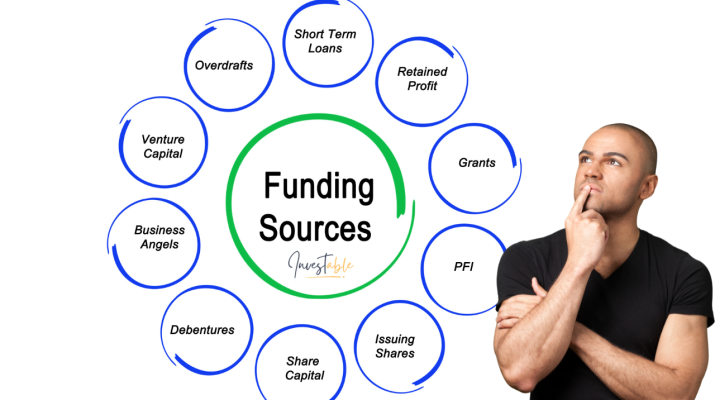
Business funding plays a critical role in the journey of every entrepreneur, especially those launching startups. As new ventures seek to establish themselves, the pursuit of financing can determine their success or failure. In today’s competitive environment, various options such as startup grants, small business loans, and specialized entrepreneur funding are available to help bridge the financial gap. By understanding these funding sources—including grants for startups that require no repayment and loans for startups that must be settled over time—entrepreneurs can equip themselves with the resources necessary for growth. Let’s delve deeper into these opportunities, ensuring you have the insights to navigate your path to business success.
Securing financial resources for a new enterprise is vital in fostering innovation and sustainability. Alternative funding avenues, including government and private sector grants, are essential for fledgling businesses aiming to launch products and services without incurring debt. Additionally, various loan options tailored for small businesses offer flexibility and support for those looking to expand their operations. Understanding these critical financial instruments is essential for navigating the complex landscape of startup finance. By exploring the diverse array of funding options available, entrepreneurs can position themselves more favorably in their respective markets.
The Benefits of Business Funding for Startups
Securing adequate business funding is a cornerstone for startup success. It provides the necessary capital to transform innovative ideas into reality. With the right funding, entrepreneurs can launch their products, hire essential personnel, and invest in marketing strategies to reach their target audience. Moreover, business funding not only supports initial startup costs but also facilitates ongoing operations, ensuring that the business can sustain itself during its critical early stages. Without financial assistance, many startups struggle to expand their offerings or even survive past their first year.
Additionally, business funding opens doors to new opportunities, such as funding for research and development. Startups can use the financial resources to innovate and improve their products, keeping them competitive in the market. Ultimately, the availability of various funding sources, including grants and loans, empowers entrepreneurs to focus on growth rather than worrying about financial constraints. This freedom allows startup founders to strategize effectively, thus enhancing their business’s long-term viability.
Understanding Startup Grants: Essential Funding Tools
Startup grants are a valuable aspect of business funding that provide critical financial support without the obligation to repay. These grants are often issued by government entities and private organizations specifically looking to foster innovation and entrepreneurship. Most grants target specific industries or business objectives, making it essential for entrepreneurs to identify relevant opportunities that align with their business goals. Grants not only alleviate the monetary burden but also showcase a startup’s credibility and potential for growth, which can attract further investment.
Moreover, the application process for startup grants often necessitates a comprehensive understanding of the funding agencies’ criteria, which may include detailed project descriptions and financial reports. Successful applications typically reflect a clear understanding of how the funds will be utilized to attain specified outcomes. Consequently, drafting a precise project plan and adhering to the grant’s guidelines can significantly enhance a startup’s chances of receiving financial support. Entrepreneurs must stay vigilant to find suitable grants that can provide foundational support for their business initiatives.
Exploring Options for Small Business Loans
Small business loans provide essential funding for startups looking to establish or expand their operations. Unlike grants, these loans must be repaid, usually with interest, but they can provide much-needed capital for various purposes, including inventory acquisition, equipment purchase, and operating expenses. The diversity of loan types—from traditional bank loans to government-backed options—means that entrepreneurs have multiple pathways to explore. Understanding each option’s terms, interest rates, and repayment schedules is critical for making informed financial decisions.
Furthermore, startups facing challenges with their credit history may find it daunting to secure funding through conventional lenders. However, many organizations specialize in small business loans for startups, understanding the unique needs and circumstances of new entrepreneurs. By researching and utilizing these specialized lending sources, startups can potentially access favorable loan agreements that align with their financial capabilities. This strategic approach to borrowing can help businesses maintain cash flow and invest strategically for growth.
Tips for Successful Grant and Funding Applications
Navigating the intricate world of grant and funding applications can be daunting for startups, but with careful preparation and strategic planning, success is within reach. Start by conducting thorough research to identify grants and loan opportunities that are best suited to your business objectives. Understanding eligibility criteria and deadlines is paramount, as failing to adhere to these details can lead to missed opportunities. Additionally, networking with other businesses that have secured funding can provide valuable insights into the application process.
Creating a compelling business proposal is another crucial aspect. Funders want to see a clear vision of what the business aims to achieve and how their investment will drive success. In your proposal, be specific about how the funds will be allocated, as demonstrating a sound financial strategy boosts credibility in the eyes of potential funders. Lastly, maintaining communication with funding organizations after submitting your applications shows commitment and can help build relationships that may prove beneficial in securing funding.
Innovative Financial Solutions for Startups
In today’s evolving financial landscape, startups can tap into innovative funding solutions beyond traditional grants and loans. Crowdfunding platforms have gained popularity, allowing entrepreneurs to secure financial backing directly from individuals passionate about their projects. This raises not only capital but also increases visibility and builds a community of supporters around the startup. Additionally, hybrid financing models combine elements of equity investment and loans, providing flexible options tailored to a startup’s needs.
Moreover, fintech solutions offer tools that streamline the funding process, including digital platforms that connect startups with investors more efficiently. By leveraging technology, startups can access information regarding funding options quickly and apply for financial assistance without the cumbersome processes characteristic of traditional financing avenues. From peer-to-peer lending to microfinancing, the options available today are diverse, enabling startups to choose a path that aligns with their financial strategy.
Navigating the Landscape of Entrepreneur Funding
Entrepreneur funding encompasses a wide array of financial resources available to new business owners, including venture capital, angel investors, and governmental support programs. As this sector grows, so does the complexity of navigating these diverse funding avenues. Entrepreneurs must develop a clear understanding of which type of funding aligns best with their business model and goals, understanding that each source of funding carries its own expectations and terms.
It’s essential for entrepreneurs to prepare by understanding investor interests and expectations, which can vary from one funding source to another. For instance, venture capitalists may seek equity stakes and high growth potential, while angel investors may offer advice and mentorship alongside their financial support. By being equipped with a nuanced approach and a deep understanding of the current funding landscape, startups can strategically position themselves to attract the right financial partnerships.
The Role of Small Business Associations in Funding
Small Business Associations (SBAs) play a crucial role in the funding landscape, offering resources and guidance to entrepreneurs seeking financial assistance. They provide a wealth of information on available grants, loans, and funding programs tailored to specific business needs. For startups navigating the complexities of funding, local SBAs often facilitate workshops and provide personalized counseling, equipping entrepreneurs with the skills required to hone their proposals and apply for the right funding effectively.
Furthermore, SBAs frequently partner with banks and financial institutions to offer loan programs designed with favorable terms for startups. These partnerships can often result in lower interest rates and extended repayment plans, making it easier for emerging businesses to obtain the necessary funding to thrive. By leveraging the resources available through SBAs, startups can enhance their knowledge and increase their chances of funding success.
Challenges in Securing Startup Loans and Grants
While there are numerous opportunities for startup funding through loans and grants, entrepreneurs often face significant challenges when applying for these resources. The competition can be fierce, with many businesses vying for the same limited pool of funds. Furthermore, the application processes can be lengthy and complex, requiring detailed documentation and business plans that some entrepreneurs may struggle to provide. This complexity can deter potential applicants who may feel overwhelmed by the requirements.
Additionally, startups may encounter challenges related to their creditworthiness when pursuing loans. Many new businesses have little to no credit history, which can complicate their ability to secure traditional funding. To overcome these obstacles, entrepreneurs must be proactive in building their creditworthiness, seeking advice or guidance from financial professionals to present strong applications. By anticipating challenges and preparing adequately, startups can better navigate the funding landscape and increase their chances of securing the necessary support.
Maximizing Your Chances for Grant Approval
Once a startup has identified suitable grants to apply for, maximizing the chances of approval relies heavily on the quality of the application. Crafting a concise and compelling grant proposal is essential. Start by clearly articulating your business goals, the societal impact of your project, and how the grant will facilitate success. Funders are particularly interested in projects that demonstrate measurable outcomes, so including specific metrics and projected impact can enhance your application.
Another effective strategy is to build a relationship with the grant provider. Reach out to them with questions prior to submission, showing initiative and dedication to understanding their expectations. After submitting your proposal, following up can demonstrate enthusiasm and responsiveness, allowing you to stand out in the crowd of applicants. Remember that feedback from any rejected applications can also provide invaluable insights for future submissions.
Frequently Asked Questions
What are the best options for startup funding, including grants and loans?
Startup funding can come from various sources, including startup grants and small business loans. Grants for startups are non-repayable funds provided by government bodies and private organizations, which can significantly alleviate financial burdens. Alternatively, small business loans must be repaid but can offer larger amounts of capital necessary for growth. Entrepreneurs should research different funding options and apply strategically to enhance their chances of obtaining financial support.
| Key Point | Description |
|---|---|
| Startup Funding | Vital for launching and sustaining new businesses while covering essential expenses. |
| What Are Grants? | Non-repayable funds from government, foundations, or private organizations aimed at facilitating startup growth. |
| Types of Grants | Focused on various sectors like manufacturing, technology, and green initiatives. |
| Startup Loans | Loans that require repayment, providing essential capital from banks and lenders. |
| Key Funding Sources | Resources like SBA, Chamber of Commerce, RocketDevs, and SoFi to explore various funding avenues. |
| Application Tips | Research opportunities, create robust business plans, and articulate fund usage clearly. |
Summary
Business funding is a crucial aspect for startups, as it provides the necessary financial support to initiate operations, develop innovative products, and manage daily expenses. In 2025, entrepreneurs have access to a diverse range of funding opportunities, including grants that do not require repayment and loans that enable them to secure vital capital. By understanding the various types of funding available, including the specific eligibility criteria and careful application processes, startups can significantly enhance their chances of success. Furthermore, leveraging the resources and strategies outlined in this guide will empower entrepreneurs to make informed decisions about securing business funding, setting the stage for sustainable growth and development.
Startup grants provide essential financial support to new and emerging businesses, often serving as a crucial lifeline for entrepreneurs who may struggle to secure traditional funding. These grants are typically offered by government agencies, non-profit organizations, and private foundations to stimulate economic activity and encourage innovation. Unlike loans, grants do not require repayment, making them an attractive option for startups looking to launch their products or services without the burden of debt. Entrepreneurs can use these funds to cover initial operating expenses, product development, and marketing efforts.
Small business loans are another significant avenue for entrepreneurs seeking to fund their startups. These loans are generally offered by banks, credit unions, and financial institutions, providing businesses with the capital needed to grow. Unlike grants, loans must be repaid with interest, and they usually involve a rigorous application process including credit checks and documentation of the business plan. Small business loans can be used for various purposes, such as purchasing equipment, hiring staff, or expanding operations, helping startups to establish a solid financial foundation.
Entrepreneur funding encompasses a broad range of financing options available to new business owners. This type of funding can include personal savings, angel investors, venture capital, crowdfunding, and more. Entrepreneurs often seek funding from various sources to secure the necessary capital for launching their business or scaling operations. Each funding source comes with its own set of advantages and challenges, and entrepreneurs must carefully consider which options best align with their business goals and growth strategies.
Grants for startups are specifically tailored financial awards designed to assist new businesses in their formative stages. These grants are often competitive and may be geared toward certain industries or demographics, such as technology, social enterprises, or minority-owned businesses. Entrepreneurs applying for grants typically need to present a compelling business proposal that outlines their vision, market analysis, and potential social or economic impact. Securing such grants can be an invaluable resource for startups, allowing them to innovate without the immediate pressure of repayment.
Loans for startups, while often considered a riskier option for lenders, play a crucial role in helping new businesses establish their presence in the market. These loans may come in various forms, including term loans, lines of credit, and microloans, each catering to specific needs and repayment capabilities. For startups, obtaining a loan can provide the necessary funds to kickstart operations, purchase inventory, or invest in marketing campaigns. Entrepreneurs are encouraged to create a solid business plan that highlights their potential for profitability, improving their chances of obtaining favorable loan terms.