
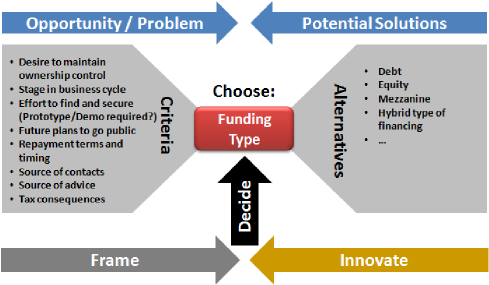
**New business funding** is undergoing a transformative journey as entrepreneurs seek innovative ways to secure financial backing for their ventures. Gone are the days when traditional loans were the only option available; today, alternative financing avenues, such as angel investing and blockchain funding, have taken center stage. The rise of impact investing is reshaping investor priorities, emphasizing the importance of social and environmental outcomes alongside financial returns. With the increasing popularity of venture debt, startups can access capital without sacrificing ownership, all while navigating a landscape rich with diverse funding options. Understanding these trends is crucial for entrepreneurs aiming to thrive in a competitive market.
In today’s entrepreneurial ecosystem, securing capital for new ventures is more complex than ever. The landscape now includes a variety of funding sources, from crowdfunding and peer-to-peer lending to the niche of impact investing, which emphasizes alignment with social values. Moreover, innovative solutions like security token offerings utilizing blockchain technology are reshaping how businesses approach financing. As startups explore various routes such as venture debt and angel networks, they are better positioned to adapt to the modern complexities of capital acquisition. Entrepreneurs must stay informed on these evolving financing strategies to navigate the intricacies of business funding effectively.
Exploring Alternative Financing Models for Startups
As the quest for new business funding takes center stage, **alternative financing models** are gaining traction among startups aiming to sidestep traditional funding routes. Platforms like Kickstarter and Indiegogo have revolutionized the concept of raising money, allowing entrepreneurs to present their ideas directly to potential users and build a community of supporters. This validation process adds a layer of credibility to their business concept while simultaneously securing the necessary funds needed for launch. Crowdfunding not only democratizes access to capital but also fosters a sense of ownership among backers who feel invested in the success of the product.
Peer-to-peer lending has emerged as another viable option, where individuals lend money to businesses, bypassing traditional banks. This model increasingly appeals to startups due to lower interest rates and the competitive edge it provides in ensuring favorable cash flow. As businesses explore these options, revenue-based financing is also gaining ground, allowing companies to repay based on their revenue generation. This method brings flexibility, liberating startups from fixed loan payments and aligning them more closely with their growth trajectories.
The Role of Impact Investing in Modern Business Funding
The focus on **impact investing** reshapes the landscape of new business funding, where the aim extends beyond mere financial returns. Investors are increasingly inclined to support businesses that address social and environmental issues within their frameworks. This shift is not just a passing trend; it reflects a deeper societal need to integrate ethics with investment strategies. Businesses that prioritize sustainability can leverage this trend, as many investors seek to align their capital with personal values, thus opening new avenues for funding.
Going further, being sustainable has become a marketing advantage, positioning startups to attract impact investors. This creates an ecosystem where financial gain intertwines with purposeful action. Entrepreneurs who articulate their mission effectively not only reach like-minded investors but also encourage community support, creating a ripple effect that can enhance funding opportunities. The intersection of profit and purpose enables the emergence of businesses that contribute positively to society, making impact investing a vital component of future funding trends.
Navigating Blockchain Funding Opportunities
The evolution of **blockchain funding** through Initial Coin Offerings (ICOs) and Security Token Offerings (STOs) is transforming how startups access capital. These modern funding methods bypass traditional barriers, as blockchain technology tends to have fewer regulations compared to conventional financing. This can lead to faster capital raises, providing startups with agility that is crucial in today’s competitive landscape. Entrepreneurs can issue digital tokens to attract investments, representing ownership, or access to profits, which incentivizes investor participation without the complexities associated with traditional financing.
Despite the potentials, startups must exercise caution, ensuring thorough understanding and compliance with legal frameworks related to blockchain. The volatile nature of cryptocurrencies poses risks, underlining the importance of due diligence. Investors are encouraged to assess the startup’s whitepaper carefully and understand the business model behind the token offerings. Navigating this new funding model requires strategic foresight as businesses adapt to leveraging blockchain, steering through both the opportunities and challenges articulated by this disruptive technology.
Harnessing the Power of Angel Investors
In the emerging landscape of new business funding, **angel investors** are proving to be invaluable allies for startups. These high-net-worth individuals not only provide essential capital but bring in mentorship and industry insights that can be crucial for nascent enterprises. Organized networks of angel investors have sprouted, fostering an environment where innovation and fresh ideas can thrive through collaboration. For startups, attracting angel investment often leads to strategic partnerships that enhance business growth trajectories.
Moreover, the revival of angel investing reflects a recognition of the potential of early-stage companies to disrupt established sectors. Investors look beyond numbers and projections, considering the quality of the business idea and the passion of the founders. As startups develop their pitches, they must highlight their unique value propositions and the profound impact their innovations can have. In these interactions, the narrative of the business becomes just as important as the financials, as angel investors increasingly seek to invest in founders who inspire confidence and share their vision.
Understanding Venture Debt: A Complementary Financing Option
Understanding the role of **venture debt** is crucial for startups that seek to expand without diluting their equity. This form of financing is particularly beneficial for businesses that have already secured equity but seek additional funds for operational or growth initiatives. By providing a safety net, venture debt affords companies the ability to maintain ownership while gaining financial leverage, thus optimizing their capital structure and extending their runway between equity rounds.
Financial institutions specializing in venture debt are increasingly providing loans based on business performance metrics. Startups demonstrating consistent revenue and a strong growth trajectory can access favorable terms, which translates into manageable repayments tied to their scaling endeavors. This growing acceptance of venture debt among investors indicates a recognition of its utility in fostering innovation and resilience for emerging businesses, reinforcing its place in the evolving landscape of new business funding.
Adapting to Regulatory Changes for New Funding Avenues
Recent regulatory changes have paved the way for alternative funding sources to flourish, reshaping the avenues available for new business funding. For instance, the **Jumpstart Our Business Startups (JOBS) Act** has revolutionized how equity crowdfunding works, making it easier for small businesses to engage with the public. The changes allow businesses to raise funds from ordinary individuals instead of only accredited investors, democratizing access to capital and expanding the investor pool significantly.
Countries are continuously reevaluating their regulatory frameworks to encourage innovation in financing. Entrepreneurs must remain vigilant and adapt to these regulations, seizing opportunities as they arise. A comprehensive understanding of the legal landscape enables startups to leverage emerging funding sources effectively, thereby enhancing their capability to attract necessary capital. By navigating these regulatory landscapes, businesses can align their strategies with the changing rules, capitalizing on new opportunities that foster growth and sustainability.
Confronting the Challenges of New Business Funding
Despite the promising future of new business funding, confronting emerging challenges remains a critical aspect for entrepreneurs. Global economic fluctuations and market volatility can impact investor behavior, complicating efforts to secure necessary funds. Heightened investor scrutiny underscores the growing expectation for comprehensive due diligence, where investors accurately assess the viability of their options. Startups must prepare robust business cases, presenting detailed financial forecasts and data analysis to establish credibility among potential funders.
Additionally, evolving expectations around transparency and accountability demand that startups cultivate thorough operational practices. To navigate these challenges, businesses must establish clear communication strategies and demonstrate resilience. Engaging in regular risk assessments and presenting adaptive business models can enhance investor confidence and ensure that startups remain viable in the face of uncertainty. Addressing these concerns proactively positions startups favorably within the evolving funding landscape, helping them sustain momentum despite external pressures.
Building Resilient Business Models for Long-Term Success
As the funding landscape continues to shift, building resilient business models becomes critical for startups looking to thrive in the face of changing economic environments. A focus on sustainability, coupled with innovation in product and service delivery, can cultivate a competitive edge. Businesses that adapt to emerging trends, such as remote work or digital service delivery, position themselves as adaptable entities in an unpredictable world.
Furthermore, being forward-thinking involves not just securing funds but optimizing their use to create lasting value. By employing strategic financial planning and fostering an adaptive culture, entrepreneurs can cultivate an environment primed for growth. Preparing for potential downturns and exploring diverse revenue streams ensures that startups remain flexible enough to pivot in response to market shifts, securing their placements within the business ecosystem as reliable, forward-thinking entities capable of navigating the complexities of new business funding.
Frequently Asked Questions
What are the best alternative financing options for new business funding?
New businesses looking for funding often gravitate towards alternative financing options as they provide innovative solutions outside traditional bank loans. Popular choices include crowdfunding through platforms like Kickstarter, peer-to-peer lending that connects borrowers directly with lenders, and revenue-based financing linking repayments to business revenue. These models not only help secure necessary capital but also validate product ideas in the marketplace.
| Key Point | Details |
|---|---|
| Transformational Landscape | The business funding landscape has evolved with technological advancements and new investor preferences. |
| Alternative Financing Models | Startups are increasingly turning to crowdfunding, peer-to-peer lending, and revenue-based financing instead of traditional bank loans. |
| Global Impact Investing | Impact investing is on the rise, with investors seeking socially responsible and sustainable investment opportunities that align with their values. |
| Digital Assets and Blockchain Funding | ICOs and STOs are emerging methods allowing startups to raise capital through digital tokens, promoting quicker access to funds. |
| Angel Investors and Networks | A resurgence of angel investing is supporting startups with financial backing and expert mentoring. |
| Growth of Venture Debt | Venture debt allows businesses already funded through equity to secure additional capital without diluting ownership. |
| Regulatory Changes | The JOBS Act and similar regulations make it easier for startups to raise funds through public engagement and crowdfunding. |
| Emerging Challenges | Challenges such as market volatility and enhanced due diligence mean startups need to adapt and demonstrate sound business practices. |
Summary
New business funding is a rapidly transforming field, driven by innovations and changing investor attitudes. This evolution is not merely about obtaining financial resources but also involves embracing new models of funding that enhance a startup’s potential for success. Entrepreneurs must keep abreast of these innovative options, such as crowdfunding, impact investing, and blockchain technologies, while navigating challenges such as market volatility and regulation compliance. By leveraging these modern funding strategies, they can secure the resources needed to thrive in a competitive landscape.
Alternative financing refers to non-traditional funding sources that offer options beyond traditional bank loans or equity investments. This includes a variety of financial instruments such as crowdfunding, peer-to-peer lending, and revenue-based financing. These methods have gained popularity, particularly among startups and small businesses, as they provide more accessible routes to obtaining capital. Entrepreneurs can appeal directly to individual investors or backers, allowing them to raise funds based on their business model without the stringent requirements often associated with conventional financing.
Impact investing is a strategy that seeks to generate measurable social and environmental benefits alongside financial returns. Investors who engage in impact investing aim to support businesses or projects that address issues such as poverty alleviation, climate change, and access to education and healthcare. This approach has surged in popularity as both institutional investors and individuals become more aware of the impact their investments can have on society. Pursuing a dual bottom line—financial sustainability and societal benefit—impact investing creates a new paradigm in the investment landscape.
Blockchain funding leverages blockchain technology to raise capital through mechanisms like Initial Coin Offerings (ICOs) or Security Token Offerings (STOs). This innovative funding model enables startups to issue digital tokens or cryptocurrencies to investors in exchange for capital. Blockchain funding not only facilitates faster and more secure transactions but also provides transparency in the funding process. Investors can access a global market of potential opportunities, often with lower regulatory barriers compared to traditional fundraising methods.
Angel investing involves high-net-worth individuals providing capital to startups in exchange for equity or convertible debt. These angel investors usually offer their funds during the early stages of a business when it is too risky for traditional financing sources. Beyond just providing capital, angels often contribute valuable advice, mentorship, and networking opportunities, which can significantly increase a startup’s chances of success. This type of investing plays a critical role in nurturing innovation and entrepreneurship, as it often serves as the first injection of outside capital for new ventures.
Venture debt is a form of debt financing specifically tailored for startups, typically offered to companies that have already raised equity financing. This type of funding allows startups to access necessary cash flow without diluting existing equity. It is generally less expensive than equity financing in the long run, making it an attractive option for businesses looking to hedge against dilution while still securing the necessary funds for growth. Venture debt is often used for working capital, bridging a gap between equity rounds, or funding specific projects, providing a flexible financial solution for startups.
