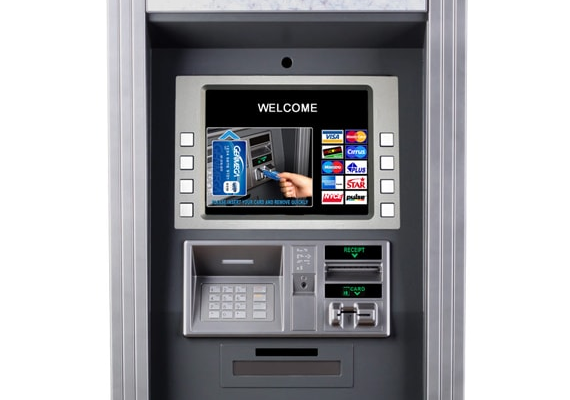
ATM machines have become a vital component of the retail landscape, continuing to evolve alongside changing consumer demands in 2023. Despite the surge in digital payments, these machines offer unparalleled cash access, providing convenience that is crucial for today’s shoppers. Retailers are increasingly recognizing the importance of ATMs in improving consumer behavior, as they cater to the needs of a diverse range of customers who prefer cash transactions. The integration of contactless payments within these units further enhances their appeal, demonstrating how retail technology is adapting to modern demands. This post explores the multitude of benefits that ATM machines offer to both consumers and businesses, highlighting their essential role in the retail sector.
Automatic teller machines, or cash dispensers, continue to play a significant role in contemporary consumer finance, particularly within retail environments. In an increasingly digital age, these self-service devices not only provide cash access but also contribute to shaping consumer interactions with traditional and electronic payment methods. Retail technology has adapted to incorporate innovative solutions, helping businesses meet the evolving preferences of modern shoppers. As consumer behavior shifts, the necessity for versatile financial solutions has led to a resurgence of interest in these automated kiosks. This discussion will focus on the latest trends surrounding cash access points and their ongoing relevance in retail settings.
The Importance of ATM Machines in Retail Business
In today’s rapidly evolving retail landscape, ATM machines have become more than just cash dispensing machines; they are pivotal assets for retail businesses. Their presence enhances customer convenience by providing immediate cash access without the need to leave the shopping environment. This integration of ATMs aligns with the growing consumer preference for cash transactions, especially in certain demographics that favor tangible payment methods over contactless alternatives. Furthermore, having an ATM on-site can significantly increase foot traffic, which not only boosts potential sales but also enhances the overall shopping experience for customers.
Retailers are increasingly recognizing that ATMs do not merely serve as cash access points; they symbolize a commitment to customer service and satisfaction. By providing this essential service, retailers can cater to a diverse audience, which includes individuals who may prefer using cash for daily purchases. This strategic positioning of ATMs works to attract more customers, ultimately leading to heightened loyalty and repeat visits. In a competitive market, the ability to offer cash access directly correlates with meeting consumer needs, thus solidifying the importance of ATM machines in the retail sector.
Frequently Asked Questions
What role do ATM machines play in retail settings?
ATM machines play a vital role in retail by providing customers with convenient cash access without leaving the store. This accessibility drives foot traffic, increases sales volume, and accommodates consumers who prefer cash for smaller purchases.
How are ATMs adapting to consumer behavior trends?
ATMs are adapting to consumer behavior by offering diverse services such as cash withdrawals, bill payments, and ticket purchasing. These enhancements cater to the preferences of shoppers who still value cash transactions, even in a growing cashless society.
What technological advancements are being implemented in ATM machines?
Modern ATM machines are incorporating technological advancements such as contactless payment options, mobile wallet integrations, and enhanced biometric security features. These innovations improve transaction speed and security, enhancing overall customer experience.
How do ATM machines generate revenue for retailers?
ATM machines can generate revenue for retailers by providing a source of surcharges on transactions. Additionally, they reduce operational burdens related to cash handling, allowing employees to focus on customer service and potentially increasing overall store efficiency.
| Key Points |
|---|
| ATM machines are essential in retail, enhancing customer access to cash while catering to evolving consumer needs. |
| Increased demand for ATMs is driven by the desire for convenience, leading to higher foot traffic and sales. |
| ATMs have evolved to offer multiple services, accommodating cash preferences even in a cashless society. |
| Retailers benefit from integrating ATMs through reduced cash handling costs and new revenue opportunities via surcharges. |
| Modern ATMs come equipped with advanced technology for enhanced security and user experience. |
| Consumer behavior remains complex, with many still favoring cash transactions despite digital trends. |
| Compliance with regulations is crucial for ATM operations, safeguarding against legal penalties and ensuring security. |
Summary
ATM machines are becoming increasingly important in the retail landscape as they provide essential services that align with consumer preferences. Even with the rise in digital payments, many customers still prefer the convenience of cash transactions. ATMs not only offer quick access to cash but also enhance the overall shopping experience by increasing foot traffic and sales potential for retailers. Moreover, the integration of ATMs can lead to significant cost reductions in cash handling and introduce new revenue streams through transaction fees. As technology advances, modern ATMs now include features such as contactless payments and enhanced security, making them vital for both customer satisfaction and operational efficiency. To remain competitive, retailers must acknowledge the critical role of ATM machines in meeting the diverse needs of consumers, especially in a retail environment shaped by evolving shopping behaviors.
ATMs in retail environments serve as a crucial touchpoint for consumers seeking cash access while shopping. With the rise of cashless transactions, some may question the relevance of ATMs; however, they remain an essential service for a significant segment of consumers who prefer cash for certain purchases. Retailers that offer ATM services not only facilitate convenience but also enhance foot traffic to their locations, potentially increasing overall sales. Furthermore, having ATMs on-site allows retailers to cater to diverse consumer preferences, including those who are less comfortable with digital payments.
The shift towards contactless payments has transformed the retail landscape, influencing consumer behavior significantly. Shoppers now expect quick and seamless transactions, leading retailers to adopt NFC technology and mobile wallets as standard payment methods. This preference for contactless payments is driven by convenience, speed, and safety, especially highlighted by concerns over hygiene during the pandemic. As consumers increasingly embrace this technology, retailers that adapt to these preferences can enhance customer satisfaction and loyalty, ultimately driving more sales through a smoother shopping experience.
Understanding consumer behavior is paramount for retailers looking to thrive in today’s competitive landscape. Insights into how consumers make purchasing decisions—whether influenced by pricing, convenience, or technology—allow retailers to tailor their offerings effectively. For instance, younger consumers are often more inclined to engage with brands that utilize advanced retail technology, such as personalized recommendations through AI or interactive shopping experiences. By analyzing shopping patterns and preferences, retailers can refine their strategies to meet evolving consumer needs, leading to sustained growth and a loyal customer base.
Retail technology encompasses a broad range of innovations that enhance the shopping experience from online to in-store. Notable advancements include inventory management systems, point-of-sale technology, and augmented reality features that improve the way consumers interact with products. Technology integration enables retailers to optimize operations, reduce costs, and deliver personalized experiences to shoppers. As technology continues to evolve, retailers must remain agile, embracing these tools not only to stay competitive but also to meet the increasingly sophisticated demands of their customers.