
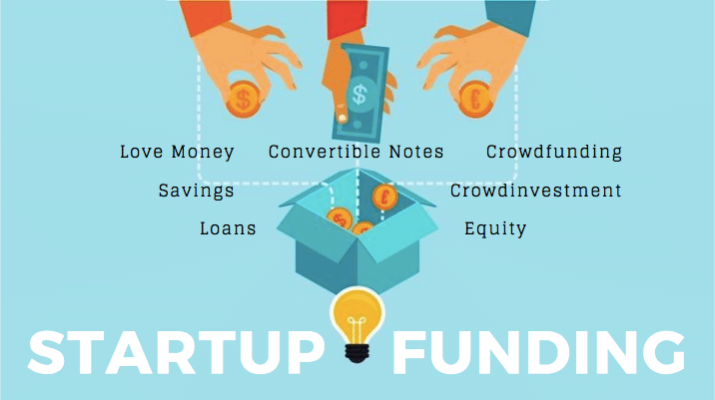
In the world of entrepreneurship, securing new business funding for startups is essential for turning innovative ideas into reality. With a plethora of startup funding options available, from venture capital to angel investors, navigating this financial landscape can be overwhelming for aspiring founders. This engaging article will unveil the multitude of avenues available for funding, including emerging methods like crowdfunding for startups and government grants that provide non-repayable support. Our goal is to empower entrepreneurs with the knowledge needed to attract investment that fuels growth and drives success. Join us as we explore these vital funding avenues and set your startup on the path to accomplishment!
Launching a new venture often hinges on finding effective financing solutions to bring visions to life. This discussion on startup financing reveals various strategies employed by entrepreneurs to secure the capital necessary for growth. By tapping into resources such as angel networks and alternative funding models, founders can discover diverse opportunities that cater to their unique business needs. Moreover, leveraging platforms dedicated to crowdfunding for startups offers an innovative way to reach potential investors and build a community around their brand. Whether it’s through traditional means or newer approaches, understanding these options is key to navigating the startup ecosystem successfully.
Innovative Startup Funding Options
In today’s competitive market, startups have more avenues for funding than ever before. Traditional methods, such as venture capital, are now complemented by innovative solutions like equity crowdfunding and revenue-based financing. Equity crowdfunding, in particular, allows startups to engage with a larger audience of potential investors through digital platforms, providing a unique opportunity to gather capital without significant dilution of ownership. This democratization of investment opens doors for smaller investors who may not have had access to early-stage funding opportunities before.
Additionally, revenue-based financing is rising as a preferred option for startups generating income. This model allows entrepreneurs to repay their investors based on the company’s revenue, reducing the financial strain typically associated with fixed repayment schedules from traditional loans. By leveraging these new funding avenues, startups can secure necessary capital while retaining control over their business direction, ultimately fostering an environment conducive to innovation and growth.
Securing Government Grants for Startups
Government grants represent a valuable resource for startups seeking to harness innovation while minimizing financial risk. Unlike loans, these grants do not require repayment, making them an attractive option for entrepreneurs looking to fund their projects without the burden of debt. For instance, several initiatives by the U.S. Small Business Administration target startups in specific sectors, such as technology and sustainability, providing crucial funding for companies committed to addressing pressing societal issues.
Navigating the complexities of government grant applications can be daunting, but the potential rewards are well worth the effort. Startups should take time to research available grants that align with their business goals and industry focus. Developing a compelling proposal that outlines the project’s impact and feasibility can significantly increase the chances of securing funding. Moreover, entrepreneurs can often find support through local partnerships and workshops that demystify the application process.
Leveraging Angel Investors in Your Startup Journey
Angel investors play a pivotal role in the startup ecosystem, offering not just financial support but also a wealth of knowledge and mentorship. These investors are typically high-net-worth individuals eager to back promising startups and can provide valuable guidance that goes beyond monetary investment. By engaging with angel investor networks, entrepreneurs can access resources that help fine-tune their business strategies and increase their chances of success.
Building relationships with angel investors is essential, as many hope to connect with founders who share their vision and industry passion. Establishing a rapport can facilitate not only investment opportunities but also invaluable contacts within the industry. Startups should actively participate in pitch competitions and networking events where they can showcase their ideas and attract potential angel investors, thus giving them the best possible chance to secure funding.
The Evolving Landscape of Venture Capital
The venture capital landscape has undergone significant changes in recent years, with investors becoming increasingly selective in their funding choices. Early-stage startups often find it challenging to secure backing as many traditional firms prioritize later-stage companies that demonstrate proven traction. This shift encourages young businesses to explore alternative funding avenues earlier in their development, adapting to an environment that increasingly favors established enterprises over nascent ones.
Startups are now finding creative ways to finance their operations, including bootstrapping, which enables founders to maintain more control over their companies. By using personal savings or profits from initial sales, entrepreneurs can preserve equity and develop their business at their own pace. This shift toward self-funding, combined with a proactive approach to exploring diverse funding sources, allows startups to remain resilient and competitive in a dynamic market.
Utilizing Online Platforms for Startup Funding
The digital age has revolutionized the way startups secure funding, with numerous online platforms offering tailored solutions to entrepreneurs seeking capital. Websites such as SeedInvest and Crowdcube facilitate equity crowdfunding, enabling startups to attract a diverse range of investors and bypass traditional funding barriers. These platforms provide a user-friendly interface where startups can present their business models and interact with potential backers, significantly broadening their funding reach.
In addition to crowdfunding platforms, resources like Gust help startups connect with angel investors and access vital tools for successful funding strategies. These online hubs equip entrepreneurs with insights into best practices for pitching and building lasting investor relationships. By leveraging these resources, startups can streamline their funding process, allowing them to focus more on innovation and growth rather than navigating the complexities of traditional financing methods.
Educational Resources to Master Startup Funding
Education is a crucial factor in navigating the complex world of startup funding. Entrepreneurs that invest time in learning about various funding options and strategies significantly improve their chances of success. Numerous online platforms offer courses and webinars tailored to startup financing, providing insights into both traditional and contemporary methods. These resources empower founders with knowledge about best practices, common pitfalls, and the latest trends in funding.
Institutions like Harvard Business School and online learning platforms such as Coursera provide programs focused specifically on financing strategies for startups. By engaging with these educational resources, entrepreneurs can equip themselves with the skills and insights necessary to attract the right investors and secure funding. This knowledge not only enhances their fundraising skills but also boosts their overall confidence in navigating the dynamic startup landscape.
Navigating Startup Financial Strategies
Crafting a sound financial strategy is essential for startups aiming to secure new business funding. Entrepreneurs must assess their funding needs carefully and explore various financing options that align with their business models and growth objectives. This involves determining whether equity financing, debt financing, or a combination of both is the best fit for their company’s specific needs.
Additionally, startups should keep an eye on the competitive landscape and track emerging funding trends, such as revenue-based financing and crowdfunding. By staying informed and open to innovative solutions, founders can develop a diversified funding strategy that balances risk and reward. Such an approach ensures stability and positions the startup for long-term success in an ever-changing economic environment.
Strategies for Entrepreneurial Resilience
Resilience is a critical attribute for entrepreneurs, especially in the ever-evolving sphere of startup funding. In facing the challenges of securing capital, it is essential for founders to adopt a resilient mindset that embraces adaptability and innovation. This includes being open to new funding methods and revisiting existing strategies when necessary to align with current market conditions.
Moreover, resilience can be reinforced through building strong networks within the startup ecosystem. Engaging with fellow entrepreneurs, mentors, and investors can provide valuable insights and support. By fostering these relationships and sharing experiences, startups can learn from each other’s successes and failures, ultimately enhancing their resilience in navigating the funding landscape.
Maximizing Potential through Diverse Funding Sources
To thrive in today’s startup ecosystem, entrepreneurs must actively seek out diverse funding sources tailored to their unique business needs. Relying solely on one type of funding can be risky; therefore, a multi-faceted approach that includes angel investors, government grants, crowdfunding, and venture capital can provide a safety net that boosts a startup’s financial health.
This diversification enables startups to remain agile during periods of market fluctuations or economic uncertainty. Moreover, leveraging different funding sources can also improve credibility and attract higher quality investors, creating a virtuous cycle of trust and opportunity. By adopting a diversified funding strategy, entrepreneurs can position their startups for sustained growth and innovation in the face of shifting challenges.
Frequently Asked Questions
What are the top startup funding options available for new businesses?
When it comes to new business funding for startups, entrepreneurs can explore several startup funding options. These include equity crowdfunding, which allows startups to raise small investments from a large number of individuals online, and government grants specifically designed to support innovative projects without the need for repayment. Additionally, angel investors often provide valuable capital along with mentorship, while venture capital for startups is available for those with a solid business model. Understanding these varied avenues can enhance the chances of securing the necessary capital for startup success.
| Funding Option | Description | Key Benefits |
|---|---|---|
| Equity Crowdfunding | Raising capital from numerous investors via online platforms. | Access to a large pool of investors without giving up significant equity. |
| Government Grants | Non-repayable funds provided by governments to encourage innovation. | No repayment required; perfect for specific project needs. |
| Angel Investor Networks | Connections between startups and experienced investors who offer funding and mentorship. | Valuable guidance, industry contacts, and funding support. |
| Revenue-Based Financing | Investors receive repayment based on the startup’s revenue. | Less pressure and dilution compared to equity funding. |
| Venture Capital Adjustments | Increased selectivity among investors, focusing on later-stage startups. | Need for early-stage startups to explore other options. |
| Online Funding Platforms | Websites that assist entrepreneurs in finding investors. | Saves time and streamlines funding processes. |
| Educational Resources | Courses and webinars aimed at educating entrepreneurs on funding. | Empowers founders with knowledge on best practices. |
Summary
New business funding for startups is essential for success in the competitive landscape of entrepreneurship. With innovative funding options rapidly emerging, startup founders have unprecedented opportunities to secure the financial support they need. From leveraging equity crowdfunding and government grants to engaging with angel investor networks and online platforms, startups are encouraged to adopt a diverse and proactive approach when seeking capital. As the financial environment continues to evolve, being informed and adaptable will allow entrepreneurs to not only navigate the complexities of funding but also maximize their chances of thriving in a challenging market.
When it comes to startup funding options, entrepreneurs have various avenues to explore, each with its unique advantages and challenges. The most common sources include personal savings, loans, angel investing, venture capital, crowdfunding, and government grants. Understanding the nuances of these funding options is critical for founders looking to scale their businesses effectively.
Crowdfunding has emerged as a popular choice for startups looking to raise capital while simultaneously building a customer base. Platforms like Kickstarter and Indiegogo allow entrepreneurs to present their ideas directly to potential backers, who can pledge money in exchange for early access to products or rewards. This funding method not only helps raise money but also validates business concepts and garners public interest, which can be crucial for long-term success.
Government grants for startups are another viable funding source that many entrepreneurs overlook. Unlike loans, grants do not require repayment, which makes them particularly appealing for new ventures. These grants often focus on specific sectors such as technology, healthcare, or sustainability, and are offered by various government bodies at local, state, and national levels. Entrepreneurs should research eligibility criteria and application processes to maximize their chances of securing this type of funding.
Angel investors are typically high-net-worth individuals who provide capital to startups in exchange for ownership equity or convertible debt. They often come with industry expertise, guidance, and a network of contacts, which can be invaluable for early-stage companies. Securing angel investment can not only provide necessary funds but also establish credibility and support to help navigate the challenges of starting a new business.
Venture capital (VC) firms represent a more structured form of investment for startups that demonstrate significant growth potential. VCs pool funds from various investors to finance startups in exchange for equity stakes, often aiming for high returns over a relatively short period. While venture capital can infuse substantial capital and offer valuable strategic advice, it typically comes with pressures for rapid growth and exit strategies, which can be a double-edged sword for entrepreneurs.
