
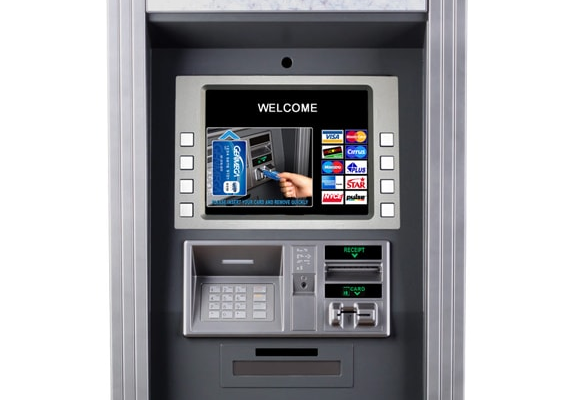
ATM machines, or Automated Teller Machines, have become an indispensable part of modern banking, allowing users to swiftly access their funds and perform transactions any time of the day. These machines come in various types, including traditional ATMs, smart ATMs that offer advanced features, and even cryptocurrency ATMs catering to the digital currency boom. Their importance lies not only in cash dispensing but also in providing enhanced ATM security features to protect users from fraud. With technological advancements, such as cardless transactions and user-friendly interfaces, ATM machines have evolved to meet the needs of a diverse consumer base. Join us as we delve deeper into the different kinds of ATMs, their capabilities, and what makes them a key player in today’s financial landscape.
Automated Teller Machines, widely recognized as cash dispensers, are instrumental in providing essential banking services beyond mere cash withdrawal. These banking kiosks, found in various locations, have transformed the way we interact with our finances, thanks to their accessibility and multifunctional capabilities. The emergence of advanced banking terminals, such as intelligent ATMs and cryptocurrency exchanges, showcases the ongoing innovation in this sector. With a focus on user safety, ATM machines incorporate robust security measures to enhance customer trust. In this guide, we will explore the diverse offerings of ATM technology, catering to the demands of today’s tech-savvy consumers.
Exploring the Diverse Types of ATM Machines
Automated Teller Machines (ATMs) have evolved significantly since their inception, now encompassing a wide variety of types tailored to diverse banking needs. Traditional ATMs remain ubiquitous in banking, often found within bank branches, grocery stores, and public areas, providing essential services such as cash withdrawals and balance inquiries. Despite their basic functionalities, many users appreciate their simplicity and familiarity, which remains a cornerstone of banking convenience.
However, the emergence of Smart ATMs has introduced a new dimension to cash access. These technologically advanced machines not only dispense cash but also allow users to deposit cash and checks securely. One of the standout features of Smart ATMs is cash recycling, where deposited cash is immediately available for withdrawal by other customers, significantly increasing operational efficiency and reducing the frequency of cash replenishment.
Key Features of Modern ATMs You Should Know
The evolution of ATM technology has introduced numerous features that enhance user experience and security. Key among these is the ability to perform cash deposits alongside withdrawals, transforming ATMs into multi-functional banking machines. Additionally, the rise of cardless transactions has revolutionized how consumers interact with ATMs; by using mobile apps, customers can securely access their accounts without the need for physical cards, offering an extra layer of convenience.
Security is also paramount in modern ATMs, with built-in security features such as biometric identification and anti-skimming technology becoming increasingly common. These advanced measures are designed to protect consumers from fraud and unauthorized access, thereby enhancing trust in ATM usage.
The Rise of Cryptocurrency ATMs
As digital currencies gain popularity, cryptocurrency ATMs have emerged as a significant trend in the finance world. These specialized machines simplify the process of buying and selling cryptocurrencies, making it accessible to those new to the crypto market. Unlike traditional ATMs, cryptocurrency ATMs enable users to engage with digital currencies directly, reflecting a broader shift towards integrating modern banking with emerging financial technologies.
Many cryptocurrency ATMs allow users to convert cash into Bitcoin and other digital currencies or sell their cryptocurrencies for cash. This newfound accessibility not only caters to tech-savvy consumers but also promotes financial literacy in digital currencies, empowering a wider audience to engage with this transformative financial landscape.
Enhanced ATM Security Features: What to Look For
In an age where cybersecurity is a growing concern, advanced security features in ATMs are more critical than ever. Modern ATMs come equipped with biometric capabilities, such as fingerprint scanning or facial recognition, ensuring that only authorized users can access their accounts. Additionally, chip card technology (EMV) has become a standard in ATM security, reducing the risk of card cloning and fraudulent transactions.
Moreover, features like transaction alerts sent to a user’s mobile phone and real-time monitoring systems also play a crucial role in enhancing ATM security. By informing users of any suspicious activities, these integrations help mitigate risks and maintain confidence in automated banking transactions, highlighting the importance of security in our daily financial interactions.
Frequently Asked Questions
What are the different types of ATM machines available today?
There are several types of ATM machines, including traditional ATMs that provide basic services like cash withdrawal, smart ATMs that offer advanced features such as cash and check deposits, kiosk ATMs which facilitate bill payments and account management, and mobile ATMs designed for temporary locations. Each type caters to varying consumer needs and enhances accessibility.
What features should I look for in smart ATMs?
When considering smart ATMs, focus on features such as cash recycling capabilities, which allow ATMs to accept deposits and dispense cash efficiently. Other important features include cardless transaction options for enhanced convenience, user-friendly interfaces, and robust security measures like biometric identification and anti-skimming technology.
How do cryptocurrency ATMs work?
Cryptocurrency ATMs, often referred to as crypto ATMs, enable users to buy and sell cryptocurrencies such as Bitcoin. These machines allow for direct transactions using cash or debit cards, making it easier for the public to access cryptocurrency without using online exchanges, thereby increasing the usability and acceptance of digital currencies.
What security features should I consider when using ATM machines?
It is essential to look for advanced security features in ATM machines, such as biometric authentication (fingerprint or facial recognition), EMV chip technology to prevent card cloning, and anti-skimming devices that protect your card information. These features are crucial for ensuring safe and secure transactions at ATMs.
| Type of ATM | Key Features | Recent Developments |
|---|---|---|
| Traditional ATMs | Basic services: cash withdrawals, balance inquiries | None specific to this type |
| Smart ATMs | Cash recycling, deposits, advanced technology | Integration of AI for customer service |
| Kiosk ATMs | Bill payments, account management, ticket sales | Emergence of eco-friendly ATMs |
| Mobile ATMs | Transportable, situational use | Increased adoption of crypto ATMs |
Summary
ATM Machines are crucial components of modern banking, revolutionizing the way we manage our finances. As technology advances, the variety of ATM Machines available continues to grow, providing users with enhanced features and functionalities to meet their banking needs. From traditional cash dispensing capabilities to innovative smart and mobile ATMs, these machines have become more user-friendly and secure. Recent developments, such as the rise of cryptocurrency ATMs and a focus on sustainability, highlight the dynamic nature of the banking landscape. Being informed about various types of ATMs and their features not only enhances the user experience but also ensures that consumers can maximize their benefits when interacting with these essential financial tools.
Automated Teller Machines (ATMs) come in several types to cater to different banking needs. The most common type is the cash dispensing ATM, which allows users to withdraw cash using their debit or credit cards. Another type is the deposit ATM, which enables users to deposit cash or checks directly into their accounts without needing to enter a branch. There are also multifunctional ATMs that combine the features of both cash dispensing and deposit machines, and they can provide additional services such as balance inquiries and transaction receipts. Moreover, mobile ATMs are often set up for events or festivals, providing temporary access to cash for attendees.
ATM features have evolved significantly to enhance user experience and security. Basic features include cash withdrawal, balance inquiries, and account statements. More advanced ATMs may offer services such as mobile banking integration, allowing users to perform transactions via their smartphones. Interactive touch screens, multilingual support, and audio assistance cater to a broader range of users, including those with disabilities. Additionally, some ATMs now support EMV chip card technology and contactless payments using NFC, improving transaction speed and security.
Smart ATMs represent the next evolution in ATM technology, incorporating advanced features that extend beyond traditional cash transactions. These machines often include functionalities such as check scanning, bill payments, and QR code transactions for faster and more convenient banking. Smart ATMs also connect to the internet, offering real-time updates and the ability to communicate with customers via apps or notifications. This interconnectivity allows for enhanced data analytics, helping banks to track user patterns and improve service offerings based on customer behavior.
Cryptocurrency ATMs are a growing trend that allows users to buy and sell cryptocurrencies like Bitcoin using cash or credit/debit cards. These machines are designed to make cryptocurrency transactions more accessible to the general public by simplifying the process. Users can insert cash into the machine and receive a QR code that represents their crypto purchase, which they can then redeem in a digital wallet. Some cryptocurrency ATMs also allow for conversions from crypto back to cash, expanding their utility and catering to a more tech-savvy clientele who wish to invest or transact in digital currencies.
Security features of ATMs are critical to ensuring the safety of transactions and the protection of customer data. These features include encryption technology to secure data during transmission, biometric verification methods such as fingerprint or facial recognition, and advanced surveillance systems for monitoring the ATM environment. Many ATMs also use anti-skimming devices that prevent unauthorized data access from card readers. Additionally, user education about phishing scams and ensuring secure PIN entry practices are vital components in enhancing ATM security and protecting customers from fraud.
