
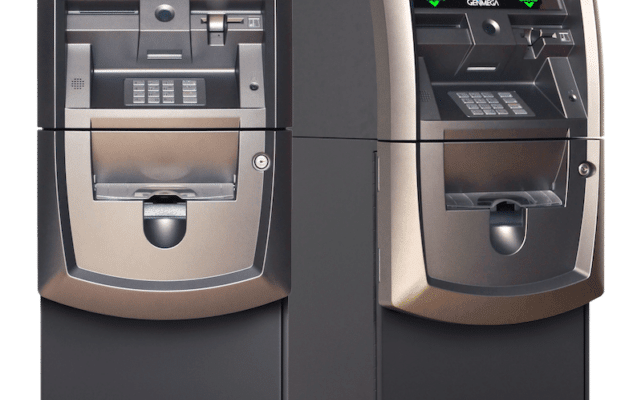
Buying ATM machines can be a lucrative investment for business owners looking to enhance customer convenience while securing additional revenue streams. As cash remains a common form of transaction in our economy, understanding the ATM machine costs, including purchase prices and operational fees, is essential for making informed decisions. Additionally, successful ATM ownership entails careful consideration of ATM location strategies to maximize user engagement and transaction volume. It’s also crucial to navigate ATM regulations to ensure compliance and smooth operations. By equipping oneself with comprehensive knowledge on the cost of owning an ATM and the potential ATM revenue and fees, buyers can unlock the door to profitable business opportunities.
Acquiring cash dispensing kiosks, often referred to as ATM machines, presents a unique opportunity for entrepreneurs seeking to diversify their business portfolios. The realm of automated teller machines is broad and involves crucial factors such as initial expenditure, strategic placement for maximum foot traffic, and understanding the complexities of regulations governing their operation. By addressing the financial implications, including ongoing costs associated with managing these machines, potential ATM buyers can better gauge the profitability of their endeavors. Moreover, as technology advances, recognizing trends can enhance their competitive edge in the marketplace. Overall, tapping into this sector can lead to meaningful revenue generation when approached with the right strategies.
Understanding ATM Machine Costs and Revenues
When considering buying ATM machines, understanding the financial implications is critical. ATM machine costs can vary significantly based on factors such as the machine’s features, brand, and whether it’s new or used. Typically, buyers can expect to spend anywhere from $2,000 to $8,000 upfront. Beyond the initial purchase, the cost of owning an ATM includes operational expenses like maintenance, cash replenishment, transaction fees, and possibly lease payments for high-traffic locations. Proper forecasting of these costs will help in assessing whether the ATM investment is potentially profitable.
In conjunction with the initial and operational costs, it is essential to evaluate the potential revenue from owning an ATM. ATM owners typically earn income by charging transaction fees, which can range from $2 to $4 per withdrawal. If positioned in high-traffic areas, the transaction volume can significantly boost profitability. Comprehensive analysis of the location demographics and expected customer flow is crucial to estimate transaction volumes accurately. Understanding these dynamics will inform owners about the profitability of their ATM investment and help in strategizing fee structures.
Crucial Strategies for ATM Location Placement
Selecting the ideal placement for your ATM is one of the most critical decisions you will make as a new owner. High visibility and foot traffic are key factors that will drive transactions. Shopping centers and convenience stores often have the highest success rates due to the natural flow of consumers looking to make cash withdrawals quickly. Nightlife districts are another prime area where demand peaks during evenings, ensuring a steady inflow of transactions. Employing effective ATM location strategies will ultimately determine your machine’s success.
To develop an effective location strategy, conducting thorough market research is essential. Analyzing consumer behavior in various locales helps identify hotspots where an ATM will be most profitable. Additionally, utilizing demographics to predict customer needs will guide your decision-making. For instance, understanding whether the surrounding community is primarily composed of young adults or families can influence both the functionality of the ATM and how you market its presence. This market intelligence is vital for maximizing the performance of your investment.
Navigating ATM Regulations and Compliance
Before investing in ATM machines, it is imperative to understand the regulations governing ATM operations in your area. Many jurisdictions require permits for installation and operation, and failure to comply with these regulations can lead to fines or even shutdowns of your machines. Additionally, ensuring adherence to the Americans with Disabilities Act (ADA) standards is crucial for accessibility, which not only fulfills legal requirements but also broadens your customer base by accommodating everyone, including those with disabilities.
Understanding these regulatory frameworks is the foundation of responsible ATM ownership. Failing to grasp the necessary compliance points can create operational hurdles down the line. It is advisable to consult with local regulatory bodies or legal experts to ensure that your ATM operations meet all legislative expectations and guidelines. This due diligence not only protects your investment but also boosts your reputation as a responsible owner that values customer access and safety.
Technological Innovations Shaping the Future of ATMs
With technology continuously evolving, staying abreast of advancements in the ATM sector is vital for owners who wish to remain competitive. Innovations such as mobile payment integration allow users to conduct transactions via their smartphones, leading to faster and more secure cash withdrawal experiences. Embracing these new technologies can significantly enhance customer satisfaction and usage rates, subsequently improving revenue generation for ATM owners.
Moreover, advancements in security technologies, including biometric authentication, provide enhanced protection against fraud. As consumers become increasingly concerned about their financial security, offering state-of-the-art security features can be a major selling point for your ATM. In addition, keeping an eye on emerging technologies, such as blockchain, can reveal opportunities to integrate cutting-edge solutions that streamline operations while ensuring maximum safety. Staying informed about these trends allows ATM owners to adapt their business strategies effectively to meet changing market demands.
Frequently Asked Questions
What are the ATM machine costs involved in buying an ATM?
When considering buying ATM machines, potential owners should note that the costs can range between $2,000 to $8,000 depending on the machine’s features and brand. Additionally, ongoing costs such as maintenance, cash replenishment, and transaction fees must also be factored into the overall price of owning an ATM.
How can I develop effective ATM location strategies for maximizing profitability?
To develop effective ATM location strategies, analyze high-traffic areas like shopping centers, convenience stores, and nightlife districts. By strategically placing your ATM in locations with high foot traffic, you can increase usage and revenue potential. Conducting thorough market research will help identify the best spots for your ATM machines.
What regulations should I be aware of when buying ATM machines?
Before buying ATM machines, it’s essential to understand the ATM regulations in your area, including local permits for installation and ADA compliance for accessibility. Being knowledgeable about these regulations can help you avoid potential legal issues and ensure your ATM operations are compliant with local laws.
What is the cost of owning an ATM beyond the initial purchase?
The cost of owning an ATM extends beyond the initial purchase price. Owners must consider ongoing expenses such as maintenance fees, transaction processing costs, cash replenishment, and any lease payments if the machine is placed on rented property. These operational costs are crucial for budgeting and maximizing your ATM’s profitability.
| Key Factors | Details |
|---|---|
| Introduction | Overview of the ATM market and its growth potential. |
| Initial Costs | Cost of new machines ranges from $2,000 to $8,000, plus operational costs. |
| Selecting the Right Machine | Consider customer demographics, transaction volume, and security features. |
| Licensing and Regulations | Awareness of local permits and ADA compliance is essential. |
| Location Strategies | High-traffic areas such as shopping centers and nightlife districts are ideal. |
| Partnering with Providers | Collaborating with ATM placement companies can simplify management. |
| Fees and Revenue | Transaction fees typically range from $2 to $4. |
| Technological Trends | Emerging technologies include mobile payment features and enhanced security. |
Summary
Buying ATM machines can be a rewarding investment for entrepreneurs looking to tap into the cash-based economy. As demand for easy access to cash continues to rise, understanding the intricacies of ATM ownership—from initial costs and regulatory requirements to optimal placement and revenue strategies—is crucial. By paying attention to trends and establishing partnerships with experienced providers, potential ATM buyers can position themselves for profitable operations. Ultimately, those who approach the market with knowledge and a strategic mindset are likely to thrive in the burgeoning ATM industry.
ATM machines can vary significantly in cost depending on various factors such as brand, features, and functionality. Basic models are typically priced around $2,000 to $3,000, while more advanced machines with additional features such as check deposits or currency sorting capabilities can reach costs of $10,000 or more. Additionally, one must consider ongoing costs such as maintenance, software updates, and cash replenishment, which can add to the overall financial commitment of owning an ATM.
The strategic placement of ATMs is crucial for maximizing accessibility and profitability. Factors to consider include foot traffic, proximity to businesses, and demographic data of the area. High-traffic locations like malls, airports, and busy streets usually attract more users, increasing transaction volume. Partnerships with local businesses can also be beneficial; for instance, placing an ATM in a convenience store can drive customer traffic, benefitting both the store and the ATM owner.
Operating ATMs is subject to a range of regulations that vary by country and sometimes by state or region. These regulations can include compliance with financial institution standards, consumer protection laws, and specific operational mandates regarding accessibility for individuals with disabilities. It is essential for ATM operators to stay updated on legal requirements, as failure to comply can result in fines or operational shutdowns.
The cost of owning an ATM goes beyond the initial purchase price. Expenses include transaction processing fees, cash replenishment, insurance, and potential repair costs. According to some estimates, all of these can amount to several hundreds of dollars a month, depending on how busy the machine is. Moreover, owners need to factor in the costs of marketing the ATM to increase usage. Therefore, understanding the total cost of ownership is crucial for anyone considering investing in ATM machines.
Revenue from ATMs primarily comes from transaction fees charged to users, which can range from $1.50 to $3.00 per transaction, depending on the location and market. The number of transactions will greatly influence revenue; for high-performance machines, it’s possible to achieve a monthly income of several hundred to over a thousand dollars. Additionally, ATM owners can earn interchange fees from financial institutions for facilitating transactions. Understanding and managing these fees is vital for maximizing profitability.
