
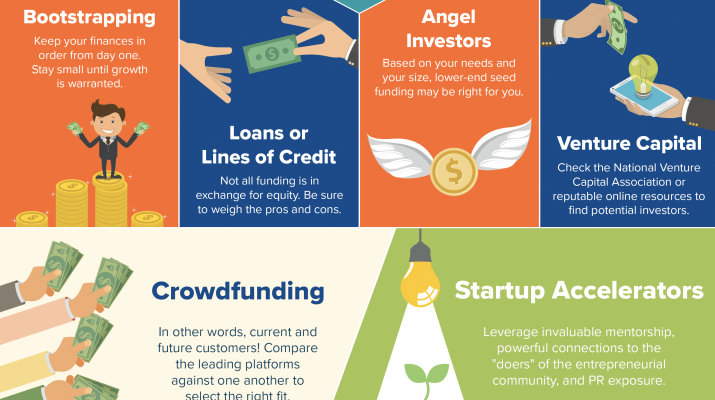
In today’s competitive landscape, **new business funding for startups** is more crucial than ever, providing entrepreneurs with the necessary fuel to turn innovative ideas into successful ventures. From traditional loans to exciting options like **crowdfunding for startups**, various financial pathways are available for those looking to launch or expand their businesses. As we navigate through 2025, understanding **investor funding trends** and the shifting dynamics of capital sources will empower founders to make informed decisions. Moreover, government grants for startups and angel investing in startups represent valuable avenues for raising capital that can often fly under the radar. This guide is designed to equip entrepreneurs with knowledge on the latest funding trends, ensuring they can harness the best opportunities for their growth.
Funding opportunities for emerging enterprises have never been more diverse or accessible, particularly with the rise of crowdfunding platforms and angel investment strategies. New financial support modalities are reshaping the ways startups secure the resources they need to thrive. Entrepreneurs are now able to tap into government-backed initiatives designed to assist business growth, thereby alleviating financial stress during critical early stages. In addition, understanding emerging patterns in investor behavior is pivotal as it directly influences how startups approach funding. This comprehensive exploration of startup financing methods will equip founders with the tools necessary to navigate the complexities of raising capital in today’s dynamic environment.
Diverse Sources of Startup Funding for 2025
In 2025, startup founders have access to a variety of funding sources that cater to their unique needs and business models. Traditional options like bank loans and venture capital remain popular, but alternative financing avenues are gaining traction. Investors are increasingly willing to provide funds to startups that exhibit innovation, especially in high-demand sectors like health technology and sustainable energy. Additionally, the rise of non-traditional funds such as bootstrapping and peer-to-peer lending demonstrates an evolving funding landscape where diverse strategies can be employed for capital generation.
Moreover, equity crowdfunding stands out among new business funding for startups, allowing entrepreneurs to tap into the crowd for investments. By leveraging platforms like SeedInvest and Wefunder, startups can present their business ideas to a broader audience, enabling them to raise relatively small amounts from numerous investors. This democratization of funding not only increases the capital available but also builds a community around the startup, creating loyal customers and brand advocates even before the product launch.
Frequently Asked Questions
What are some effective startup funding sources for new businesses?
When exploring new business funding for startups, it’s essential to consider various startup funding sources such as angel investing, venture capital, government grants, and crowdfunding for startups. Each source offers distinct advantages: angel investors provide early-stage backing, venture capitalists invest in high-growth potential companies, while government grants often require no equity loss. Additionally, equity crowdfunding platforms like SeedInvest and Wefunder allow you to raise capital from a diverse range of non-accredited investors, broadening your funding options.
| Key Points | Details |
|---|---|
| Increased Interest from Investors | Venture capital funding reached approximately $125 billion in early 2023, focusing on sectors like health technology, fintech, and sustainable energy. |
| Emergence of New Funding Platforms | Platforms like SeedInvest and Wefunder enable non-accredited investors to fund startups, expanding funding access. |
| Government Grants and Support | The SBA and European Innovation Council are expanding programs to support innovation-driven startups. |
| Trends in Angel Investing | Increased focus on niche markets with a social responsibility aspect; platforms like AngelList facilitate connections. |
| Changes in Equity Terms | Startups can negotiate more favorable equity terms amidst competition, focusing on long-term growth. |
| Impact of Remote Work Trends | Investors are attracted to startups creating digital tools and cybersecurity solutions in response to remote work demands. |
Summary
New business funding for startups has become increasingly accessible and diversified, providing entrepreneurs with multiple avenues to secure financial backing. As the startup landscape evolves in 2025, entrepreneurs can tap into a rejuvenated venture capital environment, emerging crowdfunding platforms, and supportive government initiatives. This dynamic funding ecosystem encourages startups to innovate and adapt, highlighting the importance of strategic networking and informed negotiation. By leveraging these opportunities, founders can not only navigate the complexities of funding but also position their startups for sustained growth and success in the competitive market.
Startup funding sources vary widely, allowing new businesses to explore numerous avenues for financial support. Founders can leverage personal savings, seek investments from family and friends, or turn to institutional sources such as venture capital firms. Additionally, angel investors play a key role by providing not just capital but mentorship and networking opportunities. Understanding the landscape of different funding sources is crucial for startup success.
Crowdfunding has emerged as a popular method for startups to raise capital, allowing them to reach a broad audience of potential investors through platforms like Kickstarter and Indiegogo. This approach not only provides financial support but also serves as a marketing tool, allowing entrepreneurs to gauge interest in their products before launch. Successful crowdfunding campaigns can create a community of loyal customers and advocates, aiding in long-term business growth.
Investor funding trends have evolved in response to changing market dynamics and technological advancements. Investors are increasingly drawn to disruptive startups that leverage AI, machine learning, and green technologies. Additionally, an emphasis on environmental, social, and governance (ESG) criteria is shaping investment behaviors. Startups that align with these trends and can demonstrate a clear value proposition stand a better chance of securing funding in a competitive landscape.
Government grants for startups provide a viable alternative to traditional financing methods, often targeting specific industries or social goals. Grants are typically non-dilutive, meaning that startups can secure funding without giving away equity. Various programs exist at federal, state, and local levels, aimed at promoting innovation, research, and development. Startups must navigate a complex application process but can benefit significantly from the financial and reputational support that grants offer.
Angel investing in startups is a critical funding pathway characterized by individuals who provide capital in exchange for equity or convertible debt. Angel investors often possess industry expertise and can offer invaluable networking opportunities and guidance alongside their financial contributions. The angel investment landscape is becoming increasingly competitive, with networks and platforms emerging to connect startups with potential investors. Startups that effectively communicate their vision and business model can attract angel investments, which are often pivotal in early-stage growth.
