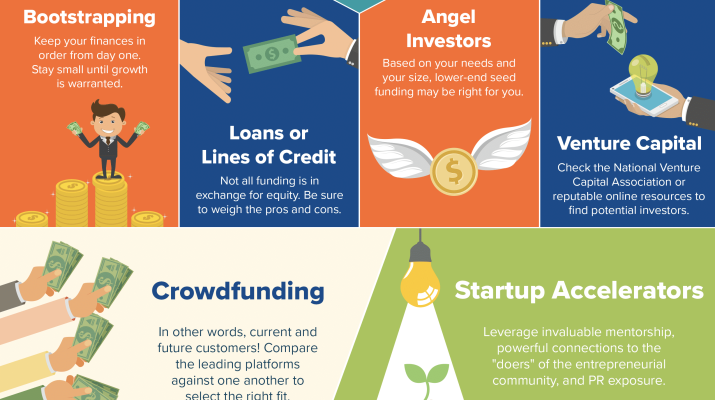
When it comes to navigating the challenges of launching a new enterprise, understanding Business Funding Options for Startups is crucial. As traditional financing avenues begin to diversify, entrepreneurs can now explore a myriad of choices to secure the capital needed to fuel their ventures. From innovative crowdfunding platforms that engage public support to government grants for startups that provide non-dilutive funding, the landscape is richer than ever. Additionally, sustainable investing has started to take precedence, with investors looking to back companies that demonstrate social responsibility and environmental stewardship. This article will thoroughly examine these diverse startup funding options, focusing on how each can catalyze growth and success for your new business.
In the ever-evolving startup ecosystem, entrepreneurs are increasingly seeking diverse funding avenues that go beyond conventional methods. Alternative financing options, such as community-driven crowdfunding or government-funded programs, offer unique pathways for new businesses to secure the necessary resources. By tapping into peer-to-peer lending or revenue-based models, startups can maintain equity while accessing vital capital. Moreover, the growing trend of sustainable investing highlights a shift toward supporting startups committed to positive societal impacts. This exploration into various funding sources underscores the importance of adaptability for startups aiming to thrive in today’s competitive market.
Exploring Business Funding Options for Startups
Startups today have access to a myriad of funding options that extend beyond the realms of traditional venture capital. Exploring business funding options for startups has never been more critical, as entrepreneurs can leverage alternative methods such as crowdfunding, peer-to-peer lending, and revenue-based financing. These avenues not only provide the necessary capital to launch and grow a business but can also alleviate the pressures that come with diluting ownership or meeting stringent repayment terms that conventional funding often imposes.
In addition to these innovative funding methods, startups can tap into government programs designed to support entrepreneurial endeavors. Many governments around the world are offering grants and incentives that do not require repayment, allowing business owners to focus on scaling their operations without the constant worry of investor expectations. As the landscape evolves, the importance of these business funding options for startups becomes increasingly evident.
The Rise of Crowdfunding in Startup Financing
Crowdfunding has emerged as a disruptive force in the startup funding arena, allowing entrepreneurs to raise capital directly from the public. This approach bypasses traditional financial institutions and venture capitalists entirely. With platforms like Kickstarter and Indiegogo, innovators can share their unique visions with potential supporters and secure funding while simultaneously building a loyal customer base. Crowdfunding not only democratizes investment opportunities but also empowers startups to gauge market interest even before their product hits the shelves.
The impact of crowdfunding on startup financing is profound, offering benefits beyond mere capital. Entrepreneurs develop relationships with their backers and can harness community support to refine their offerings based on direct feedback. This collaborative approach to funding fosters a sense of ownership among investors and deepens the connection startups have with their initial user base, making it a highly strategic business funding option for startups venturing into highly competitive markets.
Government Grants for Startups: An Underutilized Resource
Government grants for startups are an invaluable yet often underutilized funding source. These non-dilutive financial aids allow entrepreneurs to secure capital without surrendering equity or taking on debt, thereby alleviating financial stress in the critical early stages of a business. Programs administered by entities such as the Small Business Administration (SBA) in the U.S. are designed to foster innovation and support minority-owned businesses, exemplifying the commitment of government to nurture the entrepreneurial ecosystem.
Furthermore, applying for government grants typically involves a streamlined process, with many programs tailored to specific industries or initiatives that encourage sustainable business practices. This means startups not only gain access to funding but can also align their missions with broader societal goals, appealing to impact investors and socially conscious consumers. By integrating government grants into their funding strategy, startups can unlock significant potential while ensuring they contribute positively to their communities.
Alternative Funding Sources for Modern Entrepreneurs
With the ever-evolving landscape of entrepreneurship, alternative funding sources have become essential for startups seeking flexibility and innovative financial solutions. Beyond conventional banks and venture capitalists, options such as peer-to-peer lending and revenue-based financing offer attractive alternatives. Peer-to-peer lending platforms allow entrepreneurs to connect directly with individual investors, often securing better rates than traditional loans, while revenue-based financing aligns investor interests with the startup’s performance, enabling repayment tied to revenue fluctuations.
These alternative funding sources not only reduce dependence on traditional financing but also allow startups to maintain greater control over their businesses. Entrepreneurs can scale without losing equity or facing the burdensome terms often associated with conventional funding routes. By embracing diverse financial options, today’s startups can craft a unique funding strategy that supports their growth trajectories while fostering innovation in competitive markets.
The Growing Importance of Sustainable Investing in Startups
Sustainable investing has gained significant traction, presenting startups with a unique opportunity to attract funding from socially conscious investors. As consumers increasingly prioritize ethical and environmentally-friendly business practices, startups focusing on sustainability can create compelling narratives that resonate with potential backers. Investors are not only interested in financial return but also in the social and environmental impact their investments create, which makes sustainable startups especially appealing.
Moreover, incorporating Environmental, Social, and Governance (ESG) criteria into a startup’s operational framework enhances its attractiveness to investors. This strategic alignment with sustainable investing trends allows startups to draw attention from funding sources that previously may have overlooked them, expanding their investor pool. In this context, embracing sustainability is not merely an ethical choice but a strategic business decision that can catalyze growth and profitability in today’s market.
Leveraging Incubator and Accelerator Programs for Startup Growth
Incubator and accelerator programs have emerged as vital ecosystems for startups, providing structured support that extends beyond financial assistance. These initiatives offer valuable mentorship, networking opportunities, and access to resources that can significantly enhance a startup’s chance for success. By participating in these programs, entrepreneurs gain insights from industry experts, improving their business models and strategies to align better with market demands.
Additionally, incubators and accelerators often culminate in demo days, where startups pitch their ideas to potential investors, further facilitating capital acquisition. This nurturing environment fosters not just the growth of individual startups but also contributes to a thriving entrepreneurial community. By leveraging these programs, startups can position themselves as attractive investments within the broader startup ecosystem, thereby increasing their chances of securing funding.
Equity Crowdfunding: Transforming the Investment Landscape
Equity crowdfunding has revolutionized how startups access capital by enabling them to seek investments from a broad spectrum of individuals rather than relying solely on venture capital firms or wealthy investors. The regulatory changes introduced in the past few years have lowered the barriers to entry for startups, allowing them to tap into a diverse pool of potential investors who are eager to fund innovative business ideas. This democratization of investment not only facilitates startups in raising the necessary funds but also enhances community engagement with the products and services they propose.
As equity crowdfunding continues to grow in popularity, startups benefit from not just financial support but a network of enthusiastic advocates who are invested in their success. This model fosters a sense of community around the brand, as everyday consumers become stakeholders and share vested interest in the startup’s journey. Consequently, this form of funding enriches the startup ecosystem by opening up new channels for growth and collaboration.
Conclusion: Embrace the Evolution of Startup Funding
The landscape of startup funding has evolved significantly, transitioning from traditional methods to a diverse array of innovative options. By embracing alternatives like crowdfunding, government grants, and sustainable investing, entrepreneurs can forge pathways to success while minimizing financial burdens. Startups now have an unprecedented opportunity to define their funding strategies uniquely, aligning them with both market demand and their mission.
As the business environment continues to transform, the emphasis on understanding and leveraging modern funding strategies becomes essential for a startup’s longevity and effectiveness. By tapping into the wealth of resources available, including specialized programs and community-based funding models, emerging businesses can navigate the challenges of startup financing while driving impactful growth and change in their respective industries.
Frequently Asked Questions
What are the best business funding options for startups in 2023?
In 2023, startups have various funding options available, including crowdfunding, peer-to-peer lending, government grants, and alternative funding sources like revenue-based financing. Crowdfunding has become increasingly popular, allowing entrepreneurs to raise capital directly from the public without giving away equity. Peer-to-peer lending connects borrowers with lenders at often lower interest rates than traditional banks. Additionally, government grants provide crucial support, especially for minority-owned startups, enabling them to access non-dilutive capital. Revenue-based financing offers a flexible repayment structure based on monthly revenue, allowing startups to maintain ownership while securing funds.
| Funding Option | Description | Benefits |
|---|---|---|
| Crowdfunding | Raising funds from the public through platforms like Kickstarter and Indiegogo. | Democratizes investment, builds community, and can avoid equity loss. |
| Peer-to-Peer Lending | Connecting borrowers with individual lenders directly, often with lower rates. | Lower interest rates than traditional loans and direct community investment. |
| Revenue-Based Financing | Paying back investors with a percentage of monthly revenue instead of equity. | Maintains ownership while gaining access to needed capital. |
| Government Grants | Non-dilutive funding options provided by government programs such as the SBA. | Vital for minority-owned businesses, fostering innovation without investor pressure. |
| Incubators & Accelerators | Programs offering funding, mentorship, and networking opportunities to startups. | Comprehensive support for growth and industry-specific insights. |
Summary
Business Funding Options for Startups have expanded considerably beyond traditional venture capital avenues. In today’s dynamic marketplace, startups can tap into a variety of innovative funding sources, including crowdfunding, peer-to-peer lending, and revenue-based financing. Additionally, government grants provide essential support to emerging entrepreneurs, especially from underserved backgrounds. The increasing focus on sustainable and socially responsible investing reflects a broader shift in investor priorities, paving the way for startups to align their missions with community interests. By leveraging these diverse funding options, startups not only secure the necessary capital but also enhance their potential to innovate and drive positive change in their respective industries.
Startup funding is a critical aspect of launching and scaling a new business venture. Entrepreneurs often seek financial support to transform their innovative ideas into viable products or services. Traditional sources of startup funding include angel investors, venture capital firms, and bank loans, which provide the necessary capital to cover expenses such as product development, marketing, and operational costs. The landscape of startup funding is continually evolving, with new avenues opening up to help founders secure the resources they need.
Crowdfunding is an increasingly popular method of financing startups, allowing entrepreneurs to raise small amounts of money from a large number of people, typically through online platforms such as Kickstarter or Indiegogo. This approach not only provides funding but also serves as a marketing tool to gauge public interest in a product before its official launch. Crowdfunding campaigns can vary significantly in structure, with options including rewards-based, equity-based, or donation-based models, each catering to different types of projects and funding needs.
Government grants are another vital funding avenue for startups, particularly those engaged in research, innovation, or community development. Many governments offer grants that do not require repayment, making them a unique resource for entrepreneurs aiming to develop groundbreaking technologies or address societal challenges. These grants can be highly competitive and often come tied with specific conditions or application processes, but they can provide significant financial support and credibility to nascent businesses.
Sustainable investing has gained traction among investors who seek not only financial returns but also positive social and environmental impacts. This trend encourages startups that prioritize sustainability in their business models to attract funding from socially conscious investors. Sustainable investments focus on companies that use eco-friendly practices, promote social equity, or contribute to sustainable development goals, thereby enabling startups with a mission to make a difference to secure the capital necessary for growth.
Alternative funding sources encompass a wide range of non-traditional ways to finance a startup, including peer-to-peer lending, factoring, and microfinance. These options provide businesses with access to capital outside of conventional funding channels, appealing particularly to startups that may not meet the requirements of traditional lenders. Alternative funding sources can provide flexible terms and faster access to funds, making them attractive for entrepreneurs looking to navigate the often challenging landscape of startup financing.