
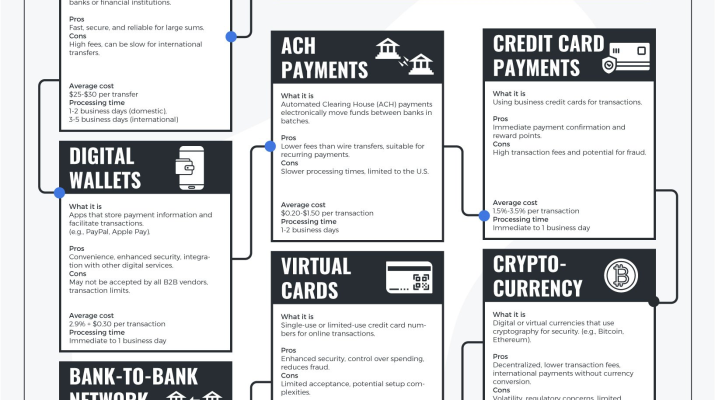
Digital business payments are transforming the financial landscape for companies across the United States, heralding a new era of efficiency and security in transactions. As traditional methods such as paper checks decline in use, businesses are increasingly turning to innovative digital payment solutions that offer not only speed but also enhanced safety features. Over the past year, trends indicate a significant uptick in secure payments technology, with premium payment types like ACH transactions experiencing remarkable growth. This evolution reflects a broader shift towards a more modern approach to business payments, one that prioritizes both operational efficiency and the safeguarding of sensitive financial data. As more organizations embrace these advancements, the future of payments looks promisingly streamlined and secure.
The rapid evolution of financial transactions characterized by digital channels is reshaping how organizations manage their finances. Known as electronic transaction methods, these modern alternatives replace outdated tactics such as checks, driving a significant improvement in the speed and safety of monetary exchanges. Innovations in payment technology have led to an increased focus on reliable solutions that facilitate secure and efficient commerce. The adoption of automated clearing house (ACH) payment systems exemplifies this shift, dramatically enhancing the transaction landscape for businesses. As more enterprises integrate these digital business payment practices, the overall efficiency and security of their financial operations are set to improve substantially.
The Rise of Digital Business Payments
In today’s increasingly digital landscape, the trend towards digital business payments is not just a passing phase—it’s a seismic shift that is reshaping the very fabric of transaction processing in the U.S. In industries ranging from government to private enterprise, organizations are discarding outdated payment methods in favor of more efficient, digital solutions. This evolution is underscored by the impending end of paper check use mandated by the U.S. Treasury. With such a significant change looming, businesses must adapt to maintain operational continuity and competitive advantage.
The data from Paymode reflects this growing adoption, revealing that over half a million verified businesses have embraced digital channels for transactions. The decline in paper check usage, illustrated by a 13% drop in transaction volumes, signifies not just a change in preference, but a fundamental transformation in payment technology. Companies that leverage reliable digital payment solutions can not only streamline their accounts payable processes but also enhance security and efficiency, ultimately driving profitability in a demanding economic environment.
Understanding Business Payments Trends
Recent reports indicate a conspicuous trend where organizations are increasingly adopting digital business payment solutions. The shift includes heightened usage of ACH transactions, especially the Premium ACH payment type, which has surged by 89% year-over-year. This reflects a broader strategy by firms to utilize payments technology that confers both efficiencies and financial benefits, such as tangible rebates for timely payment processing.
The transition from checks to digital methods is also distinctive in its momentum, with significant growth noted in transaction volumes that have risen by 44%. This ongoing evolution within business payments not only resonates with emerging trends but also emphasizes the necessity for security. As companies venture into new payment technologies, they must prioritize secure payments to safeguard against fraud risks and cyber threats, creating a dual focus on modernization and security.
The Importance of Secure Payments
In an era marked by digital transformation, the security of business payments remains paramount. Organizations are increasingly aware of the vulnerabilities that can arise during the payment process. Data breaches and cybercrime are pressing concerns that necessitate advanced security measures when implementing digital payment solutions. Paymode’s multi-layered security protocols ensure that all transactions are safeguarded against potential threats, reinforcing trust in the network.
Moreover, customers expect their sensitive financial data to be meticulously protected. Encryption, secure access controls, and robust fraud detection mechanisms are now baseline requirements for any payment method. Businesses that prioritize secure digital payments will not only comply with regulatory standards but will also enhance customer confidence, fostering loyalty in a competitive market.
Leveraging Payments Technology for Operational Efficiency
Modernizing payment infrastructure is more than just adopting new tools; it is a strategic imperative for businesses aiming to streamline operations and reduce overhead. By leveraging advanced payments technology, organizations can automate their accounts payable workflows, minimizing manual intervention and reducing the potential for errors. This transformation is especially crucial in the context of a skilled labor shortage, where automating routine processes can free up valuable human resources for more strategic initiatives.
The positive impact of payments technology goes beyond efficiency—it can also lead to improved cash flow management. As companies shift to faster payment methods like ACH, they experience shorter days sales outstanding (DSO) and accelerated cash application processes. This operational agility not only enhances financial health but also positions companies favorably in their liquidity management strategies.
The Paymode Network: A Trustworthy Solution
One of the standout features of the Paymode network is its commitment to creating a trustworthy ecosystem for digital business payments. By vetting all network participants, Paymode ensures that businesses can engage in transactions with the peace of mind that comes from knowing they are dealing with verified entities. This enhances the overall security of the payment process and builds confidence among users.
The virtues of this network of trust are clear: as more verified businesses join, the value and reliability of the network increase. This results in a self-reinforcing cycle: trusted participants lead to secure payments, which in turn attract more vendors to the platform. For companies navigating the complexities of digital payment landscapes, such networks provide a compelling case for adopting modern payment solutions.
Future Trends in Business Payments
As we move forward, it is apparent that the landscape of business payments will continue to evolve with technological advancements. The integration of artificial intelligence and machine learning in payments technology will drive new efficiencies and insights, enabling businesses to forecast cash flows with unprecedented accuracy. Additionally, emerging payment methods such as cryptocurrency may eventually revolutionize business transactions, offering new avenues for security and speed.
Staying ahead of these trends requires companies to remain agile and open to innovation. With the impending deadline for eliminating paper checks, organizations must embrace a proactive approach to integrating digital solutions that not only meet current demands but also prepare for future developments in the payments space.
The Role of ACH Transactions in Digital Payments Strategy
The Automated Clearing House (ACH) system has become a cornerstone of digital business payments, facilitating efficient and secure money transfers. As the wave of digital transformation sweeps across businesses, the adoption of ACH transactions is on the rise. These transactions offer a reliable alternative to checks, boasting lower processing costs and faster settlement times, which makes them particularly attractive to organizations striving for operational efficiency.
Moreover, the increasing popularity of Premium ACH highlights the strategic importance of enhancements in payment technology. Companies utilizing ACH transactions not only save on costs but also benefit from features like real-time tracking and detailed remittance information. This empowers businesses to optimize their cash flow management and improves their relationships with vendors, illustrating that ACH is not just a trend but a transformative element of contemporary business payments.
Enhancing Efficiency Through Automated Payment Solutions
Automated payment solutions are revolutionizing the way businesses manage their financial obligations. By integrating solutions that automate invoicing, payment approvals, and transaction processing, organizations can significantly enhance operational efficiencies. This shift to automation helps to reduce human error and accelerates the payment cycle, ultimately leading to better vendor relationships and improved cash flow.
The benefits of automation extend beyond mere time savings; automating payment processes allows businesses to focus on strategic initiatives rather than routine administrative tasks. As company leaders seek to streamline their operations in a rapidly changing economic environment, adopting automated payment technologies is no longer optional; it is essential for maintaining a competitive edge.
Building a Robust Digital Payment Framework
Establishing a robust digital payment framework is critical for organizations aiming to navigate the complexities of today’s financial landscape. This framework should include secure digital payment solutions, efficient workflows, and comprehensive risk management strategies. By investing in a strong technological backbone, businesses can ensure their payment processes remain resilient against disruptions, adhering to best practices in secure payments and compliance.
Furthermore, integrating comprehensive analytics into payment frameworks enables companies to gain valuable insights into their payment trends and vendor behaviors. By continuously monitoring these metrics, businesses can make informed decisions about optimizing their payment strategies, ultimately contributing to long-term financial stability and agility.
Navigating the Future of Business Payments with Trust and Technology
As businesses face an ever-changing landscape of payment methods and technologies, the fusion of trust and technology will be paramount. The reliance on secure payment networks like Paymode ensures that businesses can navigate these changes confidently, knowing that their transactions are safeguarded. This trust not only enhances user experience but also fosters a community of businesses committed to adopting best practices in payments.
Ultimately, the future of business payments rests on striking the right balance between innovation and security. Companies that invest in secure, efficient payment technologies while cultivating trust among their stakeholders will emerge as leaders in the evolving payments ecosystem. The commitment to secure, digital business payments will pave the way for smoother transactions and stronger business relationships in years to come.
Frequently Asked Questions
What are the latest business payments trends towards digital business payments?
The latest business payments trends indicate a significant shift towards digital business payments in the U.S., with a marked decline in paper check usage and a surge in digital payment solutions such as ACH transactions. Businesses are increasingly adopting secure payments to enhance efficiency and reduce costs.
How do secure payments enhance digital business payments?
Secure payments are crucial for digital business payments as they protect sensitive financial data through encryption and fraud detection protocols. This increase in security builds trust in digital payment solutions, encouraging more businesses to transition from traditional payment methods.
What role does payments technology play in digital business payments?
Payments technology is a key driver in the evolution of digital business payments, enabling automated, faster, and more efficient transaction processes. Modern payments technology also facilitates real-time tracking and management of payments, aiding businesses in improving their operational workflows.
What are the benefits of using ACH transactions in digital business payments?
ACH transactions provide several benefits in digital business payments, including lower fees, quicker processing times, and improved cash flow management. They are particularly valuable for businesses looking to streamline their payment processes and ensure secure transactions.
How are businesses optimizing their payment processes with digital payment solutions?
Businesses are optimizing their payment processes by adopting digital payment solutions that automate workflows, reduce the need for paper checks, and enhance security measures. This optimization leads to decreased fraud risks and improved operational efficiency.
What impact do business payments trends have on cash flow management?
Business payments trends are dramatically improving cash flow management as digital solutions allow for faster processing times and better tracking of payments. This real-time visibility helps companies manage their finances more effectively and reduce days sales outstanding.
How are businesses ensuring the security of their digital business payments?
To ensure the security of their digital business payments, companies are implementing multi-layered security measures such as encryption, secure access controls, and regular fraud detection checks. This focus on security is essential to protect customer data and build trust in digital transactions.
What is the significance of a business payments network in the shift to digital solutions?
A business payments network is significant as it connects various entities securely and efficiently, enhancing trust among participants. It facilitates seamless digital transactions while reinforcing security protocols, thereby promoting the adoption of digital payment solutions across industries.
How are digital business payments reshaping vendor relationships?
Digital business payments are reshaping vendor relationships by streamlining payment processes and enhancing transparency. Faster payment cycles and improved communication foster trust, enabling stronger collaborations and negotiations between businesses and their vendors.
What trends are anticipated in the future of digital business payments?
Future trends in digital business payments are expected to include increased adoption of integrated payment solutions, advancements in payment technology, and a stronger focus on security measures. Additionally, we may see further regulatory changes that impact how businesses conduct digital transactions.
| Key Points | Description | Importance | |
|---|---|---|---|
| Shift to Digital Payments | Digital payments are becoming essential, with the U.S. government ceasing paper check payments. | ||
| Rise in ACH Payments | Spending on Premium ACH transactions has increased significantly, indicating a preference for these methods. | ||
| Decline in Checks | Check payments are declining at a compounded annual growth rate, reflecting a shift in business preferences. | ||
| Security in Payments | Maintaining the security of payments is crucial, with multi-layered protection measures in place. | ||
| Growth in Paymode Network | The Paymode network is expanding rapidly, accommodating new vendors and increasing transaction volumes. | ||
Summary
Digital business payments are at the forefront of transformation in the U.S. economy, with significant shifts reflecting a move away from traditional methods like paper checks toward more efficient electronic alternatives. As highlighted in recent trends, businesses are embracing secure and automated payment solutions, driven by the need for modernized financial operations amidst a changing economic landscape. With the rise of platforms like Paymode which securely facilitate these transactions, the focus on efficiency, trust, and security is more crucial than ever moving forward.
Business payment trends are continually evolving, driven by advancements in technology and changing consumer preferences. One of the significant trends observed is the shift towards contactless payments, which have gained immense popularity during and after the pandemic. Businesses are increasingly adopting digital payment solutions that allow for seamless transactions without physical cash. This shift not only enhances customer convenience but also reduces the risks associated with handling cash.
Secure payments have become a top priority for businesses and consumers alike. With cyber threats becoming more sophisticated, companies are investing in advanced security measures to protect sensitive payment information. Solutions such as tokenization, encryption, and biometric authentication are being implemented to enhance the security of transactions. Ensuring secure payments is not just about compliance; it’s also about building trust with customers, who are more likely to engage with businesses that prioritize their financial safety.
Digital payment solutions are transforming the way businesses operate. From mobile wallets to e-commerce platforms, the variety of options allows consumers to choose how they wish to pay, providing flexibility that wasn’t previously available. Companies are leveraging these solutions to streamline their operational processes, reduce transaction times, and improve overall customer experience. The integration of features such as instant payments and payment tracking is also contributing to higher satisfaction rates among customers.
Payments technology is advancing at a rapid pace, with innovative solutions shaping the landscape. Technologies such as blockchain are gaining traction in the realm of payments, enabling faster and more secure cross-border transactions. Moreover, the rise of artificial intelligence in payments technology is enhancing fraud detection and risk management, allowing companies to mitigate potential threats in real-time. As businesses adapt to these technological advancements, they position themselves to remain competitive in a dynamic market.
ACH transactions are becoming increasingly relevant in the business payments ecosystem. The Automated Clearing House (ACH) network simplifies electronic payments, facilitating direct deposits and bill payments efficiently. This method not only lowers transaction costs but also improves cash flow management for businesses. As more companies recognize the benefits of ACH transactions, including their reliability and efficiency, the adoption of this payment method is expected to grow, reshaping how businesses handle their accounts receivable and payable.
