
When embarking on the entrepreneurial journey, understanding the various business funding options available is paramount for success. Securing capital can often dictate the trajectory of a startup, making it vital for business owners to explore every avenue, from traditional business loans to innovative crowdfunding methods. As marketplaces become more saturated, clever financing solutions like venture capital and angel investors are turning heads with their potential to nurture groundbreaking ideas. With the growth of startup financing being fueled by technology and community engagement, entrepreneurs have remarkable opportunities to connect with passionate investors. This article aims to highlight the most effective funding strategies to empower new businesses in today’s evolving market.
Navigating the financial landscape for new ventures presents a myriad of avenues for entrepreneurs eager to scale their businesses. This discussion centers on startup financing alternatives that entrepreneurs can leverage, ranging from equity crowdfunding to acquiring funds from venture capitalists. The rise of innovative investors, such as angel backers, showcases a growing interest in nurturing aspiring startups. Furthermore, traditional banking options, while still prevalent, have adapted to the needs of modern entrepreneurs seeking flexible repayment structures. Understanding the diversity of these funding sources can significantly impact the success and sustainability of new businesses.
Diverse Business Funding Options for Startups
Startup funding has evolved dramatically in recent years, offering entrepreneurs a diverse array of options to secure the necessary capital to fuel their business ambitions. From traditional bank loans to modern crowdfunding platforms, each option presents unique advantages and challenges. Understanding these available business funding options is vital for entrepreneurs who wish to navigate the complex landscape of starting their own company in 2025.
Choosing the right funding strategy hinges on multiple factors, including the nature of the startup, its growth objectives, and the urgency of funding needs. Entrepreneurs should conduct thorough research and consider the differences in funding types, such as equity versus debt financing, to align their funding approach with their long-term vision.
Exploring Crowdfunding Platforms as a Business Funding Option
Crowdfunding has emerged as a powerful tool for startups, enabling them to access capital from a broad audience. By leveraging platforms like Kickstarter and Indiegogo, entrepreneurs can present their ideas and invite the public to contribute towards their funding goals. In recent years, platforms focusing on equity crowdfunding, such as Wefunder and SeedInvest, have gained traction, allowing backers to invest in businesses for equity stakes, thereby democratizing the investment landscape.
The advantages of crowdfunding are manifold; aside from financial backing, startups gain marketing exposure and can test their product-market fit before launch. However, to succeed in achieving funding goals, entrepreneurs must craft compelling pitches and provide attractive rewards for backers, ensuring their campaign resonates with potential investors.
Venture Capital and Angel Investors: High-Stakes Funding Routes
Venture capital (VC) and angel investments are traditionally known for the potential to provide substantial funding to startups, especially in the technology sector. VCs typically seek high-growth potential companies that can scale rapidly, often in exchange for equity. On the other hand, angel investors, who are often affluent individuals, may invest at earlier stages of business development, providing not only capital but also invaluable mentorship and guidance.
The key to attracting VC and angel investment lies in demonstrating a clear value proposition, an innovative business model, and a robust plan for scalability. Startups targeting these investors must also be prepared to communicate their sustainability goals, as interest in socially responsible investments continues to grow in the modern funding landscape.
The Role of Convertible Notes and SAFEs in Startup Financing
Convertible notes and SAFEs (Simple Agreements for Future Equity) have become increasingly popular as flexible financing options for startups seeking early-stage funding. These agreements allow businesses to raise funds without the immediate pressure of determining a company valuation, thereby avoiding the complexities that often accompany equity financing rounds. When structured properly, convertible notes can convert into equity at a later funding round, giving investors a chance to capitalize on their initial support.
For entrepreneurs, these financing tools provide a quick and less encumbered path to securing necessary capital. Moreover, the simplicity of these instruments appeals to both startups and investors by deferring the valuation question until the business has grown further, potentially benefiting both parties involved.
Grants and Pitch Competitions: Non-Dilutive Funding Opportunities
Grants and pitch competitions offer unique opportunities for startups to gain funding without relinquishing equity. Government and private grants can support various industries, including technology, healthcare, and environmental innovation. Programs like the Small Business Innovation Research (SBIR) grant are specifically designed to fuel research and development, providing non-dilutive funding crucial for many early-stage businesses.
Similarly, participating in pitch competitions can serve dual purposes: startups can secure funding and gain exposure to potential investors or partners. Winning cash prizes or mentorship opportunities can significantly impact a startup’s trajectory, making these avenues attractive for entrepreneurs cautious about equity dilution.
Bank Loans and Alternative Financing for Startups
Despite the traditional view that banks are risk-averse regarding lending to startups, recent trends indicate that tailored bank loans are increasingly becoming available for new businesses. Online lenders and fintech companies are also emerging as viable options, providing innovative solutions beyond conventional bank approaches. These alternative financing options cater to various needs and can often be more accessible than traditional loans.
Many startups are now exploring revenue-based financing models, which allow them to repay loans as a percentage of their monthly revenue. This flexibility can provide substantial relief to entrepreneurs during slow periods, making bank loans and alternative financing appealing options for startups navigating their financial strategies.
Leveraging Tax Incentives for Startup Funding
Governments, both at federal and state levels, often provide tax incentives aimed at encouraging investment in startups. These incentives can significantly enhance the attractiveness of investing in new ventures by offering investors tax breaks or credits, ultimately increasing the likelihood of securing funding. Such incentives can play a crucial role in shaping an investor’s decision, particularly in sectors like technology and renewable energy.
Startups should actively research available tax incentive programs in their regions and consider these benefits while crafting their business pitches. Awareness of these incentives can provide a competitive edge, allowing entrepreneurs to highlight the financial advantages for investors and stakeholders in their funding proposals.
Key Considerations for Startups Navigating Funding Options
While exploring funding options, startups must consider several key factors to enhance their chances of successfully securing capital. Identifying the right funding source aligned with their unique business model and growth strategy is paramount. This process involves thorough preparation, distinguishing between options like crowdfunding, venture capital, and angel investments, and understanding how each could impact the business’s trajectory.
Moreover, the rise of digital platforms has revolutionized the way entrepreneurs engage with potential investors and manage their fundraising efforts. Startups should embrace social media and online networking opportunities to maximize their visibility and attractiveness to potential backers, as building a supportive community around the brand can lead to valuable connections and resources.
The Future of Startup Funding in a Dynamic Economic Environment
The startup funding landscape is continuously evolving, driven by changes in investor behavior, technology advancements, and economic conditions. Entrepreneurs aiming for success in securing funding must stay informed of emerging trends, from shifts towards sustainability-focused investments to the increasing importance of digital fundraising platforms. As more entrepreneurs pivot towards innovative business solutions, understanding these dynamics becomes critical.
Additionally, adapting to the unique funding needs for specific industries can help startups position themselves better in the competitive market. Being proactive in exploring different funding avenues while crafting an engaging narrative that resonates with potential funders will serve as a foundational strategy for sustained growth and success in the startup ecosystem.
Conclusion: Strategic Approaches to Securing Startup Funding
In conclusion, the landscape for startup funding options in 2025 is rich with opportunities for entrepreneurs to secure the necessary financial resources. Whether utilizing crowdfunding, attracting venture capital, or tapping into grants, each option presents distinct benefits tailored to specific business needs. Entrepreneurs who thoroughly understand the funding landscape and align their strategies with the appropriate options will have an edge in achieving their business goals.
A strategic approach, combined with a commitment to sustainability and innovation, will not only enhance a startup’s visibility among potential investors but will also allow entrepreneurs to build a supportive community. With informed choices and effective networking, entrepreneurs can navigate the intricate funding landscape and bring their ideas to fruition.
Frequently Asked Questions
What are the best business funding options for startups in 2025?
In 2025, startups can explore a variety of business funding options, including crowdfunding platforms, venture capital, angel investors, bank loans, and grants. Crowdfunding continues to be popular, with equity and reward-based models allowing entrepreneurs to engage with a broad audience. Venture capital and angel investors remain strong sources of funding, especially for innovative tech startups. Additionally, traditional bank loans and alternative financing solutions can provide necessary capital. Grants and pitch competitions offer opportunities for startups to gain non-repayable funding while competing for cash awards.
| Funding Option | Description | Advantages | Drawbacks |
|---|---|---|---|
| Crowdfunding Platforms | Utilizes collective funding from many individuals via various platforms. | Access to a large number of potential backers and community engagement. | Success can be uncertain; may require significant marketing efforts. |
| Venture Capital and Angel Investors | Investment from wealthy individuals or firms in exchange for equity. | Access to large amounts of capital and valuable mentorship. | Potential for loss of control over the business; high pressure for returns. |
| Convertible Notes and SAFEs | Debt instruments that convert to equity in future funding rounds. | Less immediate dilution of ownership and quicker access to funds. | Complexity in understanding terms and future valuation uncertainties. |
| Grants and Pitch Competitions | Funds provided without repayment obligations for specific projects. | Non-dilutive funding and potential for mentorship or exposure. | Highly competitive and often limited in scope; involves lengthy application processes. |
| Bank Loans and Alternative Financing | Traditional and online loans targeted toward startups and small businesses. | Clear repayment terms and access to varying amounts of capital. | May require collateral and can be challenging to obtain for newer startups. |
| Tax Incentives | Benefits offered by governments to encourage investment in startups. | Can enhance appeal to investors and improve funding chances. | Variable eligibility based on business type and location; requires careful planning. |
Summary
Business funding options have evolved dramatically in recent years, presenting a plethora of avenues for startups seeking financial support. Entrepreneurs today can choose from innovative methods such as crowdfunding, where they can engage the community and raise funds without heavy reliance on traditional finance, to venture capital, which offers not just capital but also mentorship. Utilizing options like grants and pitch competitions can provide non-dilutive funding, while convertible notes and SAFEs help maintain ownership. Moreover, the rising trend of specialized loans from banks, along with enticing tax incentives, further diversifies the landscape. Startups that navigate these funding options effectively stand a better chance of thriving in a competitive marketplace.
Startup financing is a crucial process for nascent businesses seeking the necessary capital to launch or expand their operations. This early stage in a company’s lifecycle often determines its long-term viability and growth potential. Various avenues are available for startup financing, including crowdfunding, venture capital, business loans, and investments from angel investors, each providing distinct advantages and catering to different business needs.
Crowdfunding has emerged as a prominent method for startups to raise funds directly from the public, typically via online platforms. Entrepreneurs present their business ideas to attract small contributions from a large number of people. This approach not only secures funding but also helps gauge market interest and build an initial customer base. Successful crowdfunding campaigns can significantly enhance a startup’s visibility and credibility.
Venture capital remains a popular choice for startups with high growth potential. Venture capitalists invest substantial sums in exchange for equity, often providing not just capital but also invaluable mentorship and strategic guidance. While this option can accelerate a startup’s growth, it typically involves giving up a certain percentage of ownership, which can influence the company’s direction and control.
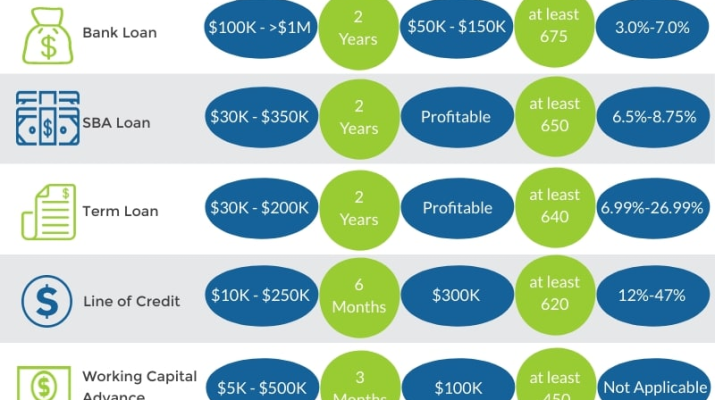
Business loans offer another financing option, allowing entrepreneurs to access capital while retaining ownership of their company. Traditional banks and alternative lenders provide various loan types, including term loans and lines of credit, tailored to different stages of business maturity. However, securing a business loan often requires a solid credit history, a well-structured business plan, and sometimes collateral.
Angel investors are affluent individuals who provide financial support to startups, often in exchange for equity or convertible debt. Typically, they are more willing than traditional banks to take risks on early-stage ventures with innovative ideas. Beyond funding, angel investors often bring extensive networks and valuable business expertise, making them an attractive source of support for emerging entrepreneurs.
