
In today’s competitive market, understanding various business funding strategies is essential for entrepreneurs aiming to establish or scale their ventures. Whether you are exploring new business funding options or tapping into small business grants, having a comprehensive plan can make all the difference. From diverse funding sources like crowdfunding strategies to leveraging technology, the right approach can open numerous doors to financial support. Successfully navigating these avenues not only enhances your odds of securing capital but also positions your business for sustainable growth. This blog post will delve into smart strategies that will empower you to access the funding your business needs.
When it comes to financing your business, exploring different financial avenues and investment methods is crucial. Entrepreneurs often find themselves in search of effective funding sources that can support their goals, whether through traditional loans, innovative crowdfunding techniques, or government-backed assistance. Understanding your options ensures that you are well-equipped to make informed decisions that foster growth and sustainability. By leveraging the right tools and connections, small businesses can unlock critical funding opportunities that were previously out of reach. This discussion will shed light on diverse methodologies to secure funding, ultimately guiding you toward a successful and thriving business.
Diverse Business Funding Strategies for Entrepreneurs
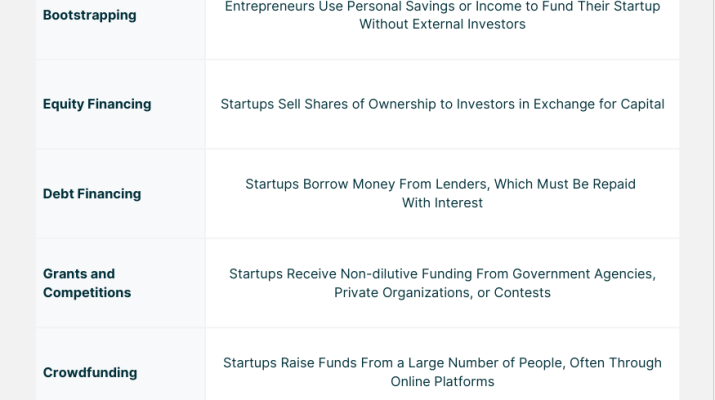
When it comes to securing new business funding, diversifying your funding strategies is key to success. By exploring various avenues such as traditional loans, venture capital, crowdfunding, and government grants, you can mitigate risks associated with relying on one source. Each funding option has its unique merits and can cater to different business needs. For instance, while crowdfunding platforms like Kickstarter can help reach a wider audience and generate buzz for a startup, government grants can provide risk-free capital that does not require repayment.
Furthermore, diversifying your sources of funding allows entrepreneurs to adapt to changing market conditions and investor preferences. Instead of securing funds from solely one or two places, leveraging a combination of funding options can provide a more stable financial base. For instance, while attracting angel investors can provide not just funds but also mentorship, small business grants can significantly contribute to funding without the burden of equity dilution. Exploring multiple funding sources ensures that you can sustain your business through fluctuating economic landscapes.
Crowdfunding Strategies for Innovative Capital
Crowdfunding has emerged as a popular alternative financing strategy, enabling entrepreneurs to tap into a community of backers who are passionate about their projects. Platforms like Indiegogo and Kickstarter not only provide a means for raising funds but also serve as a validation tool for business ideas. By presenting engaging marketing materials and compelling storytelling, businesses can connect deeply with potential supporters, enhancing their funding potential. It’s essential to understand your target audience and tailor the campaign accordingly to maximize effectiveness.
Additionally, successful crowdfunding requires strategic planning and continuous engagement with backers throughout the campaign. Setting achievable funding goals, offering enticing rewards, and maintaining open communication with your supporters can significantly boost your chances of reaching your funding target. Many entrepreneurs find that their initial community support grows exponentially as their campaign progresses, proving the effectiveness of this strategy in harnessing public interest for innovative business ideas.
Maximizing Small Business Grants for Growth
Small business grants present one of the most appealing funding options available to entrepreneurs, as they provide non-repayable funds to support business growth. Many government agencies, non-profits, and private organizations offer grants specifically designed to stimulate economic development and innovation. To optimize the chances of securing these grants, entrepreneurs should thoroughly research available programs, understand the eligibility criteria, and craft tailored applications that resonate with the grant’s objectives.
Moreover, leveraging small business grants effectively can lead to significant growth opportunities. For instance, successfully obtaining a grant can not only provide immediate funding but also attract further investment from other sources. Investors often see grant funding as a validation of a business’s potential and viability. Thus, it’s crucial for entrepreneurs to maintain a comprehensive understanding of local, state, and federal grant opportunities to take full advantage of this beneficial funding strategy.
Innovative Funding: Alternative Financing Options
The landscape of business funding has evolved significantly, with innovative alternative financing options emerging to meet the diverse needs of entrepreneurs. Revenue-based financing and venture debt are two notable choices that provide flexibility while enabling business owners to maintain ownership. Unlike traditional loans, these funding options link repayments to business performance, which can alleviate pressure during fluctuating revenue periods. Leveraging these alternatives gives entrepreneurs a chance to pursue growth without the fear of excessive financial burden.
Additionally, alternative financing can be particularly appealing for startups or companies with established growth potentials but limited physical assets for traditional collateral. As these businesses scale and revenue increases, the repayment structure becomes increasingly manageable. By incorporating alternative financing into your funding strategy, you can ensure that your company remains agile and adaptive to market changes while securing the necessary funds for continued innovation and expansion.
Leveraging Government Programs for Business Funding
Government programs play a crucial role in providing financial support to small businesses through grants and loan programs tailored for entrepreneurs. The U.S. Small Business Administration (SBA) is a key player in this space, offering a variety of funding options that can help businesses start or expand. Many entrepreneurs fail to take advantage of these programs due to a lack of awareness or understanding of the application process, which can often be complex and competitive.
To effectively leverage government funding, it’s important for entrepreneurs to stay informed about the latest grant announcements and funding opportunities. Joining local business networks or subscribing to newsletters from the SBA can keep you updated on vital information. Additionally, being prepared with a thorough and well-organized business plan can enhance your credibility and increase your chances of securing government assistance. This proactive approach can ultimately unlock substantial resources to propel your business forward.
Building a Solid Business Plan for Funding Success
A comprehensive business plan is essential when pursuing funding opportunities, as it serves as your roadmap to success and showcases your vision to potential investors. A well-crafted business plan articulately outlines your business model, target market, competitive landscape, and financial projections. According to experts, a strong business plan not only builds credibility but also helps to attract various funding sources by demonstrating your preparedness and strategic thinking. Investing the necessary time and effort into your business plan can differentiate you from others seeking funding.
Moreover, it’s vital to tailor your business plan according to the specific funding source you are targeting. Investors, lenders, and grant agencies often look for particular elements when evaluating proposals, which may vary significantly. For instance, a funding application for a small business grant may emphasize community impact and innovation, while loan applications might focus more on repayment capability and cash flow projections. By aligning your business plan with the priorities of potential funding sources, you can enhance your chances of securing the necessary financing.
Harnessing the Power of Networking for Funding
Networking remains one of the most effective measures for accessing new business funding. Building strong relationships within your industry can lead to valuable connections with potential investors, partners, and mentors. As noted by industry experts, attending industry-specific conferences, participating in online forums, and engaging actively on social media platforms can all help expand your network significantly. The more individuals you connect with, the greater the opportunities that arise for funding, collaboration, and strategic partnerships.
Notably, networking isn’t just about making connections; it’s about cultivating them into mutually beneficial relationships. By offering assistance, sharing knowledge, and engaging actively with your network, you can position yourself as a valuable resource, increasing the likelihood that others will support your business endeavors. Many successful entrepreneurs credit their networks as integral to their funding success, signaling the importance of proactive engagement in building connections for future opportunities.
Utilizing Technology to Enhance Funding Efforts
In an era defined by digital transformation, leveraging technology has become essential for accessing new business funding. Various online platforms can simplify the funding process and connect entrepreneurs with potential investors worldwide. For example, crowdfunding sites like Indiegogo and Kickstarter allow you to showcase your business idea to a large audience without extensive upfront costs. Utilizing engaging visuals and well-crafted marketing materials, businesses can attract backers and turn their visions into reality.
Moreover, technology is also transforming the way entrepreneurs approach traditional funding sources. Online loan application platforms streamline the borrowing process, allowing for faster approvals and reduced paperwork. Using these tools effectively can lead to a significant increase in accessibility to financing options. Additionally, technology facilitates data analysis, enabling entrepreneurs to track their financial performance and make informed decisions about funding strategies. Embracing the right technological tools will not only enhance funding efforts but also equip your business for long-term sustainability.
Frequently Asked Questions
What are the best business funding strategies for new startups?
When exploring business funding strategies for new startups, consider diversifying your funding sources by combining traditional loans with alternative options like crowdfunding and government grants. Platforms like Kickstarter and Indiegogo can help you showcase your idea to a wider audience, while small business grants offered by the U.S. Small Business Administration provide vital support without the burden of repayment. Networking within your industry can also unveil potential investors and partnerships that are essential for launching your business.
| Strategy | Description |
|---|---|
| Diversify Funding Sources | Explore various funding options such as crowdfunding and peer-to-peer lending to spread risk and increase funding opportunities. |
| Leverage Technology | Utilize platforms like Kickstarter to present ideas globally and employ strong marketing strategies to attract investors. |
| Networking for Opportunities | Build industry relationships to uncover potential investors and partnerships through events and conferences. |
| Prepare a Solid Business Plan | Articulate a clear vision and financial forecasts to gain investors’ confidence and support for your business. |
| Exploring Alternative Financing | Consider options like revenue-based financing that allow flexibility while maintaining ownership of the business. |
| Government Programs and Grants | Research grants and loans available from the SBA to support small business growth and navigate eligibility criteria. |
Summary
Business Funding Strategies play a crucial role in determining the success of any entrepreneurial venture. To effectively access new business funding, entrepreneurs must employ a combination of diverse funding sources, innovative technology solutions, and robust networking efforts. Preparing a comprehensive business plan further enhances credibility, making businesses more attractive to potential investors. Additionally, exploring alternative financing options and utilizing government programs can provide vital support that enables business growth. By actively engaging in these strategies, entrepreneurs are not only able to secure necessary funding but also position themselves competitively in their respective markets.
Starting a new business requires careful financial planning, and understanding your funding options is essential. Entrepreneurs can explore a variety of avenues to secure the capital necessary for launching their ventures. Traditional loans from banks, angel investors, and venture capitalists are common routes, but emerging options such as peer-to-peer lending and innovative financing alternatives are also gaining popularity. Each funding source comes with its own set of criteria, advantages, and drawbacks, making it crucial for new business owners to do their research and identify which route aligns best with their business model and growth aspirations.
Small business grants represent one of the most appealing funding options for entrepreneurs, as they do not require repayment. Various government agencies, nonprofit organizations, and private institutions offer grants specifically designed to support small businesses, particularly those owned by women, minorities, or in disadvantaged areas. However, competition for these grants can be fierce, and applicants must carefully adhere to guidelines and demonstrate how the funds will contribute to community development, job creation, or innovation in their respective fields. Understanding the application process and preparing a robust business plan is critical for success.
Crowdfunding strategies have revolutionized the way new businesses raise funds. Platforms like Kickstarter, Indiegogo, and GoFundMe enable entrepreneurs to showcase their ideas to a global audience and secure financial support directly from potential customers. By offering a compelling narrative and appealing rewards, businesses can motivate individuals to invest in their vision. Not only does crowdfunding serve as a funding source, but it also helps build a community of early supporters who can provide valuable feedback and become loyal customers. Effective crowdfunding campaigns require strategic marketing and a clear understanding of target demographics.
