
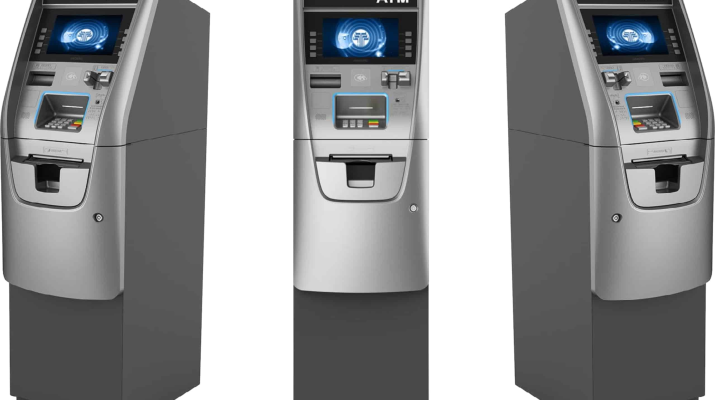
Starting an ATM machines business can open doors to substantial profits in a market that remains in high demand. As cash transactions continue to thrive, particularly in areas with limited banking facilities, entrepreneurs can seize the opportunity to establish a consistent revenue stream. This guide will explore the nuances of launching your ATM business, including critical insights on market trends, tips for profitability, and essential steps on how to start your ATM business successfully. Understanding the intricacies of ATM operations will provide you with a competitive edge, ensuring you make informed decisions right from the beginning. Dive into the world of automated teller machines and unlock the potential for financial independence and growth.
The ATM industry, often referred to as the cash access market, is ripe with opportunities for aspiring business owners. With the increasing reliance on cash for everyday purchases, the need for convenient cash dispensing options has never been greater. This comprehensive analysis will guide you through the essential elements of entering the automated teller machine sector, offering valuable insights on starting an ATM venture, market developments, and effective strategies to boost profitability. From selecting lucrative installation sites to understanding customer preferences, exploring this landscape is crucial for building a successful cash access business. Prepare to navigate the complexities of this dynamic sector and establish a reliable source of income.
ATM Machines Business: Key Insights for Entrepreneurs
Starting an ATM machines business offers entrepreneurs a unique opportunity to tap into a growing market. Demand for cash access is on the rise, especially in underserved locations where traditional banking services may be limited. This creates a favorable environment for ATM placement, allowing business owners to secure passive income through transaction fees. To capture this growing demand effectively, it’s essential to conduct thorough market research to identify the best locations for ATM installation, focusing on areas with high foot traffic such as convenience stores, gas stations, and bars.
Moreover, understanding the ATM market landscape is crucial for success. As the industry evolves and responds to changes in consumer behavior and technological advancements, entrepreneurs must stay informed about emerging trends. This includes awareness of mobile banking integrations, cardless transactions, and the overall shift towards digital finance. By aligning their business strategies with these trends, ATM operators can enhance user experience and attract a broader customer base, ensuring that their machines remain competitive in the marketplace.
Understanding ATM Market Trends and Profitability
To thrive in the ATM business, entrepreneurs must keep a close eye on market trends that influence profitability. Recent analyses indicate a steady increase in cash withdrawals despite the rising popularity of digital payments, signifying that ATMs continue to play a vital role in financial transactions. By identifying and analyzing these trends, new entrants can position their ATMs strategically to cater to the demands of cash-dependent consumers. For instance, during peak shopping seasons or local events, ensuring that ATMs are accessible can lead to increased transaction volume and, subsequently, higher revenue.
Additionally, profitability in the ATM business is largely determined by transaction fees, which typically range from $2 to $5 per withdrawal. The location of ATMs is a critical factor in driving these transactions. High-traffic areas with limited cash access present prime opportunities for maximizing earnings. Entrepreneurs should also consider partnerships with local businesses to secure prime locations through revenue-sharing agreements, thereby broadening their reach and stabilizing their income streams.
Navigating Regulatory Considerations in the ATM Business
When starting an ATM business, understanding and complying with regulatory requirements is paramount. Entrepreneurs must navigate federal and state regulations, which include registering the business, obtaining the necessary permits, and ensuring that ATMs meet accessibility standards as mandated by the Americans with Disabilities Act (ADA). These legal considerations are essential not just for operational legitimacy but also for protecting the business against potential fines and liabilities.
Additionally, staying informed about shifting regulations within the ATM industry is important for long-term success. For example, variations in transaction limits, fee structures, and compliance standards can directly impact profitability. Regularly reviewing these regulations ensures that operators remain in good standing. Moreover, seeking legal counsel or establishing relationships with industry associations can provide valuable insights and aid in navigating this complex regulatory landscape smoothly.
Technological Considerations for a Thriving ATM Business
In today’s fast-paced digital landscape, technology plays a crucial role in the success of an ATM business. Modern ATMs are increasingly equipped with advanced features such as cardless withdrawals, mobile banking connectivity, and enhanced security measures. Embracing these technological advancements not only improves consumer experience but also helps operators to differentiate themselves in a competitive market. Staying updated with the latest innovations is vital for attracting tech-savvy customers who expect seamless and efficient service.
Moreover, technological partnerships can further elevate an ATM business’s operational efficiency. Collaborating with independent ATM networks (IATMs) can minimize transaction processing fees, while partnerships with cash management services ensure that cash logistics are handled securely and efficiently. Utilizing technology to streamline operations helps ATM owners focus on growth strategies, ultimately facilitating better deployment of resources to enhance overall profitability.
Frequently Asked Questions
What are the key steps for starting an ATM machines business?
To start an ATM machines business, first conduct market research to identify high-traffic locations. Next, understand the initial investment required for purchasing or leasing ATMs, which typically ranges from $2,000 to $8,000 each. Register your business and obtain necessary licenses, ensuring compliance with regulations such as the Americans with Disabilities Act. Consider strategic partnerships with local businesses for ATM deployment and establish a budget to manage operating costs effectively.
What factors contribute to ATM profitability in a business?
ATM profitability depends primarily on transaction fees, usually between $2 to $5 per transaction. Placing ATMs in high-demand areas increases usage and revenue. Additionally, effective cash management and minimizing operating costs such as network fees and maintenance can significantly impact your bottom line. Developing partnerships with businesses to promote ATM services can also enhance profitability.
How can I ensure compliance when starting my ATM business?
Ensuring compliance when starting your ATM machines business involves registering your business and securing the necessary licenses. You must adhere to federal and state regulations, including compliance with the Americans with Disabilities Act that mandates accessible ATMs. Regularly monitor regulatory changes and ensure that your ATMs meet all operational standards to avoid penalties.
What are the latest ATM market trends I should be aware of?
Current ATM market trends show a growing demand for cash access despite the rise of digital payments. Features like cardless withdrawals and mobile banking integrations are becoming standard, enhancing user experience and attracting customers. Moreover, franchise opportunities within the ATM sector are expanding, allowing newcomers to benefit from established operational frameworks. Staying informed about these developments can help you position your ATM business for success.
| Key Point | Details |
|---|---|
| Introduction | Starting an ATM machines business can be profitable with a growing demand in underserved areas. |
| Understanding the ATM Market | Demand for ATMs is driven by the need for convenient cash access; ideal locations are crucial. |
| Initial Investment | Initial costs of ATMs range from $2,000 to $8,000 plus installation and maintenance expenses. |
| Regulatory Considerations | Ensure compliance with federal and state regulations to avoid fines; ADA compliance is key. |
| Deployment of ATMs | Strategically place ATMs in high-traffic areas and create partnerships with businesses. |
| Operating Costs | Consider ongoing costs like network fees, maintenance, and cash delivery. |
| Profitability | Profitability can be achieved quickly through well-positioned ATMs and strategic marketing. |
| Technological Considerations | Keep updated on technology trends to attract more customers and improve service. |
| Network and Technology Partnerships | Collaborate with IATMs and cash management companies for efficiency. |
| Recent Developments in the ATM Business | Cash withdrawals are increasing amidst digital payment trends; franchise opportunities are rising. |
Summary
ATM machines business represents a significant opportunity for entrepreneurs, blending innovation with strategic planning to create a sustainable revenue stream. In a landscape where cash still plays a vital role, the demand for ATMs continues to escalate, particularly in areas lacking adequate access. By understanding market dynamics, navigating regulatory requirements, and leveraging technology, aspiring operators can position themselves competitively within the ATM sector. Most importantly, the potential for profitability is not just theoretical; it is achievable for those who strategically deploy their machines and remain responsive to consumers’ evolving needs. This guide lays the groundwork for success, encouraging new businesses to capitalize on the ongoing relevance of cash in our financial ecosystem.
Starting an ATM business can be a lucrative opportunity for entrepreneurs looking to enter the cash-based sector of the economy. The first step is to conduct thorough research to understand the market and location dynamics. Identifying high-traffic areas such as convenience stores, bars, and shopping centers is crucial to ensure consistent usage of the ATM. Additionally, acquiring the right permits and licenses is essential to operate legally and avoid any legal hurdles.
When it comes to ATM business tips, it’s important to focus on customer service and the technology of the machines. Offering services like cash withdrawal, balance inquiries, and even bill payments can attract more users. Regular maintenance of the ATM machines ensures functionality and customer satisfaction. Another tip is to negotiate favorable transaction fees and partnerships with ATM hosting companies to maximize profitability.
The profitability of an ATM business largely depends on transaction volume and the fees charged for each transaction. ATM owners typically earn a fee from each withdrawal made by customers. Understanding your target market and strategically placing ATMs in locations with high foot traffic can significantly boost transaction numbers. Moreover, incorporating additional features like cryptocurrency transactions can also appeal to a broader customer base, enhancing profitability.
As for ATM market trends, the industry continues to evolve with technology advancements and changes in consumer behavior. There is a growing trend towards cashless transactions; however, cash is still prevalent in numerous sectors, indicating that there remains a strong demand for ATMs. Additionally, trends such as mobile connectivity and contactless transactions are reshaping how consumers interact with ATMs, suggesting that operators should keep their machines updated with the latest technology.
If you’re considering how to start an ATM business, the key steps include selecting a business model, whether owning the machines outright or partnering with an ATM provider, and developing an effective marketing strategy. Learning about the costs associated with purchasing and maintaining machines, along with evaluating potential locations, will shape your approach. Networking with existing ATM owners and attending industry events can provide valuable insights and lead to potential partnerships or mentorship opportunities.
Applying for a merchant account involves a few key steps that can vary slightly depending on the financial institution or payment processor you choose. First, you will need to evaluate your business model and determine which type of payment processing is essential for your operations. Look for a service provider that aligns with your business size, industry, and transaction types. Once you’ve chosen a provider, visit their website to fill out the application form. This form typically requires information about your business, such as its legal structure, tax ID number, estimated monthly sales, and industry type. Having your business documentation on hand will also expedite the process.
After submitting your application, the provider will usually conduct a review process, which may take a few days to complete. During this time, they may ask additional questions or require further documentation to verify your business and financial history. Once approved, you will receive a merchant account that allows your business to accept credit and debit card payments. Make sure to carefully read through the terms and fees associated with the account, as these can vary widely. For additional guidance and support throughout this process, or to start your application, visit [insert relevant website or merchant account provider link]. There, you’ll find useful resources and customer service to assist you.
