
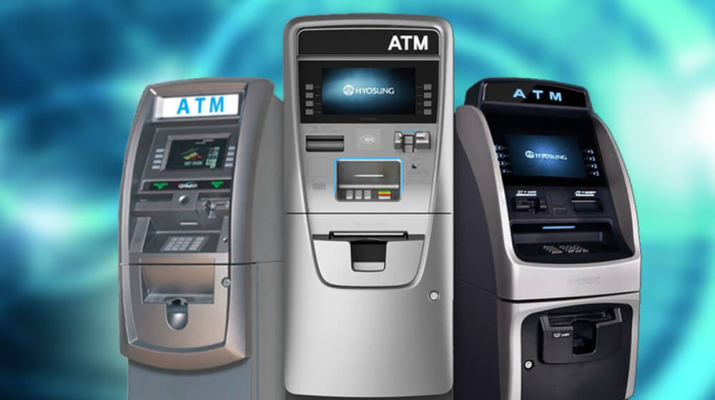
ATM Machines for Sale have emerged as a compelling investment option for those keen on generating remarkable passive income. With the continual demand for cash withdrawal services in urban and suburban areas alike, owning your own ATM can be not just financially rewarding but also a strategic move in today’s market. However, understanding the nuances of ATM ownership is crucial, as it involves weighing the benefits of consistent revenue against the inherent challenges and costs of maintaining these machines. This article delves into the pros and cons of owning ATMs, showcasing the financial potential of this venture while highlighting vital considerations like regulatory compliance and market competition. Navigating the world of ATM investment can be complex, but with the right knowledge and approach, it can pave the way to substantial profits.
The concept of investing in cash dispensers, often referred to as Automated Teller Machines or banking kiosks, has gained popularity among entrepreneurs looking for new revenue streams. By acquiring these cash withdrawal machines, investors can tap into a steady flow of earnings, thereby enhancing their financial portfolio. However, this form of investment comes with its own set of rewards and risks, prompting potential owners to thoroughly evaluate the advantages of increased customer foot traffic against possible operational challenges. Our discussion will also explore the various aspects surrounding cash machine ownership, examining both the lucrative opportunities and the fundamental hurdles resulting from engaging in this cash-based business environment. Ultimately, understanding the ATM landscape is vital for anyone considering this venture, ensuring a well-informed decision-making process.
Understanding ATM Ownership: A Comprehensive Overview
ATM ownership is an intriguing investment opportunity that involves purchasing and managing automated teller machines. The concept revolves around placing these machines in strategic locations to earn transaction fees whenever users withdraw cash. Generally, this business model can provide a regular stream of passive income, making it appealing to investors seeking less hands-on opportunities. Despite the allure, potential owners must grasp the complexities entwined with ATM ownership, such as regulatory compliance, market saturation, and maintenance responsibilities. Knowing this landscape is vital for making informed investment decisions.
Further, the advantages of ATM ownership go beyond passive income. Owners can enjoy a relatively low operational overhead compared to traditional businesses, as they do not require a physical storefront or staff management. However, the initial capital required for purchasing the machines, coupled with installation and consistent upkeep, can be significant. To maximize returns, strategic placement in high-traffic areas is crucial, as it enhances transaction volumes while indirectly boosting sales for the host location, thus creating a win-win scenario.
The Passive Income Potential from ATMs Explained
Passive income from ATMs is one of the primary attractions for investors. By strategically locating ATMs in busy environments such as shopping malls, airports, and convenience stores, owners can generate substantial earnings from withdrawal fees. The potential profit margins vary depending on location, typically yielding anywhere from hundreds to thousands of dollars per month. This impressive earning potential makes ATMs a competitive investment option for those aiming to diversify their income streams without excessive involvement in daily operations.
Moreover, generating passive income from ATMs is not just about the transaction fees. Owners can also negotiate potential partnerships with local businesses, thus creating additional revenue-sharing opportunities. These partnerships can lead to increased foot traffic for both parties, benefiting the ATM owner and the host business alike. This interlinking of services and promotions can enhance total earnings and make managing an ATM machine a sustainable and profitable venture.
Pros and Cons of Investing in ATM Machines
When considering the investment pros and cons of owning ATM machines, it’s essential to weigh the substantial advantages against the inherent risks. On the positive side, ATM investments can yield high returns, provide steady cash flow, and offer flexibility regarding transaction fee structuring. Additionally, once the ATM is set up, routine operations are minimal, leading to low maintenance costs which can lead to generous net profits. However, the downsides include the initial cost of purchasing the machines, ongoing compliance hassles, and possible security concerns that come with operating cash-dispensing technology.
Another disadvantage worth considering is that the cash-based economy is gradually evolving as society leans more toward cashless transactions. This shift could threaten the profitability of ATMs in areas where digital payment systems gain prevalence. Hence, potential investors need to conduct thorough market analysis, understand local demographics, and assess the long-term viability of investing in ATMs in light of these emerging trends.
Challenges Encountered in ATM Ownership
While the benefits of owning ATMs can be significant, there are various challenges that prospective owners must confront. Regulatory hurdles like ensuring compliance with local laws and ADA requirements can complicate operations. Failure to comply can result in penalties or operational shutdowns, making it essential for owners to remain updated on regulations affecting their machines. Alongside compliance issues, maintaining the machines requires regular attention, including servicing, cash replenishment, and security measures to mitigate theft or vandalism.
Moreover, market competition poses a substantial challenge. An increasing number of businesses are recognizing the potential of ATMs, leading to saturation in specific areas. This heightened competition can drive transaction volumes down, ultimately affecting overall profitability. Therefore, ATM owners must continuously evaluate market trends and adapt their strategies accordingly. Understanding these challenges is crucial for anyone considering an investment in ATMs to ensure long-term success in this dynamic industry.
Frequently Asked Questions
What are the main benefits of owning ATM machines for sale?
Owning ATM machines for sale can provide significant advantages, including the potential for passive income through transaction fees, low overhead costs compared to traditional businesses, and the ability to set your own fees. Additionally, placing an ATM in a high-traffic location can increase customer attraction to host businesses, creating more sales opportunities.
What challenges might I face when investing in ATM machines for sale?
Investing in ATM machines for sale comes with challenges such as high initial purchase costs, ongoing maintenance expenses, and regulatory compliance hurdles. Moreover, as digital payment methods gain popularity, cash usage may decline, impacting the long-term profitability of your ATM investment.
How can I generate passive income from ATMs for sale?
To generate passive income from ATMs for sale, you can strategically place machines in locations with high foot traffic and set competitive transaction fees. This way, each withdrawal generates income without requiring constant management, making it a profitable venture if managed effectively.
Are ATM investment pros and cons worth considering before purchasing?
Absolutely! Weighing the ATM investment pros and cons is essential before purchasing. While benefits include passive income potential and relatively low operational demands, consider the high initial investment, compliance issues, and market competition, which can present significant challenges to your profitability.
| Key Points | Details |
|---|---|
| Passive Income | Potential earnings of $500 to over $2,000 per month based on transaction fees in high-traffic locations. |
| Low Overhead Costs | Minimal operational effort and no employee management required after installation. |
| Increased Foot Traffic | Installing ATMs in host businesses can boost sales from additional customer visits. |
| Control Over Fees | Owners can set their own transaction fees, generally between $2 and $3.50. |
| High Initial Investment | Cost of machines ranges from $2,000 to $8,000 exclusive of installation and maintenance. |
| Regulatory Challenges | Navigating local laws and compliance regulations can be complicated for ATM owners. |
| Maintenance Issues | Requires regular servicing and potential security enhancements to prevent theft. |
| Market Competition | Declining cash usage and rising digital payment trends pose challenges for ATM profitability. |
Summary
ATM machines for sale represent an intriguing business opportunity for investors seeking passive income streams. While owning ATMs can indeed facilitate a substantial return through transaction fees, it is essential to navigate the landscape’s potential challenges. The advantages include the allure of low overhead costs and the potential for increased customer traffic at host locations, making them an attractive option for both investors and businesses alike. However, budding ATM owners must also consider significant upfront costs, regulatory intricacies, and the evolving market trends favoring cashless transactions. A thorough understanding of these factors will equip you to make an informed decision, determining whether investing in ATM machines aligns with your financial goals.
ATM ownership can be a lucrative business venture, allowing individuals or companies to operate automated teller machines and collect transaction fees. Owners can place ATMs in strategic locations, such as convenience stores, shopping centers, or event venues, to maximize foot traffic and transaction volume. The investment required to purchase ATMs and secure locations can vary, but with the right placement and management, it can lead to substantial passive income. By earning fees from cash withdrawals, owners can generate a steady revenue stream that requires minimal ongoing effort, thus making ATM ownership an attractive option for passive income.
Passive income from ATMs is one of the primary appeals of this investment. Owners earn money through transaction fees each time a customer uses their ATM, often making it a consistent source of revenue. In high-traffic areas, the income can be particularly significant, sometimes reaching thousands of dollars per month. Additionally, ATM ownership allows for income diversification; investors can benefit from cash withdrawals, surcharge fees, and, in some cases, advertising revenues from screens on the machines. This mixture of income opportunities can create a lucrative passive income stream for those willing to manage or outsource the operations.
Investing in ATMs comes with its pros and cons. On the plus side, ATM ownership can yield high returns with relatively low overhead compared to traditional businesses, and it provides a consistent cash flow. Furthermore, ATMs can increase foot traffic to locations where they are placed, benefitting neighboring businesses. However, there are drawbacks; upfront costs can be significant, and maintenance, cash management, and security can present ongoing challenges. Additionally, competition in lucrative areas can be fierce, leading to potential revenue fluctuations.
The benefits of owning ATMs include the potential for high returns and a relatively simple operational model. An ATM can serve as a reliable source of passive income, as it operates around the clock with minimal intervention needed. Moreover, ATM owners can create a beneficial relationship with local businesses by providing them with additional services, such as cash (which can increase their own sales). Many owners find satisfaction in being part of the financial ecosystem, helping others access cash conveniently while generating personal income.
Despite its advantages, challenges of ATM ownership include the need for careful location selection and ongoing maintenance. Finding a profitable site requires research into traffic patterns and local demand for cash access. Furthermore, owners must ensure the machines are regularly stocked with cash and operational, which can pose logistical difficulties. Security is also a major concern; ATMs can be vandalized or targeted for theft, necessitating a robust security strategy to protect both the machines and the cash within them. Ultimately, while ATM ownership can be lucrative, it requires careful planning and management to navigate its challenges.
Applying for a merchant account can be a crucial step for businesses aiming to accept credit and debit card payments. The first step in the application process involves selecting a reliable payment processor that aligns with your business needs. Research various providers and compare their features, fees, and terms. Once you’ve identified the right processor, you’ll typically need to fill out an online application form, which will require details about your business, including its legal structure, ownership details, estimated transaction volume, and the types of products or services you sell. Some processors may also request supporting documents, such as your business license and financial statements, to evaluate your application thoroughly.
After submitting your application, the payment processor will review your information and perform a risk assessment. This may include a credit check and an evaluation of your business’s financial health to determine the level of risk involved in approving your account. Provided that everything meets their criteria, you will receive approval, and your account will be set up. At this stage, you’ll also be guided through integrating payment processing solutions into your business operations. For further guidance on choosing the right merchant account and completing your application, visit [Merchant Account Resource](https://www.merchantaccountresource.com) for comprehensive information and support.
