
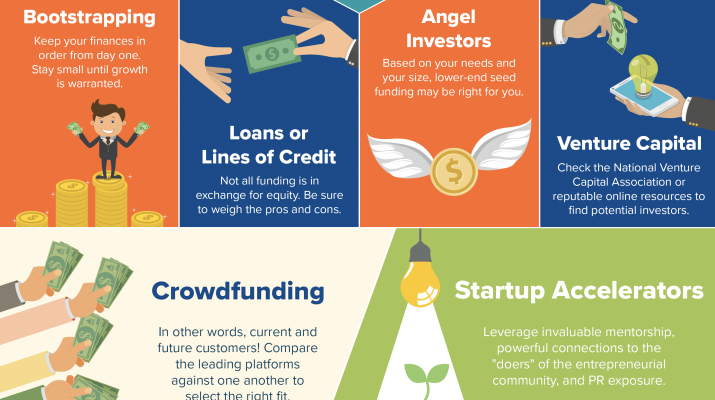
Navigating the world of business funding options for startups can be a daunting challenge, especially for new entrepreneurs eager to turn their ideas into reality. In an economy that is constantly evolving, traditional financing methods are being supplemented by innovative solutions designed to meet the needs of today’s startup landscape. From equity crowdfunding, which democratizes investment opportunities by allowing the public to support budding businesses, to revenue-based financing, offering a flexible repayment model linked to actual earnings, the choices are vast. Additionally, community funding for startups and microloans for entrepreneurs provide unique avenues for those in underserved areas to access vital capital. Exploring these diverse funding avenues equips entrepreneurs with the tools necessary to grow their ventures and ultimately thrive in a competitive market.
When it comes to financial support for emerging enterprises, many alternate funding channels are making waves in the startup ecosystem. The landscape is not just limited to traditional paths like venture capital; instead, innovative strategies such as collective investment through equity crowdfunding and adjustable repayments through revenue-based financing are gaining traction. Furthermore, entrepreneurs are increasingly turning to localized support mechanisms, including grassroots community funding initiatives and microloans tailored for small-scale ventures. These fresh perspectives on startup financing are reshaping how new businesses access funds and enabling entrepreneurs to pursue their dreams without the heavy burden often associated with conventional loans. As we explore this dynamic funding environment, we uncover the myriad opportunities available to propel startups forward.
Understanding Business Funding Options for Startups
Startups today have an array of business funding options available to them, transcending traditional sources like venture capital. This diversification is largely due to evolving economic conditions and changing investor sentiments. Entrepreneurs are constantly on the lookout for innovative ways to secure financing, which includes methods like equity crowdfunding and revenue-based financing. These alternatives not only make capital more accessible, but they often come with more favorable terms than conventional loans, allowing startups to maintain more control over their business.
Equity crowdfunding, for instance, allows startups to raise funds from a group of individual investors who each contribute a smaller amount. This method is particularly appealing to those who are looking to build a community around their brand while securing necessary capital. On the other hand, revenue-based financing enables startups to offer a percentage of their future revenue as repayment, aligning their payment structure with their cash flow. Both forms have become essential components of the modern startup funding landscape.
Emerging Startup Funding Trends
As the startup environment continues to evolve, emerging trends in funding are also reshaping how new businesses access capital. In recent years, entrepreneurs have gravitated toward options such as revenue-based finance and equity crowdfunding to navigate their financial needs. This shift has resulted in an ecosystem where startups can secure necessary funding without sacrificing significant equity or dealing with rigid repayment schedules common with traditional loans.
Furthermore, these trends are supported by a growing array of online platforms that facilitate access to potential investors. For example, equity crowdfunding opens up opportunities to everyday investors and not just accredited ones. This democratization of investment allows for a more collective effort towards funding startups, creating a supportive community eager to see these new businesses thrive.
Equity Crowdfunding and Its Impact
Equity crowdfunding has emerged as a revolutionary funding model that empowers entrepreneurs to directly engage with potential investors online. This approach not only helps startups raise capital but also cultivates a community of early supporters who are invested in the company’s success. By leveraging platforms like WeFunder and SeedInvest, startups can tap into personal networks and social media to attract diverse investors, broadening their funding base significantly.
The impact of equity crowdfunding extends beyond financial gain. It fosters a sense of community and loyalty as investors become advocates for the startup. They share the founders’ vision and often contribute their insights, which can be invaluable as the company navigates early challenges. This collective ownership model offers startups not just financial backing but also a built-in marketing force that can enhance brand visibility.
Exploring Revenue-Based Financing Benefits
Revenue-based financing offers a distinctive advantage for startups, as it aligns the interests of both entrepreneurs and investors around future earnings rather than upfront equity stakes. This model is particularly beneficial for businesses with reliable revenue streams, allowing them to secure funding without the pressure of traditional loan repayments that can jeopardize their cash flow. By committing a small percentage of their future revenue, startups can ensure their obligations are manageable and contingent upon performance.
Moreover, this funding option promotes sustainable growth by minimizing the risk of over-leverage. Startups can scale at their own pace, making strategic decisions based on market performance rather than rigid repayment schedules. Overall, revenue-based financing serves as a valuable tool for startups looking to fuel their growth while maintaining flexibility in their financial obligations.
Community Funding Initiatives for Startups
Community funding for startups represents a growing initiative aimed at empowering entrepreneurs within specific locales or demographics. Programs that offer microloans and community-backed investments are designed to provide the crucial early-stage funding that many startups struggle to secure from traditional banking institutions. These initiatives not only boost local economies but also support underrepresented entrepreneurs by reducing financial barriers.
For instance, platforms like Kiva exemplify community funding models that facilitate small loans to grassroots entrepreneurs looking to launch or expand their businesses. Through these platforms, individuals or organizations contribute to a common goal: elevating local startups and fostering economic resilience within communities. As these businesses grow, they create jobs and contribute to the local culture, effectively enhancing the economic landscape.
The Role of Government Support in Startup Finance
Government funding support plays an instrumental role in nurturing the startup ecosystem, offering vital resources through grants, low-interest loans, and technology incentives. Initiatives aimed at fostering innovation and job creation underscore the importance of public investment in private enterprise. For example, the European Union has implemented various funding initiatives targeting tech startups and environmentally-friendly projects, significantly impacting the ability of new businesses to scale and innovate.
These supportive measures can ease the financial burden on fledgling startups, allowing them to focus on growth and development rather than navigating the complexities of securing capital. With the assistance of government programs, entrepreneurs can access funding that does not require strict repayment terms or equity dilution, paving the way for a more sustainable growth trajectory.
Innovations in Late-Stage Investment Strategies
As the startup landscape matures, the nature of late-stage investments has evolved, drawing interest from private equity firms seeking innovative business models as viable investment opportunities. This shift is driven by changing market conditions and a post-pandemic landscape that necessitates adaptability and resilience. Therefore, late-stage funding has become a critical component of an entrepreneur’s growth strategy, enabling them to expand their reach and operational capabilities.
Investment firms are now more inclined to target startups with proven track records and scalable business plans, providing the necessary capital to propel these companies into new markets. Moreover, this strategic approach to late-stage investment not only fuels growth but also ignites competitive drive among startups, encouraging innovation and diversification in their offerings.
FinTech Innovations Revolutionizing Startup Lending
The rise of financial technology (FinTech) companies is reshaping the lending landscape for startups by introducing innovative solutions that address traditional financing barriers. New credit scoring systems that incorporate alternative data allow startups with limited credit history to gain access to much-needed capital. This technology-driven approach broadens the base of eligible entrepreneurs who can secure funding, thus fostering a more inclusive financial environment.
Moreover, FinTech firms are agile and can often approve loans more quickly than traditional institutions, allowing startups to capitalize on opportunities in a timely manner. These innovations not only streamline the lending process but also empower a wider demographic of entrepreneurs, leveling the playing field in an increasingly competitive market.
Microloans: A Boon for Emerging Entrepreneurs
Microloans have gained prominence as a vital funding source for aspiring entrepreneurs, especially those in underserved communities. Platforms like Kiva provide small loans that fill the gap for individuals who may not qualify for standard bank loans due to lack of collateral or credit history. By offering these microloans, lenders foster an ecosystem that promotes small business development and economic sustainability.
These small yet significant contributions can provide the initial capital needed for startups to launch or sustain their operations, enabling entrepreneurs to create products and services that positively impact their communities. The benefits of microloans extend beyond simple financial support; they stimulate local economies, generate employment, and inspire a culture of entrepreneurship, making them invaluable to emerging businesses.
Conclusion: Navigating the Future of Startup Funding
In conclusion, the future of startup funding is marked by a shift towards more inclusive and diversified financing solutions. With options such as equity crowdfunding, revenue-based financing, and community funding initiatives, entrepreneurs are better equipped to secure the capital they need without succumbing to the pressures associated with traditional funding methods. These innovations are crucial for fostering resilience and sustainability in the startup ecosystem.
As startups navigate a complex funding landscape, they must leverage these modern financing methods to not only unlock vital capital but also build supportive communities around their brands. Understanding these diverse business funding options for startups will play a critical role in shaping the next generation of entrepreneurial success stories.
Frequently Asked Questions
What are the best business funding options for startups in 2025?
In 2025, startups can explore various business funding options including **Equity Crowdfunding**, which allows everyday investors to support startups, and **Revenue-Based Financing**, where businesses repay investors based on a percentage of future revenues. Additionally, **microloans for entrepreneurs** are effective for those in underserved areas, while government grants and institutional support provide vital resources for growth. Understanding these options can help startups navigate the funding landscape effectively.
| Funding Option | Description | Benefits |
|---|---|---|
| Equity Crowdfunding | Allows individuals to invest in startups via online platforms. | Democratizes investment opportunities and builds community support. |
| Revenue-Based Financing | Startups receive capital in exchange for a percentage of their future revenue. | Aligns repayments with revenue flow, reducing financial stress. |
| Government and Institutional Support | Grants, low-interest loans, and programs from governments to support startups. | Helps startups scale without high capital returns; promotes job creation. |
| Microloans and Community Funding | Small loans aimed at empowering entrepreneurs in underserved communities. | Encourages local economic investments and helps entrepreneurs start businesses. |
| Late-Stage Investment Trends | Private equity firms are increasingly invested in expanding startups. | Encourages long-term growth strategies for startups post-pandemic. |
| Tech-Driven Solutions | FinTech innovations improve lending processes and broaden access to capital. | Utilizes alternative credit scoring to empower diverse entrepreneurs. |
Summary
Business funding options for startups have diversified, enabling entrepreneurs to explore a plethora of innovative avenues to secure financial backing. From equity crowdfunding that democratizes investment opportunities to revenue-based financing that aligns repayments with actual income, startups today can access a wide array of funding methods tailored for their specific needs. Furthermore, government support and community-driven initiatives ensure that even underserved entrepreneurs have a chance to thrive. By understanding and utilizing these modern funding solutions, startups can not only access necessary capital but also build resilience and foster sustainable growth in an increasingly competitive market.
In recent years, startup funding trends have shifted as new financing methods emerge alongside traditional venture capital. One notable trend is the rise of equity crowdfunding, which democratizes investment opportunities by allowing a large number of individual investors to contribute smaller amounts in exchange for equity. This model has gained traction due to its accessibility and the increase in online platforms that facilitate such investments, allowing startups to tap into the collective power of community funding.
Another innovative funding mechanism is revenue-based financing, where investors provide upfront capital in exchange for a percentage of the startup’s revenue until a predetermined return is met. This approach offers flexibility for entrepreneurs, as repayments adapt to their actual sales performance, reducing the pressure of fixed monthly repayments typical in traditional loans. This trend is especially appealing to startups with consistent revenue but lacking the collateral needed for conventional funding.
Community funding has emerged as a strong alternative for startups looking to establish a loyal customer base while securing initial capital. By engaging the local community, startups can leverage crowd support not only for funding but also for marketing and brand development. This model fosters an inclusive environment where community members feel invested in the success of the startup, reinforcing local economic growth while generating a dedicated following.
Microloans for entrepreneurs, particularly in underserved markets, represent another critical trend in startup funding. These small loans, often offered by non-profit organizations or community lenders, provide financial support to individuals who may not qualify for traditional bank loans. Microloans help empower aspiring entrepreneurs by giving them the financial backing needed to launch their businesses, ultimately contributing to innovation and economic development in their communities.
Overall, these evolving startup funding trends reflect a broader shift towards inclusivity and accessibility in the entrepreneurial landscape. As traditional financial avenues become potentially restrictive for many entrepreneurs, alternative funding solutions such as equity crowdfunding, revenue-based financing, community funding, and microloans are paving the way for diverse startup ecosystems, enabling more innovators to transform their ideas into reality.
Applying for a merchant account is a crucial step for businesses looking to accept credit and debit card payments. To begin the application process, first, it’s important to gather all necessary documentation which typically includes your business’s legal name, address, and tax identification number. Additionally, you may be required to provide financial statements, a copy of your business license, and potentially a personal credit check. Once you have all your documents ready, you can research and select a reliable payment processor that suits your business needs and negotiate any associated fees or terms that are part of the agreement. Most providers allow you to fill out an application online, making it convenient to initiate the process right from your website or the payment processor’s platform.
After you submit your application, the processor will typically review your business’s financial health, industry risk, and sometimes your credit history to determine if they will approve your account. It may take a few days to a couple of weeks to receive a decision. If approved, you will need to finalize agreements, set up your account details, and integrate the payment processing solution with your point of sale system or e-commerce platform. For more detailed steps on the merchant account application specific to your business needs, consider visiting websites like Merchant Maverick or NerdWallet, which provide valuable resources and guides.
