
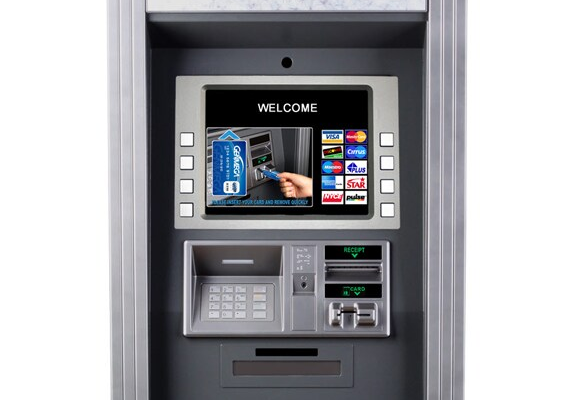
ATM machines have become an integral part of our daily financial interactions, providing convenient access to cash and banking services. With various types of ATM machines available, including freestanding, through-wall, and mobile options, it’s crucial to understand which best fits your needs. As technology progresses, the features of these machines, like cardless transactions and enhanced security protocols, are continually evolving. When considering the cost of an ATM, it’s vital to weigh initial purchase prices against long-term maintenance and operation expenses. By staying informed on the best ATM brands and current ATM market trends, businesses can make strategic investments that improve customer satisfaction and streamline their cash handling operations.
Automated teller machines, commonly referred to as ATMs, play a pivotal role in providing instant access to cash for consumers and businesses alike. These vital financial tools come in various forms, catering to different operational needs, and boast features that range from basic cash withdrawals to advanced payment options. Considering the overall costs and ongoing expenses involved with ATM ownership is essential for making informed decisions. Furthermore, understanding the reputation of the best brands in the market and keeping an eye on evolving market trends can significantly influence your choice of device. By carefully assessing these alternatives, business owners can optimize their investments in these cash-dispensing machines to enhance their service offerings.
Understanding the Different Types of ATM Machines
When it comes to selecting ATM machines, understanding the different types available is fundamental. Freestanding ATMs are typically installed in locations with significant foot traffic such as shopping centers, gas stations, and convenience stores. They attract customers looking for easy access to cash without having to enter a bank. On the other hand, through-wall ATMs are designed to be integrated into buildings, making them ideal for financial institutions or convenience stores where maximizing space is a concern. Furthermore, mobile ATMs are an innovative solution for events such as festivals or fairs, allowing for temporary cash accessibility where permanent solutions may not be feasible.
Each type of ATM machine comes with its own set of advantages and limitations. Freestanding models often feature larger screens and extended functionalities, catering to a wider range of transactions including deposits and bill payments. Meanwhile, through-wall ATMs offer added security and durability, usually being monitored more closely by the financial institutions they serve. Mobile ATMs, although limited in features, provide unmatched convenience and flexibility, enhancing customer access to cash in various environments. Evaluating the specific needs of your business along with these options will aid in making the right choice.
Exploring Essential ATM Machine Features
The features of ATM machines can significantly enhance customer satisfaction and operational efficiency. Look for ATMs that provide a robust user interface, enabling quicker transactions and minimizing wait times. Machines equipped with cardless transaction capabilities are becoming essential, allowing users to withdraw cash via mobile apps without needing to carry a physical card. This convenience is particularly attractive to younger, tech-savvy customers who value speed and ease of use in their financial transactions.
Moreover, consider ATMs that include advanced security features such as biometric authentication or encrypted transactions. These features not only protect users during cash withdrawals but also align with evolving regulatory standards on data security. Additionally, remote management capabilities enhance operational efficiency, allowing business owners to monitor the machine’s performance, cash levels, and facilitate quicker troubleshooting without the need for frequent physical checks. This integration of technology into ATM design is crucial in today’s digital-first world.
Cost Considerations When Investing in ATM Machines
When investing in ATM machines, understanding the financial landscape is crucial. The initial purchase cost may vary significantly based on the model and included features, making it essential to balance upfront expenses with long-term value. Beyond the initial investment, consider ongoing costs such as transaction fees, maintenance, and potential repair costs. It’s vital to conduct a thorough cost analysis, projecting the total cost of ownership over time to avoid any unexpected financial burdens.
Additionally, explore vendor financing options that might be available, as they can help mitigate upfront costs while allowing you to benefit from the revenue generated by the ATM machine. Evaluating different suppliers and their service packages can also lead to discovering the best overall value, where costs may be offset by enhanced features or superior customer support. A prudent financial strategy here will maximize your return on investment and ensure a sustainable operation in the competitive ATM market.
Selecting the Best ATM Brands for Reliability and Support
Choosing the right manufacturer is just as important as the type of ATM machine you select. Renowned brands in the ATM industry are known for their reliability, customer service, and technological advancements. Companies like NCR, Hyosung, and Diebold Nixdorf have established reputations for producing robust machines that consistently perform well and meet regulatory requirements. Selecting a well-regarded brand can minimize maintenance issues and ongoing headaches associated with less reliable machines, ensuring a smoother operational flow.
Furthermore, a quality brand typically provides excellent after-sales support including warranty services, software updates, and customer service. Regular software updates are crucial to ensuring compliance with security standards and operating efficiently with current banking technologies. Conducting thorough research into customer reviews and warranty offerings can aid in identifying which brands not only deliver a quality product but also stand behind their commitments, making them a wise choice for your business.
Frequently Asked Questions
What are the different types of ATM machines available for purchase?
There are several types of ATM machines available including freestanding ATMs, through-wall ATMs, and mobile ATMs. Freestanding ATMs are ideal for high-traffic areas like shopping centers, while through-wall ATMs are suited for limited-space environments like banks. Mobile ATMs are perfect for temporary events, providing on-the-go cash access.
What key features should I look for in an ATM machine?
When selecting an ATM machine, consider features such as cardless transactions, user-friendly interfaces, remote management capabilities, and security measures like PCI compliance. These features enhance customer experience and ensure safe transactions.
What are the cost considerations when buying an ATM machine?
Cost considerations for ATM machines include the initial purchase price, ongoing maintenance fees, transaction charges, and potential repair costs. It is important to assess the total cost of ownership to ensure the investment remains profitable over time.
What are the best ATM brands currently on the market?
Some of the best ATM brands include Diebold Nixdorf, NCR, GRG Banking, and Triton. These brands are recognized for their reliability, extensive customer support, and innovative features, making them popular choices for business owners looking to invest in ATM machines.
| Consideration Factors | Details |
|---|---|
| Types of ATM Machines | Freestanding ATMs, through-wall ATMs, mobile ATMs, and their ideal locations. |
| Features and Functionality | Support for various transactions, cardless options, user-friendly interfaces, remote management, and security features. |
| Cost Considerations | Initial purchase price, ongoing costs, and total cost of ownership should be understood. |
| Brand Reputation and Support | Choose brands known for reliability, customer service, and regular updates. |
| Regulatory Compliance | Stay informed of local regulations such as ADA compliance to avoid fines. |
| Market Trends | Knowledge of trends like cryptocurrency integration and loyalty programs is essential. |
| Field Research | Research high foot traffic areas and local competition for strategic placement. |
Summary
ATM machines are vital tools for businesses, allowing for enhanced financial efficiency and improved customer satisfaction. As the ATM industry continues to evolve, it is essential for investors to understand the various types of machines, key features, and associated costs before making a purchase. By researching brand reliability, regulatory compliance, and current market trends, businesses can strategically select ATMs that not only meet consumer needs but also maximize their return on investment. Keeping these factors in mind will help ensure a successful investment in ATM machines.
ATM machines can be classified into several types based on their functionality and purpose. The most common types include cash dispensers, which provide users with currency; kiosk ATMs, which offer additional services such as bill payments and ticket sales; and multifunctional ATMs that combine several features, including cash withdrawal, deposit acceptance, and balance inquiries. There are also mobile ATMs that can be deployed for events, and off-site ATMs that serve remote locations, ensuring that the services are accessible in various contexts.
Modern ATM machines come equipped with a variety of features designed to enhance user experience and security. Some notable features include touchscreen interfaces, multi-language support, card readers with chip and contactless payment capabilities, receipt printing options, and security features like surveillance cameras and anti-skimming devices. Additionally, many ATMs are now integrated with mobile banking services, allowing customers to perform transactions through their smartphones, thus bridging the gap between traditional banking and automated services.
When considering the cost of ATM machines, one must take into account both initial purchase prices and ongoing operating costs. Initial costs can vary widely depending on the features and brand of the ATM; a basic model may cost a few thousand dollars, while advanced models can run significantly higher. Additionally, businesses must consider transaction processing fees, cash management services, maintenance and repairs, and insurance. Understanding these costs is crucial for businesses planning to install ATMs, as hidden fees and ongoing expenses can impact overall profitability.
Several reputable brands dominate the ATM market, known for their reliability and strong service support. Notable names include NCR, Diebold Nixdorf, and Hyosung. NCR is well-known for its innovative ATM solutions and extensive service network, while Diebold Nixdorf markets itself on providing cutting-edge technology and security features. Hyosung has gained a reputation for offering cost-effective machines with user-friendly interfaces. Each brand offers different models suited to various needs, making it essential for businesses to research which brand aligns best with their operational requirements.
The ATM market is currently witnessing several trends that shape its evolution. One significant trend is the increasing integration of digital and mobile banking solutions, as users seek more convenience and flexibility. Additionally, there’s a growing emphasis on enhancing security features as cyber threats continue to evolve. The rise of cryptocurrency ATMs is another trend, catering to the increasing demand for digital currency transactions. Furthermore, the shift towards environmentally-friendly practices is leading to the development of energy-efficient machines, impacting design and consumer choices in the ATM landscape.
Applying for a merchant account is an essential step for businesses that wish to accept credit and debit card payments. To start the application process, you’ll need to research and select a reliable payment processor that fits your business needs, such as payment fees, contract terms, and customer support. Most providers offer an online application form where you will input essential information like your business details, contact information, and banking details. Be prepared to provide documentation that verifies your business’s legitimacy, such as your business license, tax identification number, and proof of identity.
Once you complete the application, the payment processor will review your submission and may contact you for additional information or clarification. It’s crucial to ensure that all details provided are accurate and comprehensive, as this can speed up the approval process. Once your application is approved, you will receive the terms of service, including any fees associated with your account. This is also the time to set up your payment gateway and integrate it with your sales platform. For detailed guidelines and more information on how to apply for a merchant account, visit [MerchantAccountGuide.com](https://www.merchantaccountguide.com) for step-by-step instructions and resources.
