
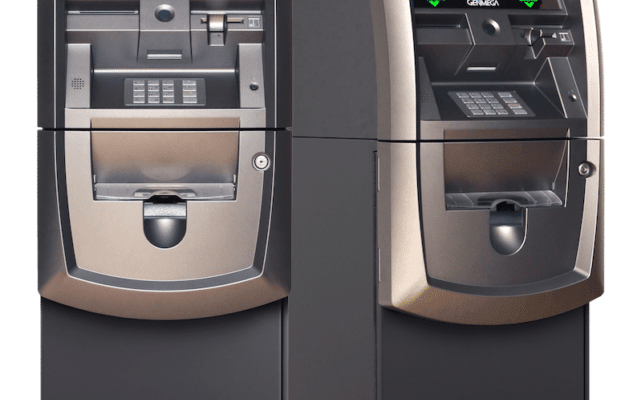
Buying ATM machines is an increasingly popular choice for entrepreneurs looking to diversify their investment portfolios. With the ever-growing reliance on cash transactions, owning an ATM can provide significant passive income opportunities. However, before you make a purchase, it’s crucial to understand various factors such as ATM machine costs, financing options for ATMs, and the importance of legal compliance in your area. Moreover, working with a reputable ATM supplier can ensure you receive a quality machine tailored to your business needs. This comprehensive guide will help you navigate the process of acquiring and effectively managing your own ATM.
Acquiring cash dispensers, often referred to as Automated Teller Machines (ATMs), has become a strategic investment for many business owners. These critical assets not only serve local communities but also present a unique revenue stream through transaction fees. Understanding the complexities of ATM acquisition, including essential considerations like installation procedures, financing alternatives, and adherence to legal requirements, is vital for potential owners. Additionally, engaging with a reliable vendor can enhance your machine’s functionality and support. As you embark on this journey into ATM ownership, staying informed will empower you to maximize the benefits of this financial venture.
The Importance of Understanding ATM Machine Costs
When embarking on the journey of buying ATM machines, it is crucial to fully comprehend the various factors influencing ATM machine costs. These costs typically range from $2,000 to $10,000, depending on whether you are opting for standalone or bank-owned options. A significant aspect of pricing involves the features offered by the ATM model. For instance, machines with advanced security features or touch screens may come with a premium price tag. Hence, conducting a thorough market analysis is essential for aligning your budget with the selected features.
Moreover, when calculating total expenses, consider additional costs such as maintenance and transaction processing fees. These operational costs can vary based on the provider and location. It’s also wise to explore financing options, such as leasing or loans, which can relieve some immediate financial burdens. Understanding these elements not only helps you determine the costs associated with buying an ATM but also assists in crafting a sustainable financial plan for your investment.
Researching the Best ATM Suppliers
Choosing the right ATM supplier is a pivotal decision that can dictate the success of your ATM operation. Start by identifying reputable suppliers, such as Hyosung or NCR, known for their reliability and quality assurance. Reliable suppliers not only dispense quality machines but also provide critical post-sale support, an essential element in maintaining your ATM’s uptime. Performing due diligence on potential suppliers—reading reviews and comparing offerings—will lead to a wiser choice that enhances your operation.
In addition to traditional suppliers, considering online platforms for purchasing can save time and sometimes money. However, ensure that you buy from verified sellers to avoid scams, particularly when engaging with larger platforms such as eBay or Amazon. Many suppliers also offer attractive maintenance agreements, which cover routine checks and necessary repairs, ensuring your machine remains in optimal condition. Overall, addressing the right supplier from the start sets a solid foundation for your ATM business.
Financing Options for Buying ATM Machines
Investing in ATM machines represents a significant cash outlay; therefore, it’s critical to explore all financing options available. Leasing is a popular avenue for many entrepreneurs, as it requires lower initial costs and often includes maintenance in the package. This flexibility allows businesses with limited cash flow to enter the ATM market without the burden of a high upfront investment, making it an attractive option for new ventures.
Alternatively, securing a loan can facilitate full ownership of an ATM, providing a sense of security and potential long-term profitability. Many local banks and credit unions offer dedicated loan products specifically designed for small businesses looking to invest in ATMs. It’s vital to thoroughly review the terms of any financing option to ensure that the long-term costs remain manageable. Each financing pathway presents unique advantages and should be evaluated based on the individual financial situation and business goals.
Installation and Legal Compliance for ATM Operations
The successful installation of your ATM is crucial not only for functionality but also for legal compliance. Depending on your location, local regulations regarding ATM placement can vary significantly. It’s essential to familiarize yourself with these rules to ensure compliance and avoid any legal repercussions. Hiring professionals for installation, especially in high-traffic areas, is recommended to ensure that the ATM is safely secured and adheres to local codes.
In addition to installation, you must navigate the necessary licenses and permits required to operate an ATM. These can include operational licenses and compliance with federal as well as state regulations. Engaging with a legal consultant who specializes in ATM operations can be beneficial in ensuring that all legal prerequisites are met. Successfully navigating the legal landscape enhances both the reputation and longevity of your ATM business.
Frequently Asked Questions
What are the typical costs associated with buying ATM machines?
The costs of buying ATM machines can range from $2,000 to $10,000, depending on various factors. Key considerations include the type of ATM (standalone vs. bank-owned), features like touch screens and advanced security, and the brand reputation of the supplier. To find an ATM that fits your budget, it’s essential to research different models and their respective costs.
How do I find a reliable ATM supplier for purchasing machines?
Finding a reliable ATM supplier is crucial when buying ATM machines. Look for reputable suppliers like Hyosung and NCR that offer high-quality machines and solid customer support. Be cautious when purchasing through online platforms; ensure you buy from verified sellers to avoid scams. Choosing a supplier that offers maintenance agreements can also benefit the longevity and functionality of your ATM.
What financing options are available for buying ATM machines?
When considering the purchase of ATM machines, several financing options can help mitigate upfront costs. You can opt for leasing, which typically includes maintenance and lowers initial expenses, or seek loans from local banks and credit unions tailored for ATM purchases. It’s important to understand the terms and long-term costs associated with any financing option you choose.
What legal compliance should I consider when buying an ATM machine?
Legal compliance is essential when buying ATM machines. Before placing your machine, familiarize yourself with local regulations that govern ATM operations, including placement restrictions and necessary licenses. Compliance can vary significantly by location, so ensure you check your state’s requirements to operate legally and avoid fines.
| Aspect | Key Points |
|---|---|
| Types of ATMs | 1. Standalone ATMs – Operate independently in commercial locations. 2. Bank-Owned ATMs – Managed by banks in branches. |
| Costs of ATM Machines | Prices range from $2,000 to $10,000 based on type, features, and brand. |
| Researching the Market | Analyze available models, assess compatibility with projected transaction volumes. |
| Finding a Supplier | Work with reputable suppliers, consider maintenance agreements. |
| Financing Options | Options include leasing, loans; understand terms and costs. |
| Legal and Regulatory Considerations | Familiarize with local laws, ensure necessary licenses are obtained. |
| Installation and Maintenance | Hire professionals for installation; regular maintenance is crucial. |
| Profitability Management | Set competitive transaction fees, target high-traffic locations. |
| Continuous Monitoring | Regularly check performance, gather user feedback for improvements. |
Summary
Buying ATM machines can provide a significant economic opportunity for entrepreneurs and businesses looking to enhance their service offerings. It involves understanding various ATM types, such as standalone and bank-owned models, and assessing their costs, which can range from $2,000 to $10,000 depending on features and reputation. Conducting thorough market research is vital, as is selecting a reliable supplier who can provide ongoing support. Additionally, it’s important to consider financing options, regulatory compliance, and proper installation and maintenance of the machines. Effectively managing transaction fees and monitoring performance can lead to successful operations. Ultimately, entering the ATM industry requires strategic planning and execution, but with the right approach, it can be a lucrative investment.
When considering the costs associated with ATM machines, several factors come into play. The initial cost of acquiring an ATM can range significantly based on the model and features you choose. Basic models can start at around $2,000, while more advanced machines with additional functionalities may cost upwards of $8,000 or more. Other costs to consider include shipping, installation fees, and ongoing maintenance, which can lead to a substantial initial investment for businesses looking to offer ATM services.
Choosing the right ATM supplier is a critical component for businesses planning to install an ATM. Suppliers vary widely in terms of the models they offer, pricing, service contracts, and reliability. Some established suppliers are well-known for their dependable products and customer support, while others may provide more budget-friendly options but at the cost of quality and service. It’s essential to research and compare different suppliers, read customer reviews, and request quotes to ensure you’re making a well-informed decision that aligns with your financial and operational needs.
Financing options for ATMs can ease the burden of upfront costs for businesses that may not have sufficient capital to invest outright. Common financing methods may include leasing agreements, which allow businesses to pay a lower monthly fee instead of a hefty initial payment. Some ATM suppliers offer financing directly, providing flexible terms that can fit various budgets. Additionally, traditional lenders and banks may offer loans specifically for purchasing or leasing ATMs, which can help businesses acquire the necessary cash flow to manage operating costs effectively.
ATM installation involves several crucial steps to ensure the machine’s proper functioning and compliance with local regulations. After selecting a suitable location, it’s important to prepare the site for installation, which may involve electrical work, networking, and securing necessary permits. Professional installation services can help ensure that the ATM is set up correctly and efficiently. Proper installation not only aids in compliance with safety standards but also ensures optimal performance, which is vital for customer satisfaction.
Legal compliance is a significant aspect of operating an ATM, as businesses must adhere to various laws and regulations governing ATM operations. This includes compliance with the Americans with Disabilities Act (ADA), security standards such as PCI DSS, and local financial regulations. Regular audits and training for staff involved in ATM operations can help maintain compliance and avoid legal issues. Understanding these regulations and prioritizing compliance is essential for the successful management of an ATM business.
Applying for a merchant account is a crucial step for businesses looking to accept credit and debit card payments. To begin, you’ll first need to conduct research and choose a payment processor that aligns with your business needs. Factors to consider include transaction fees, customer support quality, and compatibility with your sales system. Once you’ve selected a provider, visit their website and fill out the application form. This typically requires basic business information, such as your business name, address, type of products or services offered, and estimated monthly sales volume. Don’t forget to prepare any necessary documents, like your business license or tax identification number, as these may be required for verification purposes.
After submitting your application, the payment processor will review your submission to assess the risk level of your business. This review can take anywhere from a few hours to a few days, depending on the provider’s procedures. During this time, you might be asked to provide additional documentation or clarification. If approved, you’ll receive your merchant account details, including information on how to set up payment processing on your website or in-store system. Should you need assistance at any point during the application process, most providers have dedicated support teams ready to help. For more detailed guidance, explore resources available on websites such as the Merchant Services Association or consult with a financial advisor.
