
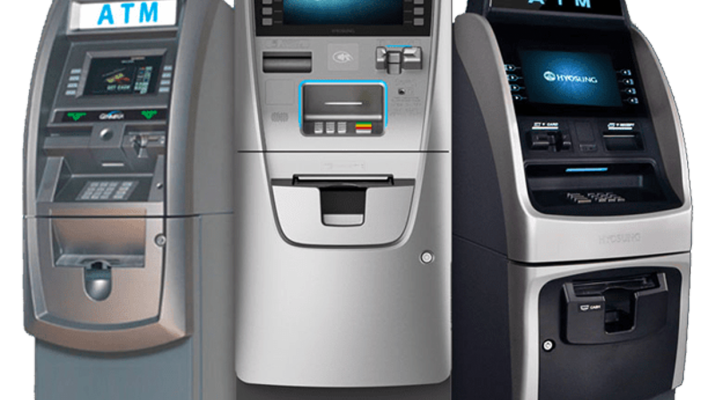
ATM business opportunities are rapidly gaining traction as savvy entrepreneurs seek to capitalize on the ever-growing cash withdrawal market. With emerging trends showcasing the enduring demand for cash, starting an ATM business has never been more appealing. Operators can harness ATM placement strategies to pinpoint high-traffic locations, boosting the potential for transaction volumes and profitability. Moreover, understanding the ATM business model is essential, as it allows investors to outline their expected returns based on location selection and transaction fee structures. This article will delve into the intricacies of ATM profitability, essential cost considerations, and the latest cash withdrawal trends that inform strategic decision-making in this lucrative sector.
Exploring the field of automated teller machines unveils a plethora of business possibilities for investors eager to dive into a profitable venture. Known for their ability to generate passive income, ATMs provide accessibility to cash for both consumers and businesses alike. By adopting robust ATM placement strategies, entrepreneurs can thrive in this cash-based economy, tapping into the potential of high-volume transaction areas. Additionally, awareness of current cash withdrawal trends and the overall ATM business framework is crucial for sustained success. This discussion aims to illuminate key factors that contribute to the flourishing landscape of ATM enterprises.
Exploring ATM Business Opportunities
The ATM business presents a unique opportunity for entrepreneurs to delve into the lucrative cash withdrawal marketplace. With the increasing dependency on cash transactions in various demographics, especially among those who prefer face-to-face banking, starting an ATM business can be particularly rewarding. Entrepreneurs can capitalize on the demand for cash in high-traffic areas like shopping centers, tourist attractions, and events where cash is often the preferred payment method. This also caters to various customer bases, including tourists and local residents who may not have immediate access to bank branches.
Furthermore, the ATM business model heralds the potential for passive income as operators can charge transaction fees for each cash withdrawal. This revenue can be significant, particularly when strategically placed ATMs service a steady stream of customers. By analyzing cash withdrawal trends and understanding target demographics, entrepreneurs can ensure their ATMs are situated in optimal locations, maximizing profitability while contributing to the community’s need for cash access.
Understanding ATM Placement Strategies
Effective ATM placement strategies are crucial for ensuring high transaction volumes and maximizing revenue. Ideal locations for ATM deployment often include places with heavy foot traffic, such as convenience stores, airports, hospital areas, and entertainment venues. By conducting market research to identify these high-traffic zones, ATM operators can enhance their chances of achieving consistent earnings. Moreover, strategic partnerships with local businesses can facilitate better placement agreements, allowing entrepreneurs to leverage existing customer bases.
In addition, ATM placement should take into account competitor locations — understanding where neighboring ATMs are situated can help establish a competitive edge. Operators can employ location analysis techniques to identify underserved areas or gaps, potentially leading to higher transaction fees and increased revenue. Additionally, employing technology such as location-based marketing can help attract customers to ATMs by highlighting services and fees, further encouraging usage.
Analyzing ATM Profitability Insights
Understanding the profitability potential in starting an ATM business hinges on several key factors, including transaction fee structures and location demographics. With transaction fees typically ranging from $1.50 to $3.00, operators can substantially increase profits by ensuring they’re set competitively yet attractively. Analyzing throughput—how often each machine is used—allows operators to gauge whether the fees are proportional to the volume of cash withdrawals, enabling strategic adjustments to their pricing.
Additionally, maximizing profitability requires keen attention to transaction volume forecasts, which can be influenced by factors like local events, seasons, and demographic shifts. Operators may find it useful to analyze local cash withdrawal trends to predict peak usage periods, further enhancing operational strategies. By combining these insights with effective marketing and outreach efforts, ATM operators can significantly amplify their earnings, fortifying their business’ overall financial health.
Navigating the Regulatory Landscape for ATM Businesses
The regulatory landscape surrounding ATM operations is critical for ensuring compliance and customer trust. Key regulations include ensuring accessibility per the Americans with Disabilities Act (ADA) and adhering to anti-money laundering laws. Operators must remain vigilant and knowledgeable about both local and federal regulations that govern ATM usage and transactions. This understanding not only protects the business from legal liabilities but also fosters customer confidence in the service provided.
Moreover, maintaining compliance can enhance the ATM’s reputation among users, encouraging higher transaction volumes. By proactively addressing regulatory challenges and ensuring all ATMs meet compliance standards, operators can build a robust and trustworthy business model. Remaining informed about changes in regulations and industry standards will help ATM operators navigate this complex landscape effectively, ensuring long-term success.
Frequently Asked Questions
What are the key factors in determining ATM profitability?
Key factors that influence ATM profitability include the location of the ATM, transaction fee structure, volume of cash withdrawals, and maintenance costs. Placing ATMs in high-traffic areas leads to more transactions, while strategically setting competitive fees can enhance revenue streams.
How can I successfully start an ATM business?
To successfully start an ATM business, focus on selecting high-traffic locations for placement, establish agreements with property owners, and manage ongoing operational costs effectively. Initial investment, including purchasing the ATM and setup, is crucial for launching operations.
What are effective ATM placement strategies for maximizing revenue?
Effective ATM placement strategies include targeting high foot traffic locations such as shopping centers, bars, airports, and tourist attractions. By analyzing demographics and local cash withdrawal trends, operators can position their ATMs in areas with high demand for cash.
What trends should ATM operators consider for future success?
ATM operators should monitor trends such as the growing shift towards digital payments, the rise of mobile ATMs for events, and technological advancements like contactless withdrawals. Adapting to these changes ensures continued relevance and profitability in the ATM business.
| Key Component | Description |
|---|---|
| Location | High-traffic areas maximize transaction volumes. |
| Transaction Fees | Operators charge between $1.50 and $3.00 per transaction. |
| Maintenance and Operations | Regular maintenance ensures ATMs are always operational. |
| Profitability Insights | Volume of transactions and fee structure are key to maximizing profit. |
| Cost Considerations | Initial investment ranges from $2,500 to $10,000, with ongoing expenses. |
| Trends and Challenges | Emerging trends include mobile ATMs and technological advancements. |
| Regulatory Compliance | Operators must comply with ADA and anti-money laundering regulations. |
| Marketing Strategies | Effective marketing includes an online presence and collaborations. |
Summary
ATM business opportunities present a promising avenue for entrepreneurship, particularly in high-traffic locations where demand for cash is consistent. As outlined, the crucial aspects involve selecting strategic sites, setting competitive transaction fees, and managing operational costs. The landscape is shifting with trends towards digital payments and mobile ATMs, but the demand for cash access remains strong, especially among certain demographics. With a clear understanding of regulatory requirements and effective marketing strategies, entrepreneurs can carve out significant profits in this evolving market, making the ATM business a potential source of financial independence.
ATM profitability is a vital factor in determining the success of an ATM business. Profitability is largely influenced by transaction volumes, fees charged per transaction, and operational costs. Many ATMs charge a service fee for cash withdrawals, which can range from $1.50 to $3 or more, depending on location and competition. A well-placed ATM in a high foot-traffic area can generate substantial income, provided it is maintained effectively and stocked with sufficient cash to meet demand.
Starting an ATM business requires careful planning and understanding of the market. Entrepreneurs need to consider various factors including the purchase or lease of ATM machines, securing prime locations, obtaining necessary permits, and establishing relationships with processing banks. Investors should also consider the upfront capital investment, which includes the cost of the machine, installation expenses, and cash to load the ATM initially. A solid business plan outlining location strategy and anticipated revenue can assist in attracting potential investors or lenders.
ATM placement strategies are crucial for maximizing profitability and minimizing operational headaches. Identifying high-traffic areas such as shopping malls, universities, gas stations, and bars can lead to better transaction volumes. Additionally, establishing strategic partnerships with local businesses can provide ideal placement opportunities. It’s essential to monitor competition in the area to ensure that the ATM remains a preferred choice for users. Regularly assessing foot traffic patterns and seasonal trends can also help in fine-tuning placement strategies.
Cash withdrawal trends have evolved significantly in the past few years due to advancements in technology and changing consumer behaviors. While some regions still rely heavily on cash withdrawals, others are witnessing a downward trend as digital payments become increasingly popular. However, ATMs still play a critical role, especially in markets where cash remains king. Understanding these trends helps ATM operators adapt their services and offerings to meet consumer expectations, potentially introducing new features like cash deposits and bill payment functionalities.
The ATM business model primarily hinges on transaction-based revenue. Operators typically earn from surcharge fees, interchange fees, and, in some cases, maintenance contracts. A successful model also considers the recurring costs associated with cash replenishment, maintenance, and transaction processing fees. Additionally, leveraging technology to offer value-added services can enhance customer experience and increase transaction volume. Diversifying income sources by incorporating advertising or partnering with businesses for promotional activities can further improve profitability in this competitive market.
Applying for a merchant account is an essential step for businesses looking to accept credit and debit card payments. To begin the application process, first evaluate your business needs and identify the type of merchant account that suits your requirements. You have the option to choose between traditional bank merchant accounts, which typically offer low transaction fees, or payment processors that may provide additional online tools and services. Once you’ve decided on the type of account you need, you will typically fill out an application form, providing essential details about your business, such as its legal structure, contact information, estimated sales volume, and the types of payment you wish to accept.
After completing the application, be prepared to provide supporting documentation, which may include your business license, identification, and banking information. Depending on the provider, a credit check may be conducted as part of the approval process. This step ensures that you’re a low-risk applicant for the payment processor. If everything checks out, you will receive an approval notice, and your merchant account will be set up. For a comprehensive guide on how to apply for a merchant account, including a list of reputable providers, visit [MerchantAccountGuide.com](https://www.merchantaccountguide.com) to get started.
