
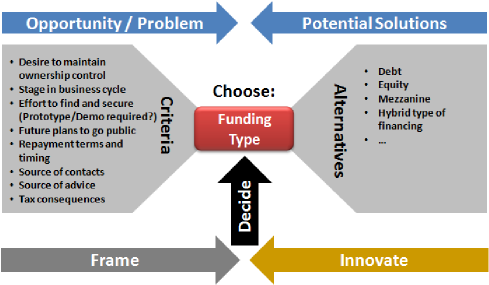
New business funding is essential for entrepreneurs looking to transform their ideas into successful ventures. In today’s dynamic financial climate, understanding various business funding strategies can give you a competitive edge. This introductory guide will delve into practical tips, such as securing SBA loans for entrepreneurs and exploring innovative crowdfunding options for startups that can maximize your funding potential. Moreover, acquiring investor networking skills can open more doors and provide valuable resources as you navigate this critical phase of your business journey. Join us as we uncover the keys to securing the financial backing necessary for your entrepreneurial success.
Financial support for startups is crucial in this ever-evolving landscape of entrepreneurship. Entrepreneurs must explore a range of funding opportunities to lay the groundwork for successful business development. By implementing effective funding strategies and learning entrepreneur funding tips, one can enhance their chances of obtaining the necessary resources. Additionally, leveraging crowdfunding platforms and forming connections in the investor community can create more pathways to raise capital effectively. In this post, we will explore various avenues to help fledgling businesses gain the funding needed for growth and sustainability.
New Business Funding Strategies You Need to Know
When embarking on the journey of new business funding, it’s crucial for entrepreneurs to familiarize themselves with a variety of funding strategies that can align with their specific needs. Traditional financing options, including small business loans from banks, often come with structured repayment plans and lower interest rates, making them a viable option for many. However, exploring alternatives like angel investors and venture capital can provide not only much-needed capital but also valuable industry connections and mentorship to help navigate the startup landscape.
In addition to traditional funding methods, modern entrepreneurial ecosystems encourage exploring funding sources like crowdfunding platforms. Utilizing sites such as Kickstarter or Indiegogo allows startups to directly engage with their target audience, raising funds while simultaneously validating their business idea in the market. By diversifying their funding sources, entrepreneurs can enhance their chances of securing the necessary capital to propel their business forward.
Effective Preparation for Securing Entrepreneur Funding
Preparation is paramount for entrepreneurs in securing funding. Crafting a detailed business plan is crucial, as it serves as a roadmap demonstrating your understanding of the market and your business model. Key elements such as an engaging executive summary, comprehensive market analysis, and realistic financial projections are essential for convincing potential investors that you are ready for funding. Furthermore, articulating a robust marketing strategy for reaching your customers will give financiers confidence in your operational execution.
Investors are particularly interested in financial projections that illustrate your business’s potential for growth and profitability. By outlining revenue expectations and defining your funding requirements clearly, you equip yourself with the necessary tools to engage with potential investors effectively. A well-prepared business plan not only serves as a pitch document but also helps entrepreneurs clarify their objectives and strategies, ultimately paving the way for successful funding opportunities.
The Power of Crowdfunding for Startups
Crowdfunding has revolutionized the way startups secure funding by allowing them to connect with potential backers directly through online platforms. To leverage this approach effectively, entrepreneurs should focus on creating a compelling campaign that tells a gripping story about their vision. Transparency is key, as backers are more inclined to contribute to projects they believe in, particularly when they feel emotionally connected to the entrepreneurial journey being portrayed.
Setting achievable funding goals and offering tangible rewards for various contribution levels can also significantly enhance a crowdfunding campaign’s success. By promoting the campaign through social media and email marketing, entrepreneurs can create buzz and attract a larger audience, increasing the likelihood of meeting their funding target. Crowdfunding not only brings in capital but also fosters community engagement, allowing startups to build a base of supporters who are invested in their success.
Finding Support Through Government Funding Programs
Government funding programs offer valuable resources for startups navigating the sometimes murky waters of financial support. The Small Business Administration (SBA) provides various loan programs, including the popular 7(a) and Microloan programs, which can help entrepreneurs access much-needed capital. In addition, many startups may overlook government grants that come with no strings attached, representing an untapped resource for financing.
Navigating these government programs requires research and understanding of the application processes. Entrepreneurs can benefit from workshops and educational resources offered through various government entities, enhancing their chances of submitting successful applications. By tapping into government funding options, startups can secure foundational capital to aid in launching and scaling their business ventures without the burden of repayment.
Networking and Relationship Building with Investors
Building relationships with potential investors is a cornerstone of successful funding. Networking events, pitch competitions, and industry conferences are excellent venues for entrepreneurs to connect with investors and other professionals who can offer guidance and support. Making a personal connection can often lead to trust and rapport, which is critical in securing financial backing for new ventures.
In addition to in-person networking, leveraging online platforms such as LinkedIn or AngelList can broaden an entrepreneur’s reach to potential backers. Many investors actively seek out promising startups through these networks, making it essential for entrepreneurs to create a strong online presence and connect with relevant professionals in their industry. Developing these relationships can lead to opportunities beyond just funding, including mentorship and strategic partnerships.
The Impact of Financial Technology (FinTech) on Funding
Financial technology has transformed the landscape of business financing, providing entrepreneurs with innovative solutions for accessing funding more efficiently. With the rise of FinTech lending platforms like Kabbage and Fundera, small business owners can benefit from quicker approval processes compared to traditional banks, making it easier to secure necessary capital when needed. FinTech solutions also offer valuable tools for managing finances, simplifying cash flow analysis, and enhancing borrowers’ understanding of funding options.
Moreover, embracing FinTech allows entrepreneurs to explore various funding products that may better meet their unique needs. By using financial planning apps, business owners can gain insights into their financial health and make informed decisions regarding their funding strategies. The agility offered by FinTech resources enables startups to navigate the complexities of funding with greater ease, ultimately contributing to sustained business growth.
Integrating Sustainability into Funding Strategies
In today’s investment climate, sustainability is increasingly becoming a key factor for attracting funding. Investors are more inclined to support businesses that prioritize environmental and social responsibility. By integrating sustainable practices into their business models, entrepreneurs can differentiate themselves in a competitive marketplace and appeal to the growing number of impact investors dedicated to supporting sustainable ventures.
When pitching to potential investors, emphasizing how your business aligns with sustainability goals may open additional funding opportunities. This could include initiatives that reduce environmental footprints or promote social equity. By demonstrating a commitment to sustainability, entrepreneurs not only enhance their appeal to investors but also position themselves as leaders in responsible business practices, fostering a positive brand image.
Strategic Marketing to Enhance Funding Success
A strategic marketing plan is essential for entrepreneurs seeking funding. By articulating how your product or service will reach your target audience and detailing your pricing and promotional strategies, you present a well-rounded business model to potential investors. This clarity shows investors that you have a firm grasp of market dynamics and are prepared to execute a robust marketing strategy upon receiving funding.
Furthermore, an effective marketing campaign captures the essence of the brand and highlights its unique selling points. Showcasing customer engagement strategies, such as feedback loops or community involvement, can make your funding pitch more compelling. Investors are more likely to fund projects that show promise not only through financial forecasts but also through a well-executed marketing approach that illustrates the potential for customer acquisition and retention.
Utilizing Business Resources for Holistic Growth
To thrive as an entrepreneur, understanding the range of business resources available is crucial. This includes leveraging professional networks, educational resources, and mentorship opportunities that can contribute to holistic business growth. Many organizations offer resources for entrepreneurs that include workshops, online courses, and access to industry experts who can provide insights into best practices.
Additionally, resources such as industry publications and business incubators can facilitate an environment of learning and innovation. By taking advantage of these tools, entrepreneurs can enhance their understanding of funding options and network effectively with potential investors and peers in their industry. The combination of knowledge and connections not only fosters personal growth but can also lead to greater business viability and financial support.
Frequently Asked Questions
What are the best strategies for securing new business funding for startups?
Securing new business funding involves diverse strategies such as pursuing traditional bank loans for structured repayment plans, engaging with angel investors who offer mentorship alongside capital, and exploring venture capital for high-growth potential. Entrepreneurs should consider the benefits of crowdfunding through platforms like Kickstarter and Indiegogo, as well as researching government grants and SBA loans, which provide valuable resources without repayment obligations. Diversifying funding sources enhances your chances of securing the necessary capital.
| Funding Source | Description |
|---|---|
| Traditional Bank Loans | Structured repayment plans and lower interest rates, though harder to obtain. |
| Angel Investors | Individuals investing personal funds into startups, often also offering mentorship. |
| Venture Capital | Equity stakes in startups with high growth potential, including industry connections. |
| Crowdfunding | Raise funds directly from the public via platforms like Kickstarter, also serves as marketing. |
| Government Grants | Financial support without repayment obligation, often overlooked by small businesses. |
Summary
New business funding is a crucial element for entrepreneurs looking to establish and grow their ventures. In today’s competitive landscape, understanding the various funding sources, from traditional loans and angel investments to innovative crowdfunding platforms and government grants, can provide entrepreneurs with the necessary resources to thrive. By focusing on meticulous preparation, such as crafting a solid business plan and leveraging technology in financial management, entrepreneurs improve their chances of securing investment. Additionally, building strong networks and relationships with potential investors can lead to significant funding opportunities. In conclusion, effectively navigating new business funding not only empowers entrepreneurs to acquire essential capital but also sets a sustainable path for future growth.
Business funding strategies are essential for entrepreneurs looking to launch or expand their startups. These strategies can range from traditional methods, such as bank loans and investor funding, to innovative approaches like crowdfunding and bootstrapping. Entrepreneurs should evaluate their business model and funding needs to determine which strategies align best with their goals. For instance, if a startup has a strong community or social element, crowdfunding can be an excellent way to not only raise capital but also build a loyal customer base.
When seeking funding, entrepreneurs should consider a variety of funding tips to enhance their chances of securing capital. One critical approach is to develop a thorough and compelling business plan that includes financial projections and an outline of how the funds will be utilized. Networking is also crucial; entrepreneurs should connect with other business owners and attend industry events to find potential investors or mentors. Additionally, understanding your audience and tailor pitches to resonate with what investors are looking for can significantly improve funding prospects.
Crowdfunding for startups has gained significant traction as a viable funding option. Platforms like Kickstarter, Indiegogo, and GoFundMe allow entrepreneurs to present their ideas directly to potential customers who can contribute funds in exchange for rewards or equity. Successful crowdfunding campaigns rely on effective marketing strategies, engaging storytelling, and building a community around the product or service. Engaging early supporters not only generates necessary funds but also validates the business idea and creates an initial customer base.
SBA loans for entrepreneurs offer a solid funding alternative for those looking to start or grow their businesses. The U.S. Small Business Administration (SBA) provides guarantees on loans made by banks and other lenders, which can make it easier for small businesses to qualify. These loans often feature favorable terms, including low-interest rates and extended repayment periods. Entrepreneurs can explore various SBA loan programs tailored to specific needs, such as the 7(a) loan for general business purposes or the 504 loan for purchasing fixed assets.
Investor networking for startups is a critical component of the fundraising process. Building relationships with potential investors can lead to valuable insights, mentorship, and financial support. Entrepreneurs should attend networking events, pitch competitions, and industry conferences where investors are present. Additionally, utilizing online platforms such as LinkedIn and AngelList can facilitate connections with investors looking for promising startups. Crafting a strong personal brand and establishing a clear narrative about the business can further enhance these networking opportunities.
Applying for a merchant account is a crucial step for businesses looking to accept credit card payments and streamline their transaction processes. To begin, gather essential documentation, such as your business license, tax identification number, and bank account information. Once you have your documents ready, research various payment processors and financial institutions to compare their fees, contract terms, and services offered. Many companies allow you to apply online, so visit their websites to complete the application form, providing all necessary details about your business and its projected sales volume.
After submitting your application, the approval process can vary in length depending on the provider. Some companies may require additional documentation or a credit check, so be prepared to respond promptly to any requests for further information. Once approved, you will receive instructions for setting up your payment processing system, which may include integrating software into your website or setting up point-of-sale systems. For more detailed steps and to find suitable providers, it is beneficial to visit resources such as the Small Business Administration (SBA) website or industry-specific platforms to ensure you make a well-informed choice.
