
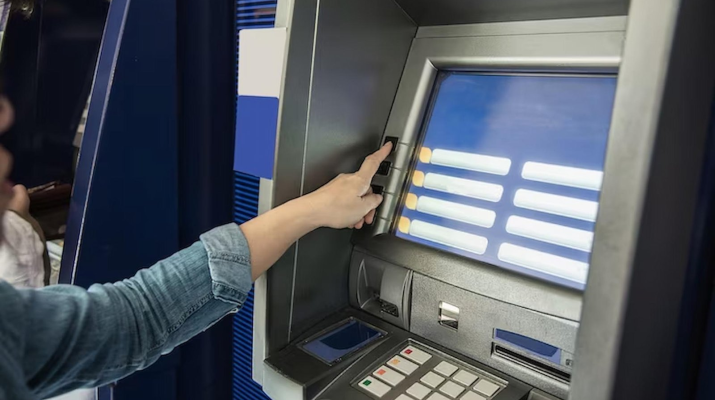
Investing in ATM machines has become an attractive venture for entrepreneurs seeking passive income opportunities. With the ongoing demand for cash transactions, the market for ATM investments is thriving, providing avenues for significant revenue generation. This post delves into the top options for buying ATM machines, ideal for those looking to establish a steady revenue stream. As you explore various ATM options for sale, understanding the landscape of ATM machine vendors will be essential for your success. Join us as we uncover the financial potential behind investing in ATMs and what you need to consider before making your investment.
Purchasing automated teller machines (ATMs) is increasingly recognized as a viable business opportunity that offers the potential for consistent earnings. These cash-dispensing machines are an essential financial service enjoyed by countless consumers, despite the rise of digital payment solutions. Investors interested in ATM ownership can benefit from various models and vendors available on the market today. In addition, the movement towards greater cash accessibility in targeted locales reinforces the relevance of such machines in the financial ecosystem. Let’s take a closer look at how you can effectively tap into this growing sector and the strategic advantages associated with ATM ownership.
Understanding the Benefits of Investing in ATM Machines
Investing in ATM machines offers several advantages for those seeking additional streams of income. One of the primary benefits is the potential for passive income generated from transaction fees. As customers continue to rely on cash, especially in highly populated areas and during special events, having an ATM onsite can lead to a steady flow of revenue with minimal ongoing effort. Moreover, the retail environment is increasingly favorable for such investments, as consumers often look for convenient ways to access cash, especially during peak shopping seasons.
Additionally, ATM investments are not just about immediate gains; they also present long-term financial strategies. By carefully selecting the right machines and locations, investors can maximize their return on investment (ROI). The technology surrounding ATMs is also evolving, providing better analytics and management tools, which can further enhance profitability. For instance, monitoring transaction volumes electronically helps in making informed decisions about cash replenishment and maintenance needs, optimizing both time and costs.
Exploring ATM Options for Sale
When looking to invest in ATM machines, there are numerous options for sale across various platforms. Potential investors can consider purchasing new models from top vendors, which offer warranties and modern technology integrated into their design. Vendors like Genmega and Nautilus Hyosung provide diverse models tailored to specific business locations, ensuring that ATM operations align with customer needs and maximize usage. Additionally, exploring second-hand options can significantly reduce initial investment costs without sacrificing quality.
It’s essential to research and compare different ATM options for sale. Focus on aspects such as transaction fees, maintenance support, and customization capabilities offered by different vendors. By analyzing these parameters, investors can identify machines that not only fit their capital budget but also promise a healthy return based on expected transaction volumes. Engaging with local suppliers or trusted online marketplaces can also unlock opportunities for potential discounts and special financing options to enhance affordability.
The Role of Location in ATM Machine Success
Location is a critical factor that can determine the success of your ATM investment. High foot-traffic areas such as shopping malls, concert venues, and busy downtown streets can significantly increase transaction volume, ultimately translating into higher revenue from your ATM. Moreover, choosing a location that caters to demographics that still prefer cash transactions can lead to sustained profitability—not all consumers are ready to depend entirely on digital payment options.
In addition to primary locations, assessing the specific needs of the local community can refine selection further. For instance, areas with a high density of restaurants or bars may require additional ATMs to serve patrons unfamiliar with nearby cash access points. Engaging with local businesses to understand customer behavior can provide insights that enhance the ATM’s accessibility, creating a win-win situation for consumers seeking convenience and investors looking to maximize returns.
Understanding Costs and Profitability in ATM Investments
Before diving into ATM investments, it’s paramount to understand the various costs associated with purchasing and maintaining an ATM machine. These can range from the upfront costs of buying an ATM machine, which could range from $2,000 to over $10,000 depending on the model, to ongoing expenses like maintenance, cash replenishment, and transaction processing fees. Proper budgeting for these costs will ensure that investors do not overextend their resources and maintain financial health.
Besides costs, potential profits can be enticing based on the ATM’s operational environment. According to industry standards, a well-placed ATM can generate between $300 to $1,000 monthly, depending on transaction frequency and location. High-traffic zones can potentially drive even more revenue, showcasing that strategic planning and market analysis are essential for evaluating profitability accurately. Engaging with analytics tools for real-time insights on transactions can help manage costs and enhance revenue opportunities effectively.
Frequently Asked Questions
What are the key benefits of investing in ATM machines?
Investing in ATM machines offers several key benefits, including a consistent revenue stream through transaction fees, the potential for substantial passive income, and diversification of your investment portfolio. As cash transactions remain prevalent, especially in high-demand areas, an ATM can generate between $300 to $1,000 monthly, making it an attractive investment option.
How do I choose the right ATM options for sale?
When selecting ATM options for sale, consider factors such as the type of machine (Standard, Interactive Teller, or Mobile ATMs), the reputation of the vendor (like Genmega or Nautilus Hyosung), and the location of placement which is crucial to profitability. Research the transaction volume in potential locations to ensure you make an informed decision.
What are the costs associated with buying ATM machines?
Costs associated with buying ATM machines include the initial purchase price of the machine, installation fees, ongoing maintenance expenses, cash replenishment costs, and transaction processing fees. It’s important to calculate these costs carefully to understand their impact on your ATM investment’s profitability.
Is investing in ATM machines a good source of passive income?
Yes, investing in ATM machines can be a lucrative source of passive income. By strategically placing ATMs in high-traffic areas, you can benefit from transaction fees without daily operations. Consistent cash flow combined with relatively low management effort makes it an appealing option for investors seeking additional income streams.
| Key Aspect | Details |
|---|---|
| Investment Opportunity | Source of passive income through transaction fees. |
| Types of ATMs | Standard ATMs, Interactive Teller Machines (ITMs), Mobile ATMs. |
| Top Vendors | Genmega, Nautilus Hyosung, Diebold Nixdorf. |
| Investment Considerations | Location, maintenance costs, and regulatory compliance. |
| Potential Returns | Average earnings of $300 to $1,000 per month based on traffic. |
| Market Growth | Continued reliance on ATMs despite a shift towards digital payment systems. |
Summary
Investing in ATM machines offers a unique avenue for generating passive income while holding on to a tangible asset. As consumers still seek cash amidst the digital payment revolution, the demand for ATMs shows no signs of waning. This investment opportunity comprises various types of ATMs—including standard units, Interactive Teller Machines, and mobile options—each catering to different needs and markets. Partnering with reliable vendors and understanding crucial factors such as location, maintenance costs, and regulatory compliance can significantly enhance the profitability of ATM investments. With average earnings potentially ranging from $300 to $1,000 monthly, a well-placed machine can provide attractive returns. As you embark on this investment journey, thorough market research and strategic planning will position you for success in the evolving landscape of cash transactions.
Investing in ATMs has become an intriguing option for those looking to diversify their income streams and achieve passive earnings. By purchasing ATM machines, individuals can generate revenue through transaction fees charged to users. This business model not only offers a steady cash flow but also allows for low maintenance once the machines are installed. Additionally, considering the ever-increasing reliance on cash transactions by consumers, the demand for ATMs remains robust, making it a potentially lucrative investment opportunity.
When seeking to buy ATM machines, investors should conduct thorough research to find reputable ATM vendors that offer competitive pricing and reliable products. It’s essential to evaluate the total cost of ownership, including installation, maintenance, and transaction processing fees, before making a purchase. Vendors typically provide various options, such as standalone ATMs or machines with advanced features like touchscreen interfaces, which can enhance user experience and attract more transactions.
There are numerous ATM options for sale that cater to different business needs and locations. Investors can choose from various models, including cash-dispenser ATMs, through-the-wall ATMs, and kiosk-style units, each designed for specific environments. Assessing the foot traffic and customer demographics of the installation site is crucial to select the right ATM model that will optimize usage and maximize returns.
Many investors are turning to ATMs as a source of passive income due to their relatively low involvement after setup. By strategically placing machines in well-trafficked areas such as shopping malls, convenience stores, or gas stations, owners can earn a continuous stream of revenue without the complexities of a traditional retail business. The key to success lies in monitoring transaction volumes and maintaining the machines to ensure they function smoothly, which can significantly impact profitability.
To effectively venture into the ATM business, collaborating with established ATM machine vendors can provide invaluable support. These vendors often offer comprehensive services, including installation, maintenance, and ongoing technical support, making it easier for new investors to navigate the intricacies of ATM ownership. By leveraging vendor expertise, investors can focus on scaling their operations and increasing their passive income streams from multiple machines in different locations.
Applying for a merchant account is a crucial step for businesses looking to accept credit card and debit card payments. The process typically begins with selecting a payment processor that meets your needs, whether that be for in-person, online, or mobile transactions. After selecting a provider, you’ll need to complete an application that usually includes information about your business, such as its legal structure, your financial history, the average sales volume, and the types of products or services you offer. It’s important to have all your business documentation ready—like your business license, tax identification number, and bank account information—to ensure a smooth application process.
Once your application is submitted, the payment processor will review all the provided information to assess the risk and compatibility of your business with their services. This may involve a credit check and verification of your business details. If approved, you will receive your merchant account, along with instructions on how to integrate it with your point-of-sale systems or e-commerce platforms. After that, it’s vital to regularly monitor your account and transaction fees to maintain a healthy relationship with your processor and ensure your business can efficiently handle customer payments. For more detailed guidance and options available, make sure to check resources from trusted payment processing websites.
