
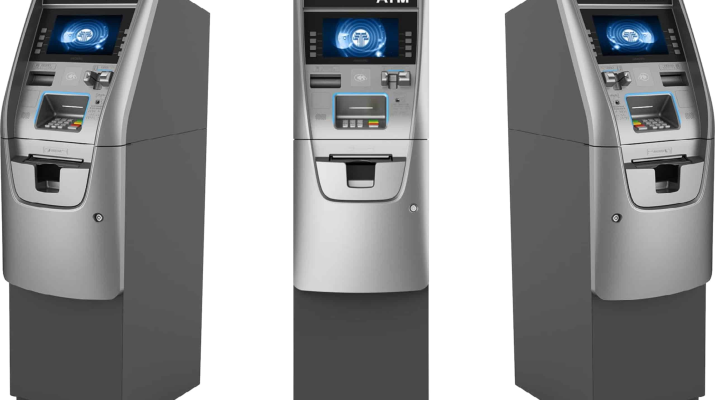
In today’s fast-paced world, the ATM machines business represents a lucrative opportunity for entrepreneurs seeking to tap into the cash transaction market. With a strategic approach that includes well-planned ATM placement agreements and adherence to industry regulations, this venture can yield significant returns. Understanding ATM cash management and operational efficiency is crucial for maximizing profits while minimizing downtime. In this comprehensive guide, we’ll delve into essential ATM business strategies, providing you with valuable ATM maintenance tips and insights on compliance that will help you thrive in this competitive space. Whether you’re a seasoned investor or a newcomer, equipping yourself with knowledge about the ATM industry can pave the way for your success.
The business surrounding automated teller machines, commonly referred to as ATMs, is becoming increasingly vital in our cash-dependent society. Leveraging effective strategies and negotiating favorable ATM placement deals allows businesses to flourish in high-traffic locations. Moreover, ensuring compliance with various ATM regulations and focusing on solid cash management practices can significantly impact profitability. This guide offers valuable insights on maintaining operational efficiency while exploring effective marketing tactics that attract users to your machines. By embracing technological advancements and staying informed about industry standards, you can position yourself to succeed in the dynamic ATM sector.
Understanding ATM Placement Agreements
Effective ATM placement agreements are crucial for the success of your ATM machines business. These agreements define the relationship between you, the ATM owner, and the property owners where the machines will be installed. To maximize profitability, negotiate terms that are beneficial for both parties. Common strategies include revenue-sharing agreements, where a certain percentage of transaction fees is shared with the property owner, or fixed monthly fees that provide guaranteed income for the location owner. Collaborating closely with property owners can not only ensure fair terms but also promote a collaborative environment that encourages the use of your ATMs.
It’s equally important to thoroughly vet potential placement sites before signing agreements. Conduct market research to assess foot traffic, customer demographics, and the competitive landscape. By doing this, you can identify locations with the highest transaction potential. Moreover, clearly outline the duration of the agreement, maintenance responsibilities, and terms of termination to prevent misunderstandings in the future, ensuring that the arrangement remains favorable over time.
ATM Maintenance Tips for Optimal Performance
Maintenance is a critical component of running a successful ATM machines business. Regular maintenance checks ensure that machines operate efficiently and are available for users when needed. Develop a maintenance schedule that encompasses both routine checks and emergency repairs, which may include cleaning the ATM, updating software, and checking cash availability. Implementing remote monitoring technology can significantly enhance your maintenance approach, allowing you to detect issues before they lead to downtime. This proactive maintenance strategy not only helps in maintaining customer satisfaction but also improves the overall reliability of your ATM services.
Additionally, training staff to handle basic troubleshooting can save you time and resources. Empowering your personnel with knowledge about common ATM issues and how to resolve them not only streamlines operations but also supports customer engagement. Ensuring your ATMs consistently perform at their best will minimize transaction failures and reduce the likelihood of losing business to competitors.
Effective ATM Cash Management Strategies
Cash management is a vital aspect of keeping your ATM machines business thriving. Implementing effective strategies for cash replenishment can lead to improved customer satisfaction and higher transaction volumes. One practical approach is to analyze transaction trends to forecast cash needs accurately. By understanding peak usage times, you can schedule cash deliveries accordingly to prevent outages that would disrupt service and potentially frustrate users.
Moreover, using technology to monitor cash levels in real-time can streamline your operations dramatically. Various software solutions offer insights into cash usage patterns, allowing you to adjust replenishment schedules dynamically. This proactive method of cash management not only saves costs associated with over- or under-stocking but also enhances user experience by ensuring that funds are always available.
Complying with ATM Regulations and Best Practices
Navigating compliance and regulatory requirements is essential when operating an ATM machines business. Different regions may impose specific laws governing ATM operations, including acquiring the proper licenses and abiding by financial regulations at both state and federal levels. Familiarizing yourself with these regulations can prevent legal issues that may arise from non-compliance, such as fines and operational restrictions. One fundamental requirement is to obtain a money transmitter license if your jurisdiction mandates it, along with ensuring that your ATMs adhere to the Americans with Disabilities Act (ADA) standards for accessibility.
To streamline compliance, consider consulting with legal experts or regulatory professionals who understand the landscape of ATM operations. Staying informed about changes in regulations is vital in this rapidly evolving industry. Additionally, developing a compliance policy and ensuring that all employees are trained on relevant laws will help create a culture of awareness around regulatory practices, ultimately contributing to the longevity and reputation of your ATM machines business.
Frequently Asked Questions
What are effective ATM placement agreements for an ATM Machines Business?
Effective ATM placement agreements should include clear revenue-sharing terms, specifying how profits from transactions will be divided between the ATM operator and the location owner. Additionally, these agreements must outline the duration of the placement, maintenance responsibilities, and any fees associated with space usage. Establishing transparent and mutually beneficial terms is crucial for a successful ATM machines business.
How can I ensure compliance with ATM regulations for my ATM Machines Business?
To ensure compliance with ATM regulations, familiarize yourself with federal and state laws relevant to ATM operations. This includes obtaining necessary licenses, such as a money transmitter license in certain jurisdictions. Additionally, ensure your ATMs are compliant with the Americans with Disabilities Act (ADA) to accommodate all customers. Regularly reviewing current regulations and seeking professional legal advice can help your ATM machines business avoid potential fines.
What are some essential ATM maintenance tips for my ATM Machines Business?
Key ATM maintenance tips include conducting regular inspections to check for any mechanical issues, utilizing remote monitoring tools to detect problems early, and ensuring frequent cash replenishments based on transaction volume analysis. Furthermore, promptly addressing user complaints and providing responsive customer support can maintain ATM functionality and enhance customer satisfaction within your ATM machines business.
How important is ATM cash management for the success of an ATM Machines Business?
ATM cash management is critical to the success of an ATM machines business as it directly impacts service availability and customer satisfaction. Effective cash management involves monitoring cash levels in real time, predicting cash needs based on transaction patterns, and ensuring timely cash replenishment to prevent outages. Implementing a solid cash management strategy can enhance operational efficiency and profitability in your ATM business.
| Key Points | Details |
|---|---|
| Market Research | Conduct thorough research on target demographics and high-traffic locations. |
| Selecting the Right ATM | Determine between standalone and integrated ATMs based on business needs. |
| Negotiating Placement Agreements | Establish clear revenue-sharing or fee arrangements with property owners. |
| Compliance with Regulations | Ensure adherence to federal and state laws as well as ADA guidelines. |
| Efficient Cash Management | Utilize cash-in-transit services and real-time monitoring software to manage cash levels. |
| Maintenance and Customer Support | Implement remote monitoring and provide excellent customer service. |
| Marketing and Awareness | Use local advertising and promotions to increase ATM visibility and user base. |
| Embracing Technology Trends | Adapt to new technologies like contactless transactions and cryptocurrency withdrawals. |
Summary
ATM machines business can be a lucrative opportunity for entrepreneurs, provided they are strategically managed. By focusing on market research, securing advantageous placement agreements, and adhering to regulations, operators can ensure the success of their endeavors. Furthermore, efficient cash management, ongoing maintenance, and effective marketing are key components. Embracing the latest technology trends will not only enhance service offerings but also position the business competitively in a rapidly evolving marketplace. With thorough planning and a proactive approach, your ATM machines business can yield significant returns and serve communities with enhanced payment convenience.
ATM placement agreements are a crucial element in establishing a successful ATM business. These agreements outline the terms under which an ATM will be installed and operated at a given location. Key considerations include the duration of the placement, the financial arrangements including transaction fees and revenue sharing with the host, as well as responsibilities for maintenance and cash replenishment. A well-negotiated placement agreement can significantly enhance the profitability of the ATM by ensuring strategic placements in high-traffic areas such as shopping malls, airports, and busy street corners.
Maintaining an ATM effectively is essential to ensure maximum uptime and user satisfaction. Regular maintenance tips include frequent cash replenishment to prevent outages, monitoring the machine for mechanical issues, and ensuring that all software updates are applied promptly to avert security vulnerabilities. It’s also beneficial to establish a schedule for routine inspections and to maintain a log of all maintenance activities. By keeping the ATM in optimal condition, operators can reduce the likelihood of unexpected outages that frustrate customers and can lead to lost transactions.
ATM cash management is a critical aspect of ATM operations, focusing on the optimal handling, storage, and distribution of cash. It involves forecasting cash needs based on historical transaction data, managing inventory to ensure sufficient cash levels, and minimizing cash handling costs. Operators should implement cash management strategies that allow for flexible cash stocking solutions, which can adjust to peak times and seasonal trends. Efficient cash management helps in reducing service fees paid to cash delivery companies and enhances the overall profitability of the ATM.
Successful ATM business strategies often involve a mix of market analysis, targeted advertising, and customer engagement. Operators should identify their target demographics and analyze transaction patterns to determine optimal locations for their ATMs. Marketing is also essential; promoting the added value to consumers such as lower fees compared to traditional banks can attract more customers. Furthermore, partnerships with local businesses can lead to increased foot traffic at ATM locations, enhancing transaction volumes and overall profitability.
Complying with ATM regulations is non-negotiable in the ATM industry, as these regulations ensure the safety and security of both the operators and users. Compliance includes adhering to federal laws such as the Bank Secrecy Act, ensuring the ATM meets safety standards, and protecting consumers’ personal information under regulations like the Gramm-Leach-Bliley Act. Regular audits and staying updated with evolving regulations are also vital practices for ATM operators. Compliance not only helps avoid legal penalties but also builds trust with customers, encouraging them to use the ATM confidently.
Applying for a merchant account is a crucial step for businesses looking to accept card payments and process transactions efficiently. The first step in this process is to research and choose a reputable payment processor that meets your business needs. Consider factors like transaction fees, monthly costs, and customer support when making your selection. Once you’ve chosen a provider, you will typically need to fill out an application form, which will require information about your business, including your legal business name, the type of goods or services you sell, and your business address. Additionally, you may be asked to provide financial information, such as your bank account details and a history of your sales transactions.
After submitting your application, the payment processor will review it to assess the risk and compliance with relevant regulations. This process can take anywhere from a few hours to several days, depending on the provider. It’s essential to have all necessary documentation ready for submission, including your identification, business licenses, and any other required verification documents. Once your application is approved, you will receive your merchant account details along with equipment or software for processing payments. For more detailed guidance on the application process or to find reputable payment processors, I recommend visiting websites such as NerdWallet or Shopify, which provide expert insights and comparisons to help you make an informed decision.
