In today’s evolving business landscape, exploring various business funding options is vital for entrepreneurs aiming to achieve their dreams. Gone are the days when securing capital meant solely turning to traditional bank loans; now, innovative alternatives like grant funding for businesses and crowdfunding for startups are reshaping the financing terrain. These diverse funding avenues open doors to new opportunities, allowing aspiring business owners to tap into resources that align with their unique goals. Whether it’s through venture capital opportunities that connect promising startups with passionate investors or micro-financing solutions that make funding accessible to marginalized groups, the choices are plentiful. This blog post delves into the multifaceted world of business funding options, empowering entrepreneurs with the knowledge to navigate these exciting avenues effectively.
In the quest for financial support, entrepreneurs encounter a wealth of financing avenues that can fuel their ambitions. Business funding options encompass a wide range of mechanisms, including grants, innovative alternative loans, and community-backed crowdfunding initiatives. Understanding these funding solutions, such as seed capital from angel investors and accessible micro-financing programs, is crucial for those seeking to optimize their financial strategies. By employing different capital-raising techniques, businesses can tailor their funding pursuits to meet their specific needs and growth ambitions. This comprehensive overview of funding methodologies illustrates how diverse financial resources can significantly impact a company’s success.
Exploring Business Funding Options
Business funding options have expanded beyond traditional avenues, creating a dynamic landscape for entrepreneurs. As of 2025, various funding sources are available, each tailored to meet different business needs and ownership types. Entrepreneurs can explore options such as grants, which do not require repayment and provide crucial support for startups, particularly those that are minority-owned. Government initiatives and private foundations are increasingly offering grant funding for businesses, aligning with the mission to empower diverse entrepreneurs and fuel innovation in the marketplace.
In addition to grants, the alternative financing sector has witnessed significant growth, presenting options such as peer-to-peer lending. These platforms, like Fundera and Lendio, provide rapid access to capital with less stringent requirements compared to traditional loans. This flexibility allows small and medium-sized enterprises to secure funding quickly, enabling them to pivot and adapt in a fast-paced business environment. By understanding the various business funding options available, entrepreneurs can make informed decisions that align with their goals and resources.
The Benefits of Grants for Businesses
Grants represent one of the most advantageous funding options for entrepreneurs due to their non-repayable nature. Since entrepreneurs are not required to pay back grants, they can allocate those funds towards essential startup costs, research and development, or marketing initiatives that drive growth. In recent years, government agencies like the Small Business Administration (SBA) have significantly enhanced access to grant funding for businesses, specifically targeting minority-owned enterprises. This commitment to diversity in funding fosters a more inclusive economic environment where innovative ideas can flourish.
Organizations offering grants often provide not just financial support but also mentoring and resources for entrepreneurs. This holistic approach encourages Grantees to leverage available networks, enhancing their chances for business success. By tapping into grants, startups can alleviate some financial pressure and focus on building solid foundations. Furthermore, competition for grant funding pushes entrepreneurs to present well-articulated business plans, thus sharpening their strategic thinking and operational insights.
Innovations in Crowdfunding for Startups
Crowdfunding has revolutionized how startups access capital, evolving into a multifaceted tool for entrepreneurs. In 2025, platforms like Kickstarter and Indiegogo empower individuals to raise funds by showcasing their ideas to the public. This method not only generates capital but also serves as a marketing strategy, allowing entrepreneurs to gauge interest and validate their concepts before launching a full-scale product. Crowdfunding campaigns can attract diverse investors, transforming backers into loyal customers, creating a community around the brand.
Equity crowdfunding, in particular, has gained traction among budding entrepreneurs as a viable funding alternative. Although more regulated than traditional crowdfunding, it provides opportunities for grassroots investors to support startups in exchange for equity shares. By combining community-driven funding with potential financial returns, many entrepreneurs are now exploring this model to bridge their funding gaps. This trend signals a shift towards democratizing investment opportunities, making it easier for startups to engage a larger, more diverse audience.
Venture Capital Opportunities in 2025
Venture capital continues to be a cornerstone for startups seeking larger funding rounds, particularly in emerging sectors such as technology and sustainability. In 2025, venture capitalists are increasingly inclined toward socially responsible investments, emphasizing businesses that align with sustainable practices. Entrepreneurs seeking venture capital must present compelling pitches that showcase not just their growth potential but also their commitment to social impact. This approach resonates with modern investors who are looking for long-term, ethical investments.
The competition for venture capital is fierce, emphasizing the need for startups to have a robust business model and a clear plan for scalability. Investors are looking for opportunities that promise high returns but also align with their values and the growing trend toward corporate responsibility. By understanding the current venture capital landscape and focusing on obtaining funding that aligns with investor goals, startups can tap into significant resources that can catalyze their growth trajectory.
Leveraging Micro-Financing Solutions
Micro-financing may seem like a small player in the world of business funding, but it holds substantial potential for emerging entrepreneurs, especially in developing areas. Micro-financing provides small loans to individuals who lack access to traditional banking systems, enabling them to startups businesses with relatively minimal capital. This funding option is crucial for economic growth, as it empowers individuals to seize opportunities that would otherwise be out of reach due to stringent banking requirements or collateral demands.
In 2025, the visibility and acceptance of micro-financing are growing, showcasing its role as an essential tool for economic empowerment. With its emphasis on facilitating entrepreneurship, micro-financing initiatives support a diverse array of industries, helping small businesses thrive despite financial constraints. Entrepreneurs interested in micro-finance solutions can tap into an avenue that not only finances their ventures but also nurtures local economies and fosters social change, making it a viable option for those looking to make a difference.
Understanding Alternative Financing Techniques
Alternative financing methods have significantly changed the business funding landscape, providing an array of options that cater to modern entrepreneur needs. Platforms facilitating peer-to-peer lending offer a refreshing deviation from traditional banking practices, where lengthy approval processes and high-interest rates can be daunting. Through these innovative financing solutions, small enterprises can receive funding quickly, responding rapidly to market needs without the burden of heavy debt.
Moreover, alternative financing includes diverse models such as revenue-based financing and invoice factoring, enabling businesses to access capital based on their future revenues or outstanding invoices. These methods allow companies to maintain cash flow without sacrificing equity or taking on unnecessary risk. In today’s diversified funding landscape, alternative financing options present a rational path for entrepreneurs striving for growth while managing financial obligations effectively.
Conclusion: Navigating the Evolving Funding Landscape
As we navigate the evolving business funding landscape in 2025, it’s clear that entrepreneurs have a multitude of options at their disposal. From grants to crowdfunding, and from micro-financing to venture capital, understanding the unique benefits and challenges of each funding avenue is vital. Entrepreneurs are encouraged to explore these different methods to secure the necessary capital for growth, leveraging the shifts in funding availability to their advantage.
Recognizing that diverse funding options are now critical components in the business ecosystem allows entrepreneurs to approach their ventures from a holistic perspective. Staying informed about emerging trends and taking advantage of resources like government programs, online investment platforms, and social finance alternatives enriches an entrepreneur’s toolkit. Such knowledge positions them strategically as they explore and leverage the comprehensive range of funding options available to thrive in a competitive market.
Frequently Asked Questions
What are the best grant funding opportunities available for businesses in 2025?
In 2025, numerous grant funding opportunities exist for businesses, especially those owned by minorities and women. Organizations like the Small Business Administration (SBA) offer targeted grants that do not require repayment, allowing new entrepreneurs to access capital without the burden of loans. To find the best opportunities, businesses should research specific grants tailored to their industry and demographic, ensuring they meet eligibility requirements and deadlines.
| Funding Option | Description | Key Benefits |
|---|---|---|
| Grants | Funds provided by government or private organizations that do not require repayment. | Non-repayable funds, targeted support for specific demographics. |
| Traditional Loans | Standard bank loans with strict requirements and lengthy approval processes. | Established credit sources, potentially favorable terms for borrowers. |
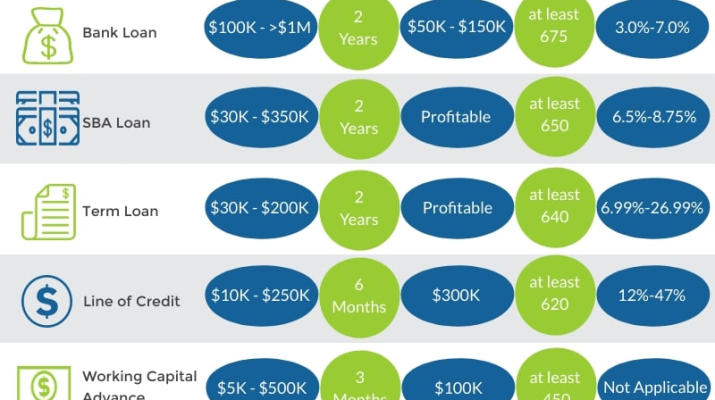
| Alternative Loans | Financing options from peer-to-peer lending platforms like Fundera and Lendio. | Faster approvals, more lenient eligibility criteria. |
| Crowdfunding | Collecting small amounts of money from a large number of people via online platforms. | Engages customers, validates business ideas, access to equity investment. |
| Venture Capital & Angel Investing | Investment from wealthy individuals or firms focusing on high-growth startups. | Significant amounts of funding, mentorship, network access. |
| Micro-Financing | Small loans provided to entrepreneurs in developing regions with limited access to banking. | Access to capital for underserved markets, boosts local economies. |
Summary
Business funding options have evolved considerably, offering a range of avenues for entrepreneurs seeking to establish or grow their enterprises. From grants that provide non-repayable funds to innovative crowdfunding platforms that allow direct engagement with prospective customers, the opportunities are now broader than ever. Traditional loans still play a role, but alternative lending methods have risen to meet the needs of modern businesses looking for quicker access to capital. The rise of venture capital and angel investing reflects a focus on high-growth potential while micro-financing remains an essential tool for supporting entrepreneurs in underserved areas. Overall, understanding and leveraging these diverse business funding options is critical for success in today’s dynamic marketplace.
Grant funding for businesses is an increasingly popular avenue for startup entrepreneurs and small business owners seeking financial assistance. Unlike loans, grants do not require repayment, making them an attractive option for those who meet the qualifications. Many government agencies, non-profits, and private organizations offer various grant programs aimed at specific industries or purposes, such as technology innovation, sustainable practices, or social enterprises. Navigating the application process and meeting eligibility criteria can be challenging, but the benefits can significantly boost a business’s growth trajectory.
Alternative financing has gained prominence as entrepreneurs explore options beyond traditional bank loans. This method encompasses a wide range of funding sources, including peer-to-peer lending, invoice financing, and revenue-based financing. Businesses often turn to alternative financing solutions when they face obstacles securing conventional financing due to lack of credit history or a short operational track record. By utilizing these innovative funding strategies, businesses can access needed capital while maintaining flexibility in repayment terms that align with their cash flow.
Crowdfunding for startups has transformed the way entrepreneurs raise funds, allowing them to connect with potential investors through platforms like Kickstarter and Indiegogo. This method enables startups to present their business ideas directly to the public, showcasing their products or services and driving interest from backers who can contribute varying amounts in exchange for rewards or equity. Not only does crowdfunding provide essential seed capital, but it also serves as a powerful marketing tool, helping validate a business concept while building a community of early supporters who can aid in future growth.
Venture capital (VC) opportunities offer significant funding potential for high-growth startups that are ready to scale. VC firms typically invest in exchange for equity, bringing not just financial support but also strategic guidance and industry connections that can help propel a business forward. While securing VC funding can be competitive and often involves thorough due diligence processes, the infusion of capital can be crucial for startups aiming to expand quickly, develop new products, or enhance their marketing strategies.
Micro-financing solutions serve as a vital resource for entrepreneurs, especially in underserved communities or regions where traditional banking services are less accessible. By providing smaller loan amounts with manageable repayment terms, micro-financing can empower individuals to start or grow their small businesses. Organizations like Grameen Bank have pioneered this model, demonstrating how even small sums can make a significant difference in fostering economic development and enabling entrepreneurial success among low-income populations.
Applying for a merchant account is a crucial step for businesses that want to accept card payments from customers. First, you need to research various payment processors to find one that suits your business needs, taking into account factors such as transaction fees, contract terms, and the types of payment methods they support. Once you’ve identified a suitable provider, you will typically start the application process by filling out an online form where you may be required to provide information about your business, including its structure, number of employees, average sales volume, and personal details such as your Social Security number for credit checks. It’s essential to have your business documentation ready, as this may include your business license, tax identification number, and bank statements.
After submitting your application, the processor will review your information to assess the risk factor associated with your business. This may involve a background check and reviewing your credit history, so having a good credit score can be beneficial. Depending on the payment processor, this review period can range from a few hours to several days. If approved, you’ll receive your merchant account details, allowing you to configure your payment processing system to start accepting transactions. Always read the terms and conditions carefully before signing the contract to ensure you understand all fees and obligations. For more detailed instructions and to apply for a merchant account, companies can visit sites like Square, PayPal, or other payment service providers to find a process that fits their needs.