
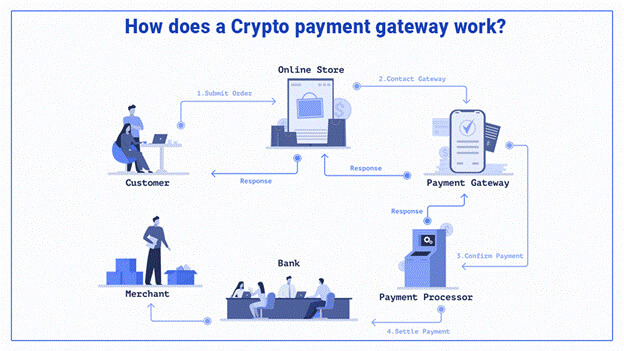
Cryptocurrency payment processing is revolutionizing the landscape of financial transactions, with major players like Fiserv, Stripe, and Block leading the way. These companies are innovating by integrating digital assets into their payment systems, allowing merchants to harness the benefits of cryptocurrencies and stablecoins. As consumers seek alternative payment methods, crypto payments offer a competitive edge by potentially reducing transaction fees and enhancing payment efficiency. By simplifying the process, payment processors can provide merchants with low-cost routing options that significantly benefit their bottom line. This trend signals a shift in how businesses handle finances, paving the way for broader acceptance of digital currencies across various industries.
The evolution of digital currency transactions is gaining momentum, and alternative payment solutions are being embraced throughout the financial sector. This transformation, commonly referred to as cryptocurrency payment processing, enables businesses to explore the advantages of blockchain technology and digital assets. Companies like Fiserv and Block are at the forefront, aiming to streamline payments through innovations like stablecoins, which cater to the need for more stable valuations in trading currencies. The movement towards crypto payments could potentially reshape the merchant experience by offering direct transactions, excluding traditional intermediaries like banks. As businesses navigate this rapidly changing environment, the exploration of digital currencies may unlock new revenue opportunities while addressing customer demands for modern transaction methods.
The Rise of Cryptocurrency Payment Processing
In the evolving landscape of finance, cryptocurrency payment processing is gaining traction as payment giants like Fiserv, Stripe, and Block integrate digital assets into their platforms. This shift towards crypto payments is becoming increasingly attractive to businesses, particularly in light of the potential cost savings involved. By leveraging cryptocurrencies, payments can be executed with lower transaction fees compared to traditional credit and debit card transactions, where fees can average around 2.2%. As companies explore the use of stablecoins—crypto assets pegged to fiat currencies like the dollar—merchants may have an opportunity to simplify transactions and reduce reliance on banks and credit card networks.
Merchants that adopt cryptocurrency payment processing could experience a transformative change, as it allows them to accept direct payments, thus excluding intermediaries that typically charge fees. This not only reduces operational costs but also empowers businesses to manage their payment processes more effectively. However, the adoption of cryptocurrencies is not seamless. Industry experts note that while there is momentum in integrating digital assets, the actual demand from consumers remains a question. How customers respond to these changes will ultimately dictate the future of cryptocurrency payment processing.
Exploring the Benefits of Stablecoins in Payments
Stablecoins have emerged as a potential powerhouse in the world of cryptocurrency payments, offering a bridge between traditional finance and digital currencies. As companies like Fiserv and Stripe explore stablecoins for payment processing, they unlock new revenue opportunities for merchants while providing stability in an otherwise volatile crypto market. The pegged nature of stablecoins minimizes the risk associated with price fluctuations, making them an appealing option for businesses looking to dip their toes into the digital asset space.
Additionally, the regulatory framework set in motion by initiatives such as the Genius Act has provided a more structured environment for stablecoin adoption. Payment processors, by incorporating stablecoin options, enhance customer convenience, allowing for subscriptions and transactions to be processed seamlessly with reduced fees. The enhanced security and efficiency offered by stablecoins not only attract digital-native consumers but also serve traditional businesses wanting to increase their payment options without the complexities associated with more volatile cryptocurrencies.
Cost Reduction through Innovative Payment Solutions
With the integration of digital assets such as cryptocurrencies into payment systems, companies are focusing on innovative solutions that could significantly reduce costs for merchants. Payment processors like Block are exploring ways to provide low-cost transaction options through their offerings, particularly by encouraging the use of Bitcoin and stablecoins. This shift could diminish the financial strain often felt by merchants who typically face high interchange fees from credit card networks and other intermediaries.
The choice for businesses to accept cryptocurrencies may lead to lower processing fees, as fewer players in the transaction chain equate to more funds retained by the merchants. As payment processors innovate around this concept, they are poised to offer more flexible and cost-effective solutions. However, the challenge lies in ensuring that these savings are not only realized short term but upheld in the long run. The commitment of companies like Fiserv and Stripe to provide infrastructure support will be essential in determining the sustainability of cost-efficient transactions.
The Role of Payment Processors in Cryptocurrency Integration
As financial technology continues to evolve, payment processors play a crucial role in integrating cryptocurrencies into existing payment infrastructures. Firms like Fiserv and Stripe are leading the charge, exploring various digital asset solutions that enhance their offerings while reducing costs for merchants. The transition toward accepting crypto payments may streamline the transaction process, making it easier for businesses of all sizes to participate in the digital economy.
Moreover, payment processors are faced with the dual challenge of creating user-friendly platforms while also ensuring regulatory compliance in an ever-changing environment. For instance, Fiserv’s collaboration with the Bank of North Dakota on stablecoin initiatives demonstrates a proactive approach to adapting to market needs. These partnerships can significantly influence the successful implementation of cryptocurrency solutions and shape consumer experiences, ultimately determining the effectiveness of crypto payments in everyday commerce.
Consumer Behavior and Cryptocurrency Acceptance
Despite the interest of payment giants in cryptocurrency, trends indicate a decline in consumer use of digital assets for payments. Reports from the Federal Reserve Bank of Kansas City suggest that the initial fervor surrounding cryptocurrencies may be waning, raising questions about their long-term viability as a payment method. While companies are ready to adopt these technologies and offer them to merchants, the real test lies in the willingness of consumers to embrace crypto payments in their daily transactions.
Experts like Bill Maurer emphasize that a gap exists between technological capability and consumer demand. While there are compelling use cases for cryptocurrencies, the lack of widespread consumer clamor hints at deeper skepticism regarding their utility compared to traditional payment methods. Understanding consumer sentiment and usage patterns is essential for payment processors as they navigate this new territory. The path to broader cryptocurrency acceptance may require education, trust-building, and an emphasis on addressing customer concerns around transaction security and reliability.
Future Trends in Digital Asset Payment Solutions
Looking ahead, the future of cryptocurrency payment processing appears promising, with trends pointing toward increased innovation and adoption in the payment landscape. As payment processors like Fiserv, Stripe, and Block experiment with stablecoins and other digital assets, businesses will begin to identify the unique value propositions these technologies offer. The continued exploration of crypto payments is likely to spark new competition among payment solutions, resulting in greater advancements and efficiencies for merchants.
Moreover, as regulatory frameworks evolve, payment processors may find more opportunities to integrate cryptocurrencies into their systems without facing operational challenges. Navigating this space will require adaptability and foresight, as payment processors seek to align their services with both consumer preferences and market demand. By continually reassessing their strategies and incorporating digital assets effectively, payment companies are positioned to redefine the future of payment processing.
Challenges of Cryptocurrency Adoption in Business
Despite the many benefits of cryptocurrency payment processing, businesses face several challenges in adopting these technologies. One significant hurdle is the inherent volatility of digital currencies like Bitcoin, which can deter merchants from accepting them outright. The unpredictability of crypto assets fuels uncertainty, leading many businesses to question their viability as long-term payment solutions. Additionally, the resistance from traditional financial institutions can complicate the integration of cryptocurrencies into established payment systems.
Moreover, technical issues associated with crypto transactions, such as delays or irreversible charges, can also pose risks for merchants. These complexities underline the necessity for payment processors to develop robust and reliable systems that assure businesses and customers alike of the safety and efficiency of cryptocurrency payments. Navigating these challenges will be key to increasing the adoption rate of digital currencies in everyday business transactions.
The Importance of Consumer Education in Cryptocurrency Payments
As businesses consider implementing cryptocurrency payment systems, consumer education will play a critical role in facilitating this transition. Many customers remain unsure about how cryptocurrencies work, and lack of understanding can hinder their willingness to engage with digital assets. Payment processors and businesses will need to invest in comprehensive educational efforts to inform consumers about the benefits of using cryptocurrencies, such as lower transaction fees and increased transaction security.
Creating a clear and accessible dialogue around cryptocurrency payments can demystify digital assets for consumers, fostering confidence and encouraging adoption. With the right resources and support, businesses can help bridge the gap between traditional payment methods and the emerging world of digital currencies. Ensuring that consumers feel educated and empowered to make informed decisions about cryptocurrency payments will be crucial for the success of these initiatives.
Innovative Strategies for Merchants Adopting Cryptocurrencies
Merchants looking to adopt cryptocurrency payments can benefit from innovative strategies tailored to leverage the advantages of digital assets. Emphasizing the cost efficiencies provided by accepting stablecoins or Bitcoin could entice businesses to transition away from traditional payment methods. Offering promotions or discounts for crypto transactions, as seen with Block’s initiatives, can further incentivize customers to choose digital assets over credit cards, thereby increasing sales and customer engagement.
Also, employing user-friendly interfaces and clear transaction processes will enhance the overall payment experience for customers. Merchants that prioritize ease of use coupled with effective marketing strategies will likely see a smoother integration of cryptocurrency payments. By carefully considering their approach, businesses can effectively capitalize on the growing interest in digital currencies while establishing themselves as forward-thinking participants in an evolving marketplace.
Frequently Asked Questions
What are the benefits of cryptocurrency payment processing for merchants?
Cryptocurrency payment processing offers several benefits for merchants, including lower transaction fees compared to traditional credit cards, quicker settlement times, and the ability to accept digital assets like Bitcoin and stablecoins directly from customers. This can help reduce dependency on banks and credit card networks, ultimately increasing profit margins for merchants.
How do stablecoins fit into the cryptocurrency payment processing landscape?
Stablecoins are cryptocurrencies pegged to traditional fiat currencies, designed to minimize price volatility. Payment processors like Fiserv and Stripe are exploring stablecoins for transactions, allowing businesses to leverage the stability of these digital assets for everyday purchases while potentially reducing transaction costs associated with crypto payments.
What is the role of payment processors like Fiserv, Stripe, and Block in cryptocurrency payment processing?
Payment processors such as Fiserv, Stripe, and Block are pivotal in facilitating cryptocurrency payment processing. They provide the infrastructure and technology necessary for merchants to accept digital assets securely and efficiently, as well as integrate payment solutions that support cryptocurrencies, including Bitcoin and stablecoins.
Are cryptocurrency payments becoming more popular among consumers?
While cryptocurrency payments have gained significant media attention, the popularity among consumers has seen a decline in recent years. Reports indicate that many consumers remain uncertain about using digital assets for payments, which raises questions about the long-term viability of cryptocurrency payment processing as a mainstream option.
What challenges do merchants face when adopting cryptocurrency payment processing?
Merchants face several challenges in adopting cryptocurrency payment processing, including price volatility of digital assets, regulatory concerns, and technological hurdles related to integrating crypto payments into existing systems. Additionally, consumer demand for crypto payments has not significantly increased, complicating the decision for businesses to adopt this method.
What are some examples of companies integrating digital assets into their payment processing?
Companies like Fiserv, Stripe, and Block are at the forefront of integrating digital assets into payment processing. For instance, Fiserv is collaborating with the Bank of North Dakota to launch stablecoins, while Stripe recently announced a platform allowing payments for subscriptions using stablecoins. Block is enabling Bitcoin payments for merchants through its service Square.
How might cryptocurrency payment processing impact transaction costs for merchants?
Cryptocurrency payment processing has the potential to lower transaction costs for merchants by reducing or eliminating intermediary fees associated with credit and debit card transactions. For example, fewer players in the payment process can lead to a more cost-efficient system, allowing merchants to retain more revenue and possibly offer lower prices to consumers.
What is the significance of the Genius Act for cryptocurrency payment processing?
The Genius Act, signed into law by President Trump, establishes a regulatory framework for stablecoins. This legislation is significant for cryptocurrency payment processing as it aims to provide clarity and security for businesses and consumers looking to transact with stablecoins, potentially encouraging broader adoption and integration into payment systems.
How can merchants mitigate the risks associated with cryptocurrency payment processing?
To mitigate risks related to cryptocurrency payment processing, merchants can utilize payment processors that provide robust security measures, offer volatility protection solutions, and maintain transparent policies regarding transaction reversibility and potential delays. Staying informed about regulatory changes and consumer trends can also help businesses make informed decisions.
What innovations are payment processors exploring in cryptocurrency payment processing?
Payment processors are exploring various innovations in cryptocurrency payment processing, such as integrating stablecoin options for transactions, developing user-friendly interfaces for seamless processing, and enhancing security protocols to protect against fraud. Additionally, offering promotional incentives for using crypto payments can encourage merchant adoption.
| Key Point | Details |
|---|---|
| Adoption by Payment Processors | Fiserv, Stripe, and Block are exploring cryptocurrencies to save on costs and enhance payment options. |
| Focus on Stablecoins | Both Fiserv and Stripe are investigating stablecoins that are pegged to fiat currencies to stabilize value. |
| Direct Payments to Merchants | Cryptocurrencies can allow direct transactions from customers to merchants, bypassing banks and reducing fees. |
| Merchants’ Transaction Fees | The average credit card interchange fee is around 2.2%, which could be lowered with crypto payments. |
| Challenges in Adoption | There is uncertainty regarding the demand for cryptocurrencies for payments, with declining consumer interest. |
| Future of Cryptocurrency in Payments | Fiserv is developing infrastructure around stablecoins, potentially enhancing their viability for transactions. |
Summary
Cryptocurrency payment processing presents a transformative shift in the financial transaction landscape. As payment giants like Fiserv, Stripe, and Block begin to adopt cryptocurrencies, particularly stablecoins, they envision a future with reduced transaction costs and improved transaction efficiency. Despite more payment options emerging from digital assets, uncertainties about consumer adoption and the overall effectiveness of cryptocurrencies remain prevalent. While intriguing possibilities lie ahead, including lower fees for merchants, it is still too early to determine the long-term sustainability and popularity of cryptocurrency payments.
Source: https://www.paymentsdive.com/news/fiserv-block-square-stripe-crypto-stablecoins/803305/
Digital assets have revolutionized the financial landscape, enabling individuals and businesses to leverage cryptocurrencies and tokens for various purposes. These assets, ranging from Bitcoin and Ethereum to numerous altcoins, represent a form of wealth that exists in a digital format, stored on blockchain technology. Their decentralized nature provides users with greater control over their financial transactions, facilitating a shift away from traditional banking systems.
Stablecoins have emerged as a significant player in the digital assets ecosystem, offering the stability of traditional fiat currencies while retaining the benefits of cryptocurrency. Pegged to stable assets like the US dollar, stablecoins mitigate the volatility typically associated with cryptocurrencies, making them an attractive option for daily transactions, remittances, and trading. This unique feature promotes their use in various financial applications, particularly in situations where price stability is paramount.
Payment processors are pivotal in the adoption of crypto payments, providing the infrastructure to facilitate seamless transactions between customers and merchants. Companies like Fiserv, Stripe, and Block (formerly Square) are at the forefront, enabling businesses to accept digital currencies alongside traditional payment methods. These payment processors simplify the conversion between cryptocurrencies and fiat, ensuring that users can transact with ease while benefiting from the growing acceptance of digital payments.
Crypto payments have gained traction as consumers and businesses seek more efficient, borderless transaction methods. With the increasing number of merchants accepting cryptocurrencies, facilitated by innovations in payment processing technology, users can now enjoy lower transaction fees and faster processing times compared to traditional banking systems. This shift not only enhances the user experience but also contributes to the broader acceptance and integration of digital currencies into everyday commerce.
Companies like Fiserv, Stripe, and Block are instrumental in shaping the future of digital commerce by integrating cryptocurrencies and stablecoins into their platforms. By supporting various digital assets, these payment processors are enabling a more diverse marketplace that caters to the needs of tech-savvy consumers. As these innovations continue to evolve, we can expect a more interconnected financial ecosystem where traditional and digital currency coexist harmoniously.
Applying for a merchant account is a crucial step for businesses looking to accept electronic payments, whether by credit card, debit card, or even newer payment methods such as cryptocurrency. To begin the application process, you typically need to gather essential documents such as your business registration details, tax identification number, and financial statements. Most providers will also ask for information about your business model, anticipated sales volume, and specifics on the types of payments you’ll be processing. It’s wise to research and compare different merchant service providers to find one that fits your business needs, taking into account transaction fees, service quality, and support options.
Once you have selected a provider, visit their website to initiate the application. The process often involves filling out a detailed application form online, where you’ll provide all the gathered information. After submitting your application, the provider will conduct a review, which may include a credit check and an assessment of your business credit history. This part of the process can take anywhere from a few hours to several days. Upon approval, you will receive instructions on how to set up your payment processing system. For more insights on trends in financial services and payment solutions, including how companies like Fiserv and Square are evolving in the landscape that includes crypto and stablecoins, check out this article: https://www.paymentsdive.com/news/fiserv-block-square-stripe-crypto-stablecoins/803305/.
