
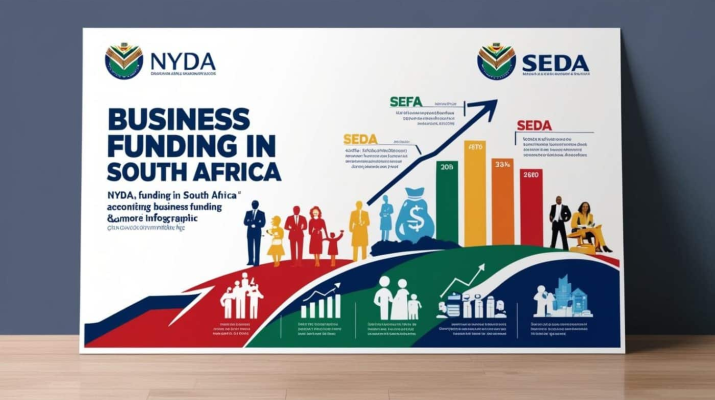
New Business Funding in South Africa has become an increasingly vibrant and dynamic aspect of the entrepreneurial landscape, offering a plethora of opportunities for startups. With the recent surge in venture capital investments, a commitment from the government to support small businesses, and the rise of alternative funding options, entrepreneurs are better equipped than ever to secure the financial backing they need. However, navigating this evolving landscape presents its own set of business funding challenges, particularly for those new to the field. Understanding the various funding avenues available—be it through government initiatives or private investors—is essential for anyone looking to embark on an entrepreneurial journey in South Africa. This detailed guide will illuminate the landscape of entrepreneurship in South Africa, providing invaluable insights to help startups thrive amidst these funding opportunities.
The quest for financial backing is a critical phase in launching a new enterprise, especially in the uniquely competitive market of South Africa. Entrepreneurs today have access to a range of financial resources, including venture capital firms, government-sponsored grants, and various alternative financing mechanisms designed to empower new businesses. These diverse funding options not only enhance the prospects for innovative projects but also address the inherent complexities associated with securing investment. Despite the promise of these new funding avenues, navigating the obstacles encountered along the way—such as high-interest rates and stringent application processes—continues to challenge many startups. By exploring these financial pathways and understanding the associated hurdles, aspiring business owners can better position themselves for success in the flourishing South African market.
Understanding New Business Funding in South Africa
New business funding in South Africa represents a significant opportunity for entrepreneurs looking to start or expand their ventures. With the landscape constantly evolving, it’s essential to stay informed about the different funding possibilities available. Entrepreneurs and investors alike are experiencing a renaissance of funding sources, including growing interest from venture capitalists and innovative government support initiatives. As businesses continue to rebound from the pandemic, understanding these dynamics will provide a competitive edge in securing necessary funds.
The availability of funding options has improved significantly, moving beyond traditional bank loans to include various alternative financing solutions. Venture capital in South Africa has seen a remarkable surge, particularly in technology startups where creative solutions to everyday problems are emerging. Alongside these venture capital trends, government programs aim to support SMEs through structured financial assistance, helping them navigate the uncertain economic climate. By exploring these resources, new businesses can better position themselves to leverage the available funding opportunities.
The Growing Role of Venture Capital in South Africa
In recent years, venture capital has played an increasingly crucial role in the South African business funding landscape. Investments have soared to over ZAR 4 billion, reflecting a growing confidence in local talent and innovative startups. With a particular focus on technology and sustainability, venture capitalists are targeting businesses that present not only financial viability but also potential social impact. This trend marks a significant shift toward a more dynamic and supportive investment ecosystem that is vital for fostering entrepreneurship in South Africa.
Furthermore, the rise of venture capital has encouraged many entrepreneurs to seek out investment as a pathway to scale their operations. Unlike traditional funding methods, venture capital provides not just capital but also access to invaluable mentorship and strategic guidance. This holistic approach empowers startups to refine their business models and navigate market challenges more effectively. As new businesses continue to emerge, the investment landscape is expected to expand further, creating more opportunities for entrepreneurs to succeed.
Government Initiatives and Support for Small Businesses
The South African government’s commitment to supporting new businesses is evident through various initiatives aimed at fostering entrepreneurship. One prominent initiative is the Business Growth Resilience (BGR) Fund, established to provide essential financial support to small and medium enterprises impacted by recent economic challenges. This fund allocates ZAR 400 million for grants and assistance, focusing on helping entrepreneurs sustain their businesses and adapt to changing market conditions.
Government support doesn’t stop at the BGR Fund; numerous additional programs are designed to encourage innovation and growth among startups. By facilitating access to resources such as training, mentorship, and funding, these initiatives create a more conducive environment for entrepreneurship. Such government backing is crucial in empowering local businesses, ensuring they remain competitive on both a national and global scale. As initiatives continue to evolve, entrepreneurs must stay informed about available resources to maximize their potential for success.
Exploring Alternative Funding Options for Entrepreneurs
Accessing finance through alternative funding options has become increasingly popular among South African entrepreneurs, particularly given the constraints of traditional banking systems. Platforms such as RainFin and Thundafund have emerged to democratize access to funding, allowing startups to connect directly with investors or crowdsource financial support. This shift enables entrepreneurs to raise capital based on their innovative ideas, bypassing the need for extensive financial histories that banks often require.
These alternative funding sources not only broaden the scope of financing options available but also foster a sense of flexibility and creativity within the business community. Entrepreneurs can tailor their funding strategies to align with their specific goals and audience needs, thus enhancing their chances of success. With a growing number of platforms dedicated to supporting startups, gaining access to necessary funds has become more feasible, paving the way for increased entrepreneurial activity across the nation.
Identifying Main Challenges in Securing Funding
Despite the optimistic funding landscape in South Africa, entrepreneurs still face significant challenges that can hinder their ability to secure financial backing. High-interest rates associated with conventional loans can deter many small business owners from pursuing necessary funding. Additionally, the complexity of loan applications can overwhelm first-time entrepreneurs, dissuading them from seeking the assistance they need to propel their businesses forward.
Addressing these funding challenges is essential for fostering entrepreneurship across the country. Whether it’s improving financial literacy among entrepreneurs or simplifying the application processes, proactive measures are needed to enable more businesses to access the necessary capital. By creating a supportive ecosystem that balances the risk of lending with the needs of emerging businesses, South Africa can unlock more opportunities for entrepreneurs to thrive.
Sector-Specific Funding Trends in South Africa
Investors are increasingly focused on funding sectors aligned with sustainability and social impact, reflecting global investment trends. Industries such as green technology, health tech, and agritech are receiving heightened attention as they address pressing challenges faced by society. This shift not only provides financial returns but also contributes to broader social and environmental benefits, positioning investors as key players in driving sustainable growth.
As these sectors attract more funding, entrepreneurs in South Africa have the opportunity to align their business models with global trends. By focusing on areas with substantial growth potential, such as renewable energy solutions or innovative healthcare technologies, startups can secure the necessary capital while also making a positive impact on society. With the right support and funding, South African entrepreneurs can play a critical role in advancing sustainability and improving quality of life for many.
Conclusion: Navigating the Funding Landscape
In conclusion, navigating the new business funding landscape in South Africa requires a proactive approach and a willingness to explore various funding options. With a marked increase in venture capital, robust government initiatives, and a plethora of alternative funding sources, there has never been a better time for entrepreneurs to seek financial support. However, understanding the associated challenges, such as high-interest rates and financial literacy, remains crucial for successfully securing funding.
As the business environment continues to evolve, staying informed and adaptable will be key to unlocking the myriad opportunities available. Entrepreneurs who take the time to educate themselves about funding resources and align their objectives with market trends stand to benefit the most in this dynamic ecosystem. Ultimately, the potential for success in securing the necessary funding lies in the hands of entrepreneurs who are willing to leverage these resources effectively.
The Future Landscape of Business Funding in South Africa
The future of business funding in South Africa looks promising as the ecosystem becomes increasingly diversified. As venture capitalists continue to pour investment into innovative startups, the entrepreneurial landscape is poised for growth. Additionally, government strategies aimed at bolstering SMEs demonstrate a commitment to fostering an environment conducive to startup success. Emerging entrepreneurs can thus expect to find greater levels of support and guidance in securing the funding they need.
Moreover, with the rise of alternative funding platforms, there is an increased democratization of finance that allows even the smallest startups to access necessary funds. As these trends continue, the interplay between venture capital and alternative funding solutions will likely shape the future funding landscape. Entrepreneurs will need to remain responsive and informed about these opportunities to maximize their chances of building successful businesses in South Africa.
Frequently Asked Questions
What are the main sources of new business funding in South Africa?
In South Africa, entrepreneurs can explore various sources of new business funding including venture capital, government funding initiatives, and alternative funding options. Venture capital is rapidly growing, particularly in the tech sector, with investments exceeding ZAR 4 billion. Additionally, government programs like the Business Growth Resilience (BGR) Fund provide crucial financial support for SMEs. For those seeking non-traditional means, platforms like RainFin and Thundafund offer peer-to-peer lending and crowdfunding solutions to help startups secure necessary funds.
| Key Point | Details |
|---|---|
| New Business Funding Landscape | The funding scene in South Africa has evolved significantly, presenting new opportunities for entrepreneurs. |
| Venture Capital Growth | Investments in venture capital surpassed ZAR 4 billion in 2022, particularly in the tech sector. |
| Government Initiatives | The Business Growth Resilience Fund (BGR) allocates ZAR 400 million to support SMEs post-COVID. |
| Alternative Funding Sources | Platforms like RainFin and Thundafund provide accessible funding options for startups. |
| Focus Areas for Funding | Investors are targeting green tech, health tech, and agritech for sustainable and impactful projects. |
| Challenges Facing Entrepreneurs | High-interest rates and low financial literacy pose barriers for many startups in securing funding. |
Summary
New Business Funding in South Africa presents a landscape rich with opportunities for entrepreneurs looking to thrive. Recent developments have shown a significant rise in venture capital investments, alongside proactive government initiatives designed to support small and medium enterprises. Despite facing challenges such as high interest rates and financial literacy gaps, the funding environment increasingly favors innovative and sustainable business solutions. Entrepreneurs equipped with the right information and access to alternative funding platforms can navigate this complex ecosystem more effectively. The future for new business funding in South Africa is promising, filled with potential for growth and success.
Venture capital has become an increasingly popular source of funding for startups and small businesses in South Africa. With a growing tech ecosystem and a surge in innovation, numerous venture capital firms are emerging to support local entrepreneurs. These firms typically look for high-growth potential businesses that can provide significant returns on investment. However, the venture capital landscape is competitive, and entrepreneurs must present a solid business model, a clear value proposition, and an efficient growth strategy to secure such funding.
In addition to venture capital, government funding plays a crucial role in supporting businesses in South Africa. Various programs and incentives are offered by governmental bodies aimed at stimulating economic growth and promoting entrepreneurship. For instance, initiatives like the Industrial Development Corporation (IDC) provide loans and grants to startups and SMEs, particularly in sectors deemed critical for the national economy. These funds can alleviate some financial burdens, but access may be limited by bureaucratic processes and stringent eligibility requirements.
Alternative funding options have also become vital for South African entrepreneurs, particularly those who may face obstacles in accessing traditional finance. Crowdfunding platforms have gained traction, allowing businesses to raise small amounts of money from a large number of individuals. Peer-to-peer lending has emerged as another alternative, connecting borrowers directly with investors. Additionally, angel investors and informal investment networks can provide critical capital and guidance for startups, diversifying the funding landscape beyond conventional banks and venture capital.
Despite the increasing availability of funding sources, South African entrepreneurs often encounter multiple business funding challenges. Many face a lack of sufficient collateral, a weak credit history, or inadequate financial literacy, making it difficult to obtain funding. Additionally, the economic environment, characterized by fluctuating currency and political instability, can deter investors. Entrepreneurs must navigate these challenges adeptly, innovating not only their business models but also their strategies for securing financing.
Entrepreneurship in South Africa is a vibrant yet challenging endeavor. The nation boasts a wealth of talent and creativity, particularly among the youth, who are eager to explore innovative solutions to pressing societal issues. Nonetheless, systemic barriers such as access to finance, bureaucratic red tape, and market entry challenges can hinder entrepreneurial growth. The government and private sectors are increasingly recognizing the importance of fostering an entrepreneurial culture, providing support through mentorship programs, incubators, and networking opportunities—essentially creating an ecosystem that encourages and sustains local businesses.
Applying for a merchant account can be a straightforward process if you follow the steps carefully. First, gather the necessary documentation, which typically includes your business license, employer identification number (EIN), and financial statements. Many providers will also ask for personal identification, such as a driver’s license or passport, to verify your identity. Next, research different payment processing companies to find one that suits your business needs and offers competitive rates. Consider factors like transaction fees, monthly fees, and customer support to help you make an informed choice.
Once you have selected a payment processor, visit their website and complete the application form they provide. This often involves inputting details about your business, including its structure, the types of products or services you offer, and your estimated monthly sales volume. Be prepared for a credit check, as most merchant account providers assess your risk level before granting approval. After submitting your application, it may take a few days to receive a response. If approved, you will typically receive further instructions on how to set up your account and integrate payment processing with your sales platforms.
