
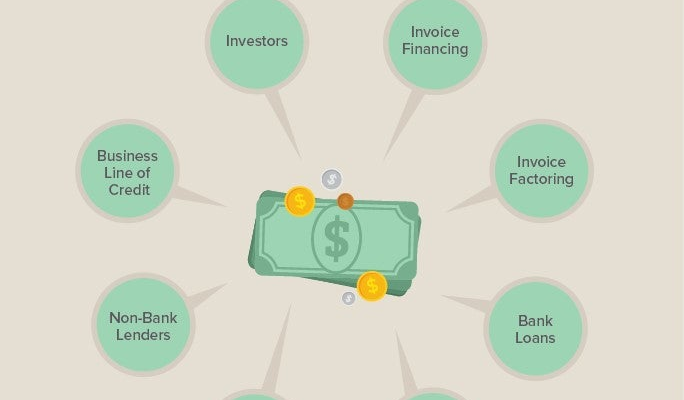
In today’s dynamic business environment, exploring the right new business funding options is crucial for entrepreneurs looking to bring their innovative ideas to life. With various avenues like startup funding, equity financing, bootstrapping, debt financing, and even government grants, startups have a plethora of choices to consider. The year 2023 has witnessed a significant evolution in these funding avenues, making them more accessible and diverse than ever before. Understanding each option’s merits and challenges can empower founders to make wise financial decisions that align with their business objectives. This guide delves into the current funding landscape to help startups navigate this complex terrain successfully.
As entrepreneurs embark on their journeys, they often seek effective financial solutions to support their fledgling ventures. New business funding alternatives encompass a range of strategies, such as obtaining capital through equity investments, leveraging debt instruments, or even relying on personal savings for bootstrapping efforts. Additionally, government-sponsored programs and grants have emerged as reliable resources for innovators. By familiarizing themselves with these funding methodologies, startup founders can elevate their chances of securing the necessary resources to flourish in a competitive marketplace.
Applying for a merchant account is an essential step for businesses looking to accept credit cards and electronic payments. To start the application process, first, research and choose a payment processor or acquiring bank that aligns with your business needs, considering factors such as fees, customer support, and the types of transactions you anticipate processing. Once you’ve selected a provider, visit their website to fill out the online application. You will typically need to supply information about your business, including its legal name, physical address, type of business structure, estimated monthly sales volume, and possibly financial documents such as tax returns or bank statements.
After submitting your application, the payment processor will review your information and may request additional documentation to verify your identity and business operations. Be prepared for a background check and ensure that your business complies with all legal and industry regulations. Once your application is approved, you will receive your merchant account details, allowing you to set up and integrate payment processing systems into your e-commerce platform or brick-and-mortar store. For a step-by-step guide and more resources on how to apply for a merchant account, consider visiting websites such as PayPal, Square, or Stripe, which provide comprehensive information tailored to your business type.
Exploring New Business Funding Options
When initiating a startup, understanding the various new business funding options available is paramount to success. Entrepreneurs have access to a wide range of funding sources, each due to specific advantages and potential challenges. For instance, equity financing can attract investors looking for ownership stakes in exchange for monetary support, allowing startups to secure funds without immediate repayment obligations. However, entrepreneurs must also weigh this approach carefully as it may require giving up a portion of their company’s control.
Debt financing is another viable route that can provide startups with necessary capital while maintaining ownership. Traditional avenues such as bank loans are common, but the growth of alternative lenders has opened doors to various financing models that cater to different business needs. Understanding terms, interest rates, and the obligations tied to both equity and debt options empowers entrepreneurs to make informed decisions tailored to their startup’s financial landscape.
The Rise of Bootstrapping and Revenue-Based Financing
In light of recent economic uncertainties, many entrepreneurs have adopted bootstrapping as a means of funding their startups. This method not only minimizes reliance on external financing but also enables founders to retain complete control over their business decisions. By funding their operations through personal savings or revenue generated from early sales, founders can navigate the critical early stages without dilution of ownership that often accompanies investment from equity financing and venture capital.
An emerging trend that resonates with entrepreneurs is revenue-based financing, which aligns closely with bootstrapping. This approach allows startups to repay investors based on a percentage of their revenue, providing an appealing alternative to traditional equity investments. By focusing on their financial performance, entrepreneurs can maintain more control while still accessing the necessary funds to fuel growth. This model benefits both parties, as investors only earn returns when the business is performing well, leading to a symbiotic relationship.
Leveraging Technology in Startup Funding
The evolution of technology has significantly transformed how startups seek and secure funding. Online investment platforms have emerged as powerful tools that create connections between entrepreneurs and potential investors, streamlining the funding process. These platforms enable founders to showcase their business ideas and receive immediate feedback, simplifying the often complex engagement with funding sources. As a result, startups can access a broader pool of investors who might previously have been out of reach.
Moreover, the integration of AI-driven analysis tools assists entrepreneurs in crafting robust business plans and financial projections. These digital tools enhance the credibility of pitches and increase funding success rates. By simulating various financial scenarios, startup founders can effectively demonstrate their business’s potential to investors, ultimately facilitating a smoother journey through the startup funding landscape.
Overcoming Challenges in Securing Startup Funding
While the landscape of startup funding is rich with opportunities, it is not without its challenges. Entrepreneurs often face economic conditions that affect funding availability, such as fluctuating interest rates and investor sentiment. This heightened scrutiny means that startups must be exceptionally prepared to present a compelling case to potential funders. A thorough understanding of their market, a solid business model, and realistic financial projections can make all the difference in this competitive arena.
Beyond just financial forecasting, entrepreneurs should be ready for the rigorous due diligence processes that investors engage in. Preparing detailed documentation that highlights growth potential and scalability is critical in mitigating investor concerns. By anticipating the questions investors may have and addressing them proactively, startups can navigate the funding challenge more effectively, reinforcing their credibility and increasing their chances of securing the necessary funding.
Government Grants: A Resource for New Businesses
Government grants are an often-underutilized avenue of funding for startups aiming to diversify their financial sources. These grants usually come with no-acquisition stakes, allowing entrepreneurs to grow their businesses without the burden of repayment. Various governmental bodies, including the U.S. Small Business Administration, offer targeted grants designed to foster innovation and support economic development. Learning to navigate these opportunities can provide startups with vital financial support, especially in the challenging initial phases of business growth.
Applying for government grants often involves a competitive process that demands thorough preparation and clarity of vision. Startups should emphasize innovative aspects of their business proposals, aligning them with governmental objectives for funding. Moreover, addressing specific industry needs and societal impacts can enhance their appeal, improving their chances of success in securing grant funding.
Understanding Equity Financing in Detail
Equity financing remains a cornerstone for startups looking to rapidly scale their operations and reach broader markets. By selling shares of ownership, startups can attract substantial investment that fuels growth initiatives. Angel investors and venture capitalists play pivotal roles in this sphere, often also providing strategic guidance and mentorship alongside their financial contributions. It’s crucial for entrepreneurs to understand the implications of giving away equity, as it can alter the power dynamics within their organization.
Choosing the right equity financing source is essential—they may come with different expectations and levels of involvement. For instance, angel investors may take a more hands-on approach than venture capitalists, depending on the nature of the investment and the relationship established. By carefully evaluating potential investors and ensuring alignment of goals and vision, startups can foster partnerships that augment both financial support and strategic growth.
Navigating Debt Financing Options for Startups
Debt financing provides startups with an attractive route to raise capital while maintaining ownership of their business. Traditional methods, such as securing loans from banks, may be the first option that comes to mind; however, it’s essential to understand the stringent qualifications and risks involved. Startups often face challenges in obtaining traditional bank loans due to lack of credit history or tangible assets. Therefore, alternative lenders have emerged as a crucial resource, providing varying terms and conditions that cater to distinct business profiles.
Startup founders must conduct thorough assessments of their financing needs and repayment capabilities before opting for debt financing. The flexibility offered by alternative lenders can empower startups facing barriers with traditional banking, but it is imperative to weigh interest rates and repayment schedules critically. By making informed decisions based on financial projections and market positioning, businesses can leverage debt financing as a powerful tool for growth and sustainability.
The Importance of Market Knowledge in Securing Funding
An in-depth understanding of the market landscape is vital when pursuing new business funding options. Entrepreneurs must analyze their target market, identifying key trends, customer needs, and competitive dynamics that shape their business strategies. By demonstrating a comprehensive grasp of market specifics to potential investors, founders enhance their credibility, showcasing their ability to pivot and adapt their business models in response to market fluctuations.
Additionally, continuous market research allows startups to uncover niche opportunities and tailor their products or services accordingly. This proactive approach not only positions them favorably in terms of securing funding but also drives growth in their operational strategies. Cultivating a robust market presence and sound investment rationale ultimately makes a compelling case for funding, reassuring investors of the business’s scalability and potential returns.
Long-Term Strategies for Funding Success
To attain lasting financial success, startups should embrace strategic foresight in their funding endeavors. This encompasses establishing clear business goals, timelines, and funding milestones that align with the overall vision. Having a structured approach not only facilitates smoother conversations with potential investors but also instills confidence in founding teams as they navigate the often tumultuous startup landscape.
Moreover, maintaining relationships with existing investors can open doors for future funding rounds and support long-term growth trajectories. By actively engaging in regular communication, showing appreciation for contributions, and delivering progress updates, startups create an environment of transparency and trust. These relationships can lead to additional funding opportunities or invaluable insights that assist in strategic planning for future ventures.
| Funding Type | Description | Sources | Trends |
|---|---|---|---|
| Equity Financing | Raising capital by selling shares of the company | Angel Investors, Venture Capitalists, Crowdfunding | Less reliance on traditional venture capital, Bootstrapping gaining popularity. |
| Debt Financing | Borrowing money that must be paid back with interest | Bank Loans, Alternative Lenders | Flexible terms from alternative lenders. |
| Government Grants | Funds provided by the government that do not require repayment | SBA and similar entities | Increased government support for startups. |
Summary
New business funding options are abundant and can significantly influence the success of any startup venture. In 2023, entrepreneurs have access to innovative funding avenues that extend beyond traditional financing methods. This comprehensive overview covers key funding types such as equity financing, which includes angel investors and venture capitalists, and debt financing, characterized by bank loans and alternative lenders; both critical in fueling a new business. Governments also play a vital role by offering grants and programs to further support startups.
As the funding landscape evolves, trends like bootstrapping and revenue-based financing emerge, allowing founders to maintain control over their businesses while aligning investor interests with company performance. The advent of technology and FinTech advancements streamlines the funding process, providing an easier path for entrepreneurs to secure necessary capital. In summary, understanding these new business funding options will empower startups to make informed decisions and potentially enhance their chances of success.
In the ever-evolving landscape of entrepreneurship, exploring new business funding options is essential for founders aiming to transform their ideas into successful ventures. As the startup ecosystem continues to grow in 2023, various funding avenues are now more accessible than ever, from traditional measures like debt financing to innovative solutions such as revenue-based financing. Entrepreneurs can leverage equity financing through angel investors and venture capitalists, as well as take advantage of government grants designed to support emerging businesses. The shift towards bootstrapping is also becoming a prominent trend, allowing founders to fund their projects independently while retaining ownership. Understanding the intricacies of these funding options not only boosts a startup’s potential for success but also helps minimize risks associated with financial challenges.
The journey of launching a startup often hinges on the availability of financial resources, making it crucial for entrepreneurs to be aware of various funding alternatives. Known in the business community as startup capital or entrepreneurship financing, these options provide a range of possibilities including traditional bank loans, innovative crowdfunding platforms, and invaluable government support mechanisms. Founders can explore different pathways such as equity investment and financial assistance programs to secure the necessary capital for their ventures. Additionally, the increasing popularity of self-funding through bootstrapping allows startups to grow without relinquishing equity. By educating themselves on these diverse funding sources, entrepreneurs can strategically position their businesses for sustainable growth in a competitive marketplace.
Frequently Asked Questions
What are the best new business funding options for startups in 2023?
In 2023, new business funding options for startups include equity financing, debt financing, and government grants. Equity financing involves raising capital by selling ownership shares, often through angel investors or venture capitalists. Debt financing typically involves securing loans from banks or alternative lenders. Additionally, government grants provide non-repayable funds aimed at fostering startup growth.
Startup funding is a critical aspect of launching a new business, providing the necessary capital for development, marketing, and operations. Entrepreneurs often explore various funding options to gather the financial resources required to bring their ideas to life. Understanding the different types of funding can help startups make informed decisions based on their growth plans, financial health, and business model.
Equity financing is one of thecommon routes for startups seeking capital. In this method, entrepreneurs exchange a stake in their company for investment, often turning to venture capitalists or angel investors. This approach not only provides money but can also bring valuable networks and expertise to help guide the business towards success. However, giving away equity means losing some control over the company as investors typically expect a say in significant decisions.
Bootstrapping, on the other hand, refers to self-funding a startup using personal savings or revenue generated by the business itself. This approach allows entrepreneurs to maintain full ownership and control without incurring debt or giving away equity. While bootstrapping can lead to slower growth due to limited resources, it often fosters more sustainable business practices and a deeper understanding of one’s financial landscape.
Debt financing involves borrowing funds that must be repaid over time, typically with interest. This funding option might come from traditional bank loans, credit lines, or alternative lenders. While it allows founders to retain ownership of their business, it also introduces the obligation of repayment, which can be a heavy burden if the startup does not generate sufficient revenue in its early stages.
Government grants are another source of funding that can provide financial support without the need for repayment. Many governments offer grants to encourage innovation, economic growth, and job creation, especially in sectors deemed essential for development. Though competitive and often requiring rigorous applications, these grants can significantly boost a startup’s chances of success by providing funding alongside credibility in the market.
Starting a new business can be an exhilarating venture, but the prospect of securing funding can often feel overwhelming. In today’s fast-paced market, it is crucial for entrepreneurs to be equipped with knowledge about various funding options available to them. With options ranging from equity financing to government grants, understanding the nuances of each can greatly influence the trajectory of a startup. The current funding landscape in 2023 is not only diverse but also accessible, allowing founders to explore creative avenues to finance their ideas.
Equity financing stands out as a prominent method for raising capital, particularly for startups that have compelling growth potential. By selling shares of the company to angel investors or venture capitalists, founders can secure significant funding while also gaining mentorship and strategic insights. Additionally, the democratization of funding through crowdfunding platforms enables even early-stage startups to reach a broader audience of potential investors. This shift not only showcases the appeal of the business idea but also fosters a community around the startup.
On the other hand, debt financing remains a traditional yet viable option. Startups can consider bank loans and alternative lending sources to secure the needed funds without giving away equity. However, the landscape for financing is evolving, and trends such as bootstrapping are becoming more popular among entrepreneurs who want to maintain full control over their ventures. This self-funding method encourages creativity and resourcefulness, allowing founders to build their businesses on their own terms. Furthermore, revenue-based financing is gaining traction and presenting an innovative approach to funding that aligns investor interests with the business’s growth.
Technology has played a pivotal role in transforming how startups access funding, making the process more streamlined and efficient. With the emergence of online investment platforms, entrepreneurs can now connect with investors more easily, presenting their business ideas to a wider audience. Moreover, automated analysis tools powered by AI can assist in crafting robust business plans, enabling startups to demonstrate their potential effectively. Yet, as the funding landscape evolves, entrepreneurs should remain aware of the challenges they may face, such as economic fluctuations and the rigorous due diligence processes imposed by investors.
In conclusion, the key to securing funding in 2023 lies in a comprehensive understanding of the available options and trends. By clearly identifying which funding sources align best with their business goals, entrepreneurs can strategically navigate their startup journeys. Embracing technological advancements, exploring innovative funding models, and being well-prepared to tackle challenges can position startups not only to secure funding but also to thrive in a competitive environment. Ultimately, every founder’s journey is unique, and finding the right capital solution is essential to turning dreams into reality.
