
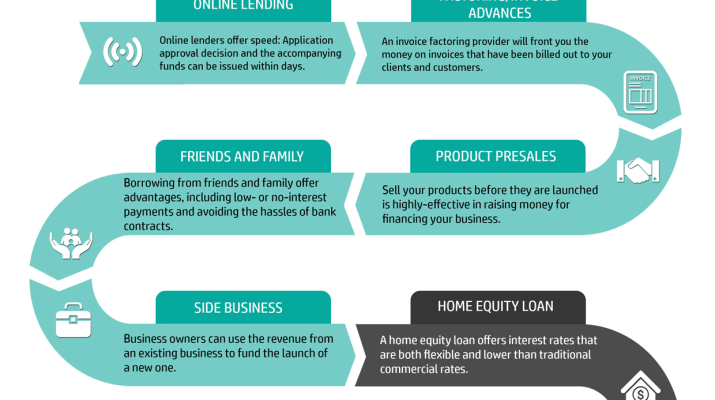
When it comes to launching a new business, understanding the various business funding options is essential for turning your entrepreneurial dreams into reality. Entrepreneurs often find themselves navigating a complex landscape of financial opportunities, ranging from traditional bank loans to innovative solutions like crowdfunding for business. In this digital age, options such as SBA loans and angel investors are more accessible than ever, providing diverse pathways to secure the capital needed for startups. Each business funding avenue presents its own unique advantages, helping aspiring business owners to leverage monetary support tailored to their specific needs. This guide serves to illuminate these options and empower you to make informed decisions as you embark on your entrepreneurial journey.
As you explore the spectrum of financial solutions for your startup, it’s important to consider a variety of funding mechanisms that can help propel your business forward. Alternative funding sources, such as microloans, venture capital, and peer-to-peer lending, have emerged to meet the diverse needs of new entrepreneurs. Today’s landscape is rich with opportunities that cater to innovative business models, providing necessary resources for growth and sustainability. Understanding the impact of financial technology and the significance of investor relationships can enhance your search for capital, enabling you to successfully manage your business funding pursuits. This exploration of funding options will not only guide you in securing necessary financial backing but also enhance your strategic decision-making as you establish your brand.
To apply for a merchant account, the first step is to identify a reliable payment processor that fits your business needs. Research various providers, comparing their fees, services, and customer reviews. Once you’ve chosen a payment processor, visit their website and begin the application process. You will likely need to provide personal and business information, including your name, business name, tax identification number, and bank account details. Some processors may also require documentation such as business licenses, financial statements, and a voided check from your business account. Make sure to have all necessary documents ready to streamline the application process.
After submitting your application, the payment processor will review your information and may reach out for additional documentation or clarification. Depending on the provider, this process can take anywhere from a few hours to several days. Once approved, you’ll receive a merchant account that allows you to accept various payment methods, including credit and debit cards. Don’t forget to read the terms and conditions thoroughly before signing any agreement, to understand the fees involved and the services offered. For further guidance and resources on applying for a merchant account, visit [MerchantAccountGuide.com](http://www.merchantaccountguide.com), where you can find valuable information to help you through the process.
Exploring Diverse Business Funding Options
Starting a business requires not just a great idea but also the right capital to bring that idea to life. Fortunately, there are a plethora of business funding options available today, which cater to various needs and stages of a business’s life cycle. From traditional options, like banks and credit unions, to more modern solutions like crowdfunding and angel investors, the landscape is rich with opportunities. Aspiring entrepreneurs must assess their specific funding requirements to determine which routes might best fit their vision and operational plans.
Understanding business funding options such as SBA loans—guaranteed by the Small Business Administration—can be a game-changer for startups. These loans often come with benefits like reduced paperwork and lower interest rates, making them a highly attractive option. Additionally, alternative lenders provide a flexible and quicker alternative for entrepreneurs who may struggle to meet the stringent requirements of traditional banking institutions. Equity funding options, such as angel investors and crowdfunding, can also provide the necessary capital while allowing business owners to retain greater control over their operations.
The Benefits of SBA Loans for Startups
Small Business Administration (SBA) loans serve as a vital funding mechanism for many new business owners. These loans are partially backed by the federal government, reducing the financial risk for lenders and making it easier for entrepreneurs to qualify. SBA loans typically come with competitive interest rates and favorable repayment terms, which allows startups to focus more on growing their business rather than managing overwhelming debt. Entrepreneurs can use these funds for various purposes—from purchasing equipment to working capital, thereby giving their business the best chance for success.
Beyond just financial support, securing an SBA loan can enhance a startup’s credibility in the eyes of potential customers and investors. When businesses present an SBA-backed loan as part of their funding strategy, they are often viewed as stable and trustworthy. For many entrepreneurs, this reliability can lead to increased sales and opportunities for expansion, paving the way for a sustainable business model that thrives in today’s competitive market.
Crowdfunding: A New Age of Business Financing
Crowdfunding has emerged as one of the most innovative solutions for entrepreneurs seeking funding for their businesses. Platforms like Kickstarter and Indiegogo allow businesses to present their ideas to the public, inviting people to invest small amounts of money in exchange for rewards or equity. This democratization of funding not only helps entrepreneurs secure capital without giving away too much control but also serves as a way for them to test market interest in their product or service before launch.
Additionally, the rise of equity crowdfunding means that businesses can raise funds from a larger investor base while still retaining operational control. Investors are often passionate about the projects they support, creating a community-driven financing approach where backers have a vested interest in the business’s success. This model not only provides much-needed funding but also builds a loyal customer base that can offer feedback and support long after the initial fundraising campaign has concluded.
Finding Your Angel Investor
Angel investors can be invaluable assets to startups looking for funding beyond traditional methods. These individuals not only provide cash infusions but often bring rich experience and networks that are critical for novice entrepreneurs. Engaging with angel investors early in the business’s journey can lead to mentorship opportunities, strategic guidance, and connections to other potential investors or customers.
To attract angel investors, entrepreneurs must present a well-researched business plan that highlights their market strategies and unique value propositions. Networking through pitch events and online platforms can significantly increase visibility, leading to meetings with potential backers. Ultimately, successful partnerships with angel investors can lay a solid foundation for future growth and capital investment.
Grant Opportunities for Innovative Startups
Grants are a form of funding that does not require repayment, making them highly desirable for startups aiming to innovate without the burden of debt. Government agencies, private organizations, and foundations offer grants for businesses that align with their funding missions, often targeting specific industries such as technology and healthcare. Entrepreneurs can take advantage of various grant programs by presenting compelling proposals that showcase how their business addresses a particular need or challenge in society.
Navigating the grant application process can be time-consuming and competitive, requiring entrepreneurs to meticulously detail their projects and how they will use the funds. Businesses that successfully obtain grants not only gain financial support but also enhance their credibility, which can attract further investment from traditional lenders or even angel investors. This makes grants an effective step in a comprehensive funding strategy for ambitious entrepreneurs.
Engaging in Business Pitch Competitions
Business pitch competitions have become a popular avenue for startups to gain funding and increase their visibility. These competitions invite entrepreneurs to present their business ideas in front of a panel of judges, often made up of seasoned investors and business leaders. Winning these events not only provides cash prizes but can also lead to essential connections and opportunities for mentorship, serving as a springboard for further investment.
Moreover, even participating in pitch competitions can yield benefits by allowing entrepreneurs to refine their pitching skills, gather valuable feedback, and build relationships with other entrepreneurs and potential investors. The exposure gained through these events often pays dividends in the long run, making participation a worthwhile endeavor for startups looking to make a mark.
How Fintech Innovations are Shaping Funding Landscapes
As financial technology continues to evolve, it is revolutionizing how business funding is accessed. Fintech solutions streamline the lending process—leveraging data analytics and machine learning to assess borrower risk rapidly. This innovation enables entrepreneurs to secure funding more efficiently, often receiving decisions within days or even hours, as opposed to the weeks required by traditional banks.
Furthermore, many fintech platforms focus on underserved markets and offer tailored service solutions that meet the unique needs of startups. By embracing these technological advancements, entrepreneurs can navigate the financing landscape more effectively, unlocking opportunities that were previously out of reach.
Trends Impacting Business Funding in 2024
The funding landscape for businesses is rapidly evolving, particularly with the increasing focus on sustainability and socially responsible investing. Many investors are now actively seeking to support companies that prioritize environmental and social goals, creating a unique opportunity for entrepreneurs whose business models align with these values. Startups that embrace sustainable practices can better position themselves to attract funding from impact investors keen on backing transformative and eco-friendly initiatives.
Another trend shaping the future of business funding is the growing acceptance of alternative financing methods, such as equity crowdfunding and peer-to-peer lending. As traditional banks tighten their lending standards, alternative avenues are becoming more favorable among business owners, particularly those launching startups. Understanding and adapting to these trends will be essential for entrepreneurs seeking to secure the funding necessary for growth in an increasingly competitive market.
Utilizing Online Resources for Funding Opportunities
In the digital age, entrepreneurs have access to a wealth of online resources dedicated to helping them connect with potential investors. Platforms like Funding Circle and Angel Capital Association offer databases of funding opportunities, including information on various angel investors and current grant programs. Entrepreneurs who familiarize themselves with these resources can streamline their search for financial support and find options that align best with their business goals.
Additionally, learning how to leverage social media and online networking can significantly enhance visibility in an increasingly crowded market. Engaging with communities focused on business funding, such as forums and social media groups, can lead to valuable insights, tips, and connections that may not be readily available through traditional channels. This proactive approach can help entrepreneurs maximize their chances of successfully securing the necessary funding to launch or grow their business.
| Funding Option | Description | Advantages | Considerations |
|---|---|---|---|
| Traditional Loans | Loans from banks and credit unions, historically the most common funding source. | Established credibility and potentially lower interest rates. | Strict lending criteria and detailed documentation required. |
| SBA Loans | Government-backed loans that reduce lender risk and have favorable terms. | Lower interest rates and longer repayment terms. | Approval can take time; requires thorough documentation. |
| Alternative Lenders | Online platforms offering fast funding, typically with flexible terms. | Quick access to funding with minimal documentation. | Interest rates can be higher, may require personal guarantees. |
| Crowdfunding | Collecting small investments from many people through platforms. | Engages community and potential early customers; retains control. | Requires marketing effort to attract backers; no guaranteed funds. |
| Angel Investors | High-net-worth individuals who invest in startups while providing mentorship. | Access to capital and valuable industry connections. | May require a share of ownership; not easy to find the right match. |
| Grants | Funds provided that do not require repayment, aimed at specific sectors. | Offers financial support without debt; fosters innovation. | Competitive application process; strict eligibility criteria. |
| Business Competitions | Competitions where entrants pitch their ideas for a chance at funding or exposure. | Cash prizes and networking opportunities; boosts credibility. | Success is not guaranteed; preparation of a strong pitch is essential. |
| Fintech Innovations | Utilizing technology to streamline funding applications and manage finances. | Faster decisions and unique funding options available. | Reliant on technology; may not be suitable for all business types. |
Summary
Business funding options are critical for aspiring entrepreneurs aiming to launch or grow their companies. Understanding these diverse funding avenues—from traditional loans and SBA alternatives to innovative solutions like crowdfunding and angel investments—can empower entrepreneurs to make informed financial decisions. By leveraging the right funding options, including grants and participation in business competitions, you can secure the necessary resources to pave the way for your business success. Additionally, staying abreast of trends in fintech and sustainability can enhance your funding strategy, giving your business a competitive edge. In short, navigating the complex landscape of business funding options with confidence will equip you to turn your entrepreneurial dreams into a thriving reality.
When it comes to launching a new venture, understanding various business funding options is essential for success. Securing adequate financial backing is often a daunting task that can make or break an entrepreneur’s dream. From traditional bank loans to innovative approaches such as crowdfunding for business, the landscape is rich with possibilities. New business funding options have evolved to include opportunities like SBA loans and investment from angel investors, catering to a broad spectrum of needs. This comprehensive guide aims to demystify these funding avenues, equipping you with the knowledge needed to effectively navigate the financial terrain of entrepreneurship.
As you navigate the exciting yet challenging waters of starting a business, it’s crucial to familiarize yourself with various financing avenues available to you. The term ‘business financing’ encompasses a range of solutions, from established methods like bank lending and SBA loans to more modern approaches such as equity crowdfunding and private investments. With the rise of alternative lending platforms and the support from angel investors, aspiring entrepreneurs have more resources than ever at their fingertips. Traditional funding sources remain important, but innovative solutions have emerged that emphasize flexibility and accessibility. Understanding these diverse financial pathways can significantly enhance your ability to secure the capital necessary for achieving your business goals.
Frequently Asked Questions
What are the best business funding options for startups?
When considering business funding options for startups, entrepreneurs can explore various avenues including SBA loans, crowdfunding for business, and angel investors. SBA loans provide guaranteed support from the government, making them a reliable choice. Crowdfunding allows for raising small amounts of money from a large number of people, while angel investors offer not just funding but also mentorship and connections. Evaluating these options can help new businesses secure the capital they need to thrive.
New business funding is a critical aspect of launching and growing a new venture. Entrepreneurs often require substantial capital to turn their innovative ideas into reality. This funding can come from various sources, including personal savings, loans, investors, or crowdfunding platforms. Securing the right funding is essential for startups to cover initial costs, such as product development, marketing, and operational expenses.
Funding for startups can take multiple forms, and each has its advantages and challenges. One common avenue is seeking venture capital, where investors provide substantial sums in exchange for equity stakes in the company. Alternatively, startups may consider loans, grants, or partnerships that align with their business vision. Understanding the landscape of startup funding is essential for entrepreneurs to strategically approach the right funding sources.
SBA loans, backed by the Small Business Administration, are a popular choice for new businesses due to their favorable terms and lower interest rates. These loans typically require a solid business plan and demonstrate the potential for profitability. SBA loans offer crucial financial assistance without the need for significant equity dilution, making them an attractive option for many entrepreneurs looking to retain control of their businesses.
Crowdfunding for business has surged in popularity due to the rise of digital platforms that facilitate fundraising from a large number of people. Entrepreneurs can present their business ideas on platforms like Kickstarter or Indiegogo, allowing the public to contribute small amounts towards their funding goals. This method not only provides capital but also helps in validating the business idea by gauging public interest before launching.
Angel investors play a vital role in the startup ecosystem by providing early-stage funding and mentorship. These individuals are typically successful entrepreneurs or professionals who invest their own money in promising startups. In exchange for their investment, angel investors often seek equity ownership in the company. Their involvement can also enhance the startup’s credibility and provide valuable connections in the industry, making them a sought-after source of funding.
Starting a new business can feel overwhelming, especially when it comes to securing the funds needed to bring your vision to life. Understanding the various funding options available is crucial for any entrepreneur. From traditional loans that require extensive documentation and a strong credit history to the less conventional avenues such as crowdfunding and angel investing, each funding path has its own set of advantages and challenges. In this guide, we will delve deep into these various funding routes, exploring how they work, who they are best suited for, and the potential benefits or pitfalls involved. By familiarizing yourself with these options, you can make informed decisions that align with your business objectives.
In the realm of business funding, traditional loans remain a reliable choice for many entrepreneurs. These loans, provided by banks and credit unions, often come with competitive interest rates but can be difficult to obtain due to stringent requirements. Lenders typically seek detailed business plans, proof of revenue, and evidence of creditworthiness. Entrepreneurs should prepare thoroughly for the application process, ensuring they present a comprehensive overview of their business strategies and financial forecasts. Despite the hurdles, traditional loans offer stability and funding amounts that can support larger-scale operations, making them a formidable option for those ready to meet the criteria.
Another viable option is through Small Business Administration (SBA) loans, designed specifically to aid small businesses in obtaining financing that they might struggle to secure elsewhere. The SBA provides guarantees to lenders, which mitigates their risk and often results in lower interest rates and longer repayment terms for the borrower. Recent trends indicate that SBA loans have become more accessible due to streamlined application processes. This has empowered many new entrepreneurs to leverage this funding source, making it an attractive option for business owners focused on sustainable growth without the burden of high initial costs.
The rise of alternative lending has revolutionized the way startups and small businesses can access funding. Online platforms such as Kiva and Fundera have gained popularity by offering fast, flexible loan options with significantly less stringent requirements compared to traditional banks. These alternative lenders often prioritize a business’s potential for growth, allowing entrepreneurs who may not have perfect credit histories to secure the funds they need. The ability to obtain funds quickly means that startups can seize market opportunities and start operations without lengthy waiting periods, an attractive feature for many entrepreneurs.
Equity financing, specifically through crowdfunding, has also gained traction as a popular funding alternative. Platforms like Kickstarter and Indiegogo allow entrepreneurs to present their ideas and gather small contributions from a broad audience. This not only raises capital but also builds a community of supporters before the product even hits the market. In recent years, regulatory changes have enabled equity crowdfunding, allowing businesses to offer shares to investors. This model benefits startups by providing them with significant capital while also inviting investors into their journey, creating a participatory funding environment that aligns interests.
Angel investors constitute another significant aspect of equity financing. These affluent individuals not only provide capital but also mentorship and industry expertise, making them invaluable allies for startup founders. Entrepreneurs eager to attract angel investors should consider networking events and dedicated online platforms designed to foster connections between startups and potential investors. Successfully securing angel investment not only provides much-needed financial support but also brings a wealth of experience and networks that can be pivotal in growing a business.
Grants and business competitions present unique opportunities for entrepreneurs looking to fund their ventures without the burden of repayment. Government agencies, foundations, and private organizations typically award grants to projects that align with their mission or objectives. However, the application processes can be highly competitive and require a clear demonstration of how the business will benefit the community or contribute to innovation. Similarly, participating in business pitch competitions can provide entrepreneurs with invaluable exposure and resources, while also promising monetary awards that can serve as a financial boost.
Finally, it is crucial for entrepreneurs to stay attuned to new developments in the funding landscape. Innovations within fintech are transforming how businesses manage finances and apply for loans. These technologies streamline processes, enabling faster funding decisions through data analysis. Additionally, the growing trend of impact investing emphasizes funding for businesses that prioritize social and environmental responsibility. Entrepreneurs can enhance their funding prospects by integrating sustainable practices into their business models, appealing to a new generation of socially conscious investors.
In this dynamic environment, leveraging online resources can greatly aid entrepreneurs in navigating the funding maze. Aggregators like Funding Circle and the Angel Capital Association compile information on various funding sources, providing entrepreneurs with the tools to connect with potential investors effectively. Familiarizing oneself with these tools and understanding the diverse funding avenues available can significantly increase an entrepreneur’s chances of success, ultimately leading to the realization of their dreams.
