
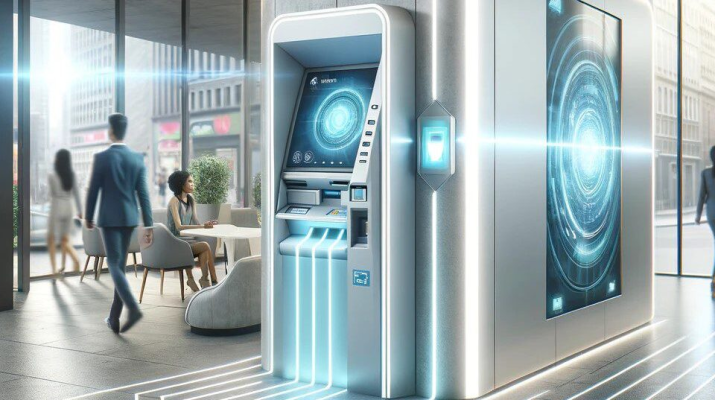
The future of ATM machines is poised for remarkable transformation as contactless transactions gain traction among consumers. As technology progresses, these automated banking solutions are evolving to meet the demands for convenience, speed, and safety. With an increasing preference for contactless payments, many users are gravitating towards ATMs that offer seamless cash access without the need for physical interaction. In this dynamic landscape, understanding ATM technology trends and consumer banking preferences becomes crucial for financial institutions. By embracing innovations in mobile payments and contactless ATM growth, banks can ensure their services meet the modern needs of customers.
As we look ahead, the landscape of automated teller machines (ATMs) is set to change significantly, reflecting broader shifts in consumer behavior and technological advancements. The rise of touch-free banking is influencing how users interact with financial institutions, leading to a surge in demand for contactless banking solutions. In this context, the shifts in consumer preferences towards mobile transactions and contact-free operations illustrate a vital shift in consumer banking habits. This discussion will explore the trajectory of ATMs in light of evolving payment methods and how technological advancements are reshaping the banking experience.
Applying for a merchant account is a crucial step for businesses looking to accept credit and debit card payments. The first step is to research different payment processors to find one that aligns with your business’s needs. When considering a payment processor, review factors such as transaction fees, contract terms, customer support, and the ease of integration with your existing systems. Once you have selected a provider, you will typically fill out an online application form that captures essential information about your business, such as its legal structure, average monthly sales volume, and the types of products or services offered. Be prepared to provide documentation such as your business license and banking information to verify your legitimacy and secure the account.
After submitting your application, the merchant account provider will review your information and may request additional documentation or clarification on certain details. This process helps mitigate risks for both the provider and your business. If approved, you will receive confirmation along with contracts outlining the terms of service and fees associated with your account. It’s important to thoroughly read these contracts to avoid any surprises later. Once everything is finalized, you will be given access to payment processing tools, including the ability to set up a payment gateway for online transactions. For more detailed guidance on applying for a merchant account, consider exploring resources offered on reputable financial websites or the website of your chosen payment processor.
The Role of Contactless Transactions in the Future of ATM Machines
As consumers increasingly favor contactless transactions, the future of ATM machines is being reshaped to accommodate this shift. The integration of tap-and-go capabilities not only meets customer preferences for convenience but also addresses hygiene concerns amplified by recent global health crises. Consumers are now expecting the same seamless experience they enjoy in retail environments right at the ATM, leading banks to enhance their service offerings significantly. Furthermore, data from consumer banks highlights that there is a notable shift in banking preferences, pushing traditional ATMs to evolve alongside these emerging trends.
The implementation of contactless transactions is expected to grow exponentially, a trend supported by multiple industry reports. As financial institutions align themselves with changing consumer banking preferences, we are seeing a rapid deployment of ATMs that include features for mobile payments and contactless technology. This shift is not only beneficial for banks aiming to attract younger, tech-savvy clientele but also necessary to maintain relevance in an increasingly competitive market. The future landscape will likely see ATMs transformed into multifunctional payment hubs, integrating further with mobile wallets and digital banking solutions.
| Key Points | Details |
|---|---|
| Evolution of ATM Machines | ATM technology is rapidly advancing, particularly with the rise of contactless transactions due to consumer demand for convenience and hygiene. |
| Consumer Preferences | Surveys indicate a shift to contactless payments, driven by a desire for convenience and health safety post-pandemic. |
| NFC Technology Integration | ATMs are implementing NFC technology, allowing cash access via mobile devices and contactless cards for improved user experience. |
| Market Growth Projections | The market for contactless payments is expected to reach $6 trillion by 2025, indicating a strong demand for modern ATMs. |
| Educational Needs | Increased consumer education is essential to overcome hesitations regarding security in adopting contactless technology. |
Summary
The future of ATM machines is undeniably linked to the ongoing rise of contactless transactions, which have reshaped the banking landscape significantly in recent years. As the demand for convenient, hygienic, and efficient cash access grows, ATMs are evolving to incorporate cutting edge technologies like NFC and advanced security systems. These innovations aim to cater to a tech-savvy consumer base that increasingly favors contactless payments in their daily transactions. Financial institutions that invest in modernizing their ATM networks will not only enhance user experience but also ensure that they remain competitive in a rapidly changing financial ecosystem. With a global market for contactless payments set to soar, ATMs equipped with such capabilities are likely not only to persist but thrive, underscoring their vital role in the future of banking.
The future of ATM machines promises to be transformative, as technological advancements pave the way for a new era of banking convenience. As contactless transactions rise in popularity, these machines are evolving to meet changing consumer banking preferences, making cash access faster and safer than ever before. With the incorporation of high-tech features such as Near Field Communication (NFC) and enhanced security measures, the landscape of ATM technology is undergoing significant trends destined to redefine user experience. As we explore these developments, it becomes clear that contactless ATM growth reflects a broader movement towards mobile payments, driven largely by the demand for seamless and hygienic financial interactions. In this article, we’ll uncover how the future of ATM machines is set to reshape the way we engage with our finances, highlighting the impact of these innovations.
As we look ahead, the landscape of automated banking solutions is on the verge of substantial transformation, primarily influenced by the surge in contactless payment methods. This evolution of cash dispensing systems signifies a broader shift in consumer behavior, where traditional transactions give way to modern conveniences. Innovations in ATM technology are not just pivotal for enhancements in user experience, but they also promise to align with the rising consumer appetites for mobile payment options. The ongoing growth of contactless functionalities within cash machines is a direct response to the ever-changing preferences of consumers, driving the industry toward a more streamlined and efficient future. In this discussion, we will delve into the various technological advancements shaping these automated banking services and their implications for users worldwide.
Frequently Asked Questions
What is the future of ATM machines concerning contactless transactions?
The future of ATM machines is set to be heavily influenced by the rise of contactless transactions. As consumer preferences shift towards more efficient and hygienic payment methods, ATMs are adapting to incorporate technologies like Near Field Communication (NFC), allowing users to withdraw cash easily through mobile devices or contactless cards. This trend is expected to persist, making contactless functionalities a permanent feature in ATMs.
How are ATM technology trends shaping the future of banking?
ATM technology trends are significantly shaping the future of banking through the integration of contactless capabilities and enhanced security features. These advancements cater to the increasing consumer demand for convenience and safety, as evidenced by the projected 350% growth in contactless ATM usage by 2025. The modernization of ATMs is critical for financial institutions to remain competitive and relevant in a rapidly evolving digital landscape.
What role do mobile payments play in the future of ATM machines?
Mobile payments are playing a pivotal role in the future of ATM machines by driving the need for contactless and seamless cash access. As more consumers prefer using mobile wallets for transactions, ATMs must evolve to support such methods. By incorporating mobile payment capabilities, ATMs can enhance user experience and align with the growing trend of cashless transactions, ensuring they meet the needs of today’s tech-savvy clientele.
What challenges must financial institutions overcome to support contactless ATM growth?
To support contactless ATM growth, financial institutions face several challenges, including the infrastructure costs of upgrading networks to enable contactless features and the need to educate consumers about the security and usability of new technologies. Overcoming these hurdles is essential for financial institutions to successfully integrate contactless transactions into their services, ensuring they can meet evolving consumer banking preferences.
Contactless transactions are gaining popularity as consumers increasingly demand safer, quicker, and more convenient payment options. With the surge in digital wallets and Near Field Communication (NFC) technology, customers can make purchases with just a tap of their card or smartphone. This method not only reduces physical contact, which is particularly important in a post-pandemic environment, but also speeds up checkout processes, benefiting both consumers and retailers alike.
ATM technology trends have evolved significantly over the years, focusing on enhancing user experience and security. Innovations like biometric authentication, including fingerprint and facial recognition, are becoming more common, reducing the risk of fraud and improving transaction security. Additionally, machine learning algorithms are being utilized to predict maintenance needs, ensuring that ATMs are operational and minimizing downtime for users.
Mobile payments have transformed the financial landscape, allowing users to execute transactions through apps on their smartphones. These systems typically support peer-to-peer transfers as well as in-store purchases, streamlining spending and budgeting for users. The convenience of transaction tracking and the ability to link directly with personal finance apps adds to the appeal of mobile payment solutions, further driving their adoption.
The growth of contactless ATMs has mirrored the trends seen in retail payments, as banks increasingly implement this technology to cater to consumer demand for speed and convenience. Contactless ATMs allow users to perform cash withdrawals or balance inquiries without needing to physically insert their cards. This shift not only enhances user satisfaction but also aligns with broader health and safety guidelines in financial services.
Consumer banking preferences are shifting towards digital-first solutions, with the majority of customers now preferring online and mobile banking for their everyday transactions. Personalization and user experience are key drivers, with banks investing in sophisticated apps that offer tailored features such as budgeting tools, financial advice, and seamless integration with other services. As competition intensifies, institutions that adapt to these changing preferences by embracing technology and enhancing customer experience will be better positioned to thrive in this evolving market.
As we look ahead in the financial services sector, the future of ATM machines appears to be not just promising, but significantly transformative. The pandemic has accelerated trends that were already on the rise, such as contactless transactions, which offer convenience and address health concerns associated with surface contact. Banks and financial institutions recognize the importance of adapting their services to meet changing consumer preferences, and this is where contactless ATM technology comes into play. These advancements promise to redefine customer experiences, making banking both easier and safer.
The demand for a seamless banking experience has led to substantial investments in contactless technology, evidenced by banks upgrading their ATM infrastructure to integrate features like Near Field Communication (NFC). This shift towards technology-enhanced banking enables transactions to occur quickly, with minimal physical interaction. As mobile payments become increasingly popular, it is essential for ATMs to evolve as the gateway to accessing cash, further solidifying their relevance in a cash-lite society. This trend demonstrates a significant evolution in consumer banking preferences, which prioritize both speed and hygiene.
Globally, consumer adoption of contactless payment methods continues to surge. Research indicates that consumers are not only adopting contactless ATM features but are also keener to explore even more sophisticated functionalities, such as cryptocurrency dispensing and app-based integrations. The interplay between consumer demand and technology development signals a robust market for the future, encouraging financial institutions to innovate continuously. As they pave the way for contactless capabilities, ATMs are becoming not just tools for cash withdrawal but comprehensive financial access points.
However, challenges remain that must be navigated to ensure the successful implementation of contactless features in ATMs. Financial institutions must invest in the necessary infrastructure, which can be quite costly, especially for smaller banks or in regions with limited budgets. Moreover, building trust is paramount; financial institutions must focus on consumer education to alleviate security concerns surrounding contactless transactions. By fostering a better understanding and demonstrating the safety of these modern banking solutions, they can encourage more widespread adoption, ensuring that contactless ATMs become a permanent feature in the retail banking landscape.
In conclusion, the future of ATM machines is inextricably linked to the rise of contactless transactions. With technology continuously evolving and consumer preferences shifting towards quick, secure, and convenient banking solutions, it is evident that the era of contactless ATMs is just beginning. As potential barriers are addressed through education and investment, these machines will not only meet but also anticipate consumer demands, ensuring their relevance in the evolving landscape of digital banking.
