
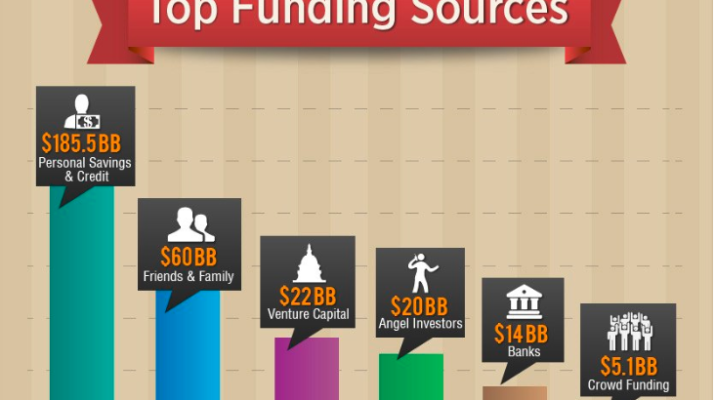
New Business Funding is a crucial aspect for anyone looking to launch a startup in the UK amidst a rapidly evolving economic landscape. With diverse business funding options available, entrepreneurs have access to a myriad of choices, ranging from government grants for startups to venture capital investments. These avenues not only facilitate the initial financial support needed but also help in building credibility and confidence among potential investors and customers. By understanding the intricacies of each funding source, including crowdfunding UK platforms, new businesses can strategically position themselves for success. This introductory guide aims to explore the various funding avenues, helping startups navigate the complexities of financial support in today’s competitive market.
Securing financial backing is essential for aspiring entrepreneurs venturing into the business world, especially within the startup ecosystem of the UK. Available financial resources encompass a variety of options, such as governmental support mechanisms, private venture capital, and innovative fundraising through crowdfunding campaigns. Entrepreneurs must familiarize themselves with these funding channels as they can dramatically influence the growth potential of their nascent enterprises. Each funding avenue not only provides monetary aid but often contributes invaluable guidance and networks necessary for sustainable success. This overview will delve into the multifaceted realm of startup financing, shedding light on how these resources can aid in turning innovative ideas into thriving businesses.
Applying for a merchant account is a crucial step for any business that wants to accept credit and debit card payments. First, a business owner needs to gather the necessary documentation, which typically includes a business license, tax identification number, and banking information. Once these documents are ready, they can start researching various payment processors and their fee structures to choose the best fit for their needs. Online applications can be filled out on the processors’ websites, requiring basic information about the business, the estimated monthly sales volume, and other relevant details. After submission, the processor will review the application, conduct any necessary background checks, and communicate any required additional information or approvals.
Once the application is approved, the merchant account setup process begins. This usually involves integrating the payment processor’s system with the business’s point-of-sale software or e-commerce platform, allowing for seamless transactions. It’s also essential for business owners to understand the fee structure, including transaction fees, monthly fees, and possible chargeback fees. Many payment processors offer dedicated support to help with the integration process and provide ongoing assistance to ensure that any technical issues are resolved efficiently. To learn more about merchant account applications and find a processor that fits your business needs, visit reliable resources like the National Merchant Services or PayPal’s Merchant Services.
Exploring Government Grants for Startups
Government grants represent a vital source of funding for startups in the UK, providing financial assistance without requiring repayment. Programs like the British Business Bank’s Start Up Loans initiative allow new entrepreneurs to secure affordable capital while receiving invaluable mentoring. This dual approach not only helps them navigate the initial hurdles of starting a business but also ensures they have the support they need to grow sustainably. Moreover, additional grants focused on innovation and sustainability serve as further incentives, especially for businesses venturing into technology or environmentally-friendly sectors.
These grants not only provide immediate financial relief but also signal to investors that a startup has been vetted and supported by established institutions. This backing can enhance a startup’s credibility, making it more attractive when seeking further investment from venture capitalists or angel investors. For example, startups aiming to innovate in renewable energy can leverage these grants to develop their products while complying with sustainability regulations, ultimately positioning themselves favorably in a competitive marketplace.
The Rise of Venture Capital in Startup Funding
Venture capital (VC) continues to dominate the funding landscape for startups across the UK, particularly in sectors like technology and healthcare. With an increasing number of high-net-worth individuals and firms looking to invest in promising startups, venture capital has become an attractive option for entrepreneurs seeking large sums of funding. More than just financial support, VC provides startups with strategic guidance, industry connections, and business expertise—elements crucial for scaling quickly and successfully.
In recent years, there has been a noticeable shift toward firms that prioritize sustainability and ethical practices, significantly impacting startup funding decisions. Startups that align with Environmental, Social, and Governance (ESG) criteria are more likely to attract attention and secure investment. As a result, the integration of sustainable business practices is not just a trend; it’s becoming a fundamental requirement in the eyes of modern investors, thereby shaping how entrepreneurs pitch their ideas and build their business models.
Harnessing Crowdfunding Platforms for Growth
Crowdfunding has revolutionized the way startups in the UK access capital, empowering entrepreneurs to reach out directly to the public for financial support. Platforms like Seedrs and Crowdcube have effectively democratized the investment process, allowing anyone to invest in innovative startups. This method not only provides the necessary funds but also fosters a community of early adopters who can become loyal customers and advocates for the brand. Startups have reported higher engagement levels with their backers, creating a sense of ownership among investors who are vested in the business’s success.
The rise of equity crowdfunding has been particularly beneficial for startups looking to maintain control over their business while still raising substantial amounts of capital. By offering shares in exchange for investments, entrepreneurs can fund their ventures without incurring debt. These crowdfunding opportunities serve a dual purpose—providing critical startup funds while also validating concepts in the market. This validation is essential, as potential backers often share feedback during funding rounds, further refining the business model before launch.
Diverse Debt Financing Options for Startups
As UK startups become more established, many are exploring various debt financing options beyond conventional bank loans. With traditional lending practices becoming more accessible, especially via programs backed by the British Business Bank, startups can secure loans tailored to their unique cash flow needs. These loans often come with flexible repayment structures that can ease the financial burden during initial phases of the business, allowing entrepreneurs to focus on growth and development rather than immediate profits.
Additionally, alternative financing methods such as invoice financing and peer-to-peer lending have gained traction among startups. These innovative funding solutions allow businesses to leverage their existing receivables or seek loans directly from individuals, often resulting in faster access to capital compared to traditional banking routes. Such adaptability in financing is crucial in today’s dynamic market landscape, where startup needs can shift rapidly due to unforeseen circumstances.
The Role of Incubators and Accelerators in Supporting Startups
Incubator and accelerator programs are pivotal in nurturing startups, offering a comprehensive package of resources that go beyond mere funding. Programs such as Techstars and Seedcamp not only provide financial capital but also essential mentorship, networking opportunities, and structured guidance. This holistic support system is instrumental in helping entrepreneurs sharpen their business models and achieve a quicker path to market viability. By fostering a community of like-minded entrepreneurs, these programs create an encouraging environment that enhances collaboration and innovation.
Moreover, these initiatives often culminate in a demo day, where startups present their ideas to a curated audience of investors. This exposure can significantly impact a startup’s ability to attract further funding from venture capitalists or angel investors. The training and mentorship received during these programs help demystify complex aspects of running a successful business, equipping entrepreneurs with the skills necessary to navigate the complexities of startup growth.
Emerging Trends in Startup Funding Post-Brexit
In the wake of Brexit, the startup funding landscape in the UK has seen transformative changes that are reshaping how entrepreneurs secure capital. There is a renewed focus on local investment, with many investors prioritizing opportunities in their regions, providing a significant boost to homegrown startups. This shift towards supporting local businesses aligns with the growing sentiment among consumers and investors alike, advocating for sustainable and ethical practices within the economy.
Furthermore, sectors such as AI, fintech, and healthtech are attracting substantial attention and funding. As these industries expand, startups focusing on these areas are finding it increasingly advantageous to incorporate sustainability and corporate social responsibility into their core strategies. Investors today are not just looking for profit potential but also for companies that actively contribute to positive societal change, making it imperative for startups to align their offerings with these broader trends.
Facing Funding Challenges in a Dynamic Market
Although the UK startup ecosystem brims with opportunities, several challenges persist that can complicate securing funding. Economic fluctuations resulting from inflation and global uncertainties have led to increased scrutiny from investors, which can slow down the funding process. Startups must remain agile and be prepared to adapt their business models in response to economic shifts, ensuring they can respond effectively to potential downturns while maintaining investor confidence.
Moreover, it is essential for startups to develop robust financial forecasts and pitch strategies that clearly articulate their value proposition amidst a landscape marked by competition and volatility. Entrepreneurs need to be proactive in addressing potential concerns that investors may have regarding market conditions, demonstrating their resilience and commitment to driving value even in challenging times. This strategic foresight not only attracts funding but positions startups for long-term stability and growth.
Conclusion: Navigating the Complexities of New Business Funding
In conclusion, the landscape for securing new business funding in the UK is rich with diverse options for aspiring entrepreneurs. Understanding the nuances of each funding type, from government grants and venture capital to crowdfunding and debt financing, is vital for success in today’s competitive environment. Entrepreneurs must remain adaptable, leveraging available resources while keeping abreast of emerging trends that could offer further opportunities.
Ultimately, navigating these complexities requires a strategic approach to funding, with an eye toward sustainability and ethical practices. By effectively utilizing the various funding pathways available and staying informed of market dynamics, startups can not only secure the necessary capital but also establish a strong foundation for growth—turning their visions into successful ventures that contribute positively to the UK’s vibrant economy.
| Funding Options | Description | Key Benefits |
|---|---|---|
| Government Grants and Schemes | Support from the British Business Bank, offering initiatives like Start Up Loans. | Affordable finance, mentoring support, promotes innovation and sustainability. |
| Venture Capital and Angel Investment | Funding from VC firms and high-net-worth individuals. | Access to capital and industry expertise, helps scale rapidly. |
| Crowdfunding Platforms | Platforms like Seedrs and Crowdcube enable public financial support. | Democratizes investment, validates ideas, builds customer base early. |
| Debt Financing Options | Loans from banks or alternative sources like invoice financing. | Quick access to cash, flexible repayment options. |
| Incubators and Accelerators | Programs offering mentorship, funding, and networking opportunities. | Refinement of business models, valuable resources for startups. |
Summary
New Business Funding options have surged in the UK, providing a thriving environment for startups ready to take on challenges and innovate. Entrepreneurs can access a variety of funding avenues such as government grants, venture capital, crowdfunding, debt financing, and incubator programs. Each of these options offers unique advantages, fostering growth and sustainability, while also ensuring that businesses can adapt to market demands. By understanding the diverse funding landscape, new businesses can secure the necessary capital to propel their growth, navigate economic uncertainties, and significantly enhance their chances of success in today’s competitive marketplace.
New Business Funding is the lifeblood for startups in the UK, empowering aspiring entrepreneurs to turn their innovative ideas into reality. With a variety of business funding options now available, including government grants for startups and venture capital, navigating the financial landscape can be both exciting and overwhelming. Understanding these avenues is essential, as they can significantly influence a startup’s growth trajectory. Furthermore, the rise of crowdfunding UK has transformed how businesses raise capital, allowing them to engage directly with potential investors. This comprehensive guide aims to shed light on these critical funding avenues, helping entrepreneurs make informed decisions as they embark on their journey.
Securing financial resources for a new venture is crucial for success in today’s dynamic economy. Initial capital investments can come from several sources, including angel investors, local government subsidies, and innovative fundraising through community-driven platforms. As the startup ecosystem in the UK evolves, it presents a wealth of opportunities for entrepreneurs to explore diverse financing channels. From traditional venture capital to modern crowdfunding solutions, understanding these funding avenues can pave the way for sustainable business growth. This discussion will delve into the various accessible funding routes, enabling new businesses to thrive against the odds.
Frequently Asked Questions
What are the best business funding options for startups in the UK?
Startups in the UK have various business funding options, including government grants, venture capital, crowdfunding platforms, and debt financing. Government grants, such as those from the British Business Bank, provide non-repayable funds aimed at encouraging innovation and economic growth. Venture capital offers higher amounts of funding in exchange for equity, particularly for tech and health sectors. Crowdfunding platforms like Seedrs and Crowdcube allow businesses to raise funds by attracting small investments from many individuals. Lastly, debt financing through bank loans or alternative methods can offer quick access to capital.
Starting a business in the UK involves navigating various funding options to bring your vision to life. Entrepreneurs have access to a spectrum of business funding options, each tailored to different stages of development and types of business models. Traditional loans from banks remain a popular choice, but emerging options like peer-to-peer lending, angel investments, and venture capital are gaining traction. The landscape is further enriched by government initiatives designed to foster innovation and entrepreneurship, making it crucial for startups to explore one or multiple avenues suited to their financial needs.
The UK is home to a vibrant startup ecosystem, thanks to its favorable business environment, supportive networks, and a robust community of entrepreneurs. Startups in the UK can benefit from a wealth of resources, mentorship programs, and events that cater specifically to new business owners. The landscape is diverse across various sectors, including technology, fintech, and sustainable enterprises, offering a strategic advantage to those who can identify gaps in the market. Understanding the unique challenges and opportunities present is essential for startups aiming for long-term success in this dynamic environment.
For many startups, government grants represent a critical source of funding that does not require repayment. These grants are specifically aimed at fostering innovation, technology development, and employment creation across the country. In the UK, various government bodies provide funding support, including Innovate UK and local enterprise partnerships. Entrepreneurs should consider applying for these grants, as they can significantly reduce financial burdens and empower businesses to invest in crucial areas like R&D or staff training. Additionally, knowing the eligibility criteria and application processes is essential for maximizing these opportunities.
Venture capital has emerged as a powerful funding source for startups with high growth potential in the UK. Venture capital firms invest in exchange for equity in the business, generally targeting startups that can scale rapidly. This form of funding not only brings capital but also offers valuable mentorship and networking opportunities through the expertise of the investors. Entrepreneurs should prepare compelling business plans and clearly outline their growth strategies when approaching venture capitalists, as they seek high-impact investments that promise substantial returns over time.
Crowdfunding platforms have revolutionized the way startups can access capital in the UK, allowing entrepreneurs to pitch their ideas directly to the public. Through platforms like Kickstarter and Seedrs, businesses can attract funding while simultaneously building a community of loyal supporters. Crowdfunding not only provides financial resources but also serves as a marketing tool to gauge public interest in a product or service before launch. To succeed, startups need to create engaging campaigns, articulate their value proposition effectively, and leverage social media to expand their reach and connect with potential backers.
Starting a new business can often feel overwhelming, especially when it comes to funding. In the UK, however, the landscape for securing startup financing has seen a significant transformation by 2025. There is a wealth of opportunities available to entrepreneurs, ranging from government grants to innovative crowdfunding platforms. Understanding each funding option’s advantages and challenges is essential for navigating this dynamic environment effectively, ensuring that startups can secure the capital they need to thrive in an ever-competitive marketplace.
UK startups play an increasingly crucial role in driving economic innovation and progress. With government initiatives like the British Business Bank providing vital support, new entrepreneurs can access various funding options tailored to their needs. Programs such as Start Up Loans offer both financial assistance and essential mentorship, helping fledgling business owners navigate their initial challenging phases. Additionally, grants focused on innovation and sustainability encourage businesses to invest in long-term environmental solutions, promoting growth while also supporting a greener future.
For many UK startups, venture capital (VC) and angel investment have become indispensable sources of funding, particularly in sectors like technology and healthcare. These funding avenues not only provide startups with the necessary capital to expand but also connect entrepreneurs with experienced investors who can offer valuable insights and industry connections. The rise of angel investments, particularly among high-net-worth individuals, has fostered a thriving investment community that supports innovative ideas and sustainable business practices, aligning with the growing emphasis on ESG criteria.
Crowdfunding platforms have revolutionized how startups raise capital, enabling them to engage directly with the public for financial backing. Platforms like Seedrs and Crowdcube allow entrepreneurs to present their business ideas to a wide audience, making it easier for them to gather the funds needed to bring their projects to life. Equity crowdfunding models allow early supporters not only to invest financially but also to become advocates for the brand, fostering a sense of community around the startup before its official launch.
Debt financing options continue to evolve, providing startups with more avenues to secure funding without relinquishing equity. Traditional banks, encouraged by initiatives from the British Business Bank, are increasingly willing to lend to new ventures. Moreover, alternative financing methods such as invoice financing and peer-to-peer lending present flexible and accessible options for startups to manage their cash flow effectively. This diversified approach to debt financing can be crucial for startups seeking timely capital infusion without the constraints of lengthy approval processes.
Incubators and accelerators represent another essential element in the UK startup landscape, providing entrepreneurial support beyond mere funding. Organizations like Techstars and Seedcamp not only offer capital but also mentorship, pitch preparation, and networking opportunities that help refine business models. By participating in these programs, startups can significantly enhance their chances of success, gaining invaluable insights and skills that could prevent common pitfalls associated with new business ventures.
Emerging trends in the UK startup ecosystem indicate a clear shift toward sectors like AI, healthtech, and fintech, which are attracting considerable investment interest. Additionally, as the market adjusts post-Brexit, there is a notable movement towards local investments, highlighting a renewed focus on nurturing homegrown businesses. Aligning business strategies with sustainability goals has also become imperative, as investors increasingly prioritize businesses that reflect responsible practices, providing startups with a dual advantage of capital and positive market perception.
Despite the expanding funding landscape, numerous challenges persist for UK startups, including rising inflation-related costs and market volatility exacerbated by global events. Startups must remain agile and responsive to economic fluctuations while pursuing funding opportunities. Developing a resilient business strategy that can adapt to changing market conditions will be critical for entrepreneurs seeking stability and growth in their new ventures.
In conclusion, the UK startup ecosystem offers a plethora of funding options that cater to the diverse needs of entrepreneurs. With a blend of government support, venture capital, crowdfunding, and alternative financing methods, new businesses have access to a range of resources essential for success. By embracing these opportunities and remaining vigilant about market trends and challenges, startups can transform their innovative ideas into reality, contributing significantly to the UK’s dynamic and vibrant economy.
