
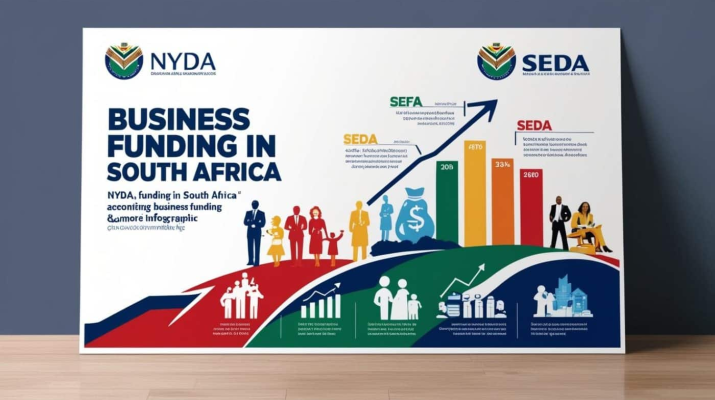
New Business Funding in South Africa offers an exciting array of opportunities for aspiring entrepreneurs looking to establish and grow their ventures. The landscape is vibrant, characterized by increasing government funding for startups, a surge in venture capital funding, and innovative crowdfunding platforms that are redefining the way businesses secure financial resources. As the country emerges from economic challenges, now is the optimal time for entrepreneurs to explore various financial opportunities available to them. With agencies like the Small Enterprise Finance Agency playing a crucial role in facilitating access to capital, the potential for success has never been greater. Join us as we delve deeper into the myriad funding options that can help unlock your entrepreneurial dreams in South Africa.
Exploring funding options for new ventures in South Africa unveils a treasure trove of financial avenues for entrepreneurs looking to make their mark. Alternative financing solutions, including public sector support and private investment channels, are increasingly becoming viable for new startups. Many entrepreneurs are tapping into governmental financial assistance schemes alongside growing interest from venture capital firms. Moreover, the rise of community-driven crowdfunding platforms is empowering individuals to launch their projects with invaluable public backing. This environment not only nurtures innovation but also fosters a sense of community among local businesses and their supporters.
Applying for a merchant account is a crucial step for any business looking to accept credit card payments and expand its sales potential. To get started, the first step is to research and choose a payment processor that fits your business needs. This might include analyzing their transaction fees, customer support, and software compatibility. Once you’ve selected a provider, you will typically need to fill out an application form, which may be available online. Be prepared to provide essential information such as your business name, address, and tax identification number, along with details about your sales volume, business model, and type of products or services offered.
After submitting your application, the payment processor will review your business information and assess your risk profile. This step may include a credit check and a verification process to ensure that you meet their requirements. In some cases, additional documentation may be required, such as invoices or bank statements. Once approved, you will receive your merchant account details and instructions on how to set up payment processing on your website or in-store system. It’s advised to regularly review your account’s terms and conditions and stay informed about any updates to avoid potential disruptions to your payment services. For more details on the process, you can visit reputable financial service websites or consult a financial adviser.
Exploring Government Funding for Startups
In the current entrepreneurial ecosystem in South Africa, government funding for startups is not just beneficial; it’s essential. Programs facilitated by agencies like the Small Enterprise Finance Agency (SEFA) and the Department of Small Business Development provide critical financial backing. For entrepreneurs, understanding the requirements and processes to access these funds is of utmost importance. In 2023, initiatives like the Fund for Rural Prosperity are specifically designed to support startups in underserved regions, making it an opportune moment for innovative business ideas to gain the necessary capital.
Moreover, the South African government has introduced several grants and incentive programs aimed at fostering entrepreneurship. These funds do not only help new business ventures get off the ground but also aim to uplift entire communities by promoting sustainable practices and job creation. Entrepreneurs experiencing difficulty in securing traditional funding paths should consider applying for these grants as they present a substantial opportunity to cultivate their business ideas and contribute to the local economy.
The Rise of Venture Capital in South Africa
Venture capital in South Africa is experiencing a renaissance, positioning itself as a cornerstone for entrepreneurial growth. Recent trends indicate a significant increase in investments from both local and international venture capital firms, particularly in sectors such as fintech, health tech, and agritech. As of 2023, investors are actively seeking startups that showcase a clear potential for scalability and innovation, making this a prime time for entrepreneurs to attract serious attention with compelling business proposals.
The competitive landscape means that startups need to refine their pitches to engage effectively with potential investors. By focusing on unique value propositions and demonstrating how their innovations can address local challenges, entrepreneurs can enhance their appeal to venture capitalists. This surge in venture capital interest signals not just a financial backing but also a validation of entrepreneurial endeavors within South Africa, encouraging more startups to leverage these funds for accelerated growth.
Crowdfunding: A New Wave of Financial Opportunities
Crowdfunding has emerged as a groundbreaking alternative funding source for entrepreneurs in South Africa, presenting fresh financial opportunities amid traditional funding challenges. With platforms like Thundafund and StartSomeGood gaining traction, entrepreneurs can now engage directly with potential backers and secure the necessary capital while building community support around their projects. The notable 40% increase in crowdfunding activities in 2023 highlights a shift in how businesses access funds, emphasizing the importance of community involvement in the fundraising process.
More than just a funding mechanism, crowdfunding allows entrepreneurs to validate their ideas in real time. By directly engaging with potential customers and stakeholders, entrepreneurs can refine their business models based on feedback and interests shown during the fundraising campaigns. This method not only provides financial leverage but fosters a sense of ownership and loyalty among early adopters, which can be invaluable for long-term success and sustainability.
Adapting to Economic Challenges Through Financial Innovation
In light of South Africa’s fluctuating economic climate, entrepreneurs must adapt their funding strategies to ensure resilience and sustainability. The current economic challenges, particularly inflation and energy crises, call for a diversification of financial sources. Entrepreneurs are increasingly blending traditional funding methods with grants and exploring innovative concepts like revenue-based financing. Such diversification not only mitigates risks but also opens up multiple avenues for securing necessary capital.
Moreover, a comprehensive understanding of available financial opportunities can lead to a strong adaptive capacity among startups. By integrating different funding models, entrepreneurs can navigate economic uncertainties effectively while seizing emerging opportunities presented by the dynamic startup landscape. It’s pivotal for business owners to remain informed about new financial products and practices to thrive amidst these economic challenges.
Regional Entrepreneurship Programs: Localized Support for Startups
South Africa’s provinces are stepping up with targeted entrepreneurship programs that can dramatically alter the startup ecosystem for local business owners. Initiatives such as the Gauteng Accelerator Programme are tailored to provide mentorship and financial assistance specifically aimed at young entrepreneurs. These province-level efforts reveal a dedicated governmental approach to fostering entrepreneurship, aimed at enhancing economic participation among local communities.
Additionally, special emphasis on empowering women-led businesses in provinces like KwaZulu-Natal showcases the government’s commitment to inclusivity. Such programs not only provide essential funding but also build supportive networks that foster collaboration and innovation. For entrepreneurs, engaging with these localized initiatives is crucial as they cater specifically to the unique challenges and opportunities facing businesses within different regional contexts.
| Key Point | Details |
|---|---|
| Government Initiatives | Agencies like SEFA and the Department of Small Business Development offer financial assistance, including grants to empower startups, especially in rural areas. |
| Venture Capital Growth | In 2023, there’s increased investment in startups, particularly in sectors like fintech and health tech, due to a focus on scalability and local issue resolution. |
| Crowdfunding Platforms | Platforms such as StartSomeGood have seen a 40% rise in activity in 2023, allowing entrepreneurs to raise funds while building community support. |
| Economic Challenges | Entrepreneurs are diversifying funding methods, combining loans with grants and exploring revenue-based financing to cope with economic turbulence. |
| Regional Focus | Programs like the Gauteng Accelerator Programme provide mentorship and aid for young entrepreneurs, showcasing government support for localized initiatives. |
Summary
New Business Funding in South Africa is experiencing a significant transformation, presenting numerous opportunities for entrepreneurs in the dynamic landscape of 2023. The resurgence of government support, the growth of venture capital, and the rise of crowdfunding platforms create a rich ecosystem for small business funding. Entrepreneurs can leverage these diverse resources, adapt to economic challenges, and engage with localized programs designed to foster innovation and inclusion. By being proactive and strategically navigating these funding avenues, aspiring business owners in South Africa can confidently pursue their entrepreneurial goals and contribute to a vibrant economy.
New Business Funding in South Africa is experiencing transformative growth, presenting exciting possibilities for entrepreneurs eager to develop their ventures. This revival is greatly fueled by government funding for startups, a burgeoning venture capital scene, and increasingly popular crowdfunding platforms that cater to innovative ideas. As South Africa’s economic landscape evolves, the variety of financial opportunities for entrepreneurs is expanding, providing crucial support for new ventures. Whether you are a seasoned business owner or an aspiring entrepreneur, understanding these funding avenues will play a pivotal role in your success. In this article, we will delve into the dynamic funding environment and the strategic pathways available for sourcing capital.
In recent times, the landscape for financing new enterprises in South Africa is rapidly changing, offering fresh prospects for small businesses. This wave of funding options includes not only substantial government backing but also the rise of venture capital investments and the popularization of crowdfunding initiatives across the nation. The current atmosphere is one of increased collaboration and support, enabling entrepreneurs to access the necessary capital to bring their ideas to fruition. As these financial systems become more robust, they foster sustainable growth while addressing specific challenges faced by local businesses. Join us as we explore the essential funding options designed to empower entrepreneurs navigating this exciting economic terrain.
Frequently Asked Questions
What are the best options for securing new business funding in South Africa?
South Africa offers various avenues for securing new business funding, including government funding for startups through agencies like the Small Enterprise Finance Agency (SEFA). Entrepreneurs can also explore venture capital opportunities, particularly in booming sectors like fintech and health tech. Additionally, crowdfunding platforms such as Thundafund and StartSomeGood have gained popularity, allowing entrepreneurs to raise funds while engaging with their community. These options collectively enhance the chances of success for startups by providing essential financial backing.
Entrepreneurship in South Africa has seen a significant rise in recent years, driven by a young population eager to innovate and create new businesses. Despite a challenging economic environment and high unemployment rates, many South Africans are turning to entrepreneurship as a viable means of economic empowerment. The government, alongside various industry stakeholders, is nurturing this spirit through various initiatives and programs designed to support budding entrepreneurs. However, barriers such as limited access to finance and infrastructure remain significant challenges that entrepreneurs must navigate.
Government funding for startups in South Africa has become more accessible in recent years, with various initiatives aimed at providing financial assistance to new businesses. Programs such as the Small Enterprise Finance Agency (sefa) and the Department of Trade, Industry and Competition (DTIC) have been pivotal in offering grants, loans, and other forms of support. These funds are crucial for entrepreneurs who often struggle to secure traditional bank loans due to the perceived risk associated with startups. Additionally, government initiatives often include mentorship and support services, helping entrepreneurs to refine their business models and strategies.
Venture capital in South Africa is gradually gaining traction as a preferred funding option for startups looking to scale. Several venture capital firms, such as Knife Capital and 4Di Capital, focus on investing in innovative companies with high growth potential. While the venture capital landscape is still developing in comparison to more established markets, there is a growing interest from both local and international investors who recognize the unique opportunities present in South Africa’s diverse market. As startups continue to demonstrate their potential for growth and sustainability, more venture capitalists are beginning to engage with the South African entrepreneurial ecosystem.
Crowdfunding in South Africa has emerged as an alternative funding source for entrepreneurs, allowing them to raise capital from a larger pool of investors through online platforms. Websites like ThundaFund and Uprise.Africa enable startups to showcase their business ideas and directly engage with potential backers who are interested in supporting innovative projects. This model not only provides access to funds but also allows entrepreneurs to validate their ideas in the market before fully launching their products or services. As awareness about crowdfunding grows, it is becoming an increasingly popular option among South African entrepreneurs.
Financial opportunities for entrepreneurs in South Africa are evolving, with a blend of traditional and non-traditional financing options now available. From government grants and loans to venture capital investments and crowdfunding, entrepreneurs have several pathways to securing the funds they need to launch and expand their ventures. Additionally, financial literacy programs and entrepreneurial training are being introduced to equip aspiring business owners with the requisite skills to manage their finances effectively. This holistic approach to supporting entrepreneurs is paving the way for a more supportive and thriving entrepreneurial ecosystem in South Africa.
Navigating the funding landscape in South Africa’s entrepreneurial scene requires an understanding of the various resources available to aspiring business owners. With the government’s increasing support for the small business sector, entrepreneurs can benefit from financial assistance programs tailored to their needs. For instance, grants and low-interest loans from agencies like the Small Enterprise Finance Agency (SEFA) are essential for startups aiming to overcome initial financial hurdles. Additionally, initiatives aimed at promoting rural entrepreneurship highlight the commitment towards fostering innovation even in underserved areas, thus broadening the potential for impact in diverse communities.
The venture capital scene in South Africa has experienced a substantial shift, drawing the attention of both local and global investors eager to invest in transformative startups. Key sectors such as fintech, health tech, and agritech are currently in the spotlight due to their scalability and potential for considerable returns on investment. Entrepreneurs looking to attract this kind of funding must prioritize creating a solid business model and a compelling pitch that outlines their unique value propositions. By aligning their business strategies with investor interests, startups can better position themselves to secure the necessary funding for growth.
Crowdfunding has emerged as a powerful tool for entrepreneurs in South Africa, particularly as traditional funding routes grow more competitive. Platforms like StartSomeGood and Thundafund allow entrepreneurs to engage directly with potential investors and community members, fostering a sense of human connection and social purpose around funded projects. The increase in crowdfunding activities not only indicates a shift in financing methods but also empowers entrepreneurs to validate their ideas through community support. This model is particularly advantageous for startups focused on social impact, as it fosters stronger customer relationships and loyalty from the outset.
Amidst economic challenges such as inflation and energy crises, South African entrepreneurs are exemplifying resilience by adopting diverse funding strategies. By blending traditional loans with innovative options like revenue-based financing, business owners can navigate fluctuating economic conditions while ensuring financial stability. Reports suggest that diversification is key to not only surviving economic downturns but also thriving during periods of uncertainty. With a proactive approach to funding, entrepreneurs can identify opportunities, adapt to market needs, and create sustainable business practices.
Regional initiatives and specialized programs throughout South Africa are crucial for nurturing entrepreneurship at a local level. For example, the Gauteng Accelerator Programme focuses on enhancing the growth potential of young entrepreneurs through dedicated mentorship and financial support. Similarly, targeted programs in provinces such as KwaZulu-Natal empower women-led businesses, ensuring a more inclusive entrepreneurial ecosystem. These localized efforts illustrate the importance of community engagement in the business funding landscape, as tailored support systems are instrumental in fostering innovation and encouraging economic participation on a broader scale.
