
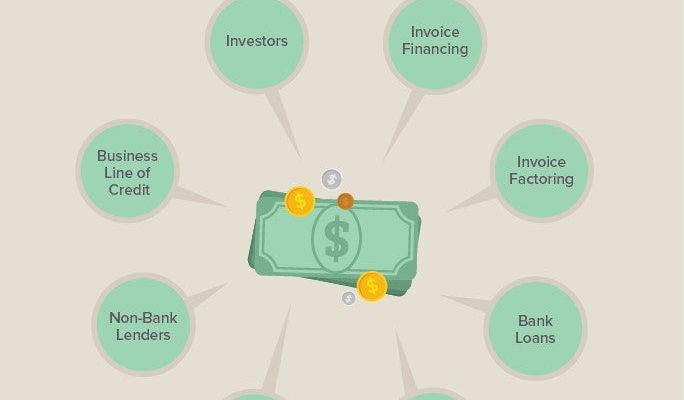
New business funding options have emerged as essential resources for entrepreneurs seeking to establish or expand their ventures in today’s competitive market. With traditional funding avenues, such as bank loans or personal savings, sometimes falling short, innovative solutions have gained traction among startups. Entrepreneurs can now take advantage of a diverse range of funding avenues, including crowdfunding platforms, angel investors, and evolving venture capital trends. Each option offers unique benefits and challenges, demanding careful consideration to align with business goals. Understanding these alternative financing methods is crucial for new business owners looking to navigate their funding journey successfully.
Exploring alternative financing methods is critical for aspiring entrepreneurs aiming to bring their business ideas to life. The landscape of secure funding, ranging from entrepreneurial microloans to investor-backed initiatives, has never been more promising. As more businesses turn to unconventional paths, funding sources like equity crowdfunding and corporate partnerships are becoming increasingly popular. Venture funding, predominantly through strategic alliances and angel investments, is also transforming how startups secure the capital they need. By recognizing the dynamic financing options available, entrepreneurs can better position themselves for success in their chosen markets.
Applying for a merchant account is a vital step for businesses looking to accept credit and debit card payments. To begin the application process, you should first select a payment processor that aligns with your business needs. Research various providers, comparing their fees, services, and customer support. Once you’ve chosen a provider, you typically need to fill out an online application form that requires details about your business, including your EIN (Employer Identification Number), business type, expected transaction volume, and banking information. This information helps the processor assess your business’s risk profile.
After submitting your application, the payment processor will review it, which usually takes a few days. They may request additional documentation to verify your business and banking information. Once approved, you will receive your merchant account credentials, which allow you to process payments. Keep in mind that it’s essential to have a clear understanding of the contract terms, including fees and transaction limits, before finalizing your account. For more detailed assistance and resources, you can visit websites of leading payment processors, such as Square or PayPal, which provide step-by-step guides on applying for a merchant account.
Understanding New Business Funding Options
As an entrepreneur, navigating the complex world of new business funding options is crucial. From traditional avenues like business loans to innovative solutions such as crowdfunding platforms, understanding the landscape can help you strategically position your startup for success. Each funding source comes with its unique set of advantages and challenges, requiring careful consideration and planning to match your business model and growth vision.
In 2023, the emphasis has shifted towards more accessible and varied funding streams. Angel investors, venture capital trends, and microloans are just a few of the avenues that have gained traction. By familiarizing yourself with these options, you not only expand your resources but also increase your chances of securing the financial backing needed for your project to thrive.
The Rise of Crowdfunding Platforms
Crowdfunding platforms like Kickstarter and Indiegogo have revolutionized how startups raise capital. Entrepreneurs can present their ideas directly to the public, inviting individuals to contribute as little or as much as they wish. This democratic funding approach allows creators to gauge market interest before fully committing, reducing the risk associated with launching a new product or service.
Moreover, with the introduction of equity crowdfunding, backers can enjoy a stake in the company, potentially leading to a motivated community of supporters. This not only helps fund the project but also builds a loyal customer base eager to see the business succeed, creating a win-win scenario for both entrepreneurs and their investors.
Diving Into Angel Investors and Their Benefits
Angel investors are vital players in the startup ecosystem, often providing not just capital but also mentorship and strategic guidance. By investing their own funds, these individuals look for promising startups in exchange for equity. The trend indicates a growing interest from angel investors, particularly in emerging sectors like technology and sustainable initiatives.
Engaging with angel investors can significantly enhance your startup’s growth trajectory. In addition to financial support, their expertise and industry connections can open doors that might otherwise remain closed, making them invaluable allies in your entrepreneurial journey.
Exploring Online Lending Platforms for Quick Access to Funds
Online lending platforms such as Kabbage and LendingClub have transformed the borrowing experience for small businesses. Offering streamlined applications, these platforms cater to entrepreneurs who often struggle to meet traditional lending criteria. By leveraging real-time business data, they provide tailored funding options that consider the unique characteristics of each business, ensuring a match between lenders and borrowers.
The speed and convenience these platforms offer are unmatched, allowing business owners to access funds promptly when facing urgent financial needs. However, it’s essential to evaluate the terms carefully, as interest rates and repayment conditions can vary widely among different online lenders.
Venture Capital: A Competitive Yet Rewarding Landscape
Venture capital has always attracted ambitious entrepreneurs seeking rapid growth. In 2023, the focus has intensified on early-stage startups that present innovative solutions, particularly in fields like health tech and environmental sustainability. While venture capital can provide substantial financial resources, it often demands a clear growth strategy and a defined exit plan from founders.
For startups that can demonstrate scalability and a strong value proposition, venture capital can be a game-changer. Beyond capital, venture firms often bring in significant expertise, mentorship, and networks that can enhance a startup’s potential for success.
The Hidden Gem of Government Grants and Programs
Many entrepreneurs overlook the vast opportunities presented by government grants, which offer significant funding without requiring equity in return. Programs like the Small Business Innovation Research (SBIR) provide financial resources tailored to innovate and develop new technologies, particularly for startups focused on research and development.
Leveraging government grants can help entrepreneurs maintain control of their businesses while pursuing ambitious projects. By tapping into these non-dilutive funding sources, startups can alleviate financial strains and focus on cultivating their innovative ideas effectively.
Microloans: Delivering Small Funding for Big Ideas
Microloans have emerged as a vital financing option for small business owners, often targeting underserved and underrepresented communities. Organizations like Kiva and Accion provide manageable loan amounts to help entrepreneurs start or expand their ventures, making initial investments more accessible.
The community-driven aspect of microloans not only fosters local support but also encourages entrepreneurial spirit. With low barriers to entry and a focus on fostering small business growth, microloans can be an excellent option for entrepreneurs looking to make their mark without overwhelming debt.
Strategic Partnerships: A Collaborative Funding Approach
Forming strategic partnerships with larger corporations can unlock essential resources and funding for new businesses. This approach allows startups to share marketing expenses and distribution networks, thereby reducing financial risk while accelerating market entry.
Strategic partnerships create a powerful synergy, enabling both startups and established companies to gain mutual benefits. By aligning interests and resources, new businesses can leverage these relationships to optimize growth and expansion opportunities in a competitive landscape.
Blockchain and Crypto Financing: Navigating a New Frontier
As the technological landscape evolves, decentralized finance (DeFi) is becoming a compelling avenue for startups seeking funding. Projects can launch token offerings or engage in liquidity pools to access capital, which presents an innovative alternative to traditional financing routes.
However, while the potential for capital influx is enticing, entrepreneurs must navigate the regulatory landscape carefully to avoid pitfalls associated with cryptocurrency funding. Understanding the implications and risks will be critical to leveraging this emerging financial solution fully.
Family and Friends Financing: Balancing Trust and Business
Turning to family and friends for initial funding remains a common practice among entrepreneurs. This time-tested approach can provide the financial boost needed to kickstart a business, but it requires careful management to avoid straining personal relationships.
Establishing clear agreements and open communication can help maintain professionalism while tapping into personal networks for support. When structured effectively, this funding can propel entrepreneurs toward their goals without compromising vital family ties.
Corporate Venture Capital: Leveraging Investments for Growth
Corporate venture capital is increasingly becoming a strategic route for startups seeking external funding. Big corporations often invest in smaller enterprises that align with their business interests, especially in sectors like infrastructure and technology where innovation is critical.
These relationships offer more than just financial backing; they also provide mentorship, strategic guidance, and access to established networks, helping startups scale effectively. By fostering these connections, new businesses can leverage the corporate partner’s resources to enhance growth while satisfying the innovation needs of larger firms.
| Funding Option | Advantages | Challenges |
|---|---|---|
| Crowdfunding | Democratic funding approach, community engagement, potential equity sharing | Requires effective marketing to attract backers |
| Angel Investors | Access to capital and mentorship, networking opportunities | Equity dilution, high expectations for business growth |
| Online Lending Platforms | Quick access to funds, use of real-time data for loans | Higher interest rates, potential hidden fees |
| Venture Capital | Large sums of funding, strategic guidance | High expectations for returns, rigorous funding process |
| Government Grants | Non-dilutive capital, supports innovation | Competitive application processes, funding restrictions |
| Microloans | Accessible funding, community support | Limited funding amounts, eligibility criteria |
| Strategic Partnerships | Shared resources, reduced risk | Potential profit sharing, dependence on partner performance |
| Blockchain and Crypto Financing | Innovative funding options, potential for high returns | Regulatory challenges, market volatility |
| Family and Friends Financing | Trust-based support, initial funding source | Risk to personal relationships, lack of formal agreements |
| Corporate Venture Capital | Strategic investment, access to corporate resources | Alignment with corporate goals, potential loss of control |
Summary
New business funding options have evolved significantly to cater to the needs of modern entrepreneurs. With traditional funding methods often insufficient, exploring alternative avenues can unlock critical resources for your startup. By understanding various options such as crowdfunding, angel investors, and venture capital, you will be better equipped to pursue your business dreams. Innovative solutions like blockchain financing and strategic partnerships offer unique ways to access capital while minimizing risks. Therefore, as you navigate the entrepreneurial landscape, consider these new business funding options to find the perfect match for your vision and goals.
In today’s dynamic business environment, exploring new business funding options has never been more critical for aspiring entrepreneurs. As traditional financing methods evolve, innovative avenues such as crowdfunding platforms, angel investors, and venture capital trends are gaining traction. Entrepreneurs now have the opportunity to leverage diverse funding for startups, ensuring access to the financial resources necessary to launch and grow their businesses. With choices ranging from business loans to non-dilutive grants, understanding these options is essential for long-term success. This article will guide you through the top ten funding solutions available, helping you navigate this complex landscape in search of the best financial fit for your venture.
Introducing alternative funding avenues for new businesses can open doors to a realm of possibilities. Entrepreneurs today can benefit from a variety of financial solutions, such as startup financing options, capital from private investors, and community-backed fundraising initiatives. The landscape of business financing has shifted toward more inclusive methods, which emphasize not just capital but also mentorship and strategic partnerships. With emerging trends in venture capital increasingly focused on innovation and sustainability, it’s essential for new business owners to stay informed. By tapping into these diversified resources, startups can secure the financial backing needed to thrive.
Frequently Asked Questions
What are the best new business funding options available in 2023?
In 2023, several new business funding options stand out, including crowdfunding platforms, angel investors, venture capital trends, and government grants. These funding sources vary in their approach, ranging from equity crowdfunding that allows backers to receive shares in the business, to angel investors who not only provide funding but also mentorship. Online lending platforms have also revolutionized access to business loans for startups, while microloans serve specialized needs for small ventures. Exploring these options can help entrepreneurs find the most suitable funding for their unique business models.
Funding for startups is an essential aspect of establishing a new business, as it helps innovators transform their ideas into actionable enterprises. Various options are available for entrepreneurs seeking capital, each with its unique advantages and considerations. From traditional bank loans to modern fintech solutions, understanding the landscape of startup funding is crucial for success.
Business loans remain a popular funding avenue for startups looking to maintain control over their company without diluting ownership. These loans typically come from banks or other financial institutions and require a solid business plan, good credit history, and sometimes collateral. Entrepreneurs must weigh the responsibilities of regular repayments against the benefits of immediate capital.
Crowdfunding platforms have revolutionized the way startups raise funds, allowing them to connect directly with potential backers who believe in their vision. By utilizing platforms like Kickstarter, Indiegogo, or GoFundMe, entrepreneurs can present their ideas to a global audience and solicit small contributions from many supporters, effectively pooling resources without incurring debt.
Angel investors, often affluent individuals, play a significant role in the startup ecosystem by providing capital in exchange for equity stakes or convertible debt. These early-stage investors not only offer financial support but also mentorship, which can be invaluable for startups as they navigate the complex journey of business growth. Establishing a relationship with an angel investor can lead to further funding opportunities and strategic guidance.
Venture capital trends have evolved significantly in recent years, with a focus on technology-driven startups and social impact initiatives. Venture capital firms are increasingly interested in backing companies that prioritize sustainability and innovation, shaping the future landscape of entrepreneurship. Startups must stay informed about these trends to align their business models with the evolving interests of venture capitalists.
### Introduction to New Business Funding Options
In the current entrepreneurial climate, the pressure to secure funding has never been greater. Entrepreneurs must navigate through various financing channels to ensure their businesses not only start but thrive. The top ten funding options discussed in this article are designed to provide clarity on what is available and help entrepreneurs identify the best path tailored to their needs. By staying informed about these diverse funding avenues, startup founders can leverage opportunities that may have previously seemed out of reach.
### Understanding Crowdfunding Dynamics
Crowdfunding, particularly equity crowdfunding, opens doors for many businesses that may lack access to traditional funding sources. Entrepreneurs can create campaigns that highlight their unique value propositions, garnering support from consumers and investors alike. This approach not only helps raise capital but also enables businesses to test their ideas in the market, generating interest before launching fully. With regulations evolving to allow more investments from the public, understanding the nuances of these platforms can significantly accelerate a startup’s growth.
### The Role of Angel Investors in Startup Success
Angel investors bring more than just money; they offer strategic insights and mentorship that can be pivotal for young companies. By being active in industries they invest in, angels often provide valuable connections that can facilitate partnerships, further investment opportunities, and market insights. New entrepreneurs should focus on building relationships with potential angel investors even before they seek funding, as this establishes trust and opens a dialogue that may lead to future financial support.
### Navigating Online Lending Platforms
Online lending platforms have democratized the borrowing process, allowing small business owners to access funds more efficiently than ever before. With various options available, from peer-to-peer lending to more traditional loan formats, entrepreneurs need to conduct thorough research to find the best fit for their financial situation. Understanding the terms, interest rates, and repayment structures is crucial to avoid pitfalls and ensure that the selected financing method aligns with long-term business goals.
### Exploring Venture Capital Opportunities
While venture capital can be competitive, it remains a strong option for startups with high growth potential. Entrepreneurs looking to secure venture funding should focus on building a solid business model and demonstrating their ability to scale quickly. Engaging with venture capitalists early and refining pitches based on feedback can increase chances of securing funding during crucial early-stage transitions.
### Unlocking Government Grants
Government grants are an often-overlooked resource for new businesses. Programs such as the SBIR are designed to encourage innovation and research without the burden of repayment. Entrepreneurs should take the time to research available grants and tailor their business plans accordingly to maximize their chances of receiving this type of funding. Understanding eligibility criteria and application processes can greatly enhance success rates.
### The Value of Microloans
Microloans serve as an excellent starting point for underrepresented entrepreneurs or those with limited access to capital. These small, community-driven loans support the growth of local businesses and foster an entrepreneurial spirit. Borrowers can utilize these funds for a variety of startup needs, and as repayment terms tend to be more flexible, they provide a lower-risk option to consider when launching new ventures.
### Benefits of Strategic Partnerships
Strategic partnerships can lead to shared resources and reduced financial risks for startups. By aligning with established companies, new businesses can gain valuable insights into market strategies while leveraging the larger partner’s credibility. Entrepreneurs should seek out partnerships that align with their vision and values, as these collaborations can enhance their product offerings and provide a stronger foothold in competitive markets.
### The Future of Blockchain and Crypto Financing
As blockchain technology evolves, so does its potential for financing. Startups looking at decentralized finance (DeFi) must remain adaptable and informed as regulations surrounding this space are still being shaped. Entrepreneurs should conduct thorough due diligence when considering token offerings or liquidity pools, recognizing that while there is potential for substantial returns, the risks can be equally high.
### Responsible Family and Friends Funding
Funding from family and friends can help maintain flexibility and control for entrepreneurs, but it comes with its own set of risks. By clearly defining terms and expectations through formal agreements, businesses can mitigate misunderstandings that might arise from personal connections. It is essential that entrepreneurs apply the same level of professionalism to these arrangements as they would with any formal investor.
