
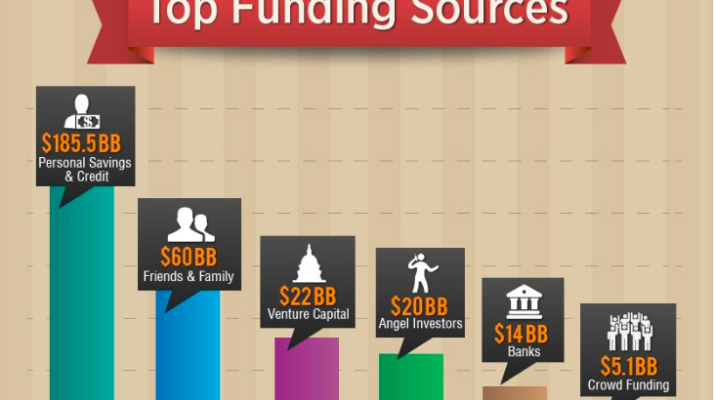
Securing new business funding is a pivotal step for entrepreneurs embarking on their startup journey. In today’s dynamic market, various startup funding options exist, enabling innovators to access the capital necessary to turn their visions into reality. From traditional routes like bank loans to more accessible creative funding strategies such as crowdfunding for startups and revenue-based financing, the choices are abundant. Attracting angel investors has also become a favored approach among founders looking to secure not just financial support but mentorship as well. This guide will explore these options in detail, empowering you with knowledge to maximize new business funding for your entrepreneurial endeavors.
Launching a new venture can be both exhilarating and challenging, particularly when it comes to acquiring financial resources. Entrepreneurs today can explore several alternative financing methods designed for vibrant startups, spanning from seeking backing through crowdfunding platforms to innovative avenues like grants and competitions. For those looking to attract investment, understanding the role of individual investors, or angel investors, is essential as they often provide not only capital but also invaluable guidance. Additionally, revenue-driven financing has emerged as a practical option, allowing founders to settle payments based on future earnings rather than giving up equity. This discussion will illuminate the ever-evolving landscape of business funding and the various strategies that can lead to successful financial outcomes.
Applying for a merchant account is a crucial step for businesses that want to accept credit and debit card payments. To start your application, first, choose a payment processor or merchant service provider that aligns with your business needs. Research various providers to compare their fees, features, customer support, and contract terms. Once you select a processor, visit their website and fill out the application form. This process typically requires information about your business, including its name, address, type of products or services offered, and estimated monthly sales volumes. Make sure to provide accurate details to avoid delays in approval.
After submitting your application, the payment processor will review your information and may request additional documentation such as proof of identity, business license, and bank statements. This review process usually takes a few days to a couple of weeks, depending on the complexity of your application. Once approved, you will receive your merchant account credentials, allowing you to start processing payments. To ensure a smooth transition, take time to familiarize yourself with the payment gateway and tools offered by your provider. For more detailed guidance and to find the right payment processor for your needs, consider visiting reputable websites that specialize in merchant account comparisons and reviews.
Exploring New Business Funding Strategies
Navigating the diverse landscape of new business funding is crucial for startup success. Entrepreneurs today have access to a myriad of funding strategies that extend beyond traditional bank loans and venture capital. Startup funding options now include creative avenues such as crowdfunding, grants, and angel investors, each presenting unique opportunities and challenges. By thoroughly understanding these options, founders can make informed decisions that align with their strategic goals and operational needs, optimizing their chances for securing the necessary capital.
Additionally, exploring less conventional methods like revenue-based financing can offer startups the flexibility they need while maintaining control over their business. This approach allows companies to access funds based on anticipated revenue, reducing the stakes associated with giving up equity. Engaging with various funding sources empowers entrepreneurs to build a robust financial foundation, essential for driving growth and overcoming initial hurdles. Continuing to innovate in funding strategies will enable startups to remain competitive in a rapidly evolving economy.
The Rise of Crowdfunding for Startups
Crowdfunding has transformed the way startups raise capital, allowing entrepreneurs to engage a large number of small backers who collectively fund their projects. Platforms such as Kickstarter and Indiegogo have democratized access to capital, empowering creators and innovators to showcase their concepts and generate interest before even launching their products. This approach not only raises funds but also builds a community of supporters who are invested in the startup’s success, creating early customer advocates and fostering brand loyalty.
As crowdfunding continues to evolve, equity crowdfunding is becoming increasingly popular, allowing backers not just to contribute financially but to acquire a stake in the venture. This shift reflects a broader trend in startup funding, where investors are drawn to the potential for financial returns alongside the desire to support innovative ideas. By leveraging crowdfunding effectively, startups can not only secure necessary funding but also create a market presence that supports their growth trajectory.
Leveraging Angel Investors for Growth
Angel investors play a pivotal role in the startup ecosystem, often providing essential funding during the early stages of a business. These individuals, motivated by the potential for high returns, typically invest their personal funds in exchange for equity. In return for their investment, angel investors often offer mentorship, industry connections, and valuable insights that can significantly impact a startup’s trajectory. For entrepreneurs, establishing connections with potential angel investors can be a game-changer, as these relationships can lead to additional funding, guidance, and networking opportunities.
Recent trends indicate a growing focus among angel investors towards supporting sustainability and tech-driven startups. This demonstrates a shift in priorities, as investors increasingly seek to align their financial interests with social impact. By actively engaging with angel investors, startups can access not only financial resources but also strategic advice that can help them navigate early challenges. Cultivating robust relationships with these investors can enhance a startup’s credibility and open doors to future funding opportunities.
Understanding Revenue-Based Financing
Revenue-based financing (RBF) represents a reimagined approach to startup funding, allowing businesses to secure capital without giving up equity. This model aligns the repayment structure with the company’s income flow, making it an appealing option for founders who wish to maintain control while still obtaining necessary funds. Startups that opt for RBF agree to pay investors a percentage of their gross revenues until a predetermined amount is reached. This dynamic allows for greater flexibility compared to traditional loans, making it easier for entrepreneurs to adapt their payment schedules based on business performance.
The rapid growth of RBF has been particularly evident in sectors like e-commerce, where revenue predictions are more straightforward. This method allows startups to mitigate financial risks associated with more conventional funding options, which often impose strict repayment terms regardless of market fluctuations. By leveraging revenue-based financing, founders can navigate economic uncertainty with greater agility, ensuring they have the operational bandwidth to focus on their growth strategies instead of immediate repayment pressures.
The Impact of Digital Banking on Startups
The rise of digital banking has introduced a host of modern financing solutions tailored specifically for startups. Platforms like Brex and Mercury offer innovative financial products designed to meet the unique needs of newly established businesses. These services often prioritize cash flow over traditional credit scores, enabling startups to access lines of credit and other financial resources that might otherwise be out of reach. With the user-friendly platforms and streamlined application processes, digital banking allows entrepreneurs to secure funding quickly and efficiently, a key advantage in today’s fast-paced business environment.
Moreover, the accessibility of these specialized financial services is helping to reshape the startup funding landscape. Entrepreneurs can benefit from faster approval times and lower fees, facilitating quicker decision-making and capital allocation. This modernization in banking is particularly advantageous for tech-savvy startups, allowing them to respond rapidly to market demands and scale their operations with the necessary financial support. As digital banking solutions continue to evolve, they will likely play an increasingly important role in the strategies that startups employ to secure funding.
Navigating Economic Conditions for Funding Success
In an ever-changing economic landscape, startups must adapt their funding strategies to stay resilient in the face of market fluctuations. Factors such as rising inflation and changing interest rates can significantly impact the availability and appeal of traditional funding routes. As such, entrepreneurs are increasingly turning to more innovative and adaptive funding solutions to secure the capital they need without compromising their business plans. By understanding the economic indicators at play, startups can better position themselves to access funding when it is most advantageous.
Emerging trends indicate that startups are diversifying their funding avenues, thus allowing them to mitigate risks associated with traditional financing. By leveraging a combination of crowdfunding, grants, angel investments, and revenue-based financing, entrepreneurs are crafting tailored funding solutions that reflect their unique business models. This proactive, multifaceted approach enables startups to not only weather economic challenges but also capitalize on growth opportunities as they arise, solidifying their place in the market.
Creative Strategies for Securing Startup Grants
Grants represent a fantastic opportunity for startups to secure necessary funding without the burden of repayment. Various government and nonprofit organizations offer grants targeting specific industries, needs, or demographic groups, making it essential for entrepreneurs to research and identify the right fits for their business goals. Participating in competitions and applying for grants not only provides access to funds but also helps build credibility and recognition within the industry, enhancing a startup’s reputation among investors and consumers alike.
Moreover, the landscape for grants has expanded significantly in the aftermath of the COVID-19 pandemic, with many organizations increasing their offerings to support economic recovery. Startups can leverage these opportunities not only to obtain funds but also to gain mentorship and guidance from industry experts involved in the grant process. Establishing a strong application that highlights the innovative aspects of a startup can increase the chances of securing funding, thereby providing a vital lifeline for entrepreneurs looking to establish or scale their businesses.
The Future of Startup Funding Alternatives
As the startup ecosystem continues to evolve, new funding alternatives are emerging, making diverse financial avenues accessible for entrepreneurs. The traditional funding models are being supplemented by innovative approaches such as revenue-based financing, crowdfunding, and specialized digital banking services, which cater specifically to the needs of startups. The rise of these alternatives is indicative of a larger trend towards democratization of capital access, enabling a broader range of ideas and projects to receive the funding necessary to flourish.
Looking forward, the future of startup funding will likely encompass an even greater emphasis on creative strategies that appeal to investors’ desires for social impact and sustainability. As more entrepreneurs become aware of the multifaceted nature of funding, they will increasingly adopt diverse strategies such as angel investments mixed with crowdfunding campaigns, thereby maximizing their business funding potential. For individuals pursuing entrepreneurship, the growing array of options signifies a more promising landscape where innovative ideas can find the financial backing they require to bring their visions to life.
| Funding Method | Overview | Recent Trends | Key Benefits |
|---|---|---|---|
| Crowdfunding | Engaging the public through platforms like Kickstarter and Indiegogo. | Equity crowdfunding emerging as a significant trend. | Community engagement and access to potential customers. |
| Grants and Competitions | Non-repayable funds from government and private organizations. | Increased grant availability post-COVID-19. | Financial support during early stages with mentorship opportunities. |
| Angel Investors and Micro VCs | Individual investors focusing on equity investment in startups. | Increase in investments toward tech-focused sustainability projects. | Critical insights, mentorship, and funding support. |
| Revenue-Based Financing | Capital raised based on future revenue streams instead of equity loss. | Rising popularity in sectors like e-commerce. | Control retention over business while securing funding. |
| Digital Banking and Financial Services | Specialized services catering to startups’ financial needs. | Growing demand for quick, innovative financial solutions. | Streamlined applications and faster approvals for funding. |
| Navigating Economic Conditions | Adaptation strategies in response to economic landscape changes. | Pivoting to alternative financing as interest rates rise. | Diversification of funding approaches to mitigate risks. |
Summary
New business funding has never been more accessible for entrepreneurs seeking to launch innovative ventures. With a plethora of creative financing options now available, from crowdfunding and grants to angel investments and revenue-based financing, startups can choose methods that align with their strategic goals and unique challenges. Understanding the dynamic landscape of funding, particularly in light of rising economic pressures, allows founders to adapt and thrive. Utilizing these modern financing solutions, businesses can not only secure the capital needed to grow but also build a community of supporters invested in their success.
New business funding is crucial for entrepreneurs seeking to turn their innovative ideas into successful ventures. As the landscape of startup funding options evolves, diverse and creative funding strategies have emerged to support the dreams of aspiring business owners. From crowdfunding for startups that rallies community support to angel investors who provide both capital and mentorship, there are various avenues worth exploring. Revenue-based financing offers a unique approach, allowing businesses to raise the capital they need while maintaining equity. By understanding these options, startups can maximize their chances of securing the necessary funds to launch and grow their enterprises.
The realm of startup financing has transformed, opening doors for new ventures that previously faced hurdles in accessing capital. Alternative financing methods have become increasingly popular among entrepreneurs looking for flexible funding solutions. Whether it’s exploring creative avenues such as grants and competitions, or leveraging the insights of individual investors, startups today are better equipped than ever to navigate their funding journey. Additionally, the rise of digital banking platforms has provided modern entrepreneurs with streamlined access to financial resources tailored to their needs. This shift towards diverse business funding sources empowers startups to pursue their ambitions with confidence.
Frequently Asked Questions
What are the best startup funding options for new businesses?
When looking for new business funding, entrepreneurs can explore various startup funding options, including crowdfunding, angel investors, and revenue-based financing. Crowdfunding platforms like Kickstarter allow businesses to gather funds from the public, while angel investors provide capital in exchange for equity, often alongside valuable mentorship. Additionally, revenue-based financing offers a flexible way for startups to repay investors based on their revenue, helping them maintain equity control in their venture.
When launching a startup, understanding the various **startup funding options** is crucial for success. Traditional routes such as venture capital and bank loans are well-known, but there are numerous alternatives to consider. Bootstrapping, where entrepreneurs use personal savings to fund their ventures, can be a great way to maintain control over the business. Additionally, public grants and government subsidies for innovative projects can provide non-dilutive capital, allowing founders to grow without giving up equity. Each funding source comes with unique benefits and challenges, and it’s essential for founders to assess which align best with their business strategies.
Exploring **creative funding strategies** can propel a startup to new heights, especially in a competitive market. Founders might consider leveraging strategic partnerships where they exchange resources or co-develop solutions with established companies. Another innovative approach could be using **equity crowdfunding**, where startups can raise funds from a broad base of investors through online platforms, effectively combining traditional investment with social reach. Additionally, turning to micro-influencers for promotional support in exchange for equity or revenue share can create novel pathways for both funding and market visibility.
**Crowdfunding for startups** has revolutionized the way entrepreneurs access capital, moving away from conventional methods towards more democratized funding options. Platforms like Kickstarter and Indiegogo allow startups to showcase their products and raise small amounts of money from a large number of individuals who are interested in their ideas. This not only helps in gathering the necessary funds but also validates the business concept in the eyes of potential investors and customers. Successful crowdfunding campaigns often emphasize effective storytelling and engaging media, making them essential for capturing attention and encouraging contributions.
**Angel investors** play a pivotal role in the startup ecosystem, offering not just capital but also guidance and industry connections. Typically high-net-worth individuals, angel investors are often among the first investors in a startup and contribute significantly at the seed or early stages of business development. They generally seek equity in return for their investments, and their involvement can signal credibility to other potential investors. Building a strong relationship with angel investors can provide startups with the mentorship and strategic advice needed to navigate early challenges.
In the realm of startup financing, **revenue-based financing** offers a flexible alternative that ties repayments to the company’s revenue. This approach allows businesses to access capital without the burdens of fixed monthly payments commonly associated with loans. Investors receive a percentage of future revenue until their investment is repaid, making it a less risky option for startups with fluctuating sales. This model appeals to both entrepreneurs looking for non-dilutive financing and to investors who want to share in the success of a growing enterprise without imposing excessive financial strain on its operations.
Starting a new business can be both exhilarating and challenging, particularly when it comes to securing funding—one of the most critical hurdles a startup must overcome. In today’s rapidly evolving financial landscape, traditional funding routes such as bank loans and venture capital remain prevalent; however, they often present strict requirements that may not be feasible for every entrepreneur. This is where creative funding options come into play, providing fresh avenues for new businesses to access the capital needed for launch and growth. Understanding these diverse options can empower entrepreneurs to make informed decisions that align with their vision and operational needs.
Crowdfunding stands out as one of the most innovative and engaging funding methods available to today’s entrepreneurs. By utilizing platforms like Kickstarter and Indiegogo, startups can present their ideas to the public, inviting contributions from a broad network of potential backers. This approach not only raises much-needed initial funds but simultaneously fosters a community of supporters who are emotionally invested in the project’s success. Recent shifts towards equity crowdfunding have further enhanced this model, allowing investors to receive equity stakes in promising startups, which aligns their interests with those of the entrepreneurs and broadens the potential for fundraising.
Grants and competitions represent another vital channel for startups seeking non-repayable funds. Various organizations, including government entities and nonprofits, now offer targeted grants designed to stimulate entrepreneurship. These funds prove invaluable in the early stages of business development, where traditional financing options may be out of reach. The increasing availability of grants, particularly in the wake of the COVID-19 pandemic, emphasizes the necessity to support economic recovery, making competitions not only a source of funding but also a pathway to mentorship and strong networking opportunities for aspiring entrepreneurs.
The concept of attracting investment from angel investors and micro-venture capitalists also remains significant for startups. These individual investors focus on early-stage ventures, particularly those with innovative solutions in technology or sustainability. In 2023, trends show a marked increase in angel investments directed towards startups addressing pressing societal challenges. This growing investment focus not only reflects the altruistic aspirations of many modern investors but also signifies a vibrant opportunity for young businesses aiming to make a meaningful impact while securing the capital necessary for growth.
Revenue-based financing (RBF) is becoming a prominent alternative funding avenue that enables startups to access capital while mitigating ownership dilution. In this model, entrepreneurs can secure funding based on their projected revenue, agreeing to share a small percentage of their gross revenue with investors until the specified repayment amount is met. This approach is particularly appealing in industries like e-commerce, where revenue predictability can substantiate investor confidence without requiring substantial equity concessions from founders.
Lastly, the emergence of digital banking solutions specifically designed for startups introduces a new wave of opportunities. Innovative platforms such as Brex and Mercury are redefining the financial landscape for entrepreneurs by offering tailored banking services, including cash flow-based credit lines that skip traditional credit score assessments. This shift not only expedites access to funds but aligns with the fast-paced nature of modern businesses that require quick financial solutions to seize market opportunities.
A startup’s ability to navigate funding options adeptly is increasingly influenced by broader economic conditions. As inflation and interest rates fluctuate, entrepreneurs must remain adaptable in their funding strategies, often pivoting towards unconventional methods to mitigate risk. Those who diversify their funding sources can position themselves more favorably to weather economic uncertainties, allowing for strategic growth even in challenging environments. In an entrepreneurial ecosystem where creativity and resourcefulness are paramount, understanding and maximizing these unique funding options can be the key to unlocking the full potential of a new business venture.
In conclusion, the landscape of funding opportunities for startups is richer and more varied than ever before. Entrepreneurs who explore innovative avenues such as crowdfunding, grants, angel investments, revenue-based financing, and modern digital banking services will find themselves well-equipped to launch their businesses successfully. As the marketplace continues to evolve, staying informed about emerging trends and adapting funding strategies accordingly will empower startups to thrive. With a plethora of options accessible in 2023, entrepreneurs can transform their business dreams into reality, harnessing the creative funding strategies best suited to their unique aspirations.
