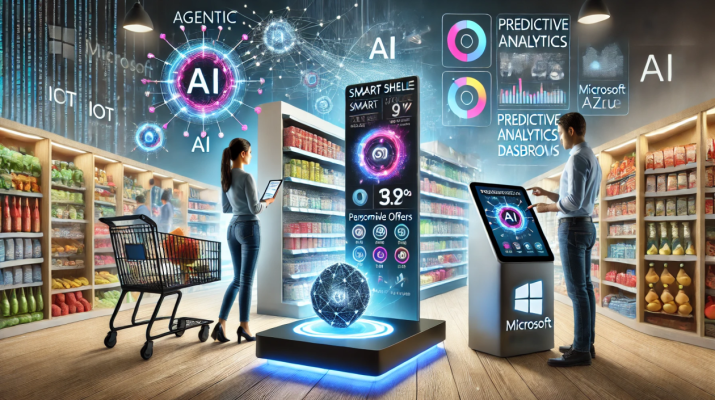
Agentic shopping represents a transformative shift in the landscape of e-commerce, allowing consumers to enhance their purchasing experiences through the use of automated systems. As PayPal and Mastercard deepen their partnership, they’re paving the way for seamless digital wallet integration, bringing together the convenience of AI-driven e-commerce and automated shopping solutions. This collaboration is not just about convenience; it’s a strategic move within the evolving payments ecosystem, aimed at streamlining transactions and verifying AI agents more efficiently. By leveraging the strengths of both companies, they aim to launch innovative protocols that enhance the agentic shopping experience for a global audience. With the introduction of services that simplify payments, the future of shopping could very well lie in the hands of AI-driven technologies.
The concept of automated purchasing, often referred to as agentic commerce or intelligent shopping, is rapidly gaining momentum in today’s digital marketplace. This innovative approach involves the use of artificial intelligence to enable consumers to delegate their shopping decisions, making transactions smoother and more efficient through advanced payment systems. In light of the recent PayPal Mastercard partnership, the integration of digital wallets is set to revolutionize how we interact with online marketplaces, encouraging a seamless flow of transactions. As various players in the payments ecosystem explore these cutting-edge solutions, the competitive landscape is expanding, promising a new era of e-commerce that prioritizes user experience through automated processes. The intersection of technology and commerce is reshaping consumer behavior and setting new standards for online interactions.
Applying for a merchant account is an essential step for businesses looking to accept payments electronically. The process typically starts by researching various merchant account providers to find one that suits your business needs, whether you’re a small start-up or an established corporation. Once you’ve selected a provider, you’ll need to fill out an application, which generally requires information about your business such as its legal structure, operational history, and creditworthiness. Additionally, it’s crucial to gather necessary documentation, including your business license, tax identification number, and bank account information, as these will be required for the approval process. Each provider has its own processing fees and terms, so be sure to review them carefully to avoid surprises later on.
Once your application is submitted, the merchant account provider will conduct a review, which may include a credit check or an evaluation of your business risk profile. This step can take anywhere from a few hours to several days. After approval, you will receive details on setting up your payment processing systems, which may involve integrating payment gateways or obtaining specific hardware for point of sale transactions. It’s worth noting that successful account setup can greatly enhance your customers’ payment experience. For more detailed information on the current trends and partnerships in the payment processing space, including insights from major players like PayPal and Mastercard, you can visit this informative article: https://www.paymentsdive.com/news/paypal-mastercard-partner-agentic-strategy/803869/.
Understanding Agentic Shopping and Its Impact on E-Commerce
Agentic shopping represents a transformative shift in the e-commerce landscape, allowing consumers to engage with automated systems to complete transactions with minimal manual intervention. This concept is gaining prominence as technology evolves, especially with the rise of AI-driven e-commerce solutions that can significantly enhance the shopping experience. By utilizing AI agents, consumers can delegate tasks such as product searches, price comparisons, and even payment processing, making the shopping experience not only more efficient but also more enjoyable.
As the partnership between PayPal and Mastercard progresses, the expansion of agentic shopping options is expected to revolutionize how transactions are processed online. With the integration of PayPal’s digital wallet into Mastercard’s network, users are set to experience a seamless shopping environment where agentic commerce protocols facilitate quicker checkouts and improved transaction security. This synergy may lead to increased consumer trust, encouraging wider adoption of agentic shopping across various demographics.
| Key Points |
|---|
| PayPal and Mastercard are enhancing their partnership to improve agentic shopping options. |
| Integration of PayPal’s digital wallet with Mastercard’s cards is a key focus. |
| A pilot program for an evolving agentic e-commerce system will utilize AI agents and marketplace merchants. |
| The partnership aims for compatibility with common agentic protocols and AI agent verification. |
| Agentic shopping allows consumers to delegate shopping tasks to bots automatically. |
| PayPal and Mastercard are collaborating with Google to establish innovative shopping protocols. |
| Competition is rising with other players like Visa and Stripe exploring agentic commerce. |
| The partnership intends to leverage Mastercard’s global card base available through PayPal, enhancing user experience. |
| There are uncertainties around consumer adoption patterns and potential fraud concerns associated with agentic shopping. |
Summary
Agentic shopping is at the forefront of the evolving e-commerce landscape as PayPal and Mastercard enhance their partnership to revolutionize how consumers shop. Their collaboration aims to integrate digital wallets and traditional payment methods, providing a seamless experience for users. While the initiative promises innovation and ease, there are challenges regarding adoption rates and security that the industry must address. As competition heats up with other financial giants entering the agentic commerce space, it will be essential to monitor both consumer responses and the efficiency of these new payment solutions.
Agentic shopping is revolutionizing the way consumers approach their purchases, thanks to innovative partnerships like that of PayPal and Mastercard. By integrating PayPal’s digital wallet with Mastercard’s services, this collaboration enhances the automated shopping experience, leveraging AI-driven e-commerce solutions to streamline payments. As part of their broader strategy within the payments ecosystem, this initiative aims to make shopping effortless and secure for users by utilizing advanced digital wallet integration. Furthermore, the partnership opens doors to a new era of convenience, allowing consumers to delegate shopping tasks to AI agents while ensuring compatibility with established agentic protocols. This shift not only enhances the user experience but also sets the stage for groundbreaking developments in financial technology and consumer engagement.
In today’s digital marketplace, the concept of agentic shopping is evolving, paving the way for a more hands-off approach to online purchasing. Also known as automated shopping or smart commerce, this innovative trend allows consumers to engage in a seamless retail experience through AI-driven e-commerce platforms. By collaborating with leaders like PayPal and Mastercard, businesses are tapping into the potential of digital wallet integration and optimized payments, thereby enhancing the overall consumer journey. As companies explore new opportunities in this arena, alternative terms such as intelligent buying and automated transactions become increasingly relevant. The rise of agentic commerce reflects a significant shift in consumer behavior and the growing influence of technology on shopping habits.
Frequently Asked Questions
What is agentic shopping and how does it enhance AI-driven e-commerce?
Agentic shopping refers to the ability for consumers to delegate their shopping tasks to AI agents, which simplify the purchasing process in the landscape of AI-driven e-commerce. By leveraging this technology, users can enjoy automated shopping experiences, allowing for seamless and efficient transactions.
How does the PayPal and Mastercard partnership improve agentic shopping?
The partnership between PayPal and Mastercard enhances agentic shopping by integrating PayPal’s digital wallet with Mastercard’s cards, allowing users to execute automated shopping transactions more effectively. This collaboration introduces protocols that ensure compatibility for AI agents, improving the overall payment ecosystem.
What role does digital wallet integration play in agentic shopping solutions?
Digital wallet integration is crucial for agentic shopping as it enables consumers to store their payment methods securely and access them quickly through AI-driven agents. This integration simplifies the buying process, allowing purchases to be made automatically without manual input.
How are AI agents facilitating automated shopping in the payments ecosystem?
AI agents facilitate automated shopping by handling various tasks such as price comparisons, product recommendations, and executing payments on behalf of users. This automation streamlines the shopping experience, making transactions faster and more efficient within the evolving payments ecosystem.
What initiatives are being taken by PayPal and Mastercard in the realm of agentic e-commerce?
PayPal and Mastercard have launched initiatives such as a pilot program for their evolving agentic e-commerce system. This program involves testing smart contracts and protocols in collaboration with AI agents and marketplace merchants, aiming to optimize automated shopping experiences.
What are the security concerns associated with agentic shopping technologies?
While agentic shopping technologies improve convenience, they also raise security concerns related to fraud and data privacy. The partnership between PayPal and Mastercard includes measures for AI agent verification and secure data exchange to address these potential risks.
How does agentic shopping differ from traditional online shopping methods?
Agentic shopping differs from traditional e-commerce by allowing consumers to employ AI agents to manage their shopping activities, making purchases automatically based on predefined preferences. This contrasts with traditional methods where users must individually search and execute transactions.
In what ways will consumer adoption of agentic shopping impact the payments ecosystem?
Consumer adoption of agentic shopping is expected to significantly impact the payments ecosystem by increasing reliance on automated transactions, prompting payment providers to enhance their offerings and security measures to accommodate this shift in shopping behavior.
How do PayPal and Mastercard plan to test the new agentic shopping technology?
PayPal and Mastercard plan to test their new agentic shopping technology through a pilot program that will evaluate AI agents’ performance in real-world shopping scenarios, ensuring their protocols work seamlessly with marketplace merchants.
What competing technologies should consumers be aware of in the agentic shopping space?
Consumers should be aware of competing technologies from major players like Visa and Stripe, who are also exploring agentic commerce solutions. This competition may lead to advancements in automated shopping, enhancing choices for consumers.
AI-driven e-commerce is revolutionizing how consumers shop online. By leveraging advanced algorithms and machine learning, retailers can personalize the shopping experience to meet individual customer needs. These AI systems analyze browsing patterns, purchase history, and demographic data to suggest tailored products, optimize inventory, and even anticipate customer needs. As a result, businesses can enhance customer engagement, increase conversion rates, and drive sales more effectively than ever before.
The partnership between PayPal and Mastercard is a strategic move that aims to streamline and enhance the payments ecosystem. By collaborating, these two financial giants are able to offer a more seamless digital payment experience for consumers and merchants alike. This partnership focuses on integrating Mastercard’s extensive card network with PayPal’s digital wallet services, enabling users to make secure payments across a wider range of online and offline platforms. Such collaborations are pivotal in shaping the future of digital transactions, making them faster and more reliable.
Digital wallet integration is becoming a central feature in the evolution of e-commerce payment solutions. As consumers increasingly adopt mobile devices and online shopping, the demand for secure and convenient payment methods rises. Digital wallets, such as those offered by PayPal and other fintech companies, allow users to store multiple payment methods in one easy-to-access location, facilitating quick transactions. This technology not only enhances user convenience but also significantly reduces the friction often associated with traditional payment processes.
Automated shopping is another trend that is reshaping the online retail landscape. By employing AI and machine learning, retailers can implement systems that allow for automated purchasing based on predefined criteria, such as inventory levels and consumer preferences. For instance, subscription services utilize automated shopping systems to replenish household items without requiring customer intervention. This not only saves time for consumers but also helps businesses manage stock better and reduce overhead costs.
The payments ecosystem is becoming increasingly interconnected as various industries and technologies converge. With the rise of e-commerce, mobile payments, and innovative fintech solutions, the ability to transact has never been more dynamic. Companies are exploring new technologies such as blockchain and cryptocurrencies to enhance security and transparency in transactions. Additionally, partnerships among payment providers, e-commerce platforms, and tech companies are crucial in creating an integrated and efficient payment experience, which is essential for encouraging consumer adoption.
Source: https://www.paymentsdive.com/news/paypal-mastercard-partner-agentic-strategy/803869/
The partnership between PayPal and Mastercard marks a significant milestone in the evolution of agentic shopping, where consumers can leverage AI agents to automate their purchasing experiences. By integrating PayPal’s digital wallet with Mastercard’s card offerings, this collaboration aims to create a seamless environment for users who wish to delegate shopping tasks to intelligent bots. This pilot program will not only test the effectiveness of these AI agents in executing transactions but also explore how they may enhance the overall e-commerce landscape by making it more efficient and user-friendly.
As AI-driven e-commerce becomes a reality, the need for standardized agentic protocols is more pressing than ever. The collaboration between PayPal, Mastercard, and other industry players like Google seeks to establish these vital frameworks that will allow disparate AI systems to communicate and verify transactions effectively. Such interoperability is key for gaining consumer trust, particularly as automated shopping becomes more mainstream. This partnership not only strengthens their positions in the competitive payments ecosystem but also addresses the evolving needs of consumers looking for faster and smarter shopping solutions.
Despite the potential benefits, there are lingering concerns regarding consumer adoption and security in the realm of agentic shopping. While the system promises convenience, the prospect of fraud associated with automated transactions poses significant challenges. Both PayPal and Mastercard must navigate these risks carefully to ensure that their agents operate within safe parameters, maintaining user confidentiality and data integrity. As user experiences with agentic shopping are cultivated, consumer feedback will be crucial in understanding the appropriateness of this technology across different spending categories.