
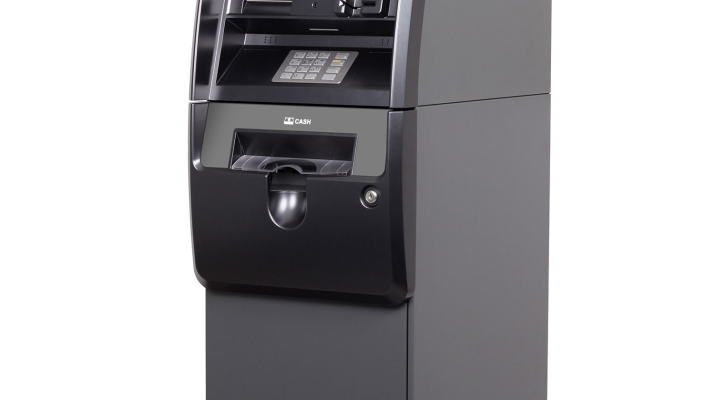
ATM machines have revolutionized the way we access our finances, evolving from basic cash dispensers to sophisticated banking tools that reflect the latest technology trends. Since their inception, these Automated Teller Machines have undergone significant transformations, now offering a range of services from traditional cash withdrawals to innovative tap payments and cardless ATM withdrawals. As we explore the evolution of ATMs, it’s fascinating to see how advancements in ATM technology have improved user experience and security, facilitating seamless contactless transactions. With the rise of digital banking, these machines have become indispensable for handling everyday financial needs, making banking more accessible than ever. Join us as we delve deeper into the key milestones and future innovations shaping the future of ATMs.
Automated Teller Machines, commonly known as cash machines, have significantly impacted the banking landscape by enhancing customer accessibility to funds. Originating as basic devices for cash withdrawals, these electronic kiosks have evolved to incorporate a range of functionalities, including digital transactions and mobile banking options. Emerging technologies have paved the way for novel features such as cardless cash retrieval and tap-pay capabilities, catering to today’s digital-savvy consumers. As banking solutions continue to adapt, these machines exemplify the ongoing shift towards more convenient and secure financial interactions. By understanding the historical advancements and current trends, we can appreciate the essential role these machines play in modern banking.
Applying for a merchant account is a crucial step for businesses looking to accept credit and debit card payments. To begin the process, you’ll need to choose a reliable payment processor that fits your business needs. Most payment processors have an easy online application where you provide essential information about your business, including your legal business name, tax identification number, and bank account details for deposits. Be prepared to share more details, such as your estimated monthly sales volume, the types of products or services you sell, and any relevant industry information. Once you’ve submitted your application, the payment processor may conduct a credit check or underwrite your application, which can take anywhere from a few hours to several days.
After your application is approved, you’ll need to set up your account by configuring settings such as payment methods, transaction limits, and reporting features. This includes integrating the payment gateway with your website if you’re running an online business. Don’t forget to review the terms and conditions carefully, including transaction fees and monthly charges. If you need assistance, many payment processors offer customer support or resources to help you through the setup process. You can find detailed instructions and support by visiting the payment processor’s website directly and following their guidelines for new merchants.
The Revolutionary Journey of ATM Machines
The journey of Automated Teller Machines (ATMs) has been nothing short of revolutionary. From their introduction in the late 1960s, these machines were designed primarily for cash withdrawals, providing a more convenient option for customers who sought to access their funds outside of traditional banking hours. As the years progressed, the functionalities of ATMs evolved dramatically, adapting to the changing needs of consumers and the rapid pace of technological advances. This evolution marks a critical transition in how people engage with banking, turning what was once a simple money-dispensing mechanism into an all-in-one financial service kiosk.
Today, ATMs not only dispense cash but also support a variety of transactions, such as bill payments, mobile phone recharges, and more. They have become multipurpose devices that cater to the diverse needs of consumers. This shift has been propelled by the rise of digital interactions, allowing ATMs to incorporate features like cardless withdrawals and contactless payments. As the demand for convenience grows, these machines have adapted to use state-of-the-art technology, ensuring they stay relevant in a world increasingly focused on seamless financial transactions.
Innovations in ATM Technology: What’s Next?
As the landscape of banking technology continues to evolve, so do ATM innovations that redefine user experiences. Key developments such as tap payments, driven by Near Field Communication (NFC), are bringing a new level of convenience for customers. Users can now conduct transactions by simply tapping their smartphones or smartwatches on the ATM, integrating seamlessly with payment apps like Apple Pay and Google Wallet. This major step toward enhancing customer convenience not only streamlines the withdrawal process but also aligns with broader trends in contactless transactions, appealing to the tech-savvy population.
The future of ATM technology holds promise as new functionalities emerge, including advanced security features like biometric authentication and AI-driven services. As financial institutions recognize the importance of protecting user data, advancements in encryption and security measures become paramount. These innovations not only elevate user confidence but also ensure that ATMs meet regulatory standards in an increasingly digital banking environment. With this continuous innovation, the prospects for ATMs reflect a transformative shift toward making banking more accessible and efficient for all.
The Rise of Cardless ATM Withdrawals
The introduction of cardless ATM withdrawals marked a significant leap forward in automation and security within the banking sector. By allowing customers to access funds through mobile banking applications, financial institutions have embraced technological advancements like QR codes and one-time PINs to facilitate this type of transaction. This method enhances customer convenience, eliminating the need for physical plastic cards and addressing concerns around card theft or loss. In an age where digital devices dominate, cardless transactions enable customers to bank on-the-go, reflecting a growing trend toward mobility in financial services.
Moreover, as consumers become more adept at using technologies that promote cardless and contactless interactions, banks are under pressure to enhance their ATM offerings to accommodate these preferences. This shift underscores a broader move towards streamlined banking solutions, where speed and security are paramount. The adoption of cardless withdrawals is not just about convenience; it also represents a transformational approach to customer service in the financial landscape, where instant access to cash without physical cards becomes an expectation rather than a luxury.
Security Advances in ATM Technology
With the increasing prevalence of digital transactions, security has emerged as a critical focus for Automated Teller Machines. Modern ATMs incorporate advanced security technologies such as biometric authentication, which can include fingerprint scans and facial recognition. These measures provide an added layer of security, ensuring that only authorized users can access their accounts. This shift towards more secure ATM technology is vital as it builds customer trust in using these machines for financial transactions, particularly in a world where data breaches and cybersecurity threats are becoming more common.
In addition to biometric features, enhanced encryption methods are being integrated into ATM systems, safeguarding users’ financial data from potential cyber threats. As banks prioritize these advancements, the role of ATMs evolves from being merely cash dispensers to secure gateways for various financial services. This focus on security not only protects consumers but also aligns with regulatory requirements, creating a safe banking environment that fosters confidence and encourages the use of modern services such as contactless payments.
| Key Point | Description |
|---|---|
| Introduction and Evolution | Overview of ATM machines‘ evolution from simple cash dispensers to multifunctional kiosks. |
| Early Functionality | First introduced in the late 1960s for cash withdrawals, enhancing access to banks outside regular hours. |
| Cardless Withdrawals | Late 2010s introduced cardless options using mobile apps for cash withdrawals via QR codes or PINs. |
| Tap Payments | Modern ATMs allow transactions via NFC by tapping smartphones or smartwatches, integrating with digital wallets. |
| Increased Functionality | ATMs now offer bill payments, mobile recharge, and even cryptocurrency transactions, highlighting their versatility. |
| Regulatory and Security Enhancements | Modern ATMs use biometric authentication and encryption to enhance security in the wake of digital banking. |
| Global Trends | COVID-19 accelerated the need for resilient banking solutions and expanded ATM functionalities for underbanked regions. |
Summary
ATM machines have seen a remarkable transformation over the years, evolving from simple cash dispensers to advanced financial kiosks that meet diverse banking needs. Initially serving the purpose of cash withdrawals, today’s ATMs now facilitate a variety of services, including cardless transactions and tap payments through mobile technology. As consumer preferences shift towards convenience and security, modern ATMs incorporate features like biometric authentication and offer services beyond basic cash retrieval. This evolution not only reshapes customer interactions but also illustrates the adaptability of banks in an increasingly digital landscape. With ongoing innovations, ATM machines are positioned to continue playing a crucial role in future banking experiences.
ATM machines have revolutionized the way we interact with our banks, embodying a significant leap in financial convenience and technology. From their humble beginnings as simple cash dispensers, ATMs have evolved into sophisticated terminals offering a suite of services, including the latest innovations like tap payments and contactless transactions. This advancement is a testament to the ongoing evolution of ATM technology, which now accommodates cardless ATM withdrawals and digital banking functionalities to cater to the needs of modern consumers. As customers increasingly seek streamlined solutions, the vitality of these machines in today’s financial ecosystem cannot be overstated. This article explores the journey of ATM machines, highlighting key technological trends that have reshaped their role in banking.
Automated Teller Machines, commonly referred to as ATMs, represent a fundamental innovation in banking, enhancing access to financial services. The proliferation of these electronic banking terminals signifies a shift in how individuals manage their money, particularly through advancements like contactless banking and mobile payment solutions. As consumers embrace alternative transaction methods, such as QR codes for cash withdrawals or digital wallets for quick payments, the banking landscape continues to innovate. These machines are not merely cash dispensers anymore; they are multifunctional hubs that reflect the exponential growth in financial technology. In this exploration of cash access devices, we will delve into their transformative role in adapting to contemporary banking needs.
Frequently Asked Questions
What are some key technological advancements in the evolution of ATM machines?
The evolution of ATM machines has seen several technological advancements, particularly with the introduction of cardless ATM withdrawals and tap payments. Initially focused on cash withdrawals, ATMs now allow users to access funds via mobile apps without physical cards, significantly enhancing security and convenience. Additionally, the emergence of tap payments, powered by NFC technology, enables transactions through smartphones and smartwatches, reflecting a shift towards contactless interactions in banking.
How do cardless ATM withdrawals enhance security for users?
Cardless ATM withdrawals enhance security by allowing customers to access cash without needing to use a physical card, thus reducing the risk of card skimming and theft. Users can generate a one-time PIN or QR code through their mobile banking apps, which they then use at the ATM. This method ensures that even if a user’s card is lost or stolen, they can safely perform transactions without exposing their card information.
What is the impact of tap payments on ATM technology trends?
Tap payments have significantly impacted ATM technology trends by making transactions faster and more convenient for users. By integrating NFC technology, ATMs now allow customers to complete transactions by simply tapping their smartphones or smartwatches, paralleling trends in digital wallets like Apple Pay and Google Wallet. This not only improves the customer experience but also drives the ongoing transformation of ATMs into multifunctional banking kiosks.
What new services can customers expect from modern ATM machines?
Modern ATM machines have expanded their functionalities beyond cash withdrawal to include various services such as bill payments, mobile phone recharges, and even cryptocurrency transactions. As consumers demand more streamlined banking solutions, ATMs have adapted to meet these needs, highlighting their evolving role within the financial ecosystem. This trend underscores the future versatility and relevance of ATMs in an increasingly digital banking landscape.
The evolution of Automated Teller Machines (ATMs) has transformed significantly since their inception in the late 1960s. Initially designed for basic cash withdrawals, ATMs have expanded their capabilities over the decades to include functionalities such as balance inquiries, transfers, and bill payments. The introduction of ATMs allowed for 24/7 access to cash and banking services, revolutionizing how consumers interacted with financial institutions. As technology advanced, so too did the functionality of ATMs, which began to incorporate features like touchscreen interfaces and integration with banking apps, enhancing user experience and accessibility.
Tap payments have emerged as a popular method of conducting transactions, providing a swift and convenient alternative to traditional payment methods. Utilizing Near Field Communication (NFC) technology, tap payments allow consumers to make purchases by simply tapping their contactless-enabled cards or smartphones on a compatible terminal. This payment method not only speeds up the transaction process but also improves customer satisfaction by minimizing waiting times during payment. As such, tap payments have become increasingly prevalent in retail environments, with more merchants adopting the necessary infrastructure to support this modern payment method.
Contactless transactions represent a significant shift in consumer payment behavior, driven largely by the convenience and speed they offer. Consumers can complete purchases without the need to physically swipe their cards, thereby reducing points of contact—a feature that gained tremendous importance amid the COVID-19 pandemic. This surge in demand for contactless payments has prompted financial institutions and payment networks to innovate their products, leading to the rise of mobile wallets and payment apps. Furthermore, as technology continues to advance, consumers are likely to see even more seamless and secure ways to transact without physical contact in the future.
Cardless ATM withdrawals have become a popular feature, allowing users to access their funds without needing to insert a physical card. By leveraging mobile banking applications and QR code technology, customers can generate a one-time access code to withdraw cash from an ATM. This advancement not only enhances security—reducing the risk of card skimming and theft—but also aligns with the growing trend of digital banking, where users prefer to manage their finances through their mobile devices. Cardless transactions exemplify the banking industry’s shift towards a more flexible and tech-savvy approach to everyday banking needs.
The latest ATM technology trends indicate a significant shift towards incorporating advanced features and enhancing security measures. Innovations such as biometric authentication—fingerprint and facial recognition—are being integrated into ATMs to ensure secure access and reduce fraud. Additionally, many ATMs are being equipped with multifunctional capabilities, allowing users to engage in a wide range of banking services beyond cash withdrawal. These include mobile top-ups, bill pay options, and even investment services. As consumer expectations evolve and the need for security increases, ATM technology is likely to continue advancing, providing a more robust suite of features designed to meet modern banking needs.
The introduction of ATMs revolutionized banking access for consumers, allowing them to withdraw cash outside of traditional banking hours. As these machines became commonplace, their design and functionality began to evolve, paving the way for innovations that responded to the changing needs of users. From the initial simple cash dispensing mechanism, a reliance on magnetic stripe cards formed the basis for future advancements, making ATMs one of the earliest examples of automated banking solutions.
In an era heavily influenced by technology, the rise of cardless withdrawals marked a significant evolution in the ATM landscape. This innovation not only addressed security concerns but also greatly improved user convenience. Using mobile banking apps, customers could initiate withdrawals without needing to carry a physical card, showcasing the industry’s responsiveness to consumer preferences. This transition was crucial in encouraging more users to adopt digital banking practices while emphasizing the need for banks to offer versatile solutions.
One of the most exciting developments in recent ATM technology is the incorporation of tap payments through NFC technology. This advancement allows customers to streamline their transaction process by tapping their smartphones or smartwatches on ATMs equipped with this capability. As digital wallets become more mainstream, this shift represents a natural progression toward enhancing user experience in financial transactions. Additionally, it highlights the synergy between technological innovation and payment security, as users can now perform financial operations quickly without compromising safety.
The deployment of advanced services at ATMs indicates a broader trend in financial technology, where consumers now expect multifunctional banking solutions. ATMs have evolved to facilitate various tasks, such as mobile phone recharges and bill payments, which were once reserved for in-branch interactions. This shift demonstrates the banking industry’s commitment to aligning with consumer behavior and technological advancements, affirming the importance of ATMs as versatile tools in managing personal finance.
As the banking sector embraces technological advancements, the enhancements in ATM security protocols cannot be overlooked. With consumers wary of digital threats, modern ATMs have implemented biometric authentication methods and robust encryption systems to protect users’ personal and financial information. This progress is crucial for building consumer trust and confidence in digital transactions, and it exemplifies how security needs are as critical as convenience in the development of banking technology.
Global trends in ATM functionality reveal a commitment to expanding access to financial services, especially in underserved regions. The rise of digital services during the COVID-19 pandemic intensified this focus, emphasizing the need for ATMs capable of meeting diverse customer requirements. This adaptation not only helps banks support unbanked communities but also encourages broader financial inclusivity through innovative banking technologies. The ongoing evolution of ATMs highlights their essential role in balancing convenience, security, and accessibility within the financial landscape.
