
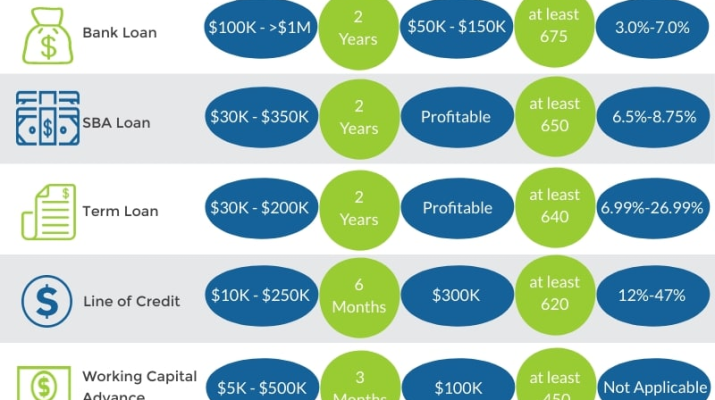
In the dynamic world of entrepreneurship, exploring various **business funding options** is essential for success. As traditional routes like bank loans become increasingly stringent, many entrepreneurs are discovering the benefits of alternative financing methods that offer flexibility and quick access to capital. From government grants for businesses that support innovation to equity financing backed by enthusiastic investors, there are numerous ways to fund your dream. Additionally, the rise of fintech innovations has revolutionized the funding landscape, presenting sustainable financing solutions tailored for modern businesses. This comprehensive guide will help you navigate these diverse funding avenues to find the perfect match for your business needs.
Navigating the maze of financing sources is crucial for anyone looking to launch or grow a venture. Entrepreneurs today are not just limited to conventional methods but have a wealth of options at their disposal, including crowd-sourced capital, grants provided by governmental bodies, and innovative investment strategies. With many seeking out alternative sources due to shifts in market conditions, understanding the evolving landscape of funding is more important than ever. Terms like non-traditional financing and eco-friendly investments are gaining traction as business owners align their goals with available financial resources. This exploration will unveil the tools and techniques available to secure the funds necessary for business growth.
Applying for a merchant account is a straightforward process, but it is important to gather the necessary information in advance to ensure a smooth application. First, research different payment processing companies to find one that best fits your business needs, such as fees, features, and support options. Once you have selected a provider, visit their website and complete the online application form. This usually involves providing basic information about your business, such as its legal structure, estimated monthly sales volume, and the type of products or services you offer. Be prepared to submit documentation that may include your business license, tax identification number, and bank statements to verify your financial status.
After submitting your application, the payment processor will review your information to assess your eligibility for a merchant account. This process can vary from a few hours to a couple of days, depending on the provider. It’s important to be ready for a potential follow-up interview or additional inquiries regarding your business practices. Once approved, you will receive your merchant account details and can begin configuring your payment processing setup. This may involve integrating the payment gateway with your website or point-of-sale system. For more information on choosing the right merchant account provider and applying, be sure to visit our resources page at [YourWebsite.com/merchant-accounts](http://yourwebsite.com/merchant-accounts). This page offers step-by-step guides and expert tips to help you succeed.
Exploring Alternative Financing Methods
As the business landscape changes, entrepreneurs have begun to embrace alternative financing methods as reliable options for securing capital. Unlike traditional bank loans, which often involve lengthy processes and stringent credit requirements, these alternative avenues provide immediate access to funds with greater flexibility. Platforms such as peer-to-peer lending, crowdfunding, and invoice financing have surfaced, allowing businesses to connect directly with investors and supporters. This democratization of financing means increased opportunities for startups, enabling them to pitch ideas and generate funds without the barriers posed by conventional financial institutions.
Moreover, alternative financing is not just about acquiring funds; it’s about engaging a community of investors who believe in the business’s vision. Crowdfunding, for instance, allows businesses to pitch their concepts directly to potential backers, fostering a sense of community involvement and investment. This method not only helps raise capital but also validates the business idea in the marketplace. Thus, alternative financing methods have transformed the way entrepreneurs seek funding, enabling them to diversify their capital sources while also promoting transparency and engagement.
Leveraging Government Grants for Businesses
Government grants have become a critical resource for businesses, especially in a post-pandemic economy looking to innovate and recover. Programs like the Economic Injury Disaster Loan (EIDL) and various state-level grants provide necessary funding without the burden of repayment deadlines, allowing entrepreneurs to channel their resources into growth rather than financial stress. These grants are often targeted toward specific sectors such as technology, healthcare, and sustainability, making them ideal for businesses focused on innovative solutions. Entrepreneurs must diligently research the available options to maximize their funding potential.
In addition, navigating the application process for these government grants can be daunting, often requiring a thorough understanding of the specific eligibility criteria and documentation. However, the potential rewards are significant. Securing a government grant can significantly impact a startup’s trajectory by providing vital funds that enable expansion or the development of new products. Grants not only support the financial aspect; they also offer validation and credibility that can attract further investments from private sources, reinforcing the importance of exploring every available avenue.
The Rise of Equity Financing
Equity financing has witnessed a surge in popularity among entrepreneurs seeking to fuel their business growth with external capital. This funding option, which involves selling a portion of the company in exchange for cash, is particularly favored in sectors like technology, where innovation is rapid, and capital demands are high. Angel investors and venture capitalists are keen to fund high-potential startups, providing not only the necessary funding but also mentorship and networking opportunities crucial for navigating the early stages of business development.
The current trend leans towards more streamlined investment methods, such as SAFE (Simple Agreement for Future Equity) notes, which simplify the equity raising process. By reducing legal complexities and costs associated with traditional investments, startups can focus on building their businesses rather than getting bogged down in administrative hurdles. However, entrepreneurs must carefully weigh the implications of equity financing, particularly in terms of ownership dilution and the expectations of investors who will seek a return on their investment.
Sustainable Financing Trends
Sustainable financing is gaining traction as businesses increasingly align their financial strategies with ecological and social responsibilities. The growing demand for environmentally conscious practices has led to innovative financing options such as green bonds, which raise capital specifically for projects with positive environmental impacts. Investors are also becoming more attuned to companies that incorporate ESG (Environmental, Social, and Governance) criteria into their operations, reflecting a broader shift towards sustainability in funding decisions.
Moreover, businesses focusing on sustainability can often access specialized funds and grants dedicated to promoting eco-friendly initiatives. By leveraging these financial resources, companies not only fulfill their funding needs but also position themselves as leaders in the sustainable market. This not only enhances brand reputation but also attracts a loyal customer base that values environmental responsibility, ultimately contributing to long-term business success.
Fintech Innovations Transforming Business Funding
The fintech revolution has significantly transformed access to business funding, introducing solutions that cater specifically to the needs of modern entrepreneurs. Companies like Clearco offer revenue-based financing, allowing businesses to secure funding based on their sales performance rather than their credit history. This model not only simplifies the borrowing process but also ensures that repayment is directly aligned with the company’s revenue, minimizing financial strain during growth phases.
Furthermore, fintech innovations are enabling quicker access to capital through the use of advanced data analytics and machine learning to assess creditworthiness. Digital wallets and integrated payment platforms reduce the barriers to entry for businesses seeking immediate funds, allowing them to harness their sales data effectively. With these technological advancements, entrepreneurs now have access to bespoke financing solutions that can be tailored to their specific circumstances, enhancing flexibility and promoting agile decision-making.
| Key Points | Description |
|---|---|
| 1. Alternative Financing Methods | Shift towards non-traditional routes like online lending, peer-to-peer platforms, and crowdfunding. |
| 2. Government Grants and Assistance | Increased support from the government for small businesses through grants like EIDL. |
| 3. Equity Financing | Rising interest in angel investing and venture capital, particularly in tech sectors. |
| 4. Sustainable Financing Trends | Growing emphasis on environmentally friendly practices and funding. |
| 5. Fintech Innovations | Introduction of new funding solutions like revenue-based financing and digital wallets. |
Summary
Business funding options have evolved dramatically in recent years, posing exciting opportunities for entrepreneurs. As traditional lending routes have become less reliable, alternative methods have surged in popularity, providing quicker access to capital without the stringent requirements of banks. Government grants are now more accessible, and equity financing has become a valuable avenue for innovative startups. Moreover, the increasing focus on sustainability in finance and the disruptive technologies in the fintech sector have broadened the funding landscape. To thrive in this new business funding environment, it’s essential for business owners to explore all available options and align them with their strategic goals.
In today’s competitive marketplace, understanding your **business funding options** is essential for achieving growth and sustainability. With traditional funding sources often falling short, many entrepreneurs are now considering alternative financing methods that offer quicker access to capital and greater flexibility. From innovative fintech solutions to government grants for businesses, the landscape of funding has expanded significantly. Investors are increasingly leaning towards equity financing and sustainable financing approaches, driven by a desire to support businesses that prioritize social and environmental responsibility. Therefore, navigating this evolving funding environment is crucial for entrepreneurs looking to secure the financial support they need to thrive.
As the modern entrepreneur navigates the complex world of financing, grasping the various **funding avenues for businesses** available today is paramount. The shift from conventional bank loans to more adaptable funding solutions has opened up a plethora of alternatives. Resources such as government-sponsored financial assistance, private equity contributions, and innovative funding techniques powered by fintech have emerged as prominent choices. The integration of sustainable investment principles and alternative lending platforms further highlights the dynamic nature of business financing. It’s vital for business owners to stay informed on these developments to effectively leverage the resources that best suit their financial needs.
Frequently Asked Questions
What are the most effective alternative financing methods for business funding?
Alternative financing methods for business funding have become increasingly popular, particularly for those who may find traditional bank loans difficult to secure. Options such as peer-to-peer lending, crowdfunding, and online lenders provide flexible solutions. Platforms like LendingClub and GoFundMe offer quick access to capital without the extensive application processes typical of traditional banks, making them viable alternatives for entrepreneurs. Additionally, these methods foster community engagement and can lead to better funding opportunities.
Alternative financing methods have emerged as creative solutions for businesses seeking capital without relying solely on traditional bank loans. These methods include peer-to-peer lending, crowdfunding, and invoice financing. Such approaches have made it easier for startups and small businesses to access funds, often without complex processes or stringent credit requirements. This evolution in finance opens doors for entrepreneurs, fostering innovation and enabling underserved markets.
Government grants for businesses serve as a vital resource for startups and SMEs looking for funds to grow and innovate. These grants often target specific sectors, such as technology, renewable energy, or community development, and provide financial support that does not need to be repaid. Navigating the world of grants requires understanding eligibility criteria and application processes, making it essential for business owners to conduct thorough research and seek assistance when needed. Successfully obtaining a grant can significantly enhance a company’s capabilities and vision.
Equity financing involves raising capital through the sale of shares in a business, allowing investors to own a part of the company in exchange for their investment. This method is especially appealing to startups and high-growth companies, as it often provides substantial capital without the burden of debt repayment. However, this approach can dilute ownership and control, making it crucial for founders to weigh the benefits of immediate funding against the implications of sharing equity with investors. Equity financing strategies have become increasingly sophisticated, with opportunities ranging from angel investors to venture capitalists.
Sustainable financing focuses on investments that prioritize environmental and social governance (ESG) criteria, driving capital toward projects that positively impact society and the planet. This trend has gained momentum in recent years, with more investors seeking ways to align their financial decisions with their values. Sustainable financing not only helps fund renewable energy projects but also supports businesses that implement ethical practices and sustainable supply chains. As consumer demand for responsible products rises, sustainable financing strategies are becoming essential for long-term business viability.
Fintech innovations are revolutionizing the financing landscape, providing businesses with new tools and platforms for managing funds, applying for loans, and even investing. Technologies such as blockchain, artificial intelligence, and big data analytics are transforming how businesses access capital and how lenders assess risk. Fintech solutions often offer faster approval times, enhanced transparency, and lower costs compared to traditional banking methods. By simplifying financial processes and increasing access to various funding sources, fintech innovations empower entrepreneurs to realize their visions with greater ease.
Finding the right funding option requires a clear understanding of your business goals, potential risks, and long-term strategy. Each funding type has its own set of advantages and drawbacks, making it critical for entrepreneurs to assess which aligns best with their specific needs. For example, while traditional bank loans typically offer lower interest rates, the stringent application process may deter some business owners, especially those with limited credit history. On the other hand, alternative financing methods can provide faster access to capital but may come with higher costs. Ultimately, leaning into your business’s unique circumstances and growth potential will guide you in making informed financing decisions.
Networking with other entrepreneurs and industries can also unveil hidden funding opportunities. Many resource-sharing platforms and local business incubators often have knowledge of less conventional funding sources, such as local business competitions or pitch events that offer financial backing to winners. Collaborating with local chambers of commerce can help access grants and incentives offered at the regional level. Moreover, engaging with mentors or advisors who have navigated the funding landscape successfully can provide invaluable insights and facilitate connections that could lead you to the right financial solution for your business.
As part of your funding strategy, consider the impact of your funding choice on your business’s operational flexibility. For instance, while equity financing can provide significant capital without immediate repayment burdens, it often requires giving up a portion of ownership and control. Therefore, weighing the implications of ceding equity against maintaining operational freedom is crucial. Conversely, debt financing comes with a commitment to regular repayments, impacting cash flow. Balancing these considerations will help create an efficient funding structure that supports your ambitions without compromising the integrity of your leadership or operational decision-making.
Evaluating how funding requirements evolve as your business scales is equally important. As startups grow, their funding needs often shift from initial startup capital to larger investments focused on expansion. This factor means that what worked as a funding solution in earlier stages may not suffice later on. Thus, entrepreneurs should not only seek immediate funding but also develop flexible, scalable funding strategies. Incorporating contingency plans for future financing can help absorb shocks or unforeseen challenges, ensuring that your business is well-prepared for various growth trajectories.
Finally, stay abreast of industry trends and ongoing economic changes that may impact business funding. Global events, technological advancements, and shifts in investor sentiment can all create new opportunities or challenges in the funding landscape. By remaining adaptable and informed, you can pivot your funding approach to seize prospects as they arise. Whether it’s taking advantage of a new government grant program or tapping into emerging fintech solutions, cultivating a proactive funding strategy will empower your business to thrive in an ever-evolving marketplace.
