
Startup funding is a critical component of transforming innovative ideas into successful businesses, as it provides the financial backbone required for launching and scaling operations. Entrepreneurs today have access to various types of startup funding, including equity financing options, grants for startups, and crowdfunding platforms, each offering unique benefits tailored to different business needs. Understanding these funding mechanisms is essential for securing the capital necessary to not only cover initial costs but also drive growth and market penetration. Moreover, business incubators and accelerators can provide additional support through mentorship and resources, helping startups navigate the complex landscape of funding. This article delves into the various avenues of startup funding, arming entrepreneurs with the knowledge to make informed financial decisions.
When embarking on the journey of establishing a new business, acquiring financial backing is one of the foremost challenges that entrepreneurs will face. Often referred to as business financing or capital acquisition, this process encompasses a range of avenues such as venture funding, seed financing, and investment grants, which can significantly influence a startup’s trajectory. With the rise of digital fundraising methods, many founders are also turning to participatory funding platforms that allow everyday people to contribute to their ventures. Additionally, startup incubators and business accelerators play pivotal roles by providing enriched environments for emerging enterprises to thrive. Understanding the nuances of available funding options is essential for any entrepreneur aiming to transform their vision into reality.
Applying for a merchant account is an essential step for any business looking to accept credit card and electronic payments. To begin the process, you should first research various providers, comparing fees, services offered, and customer support options. Typically, you’ll need to gather essential documents including your business license, tax identification number, and financial statements to prove your business’s legitimacy and financial health. Once you’ve selected a suitable provider, you will fill out an application form that usually includes information about your business type, expected transaction volumes, and the nature of your products or services. Some providers may also require a credit check, so be prepared to consent to that as part of the application.
After submitting your application, the approval process can vary in time depending on the provider. Generally, it may take anywhere from a few hours to several days. Once approved, you will receive instructions on setting up your payment processing system, which may include integrating with your e-commerce platform or point-of-sale system. It’s important to review the terms of service and understand the fee structures for transactions, chargebacks, and monthly maintenance. If at any point you have questions or need assistance, don’t hesitate to reach out to the customer service team of your chosen payment processor for guidance on how to effectively manage and optimize your merchant account.
Diverse Types of Startup Funding Options
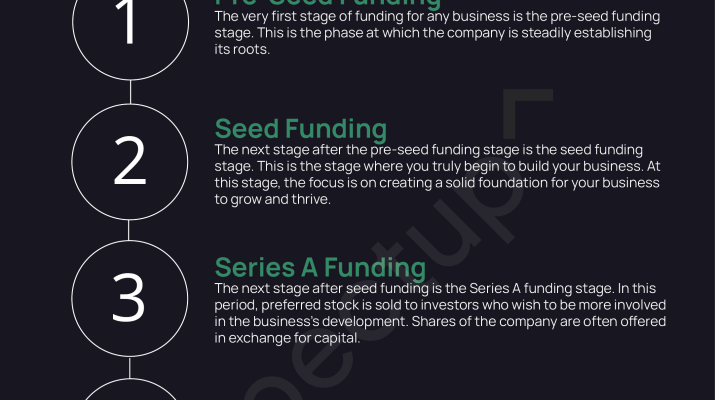
When embarking on the journey of establishing a startup, understanding the diverse types of funding options available is crucial. These types can be broadly categorized into several categories—equity financing, debt financing, grants, and innovative financing methods like crowdfunding. Each option comes with its own set of benefits and challenges, tailored to different aspects of business needs and growth stages. For instance, equity financing allows startups to bring in investors who not only provide capital but also impart valuable guidance and networks. On the other hand, debt financing can empower entrepreneurs to maintain control over their businesses while leveraging borrowed capital to fuel growth.
Moreover, grants offer a unique advantage as they provide non-repayable funds aimed at supporting specific initiatives, usually related to research or societal benefits. As startups explore these funding avenues, it’s important to identify which type aligns best with their business model and vision. Key to this decision-making process is the understanding of how different funding types can impact ownership, autonomy, and the speed at which a business can scale. Therefore, engaging in thorough research and, possibly, consulting with financial advisors can help entrepreneurs choose the right funding pathway.
Exploring Grants for Startups
Grants for startups represent a highly competitive yet invaluable source of funding, especially in sectors focused on innovation, social entrepreneurship, or community improvement. Numerous governmental and private organizations provide grants, making it essential for entrepreneurs to stay informed about available opportunities and application processes. Unlike traditional funding methods, grants do not require repayment or equity exchange, presenting an attractive proposition for early-stage businesses looking to preserve ownership and financial flexibility. For example, technology-focused startups often benefit from grants tailored to foster research and development, while non-profits might find funding aimed specifically at social impact initiatives.
Furthermore, applying for grants requires entrepreneurs to articulate their business plans compellingly and demonstrate how their projects align with the grantor’s goals. This process often involves a detailed proposal, budget breakdown, and sometimes, even a presentation. To enhance the chances of success, it helps to network within the community associated with such grants and seek mentorship from those who have successfully navigated the application processes. In essence, while grants can be a game changer for startups, they require a strategic approach and a commitment to meeting the criteria set forth by grant providers.
Equity Financing Options: A Gateway to Growth
Equity financing is rapidly becoming a favorite route for startups seeking substantial capital. By offering shares in their businesses, entrepreneurs can raise significant funds from angel investors, venture capitalists, or equity crowdfunding platforms. This approach not only provides direct financial support but also often comes with strategic partnerships and mentorship that can significantly accelerate growth. Startups that opt for equity financing must bear in mind the implications of sharing ownership, such as influencing decision-making and potentially diluting profits. However, when executed well, equity financing can lead to long-term advantages and valuable connections.
The appeal of equity financing extends beyond traditional investors, thanks to emerging technology that connects startups to a broader base of potential backers. For instance, equity crowdfunding platforms have democratized investment, allowing everyday individuals to invest in early-stage companies in exchange for equity stakes. As this trend grows, startups must develop compelling value propositions and demonstrate a clear path to profitability to attract funding from a diverse pool of investors. Strategies like conducting thorough market research and tailoring pitches to highlight innovative aspects of the business can prove pivotal in capturing investor interest in today’s competitive landscape.
The Crowdfunding Phenomenon
Crowdfunding has transformed the startup funding landscape, offering an avenue for entrepreneurs to access capital directly from the public. By presenting their ideas on platforms like Kickstarter or Indiegogo, startups can attract funding from individuals who resonate with their vision. This method serves as a marketing tool in addition to a fundraising strategy, allowing businesses to gauge consumer interest before they fully launch their products. Success in crowdfunding often hinges on how compellingly a startup can tell its story and engage with potential backers, showcasing not just the product, but also the problem it solves.
Additionally, recent trends in crowdfunding signify a notable shift towards more comprehensive funding strategies, including revenue-based financing (RBF). This approach allows startups to repay funds based on their revenue, easing the burden during low sales periods. As highlighted by industry publications, this flexibility can be a game changer for startups aiming for rapid growth while minimizing risk. With the landscape constantly evolving, entrepreneurs are encouraged to remain agile and consider how to leverage crowdfunding not just for initial financial support, but as a long-term strategy in their business growth toolkit.
The Role of Incubators and Accelerators
Incubators and accelerators serve as essential launchpads for startups, providing a supportive ecosystem to navigate the early stages of business development. These programs often offer seed funding, mentorship, and access to a vast network of industry contacts, thus enhancing a startup’s chances of success. Entrepreneurs benefit by being immersed in an environment that fosters innovation while receiving guidance from experienced professionals who have previously faced similar challenges. In doing so, startups can refine their business models and operational strategies more effectively than they possibly could in isolation.
Moreover, many accelerators culminate in pitch events where startups can present their ideas to potential investors, thereby facilitating additional funding opportunities. The structure of these programs also instills a sense of accountability and urgency, pushing entrepreneurs to meet milestones and achieve progress within a set timeframe. For those considering entering an incubator or accelerator program, understanding the specific resources and expertise each program offers is crucial. Ultimately, aligning these resources with a startup’s goals can create formidable growth opportunities and foster a strong foundation for future endeavors.
Recent Trends in Startup Funding
The startup funding landscape has been experiencing significant shifts as we wrap up 2023, reflecting changes in investor interests and the overall economic environment. One prominent trend is the diversification of funding sources, as traditional venture capital begins to lose some of its luster compared to more innovative financing methods. Startups are increasingly considering non-dilutive options, demonstrating a focus on sustainable practices rather than rapid growth alone. This pivot suggests that investors are now placing a premium on businesses that prioritize solid financial health and ethical practices, reassessing what makes a startup worth investing in.
Another important trend is the growing emphasis on sustainable and socially responsible businesses. Investors are showing a preference for startups addressing critical social issues or contributing to environmental sustainability. With a heightened awareness surrounding climate change and social equity, funders are more inclined to support startups that align with these values. This shift signifies a broader movement towards investing in companies with a meaningful mission that resonates with the growing segment of socially-conscious consumers. Startups that can clearly articulate their impact and mission are likely to find more receptive funding environments in the current landscape.
| Funding Option | Description | Benefits |
|---|---|---|
| Equity Financing | Capital raised by selling shares to investors. | Access to industry insights and professional networks. |
| Bootstrapping | Funding through personal savings and reinvested revenue. | Complete control and long-term sustainability. |
| Crowdfunding | Funds raised from the public via online platforms. | Direct engagement with customers and potential early buyers. |
| Grants and Competitions | Non-repayable funds from organizations for certain criteria. | No ownership dilution, ideal for innovation-focused startups. |
| Debt Financing | Borrowing from institutions with a repayment plan. | Maintain equity while accessing necessary funds. |
| Incubators and Accelerators | Programs offering funding, mentorship, and networking. | Structured support and increased growth trajectory. |
Summary
Startup funding plays a crucial role in determining the success and sustainability of new businesses. As entrepreneurs embark on their journey, understanding the diverse options available—from equity financing to innovative crowdfunding methods—empowers them to make informed decisions. With resources evolving to include grants and specialized programs like incubators, startups can strategically align their funding approaches with long-term objectives. Ultimately, navigating the extensive realm of startup funding requires careful consideration of both immediate needs and future goals, ensuring that each business can thrive in a competitive landscape.
Startup funding is a critical element for aspiring entrepreneurs, setting the stage for transforming innovative ideas into thriving businesses. In today’s dynamic financial landscape, understanding the various types of startup funding available is essential for achieving success. Entrepreneurs can explore numerous funding avenues, from equity financing options and crowdfunding platforms to grants for startups that do not require repayment. With the rise of business incubators and accelerators, startups now have access to mentorship and resources that can greatly enhance their growth potential. In this article, we will delve into the myriad of options available for securing funds and how these can effectively support your startup journey.
Securing financial support for new ventures is vital for entrepreneurs aiming to launch and scale their businesses. This concept, often referred to as startup financing or new business funding, encompasses a variety of methods that can empower budding companies. From traditional loans and investments to the innovative approach of crowd-sourced funding, there are multiple avenues to explore. Additionally, many startups benefit from financial grants, which provide non-repayable funds, and leverage the expertise of business incubators and accelerators to enhance their chances of success. As the funding landscape continues to evolve, understanding these diverse financing options is crucial for any entrepreneur seeking to navigate the complexities of launching a startup.
Frequently Asked Questions
What are the different types of startup funding available for entrepreneurs?
There are several types of startup funding available for entrepreneurs, including equity financing options, grants for startups, crowdfunding platforms, debt financing, and support from business incubators and accelerators. Each of these funding methods offers unique advantages and can be tailored to fit the specific needs of a startup.
Startups can access various types of funding, each suitable for different stages and requirements of a business. Some common types include self-funding, where entrepreneurs invest their personal savings; friends and family funding, which involves borrowing money from close acquaintances; angel investors who provide capital in exchange for equity; venture capitalists who fund early-stage companies in exchange for equity with the aim of high returns; and bank loans that require repayment with interest. Each funding type has its own pros and cons, influencing startup growth and direction.
Grants for startups are a vital source of funding that does not require repayment, making them an attractive option for entrepreneurs. These grants are often provided by government agencies, non-profit organizations, and private foundations, aimed at promoting innovation, job creation, and economic growth. For instance, the Small Business Administration (SBA) offers various grants to support small businesses in specific sectors or geographical areas. Applying for these can be competitive and may require detailed proposals outlining how the funding will be used to achieve specific objectives.
Equity financing options allow startups to raise funds by selling ownership shares of the company, making it a crucial aspect of the funding landscape. This can be achieved through several means, including issuing common or preferred stock, seeking venture capital investment, or facilitating crowdfunding rounds that offer equity. Investors are often attracted to equity financing because it provides them a stake in the company’s success. However, it also means that entrepreneurs must be willing to share company control and profits with investors.
Crowdfunding platforms offer a modern way for startups to raise capital by soliciting small amounts of money from a large number of people, typically via the internet. Platforms like Kickstarter and Indiegogo have democratized fundraising, enabling entrepreneurs to present their ideas to the public and attract backers who are interested in their products or services. Crowdfunding not only provides financial support but also helps gauge market interest and build a community around the startup. However, successful crowdfunding campaigns require effective marketing strategies and compelling storytelling.
Business incubators and accelerators are structured programs designed to support startups through mentorship, resources, and, in some cases, funding. Incubators typically focus on nurturing early-stage companies by providing workspace, networking opportunities, and expert guidance over an extended period. Accelerators, on the other hand, are usually time-limited programs that culminate in a pitch event where startups present to potential investors. Both paths can significantly enhance a startup’s chances of success by offering critical support and access to a broader network.
Navigating the funding landscape is an essential part of starting a business. New entrepreneurs often find themselves wondering which options are best suited for their unique ideas and long-term goals. There are numerous avenues for financing, each carrying its own set of advantages and disadvantages. Entrepreneurs can consider equity financing, bootstrapping, crowdfunding, grants, debt financing, and support from incubators and accelerators. Each of these options plays a crucial role in providing the necessary resources to turn visionary concepts into operational enterprises. As the market evolves, startups must stay informed about the latest trends to make strategic decisions regarding their funding.
Equity financing has gained prominence as startups seek financial backing from angel investors and venture capitalists. This method not only infuses capital into the business but also brings in valuable mentorship and networks that can guide startups towards achieving their milestones. However, it also means giving away a portion of ownership, which necessitates careful consideration by entrepreneurs. On the other hand, bootstrapping offers full control and the potential for sustainable growth without external interference, albeit with financial limitations that can slow down expansion.
Crowdfunding has emerged as a game-changing option for many startups, allowing them to tap into the enthusiasm of the public. Platforms like Kickstarter and Indiegogo facilitate early engagement from prospective customers, giving businesses both the capital they need and market validation. This approach is particularly appealing in the current climate where investors are increasingly cautious about diluting ownership with traditional funding sources. Startups can also look into grants and competitions, which provide non-repayable funding tailored for innovators and businesses focused on social impact initiatives, further emphasizing the diverse funding landscape available today.
As startups explore their options, recent trends indicate a shift in investor priorities towards sustainability and profitability, incorporating social responsibility into their funding criteria. Access to capital may increasingly favor those businesses that align with these values, a departure from the previous emphasis on rapid growth at all costs. The insights provided by established industry players and mentors in incubators and accelerators can help new companies refine their missions to meet these evolving standards.
Ultimately, the choice of startup funding should align with an entrepreneur’s vision for their business. Whether seeking equity financing to leverage investor networks, bootstrapping for full control, or engaging in crowdfunding for community support, understanding the implications of each option can empower new business owners to forge their paths confidently. In this ever-changing financial landscape, startups now have an array of tools at their disposal to grow sustainably and responsibly.
