
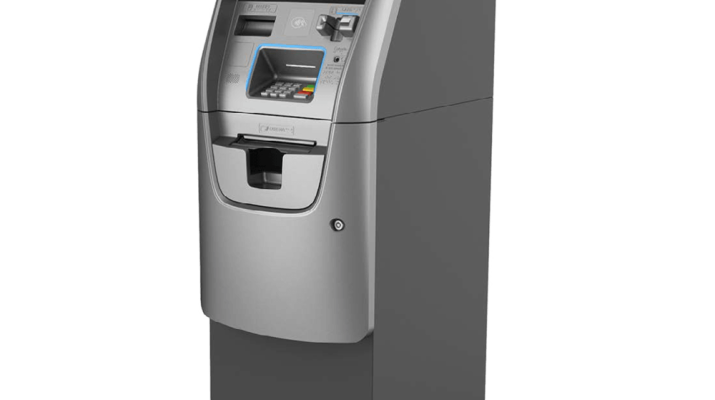
ATM machines with tap technology are revolutionizing the way we perform cash withdrawals, blending convenience with safety in our increasingly digital world. These advanced ATMs allow users to simply tap their contactless cards or mobile wallets, significantly expediting transactions while reducing physical contact—a critical factor in today’s health-conscious environment. As consumers seek quicker and more hygienic banking solutions, the rise of contactless ATMs reflects a broader shift towards modern payment methods. With the power of tap technology rooted in Near Field Communication (NFC), accessing cash has never been easier or more efficient. Join us as we explore the exciting developments in contactless cash withdrawals and their potential impact on the future of banking.
The emergence of ATMs equipped with tap technology signifies a groundbreaking advancement in the banking sector. Often referred to as contactless ATMs, these machines facilitate the withdrawal of cash without the need for physical card insertion, relying instead on the capabilities of mobile wallets and tap technology. With enhanced security and the promise of speedier transactions, this innovative approach to cash access is reshaping consumer behavior and banking services alike. As more financial institutions recognize the importance of contactless payments, we can expect a significant shift in the adoption rate of these machines. Ultimately, the gradual integration of such technology points towards a future where traditional banking methods are seamlessly transformed.
Applying for a merchant account is an essential step for businesses looking to accept credit and debit card payments. The first step is to research and select a reputable payment processor that aligns with your business needs. Many services specialize in different industries, so consider factors such as fees, customer support, transaction limits, and contract terms. Once you’ve chosen a provider, you’ll typically fill out an online application form with details about your business, including your business name, address, type of products or services offered, and your estimated transaction volume. Be prepared to provide additional documentation such as your business licenses, tax identification number, and possibly a personal credit check.
After submitting your application, the payment processor will review your information and assess the risk associated with your business. Depending on the provider, this can take anywhere from a few hours to a few days. If approved, you’ll receive instructions on how to set up your account, including how to integrate the payment gateway with your website or point-of-sale system. It’s crucial to read over the terms and conditions carefully and ask questions if you’re uncertain about any details. Once set up, you can start processing payments securely and efficiently. For more detailed guidance and assistance in selecting a payment processor, visit websites like NerdWallet or Merchant Maverick, where you can find resourceful comparisons and recommendations.
The Growth of Contactless ATM Adoption
Over the past few years, there has been a significant surge in the adoption of contactless ATMs, particularly in urban centers where fast-paced lifestyles demand quick banking solutions. With the introduction of tap technology, consumers are now able to withdraw cash with just a tap of their contactless cards or mobile wallets, bypassing the traditional card-insertion process. This not only enhances user convenience but also aligns with the trend of minimizing physical contact in the aftermath of health crises such as the COVID-19 pandemic. Financial institutions are increasingly aware that to attract tech-savvy customers, implementing these innovative systems is essential.
Banks are experimenting with this technology to gauge consumer alignment and responsiveness. The enhanced transaction speed afforded by tap-enabled machines has made them particularly attractive during peak usage times, where traditional ATMs might see long lines. As these machines become commonplace, it’s expected that the reliance on contactless payments will further solidify, leading to an even greater push towards the integration of tap technology in ATMs globally.
Secure Cash Withdrawals with Tap Technology
Security concerns have long been associated with any form of cash and digital transaction, especially as mobile wallets and contactless payment systems proliferate. However, the introduction of ATM machines with tap technology could help alleviate many of these anxieties. These machines utilize advanced encryption and tokenization methods, which generate a unique code for each transaction, further ensuring that users’ banking information remains secure. As the technology continues to evolve, consumers are likely to gain more confidence in its safety features.
Furthermore, many banks are implementing additional layers of security protocols, such as biometric authentication and geolocation tracking, to enhance user protection against fraud. By promoting these safety measures, banks can mitigate consumer skepticism and foster a sense of trust in contactless cash withdrawal methodologies. As usage of tap technology expands, thorough educational campaigns about these enhanced security protocols will be pivotal in encouraging broader adoption across various demographics.
In addition to these proactive measures, it’s essential for financial institutions to communicate transparently with their customers about potential risks associated with contactless systems, ensuring that they fully understand the steps being taken to keep their data secure.
The Future of Banking: Contactless Payments
As we look toward the future of banking, the shift to contactless payments and ATMs equipped with tap technology seems inevitable. Analysts predict that as technological advancements continue, consumers will demand faster, safer, and more convenient banking options. The anticipated fusion of physical cash withdrawals with digital wallet functionalities will likely become the norm. Banks are expected to invest heavily in infrastructure improvements to accommodate this progressive shift, ensuring they remain competitive in a rapidly evolving financial landscape.
Transitioning to contactless technology not only caters to the immediate needs of consumers but also aligns with the broader societal trend towards digitalization. The acceptance of mobile payments and contactless ATMs represents a critical juncture in consumer behavior and banking services, suggesting that financial institutions will increasingly offer solutions that merge these capabilities for a seamless experience. Embracing this technology will not only enhance user satisfaction but also aid banks in accessing and analyzing customer data more effectively, leading to better service and product offerings.
Consumer Perceptions of Contactless Banking
Despite the many benefits of ATM machines with tap technology, consumer perceptions hinge on their experiences and understanding of this new banking method. Early adopters have highlighted the convenience of cash withdrawals, particularly during busy hours where traditional methods may slow down transactions. However, the success of this technology largely depends on how well consumers perceive its security and reliability. Misinformation or hesitation about contactless payments could become a roadblock to widespread acceptance.
Educational initiatives aimed at informing customers about the processes and safety features of contactless technology are vital. By addressing common concerns and providing clear, straightforward information about how tap technology works, banks can foster confidence within their consumer base, ultimately enabling a smoother transition to these new systems. As the landscape of consumer expectations continues to shift, keeping engagement and trust at the forefront will be crucial for successful implementation.
| Key Points | Details |
|---|---|
| Introduction of Tap Technology in ATMs | Significant leap in banking innovation allowing cash withdrawals without card insertion. |
| Enhanced Convenience | Reduces waiting times at ATMs and improves the overall banking experience. |
| Safety and Hygiene | Minimizes physical contact and enhances the perception of security during transactions. |
| Current Rollouts | JPMorgan Chase and Bank of America leading in urban areas to attract tech-savvy consumers. |
| User Experience and Adoption Rates | Early adopters report positive experiences, but security concerns may hinder broader acceptance. |
| Future Trends | The trend towards contactless ATMs is expected to grow as consumer confidence increases. |
Summary
ATM machines with tap technology represent a groundbreaking advancement in the way we conduct cash withdrawals. By leveraging contactless features, these machines offer unparalleled convenience and safety, particularly in today’s health-conscious environment. As banks increasingly implement this innovative technology, we can expect a significant transformation in everyday banking practices. The rapid adoption rates combined with positive user experiences support the notion that ATM machines with tap will soon become a staple in the financial landscape.
ATM machines with tap technology are revolutionizing the way we access cash, making transactions faster and more hygienic than ever before. By utilizing contactless features, these modern ATMs enable users to withdraw cash simply by tapping their contactless cards or mobile wallets, streamlining the entire process. This innovation not only caters to the demand for quick service but also addresses growing health concerns by minimizing physical contact during transactions. As the popularity of contactless payments surges, financial institutions are increasingly adopting ATM machines with tap capabilities, aligning with consumer preferences for convenience and safety. The future of banking looks promising as this trend continues to reshape the landscape of cash withdrawals and electronic banking.
The emergence of ATMs equipped with tap technology represents a significant advancement in automated banking solutions. These cash dispensing machines, offering contactless withdrawals, streamline the user experience by eliminating the need for card insertion. The rapid adoption of mobile wallets and the rise of contactless payment methods have paved the way for a new era in financial transactions. As consumers increasingly seek safer and more efficient ways to manage their money, this innovative technology aligns perfectly with contemporary banking demands. The shift towards such advanced cash access systems showcases not only technological evolution but also a broader transition in consumer behavior towards contactless financial solutions.
Frequently Asked Questions
What are ATM machines with tap technology and how do they work?
ATM machines with tap technology enable users to perform cash withdrawals by simply tapping their contactless cards or mobile wallets on the ATM. This functionality relies on Near Field Communication (NFC) technology, making transactions faster and reducing the need for physical contact during banking.
What benefits do contactless ATMs offer compared to traditional ATMs?
Contactless ATMs provide enhanced convenience as they allow for quicker cash withdrawals without card insertion. Additionally, they promote safety and hygiene by minimizing physical contact, which is especially important during health crises. These features improve the overall banking experience significantly.
Are ATM machines with tap technology secure for transactions?
While security concerns regarding mobile payment systems exist, ATM machines with tap technology are equipped with advanced encryption and security measures. Users have reported positive experiences with contactless withdrawals, although it is crucial to remain vigilant about personal security practices.
Which banks are currently implementing ATM machines with tap technology?
Major financial institutions such as JPMorgan Chase and Bank of America are at the forefront of introducing ATM machines with tap technology, primarily in urban areas. As consumer demand for contactless payments rises, more banks are expected to adopt this innovative technology, enhancing their service offerings.
Contactless ATMs are revolutionizing the way we access cash. By utilizing tap technology, users can simply tap their contactless debit or credit cards or mobile wallets on designated terminals to initiate cash withdrawals without the need for physical contact with the ATM itself. This innovation not only enhances convenience but also adds an extra layer of security as users do not need to handle the keypad or touch screens, reducing the risk of transmitting germs.
Tap technology has gained immense popularity in recent years, particularly in the banking and payment sectors. With the rise of mobile wallets, such as Apple Pay and Google Pay, customers can make payments or withdraw cash effortlessly by merely tapping their devices against compatible terminals. This seamless exchange is changing consumer behavior, making cash withdrawals as quick and easy as a simple wave of the hand.
Cash withdrawals have traditionally involved several steps, including inserting a card, entering a PIN, and selecting the withdrawal amount. However, with the advent of contactless ATMs, this process has been streamlined significantly. Users can now access their funds almost instantly, making it an appealing option for those in a hurry or looking to minimize time spent at an ATM.
Mobile wallets are at the forefront of this contactless revolution. They allow users to store multiple card details and payment methods in one place, facilitating quick and efficient transactions. By integrating their bank accounts or cards into these digital wallets, customers can enjoy the convenience of cash withdrawals and contactless payments seamlessly, ensuring they are always ready to make purchases or access funds, even when they are on the go.
Contactless payments are reshaping the financial landscape, promoting faster transaction times and reducing the need for physical cash. As more businesses adopt contactless technology, customers are increasingly choosing this method for everyday purchases. The integration of cash withdrawals into this contactless ecosystem means that users can expect a streamlined experience from their financial interactions, further driving the adoption of digital banking solutions in our daily lives.
The rise of ATM machines utilizing tap technology stands as a testament to the banking industry’s adaptation to contemporary consumer needs. As technology evolves, financial institutions are increasingly integrating features that align with the digitalization of services. This shift not only meets the demands of tech-savvy customers but also provides a seamless banking experience that transcends traditional cash withdrawal methods. With the adoption of NFC technology, these ATMs enable users to access their funds swiftly and effortlessly, redefining what it means to perform banking tasks in a modern context.
The benefits of tapping into this contactless cash withdrawal system extend beyond just user convenience; they also address significant health and safety concerns that have arisen in recent years. The ability to withdraw cash without touching potentially contaminated surfaces plays a critical role in ensuring customer safety, thus enhancing trust in banking systems amid ongoing public health discussions. This marriage between technology and hygiene illustrates a broader trend where consumer health and safety are prioritized in financial services.
The recent rollout of contactless ATMs by prominent banks highlights a strategic shift in the financial sector. By focusing on urban centers where young professionals are likely to frequent, banks are not only catering to a demographic that appreciates efficiency but also capitalizing on their inclination towards digital solutions. This targeted approach allows banks to better assess user feedback and adoption rates, informing broader implementation strategies as they move toward a future dominated by convenience and speed.
User experiences with contactless ATMs have generally been positive, but lingering concerns about security represent a potential barrier to widespread acceptance. As consumers navigate the balance between convenience and protecting their financial data, banks are tasked with addressing these security issues head-on. By investing in robust security measures and educating users on safe practices, financial institutions can bolster confidence in contactless transactions, paving the way for broader adoption of this technology.
Looking to the future, industry analysts predict that the trajectory of contactless ATM adoption will continue on an upward slope. As consumer comfort with digital transactions grows, the expectation is for a significant migration of ATMs to include tap technology. This transition not only enhances operational efficiency but also aligns with shifting consumer preferences towards a more digitized financial landscape, ultimately fostering an environment where contactless transactions become the norm rather than the exception.
