
Navigating the world of business funding options for entrepreneurs with bad credit can be daunting, yet there are numerous viable pathways for securing the necessary capital. Traditional lenders often overlook talented individuals due to credit history, leaving them in search of alternative solutions. Fortunately, innovative funding avenues such as microloans, crowdfunding, and revenue-based financing exist to empower these entrepreneurs. By utilizing resources from dedicated alternative lenders and exploring grants available for startups, business owners can overcome financial barriers. This article will delve into various funding strategies to help those with poor credit turn their business dreams into reality.
For entrepreneurs facing the challenge of financial instability, finding suitable funding avenues can seem impossible. Individuals with less-than-perfect credit may discover that traditional bank loans or credit-based financing options are often inaccessible. However, the landscape is evolving, presenting diverse alternatives that prioritize creativity and potential over past financial mistakes. Options like peer-to-peer funding, business competitions, and investment platforms allow aspiring business owners to seize opportunities that align with their vision. In this exploration, we will uncover forward-thinking financial strategies that can ignite growth and success for startups, irrespective of credit history.
Applying for a merchant account involves several steps that can vary depending on the payment processor you choose. First, you’ll need to research different providers to find one that suits your business needs in terms of fees, payment methods, and customer support. Once you’ve selected a processor, you’ll typically fill out an application form, which may require your business information such as legal business name, physical address, contact details, and tax identification number. Additionally, you’ll need to provide your financials, including bank statements and projected sales volumes, to help the processor assess your risk level.
After submitting your application, the payment processor will review your information, which may take anywhere from a few hours to a couple of days. During this time, they may reach out for additional documentation or clarification on your business model, especially if your business falls into a higher risk category. Once approved, you’ll receive a merchant account, along with instructions on setting up payment processing on your website or point of sale system. For further details on the application process, including specific documentation requirements, consider visiting reputable payment processor websites like Square or PayPal, which offer comprehensive guidelines and customer support.
Exploring Business Funding Options for Entrepreneurs with Bad Credit
Securing funding can be a daunting task for entrepreneurs, especially for those grappling with bad credit. Traditional lending institutions often impose strict criteria based heavily on credit scores, which can exclude many capable entrepreneurs from obtaining the necessary capital for their ventures. However, there are numerous alternatives that these individuals can explore to finance their businesses effectively. Not only do these options serve as lifelines, but they also encourage innovation and resourcefulness in the entrepreneurial landscape.
For example, alternative lending options such as microloans and peer-to-peer lending platforms provide funding that is often more accessible. Microloans offer smaller amounts, which can help startups manage their initial expenses, while peer-to-peer lending connects borrowers directly with investors who may be more willing to overlook a poor credit history. By leveraging these creative avenues, entrepreneurs can secure funding and prove their business potential while overcoming the barriers that bad credit often creates.
Microloans: A Viable Option for Startups with Bad Credit
Microloans have become a fundamental resource for entrepreneurs struggling with bad credit. Typically offering loans under $50,000, microloans are tailored to meet the needs of startups with limited financial history. The U.S. Small Business Administration’s Microloan Program is an excellent example of how microloans can provide necessary funding with less stringent eligibility criteria. Furthermore, local Community Development Financial Institutions (CDFIs) often prioritize business plans and potential growth rather than credit scores, making them especially appealing for aspiring business owners.
Additionally, microloans empower underserved communities by focusing on individuals who may fall through the cracks of traditional banking systems. With smaller loan amounts, entrepreneurs can manage more manageable repayment terms, fostering a stronger chance of sustainable business growth. By tapping into this innovative funding solution, entrepreneurs with bad credit can turn their dreams into realities without being hindered by their financial past.
Crowdfunding: Mobilizing the Community for Business Growth
Crowdfunding has emerged as a revolutionary avenue for entrepreneurs, particularly those facing challenges from bad credit. Through platforms like Kickstarter and Indiegogo, individuals can gather small contributions from a large audience to fund their ventures, effectively bypassing traditional credit checks. This method not only democratizes access to capital but also allows entrepreneurs to create a community of early supporters who believe in their vision, making it a powerful tool for those previously deemed unworthy by conventional lenders.
In addition to equity and reward-based crowdfunding, entrepreneurs can explore equity crowdfunding platforms such as SeedInvest and Wefunder. These allow individuals to sell shares of their startup to interested investors, thereby generating the funds necessary to launch their projects. This innovative approach gives life to creative ideas that might otherwise struggle to find backing due to past financial issues, showcasing how crowdfunding can serve as a catalyst for entrepreneurial success.
Revenue-Based Financing: The Business-Friendly Loan Alternative
When traditional loans are out of reach, revenue-based financing presents a unique solution for entrepreneurs with poor credit ratings. This model allows businesses to receive upfront capital in exchange for a percentage of future revenue, aligning the repayment process with the business’s performance rather than fixed monthly payments. This shift ensures that entrepreneurs can repay their loans in a manageable way that reflects their revenue flow, thus providing financial flexibility that traditional loans often lack.
Moreover, this funding method often looks closely at business metrics instead of credit scores, giving businesses with strong revenue potential a viable path to secure financing. Companies like Clearco are leading the charge in this innovative financing space, allowing entrepreneurs to focus on growth rather than the restrictions imposed by poor credit histories. As revenue-based financing continues to gain traction, it opens doors for many deserving entrepreneurs to thrive.
Innovative Business Grants: Funding Without Credit Checks
Many aspiring entrepreneurs are often unaware of the wide range of grants available to them, especially those that do not consider credit history. Business grants, funded by both governmental and non-profit organizations, can provide essential capital to start or expand a business without requiring repayment. This is an invaluable option for those with bad credit, as it allows them to receive funds based entirely on the merit of their business idea rather than their financial background.
Federal initiatives and state grants specifically target minority-owned businesses and startups in certain industries, making the opportunity even more accessible for diverse entrepreneurs. Programs published on platforms like Grants.gov can serve as a roadmap for individuals seeking these funding opportunities. By leveraging these grants, entrepreneurs with poor credit can foster their business objectives without the financial burden typically associated with loans.
Peer-to-Peer Lending: A Personalized Financing Solution
Peer-to-peer lending platforms have gained popularity for their unique approach to financing that allows individuals to borrow from private investors rather than traditional banks. This model creates a more personalized lending experience that often considers more than just credit scores. For entrepreneurs with bad credit, this means there’s a chance to receive the funding they need to grow their business without the weight of financial history hanging over their heads.
By utilizing platforms such as LendingClub, borrowers can directly connect with individuals willing to fund their ideas, effectively creating a supportive ecosystem for entrepreneurs. Investors on such platforms are often motivated by the potential returns on their investments while being open to taking on calculated risks for innovative projects. This collaboration between borrowers and investors reflects a shift towards community-driven support for entrepreneurship.
Credit Union Loans: A Flexible Financial Resource
Credit unions often serve as a more approachable alternative to banks for individuals with bad credit. Unlike traditional lenders, credit unions are member-focused and frequently offer more lenient lending criteria, which can be beneficial for entrepreneurs struggling to secure financing from conventional sources. This approach not only promotes financial inclusion but also fosters a sense of community among members.
In addition to providing more flexible loan terms, credit unions typically offer lower interest rates, making repayment more manageable for borrowers. This enables entrepreneurs to access the funding they need while minimizing financial strain. By turning to credit unions, those with bad credit can find a pathway to secure loans that support their business ventures without excessive barriers.
Finding the Right Funding Pathway: A Personalized Approach
Navigating the landscape of business funding options requires a tailored approach that considers each entrepreneur’s unique situation. Understanding the diverse funding solutions available, from microloans to crowdfunding and grants, is crucial for individuals with bad credit. Each option offers its distinct advantages and can cater to a variety of business needs and goals. For entrepreneurs, identifying the right funding source can mean the difference between stagnation and success.
Additionally, entrepreneurs should actively seek knowledge and resources on financial literacy to better position themselves for future opportunities. By developing a solid business plan, engaging with mentors, and exploring innovative funding options, business owners can create sustainable pathways to finance their ventures. Embracing this proactive stance not only empowers them to overcome their credit challenges but also equips them with the knowledge to navigate their entrepreneurial journeys successfully.
| Funding Options | Description |
|---|---|
| Microloans | Small loans typically under $50,000, ideal for startups, offered through programs like the SBA Microloan Program. |
| Community Development Financial Institutions (CDFIs) | Lending institutions that focus on underserved areas and look at overall business potential rather than just credit scores. |
| Alternative Lenders | Financial institutions that offer flexible lending options to individuals with poor credit histories. |
| Peer-to-Peer Lending | Platforms that connect borrowers with individual investors, often with relaxed credit requirements. |
| Crowdfunding | Raising funds from the public, including equity and reward-based models, which do not heavily factor in credit scores. |
| Grants and Competitions | Funding opportunities that do not consider credit history and often provide mentoring along with financial support. |
| Revenue-Based Financing | Capital is exchanged for a percentage of future revenue rather than relying on credit scores for funding. |
| Co-Signer Loans | Loans that require a co-signer with good credit, providing lenders with additional security. |
| Credit Union Loans | Loans offered by credit unions, which generally have more lenient criteria compared to traditional banks. |
Summary
Business funding options for entrepreneurs with bad credit can be a daunting landscape to navigate, but there are several innovative solutions available. These funding alternatives—from microloans to crowdfunding and grants—allow aspiring business owners to secure the necessary capital without being hindered by previous financial setbacks. By embracing these creative avenues, entrepreneurs can not only find funding but also foster resilience and adaptability in their business ventures. With the right strategies in hand, even those with poor credit histories can unlock the door to entrepreneurial success.
For entrepreneurs grappling with the challenges of bad credit, finding viable business funding options can feel like an uphill battle. Traditional financial institutions often close their doors to individuals with less-than-stellar credit scores, leaving many innovative ideas without the necessary support to thrive. However, a range of creative funding alternatives has emerged, providing opportunities for those determined to overcome financial hurdles. This article delves deep into various business funding options for entrepreneurs with bad credit, examining resources like microloans, crowdfunding, and the role of alternative lenders. With an understanding of these options, aspiring business owners can unlock the potential to turn their visions into reality, regardless of past financial setbacks.
Navigating the financial landscape as a budding entrepreneur can be particularly daunting when faced with poor credit histories. For those looking to raise capital for their ventures, exploring funding routes beyond traditional means is crucial. Entrepreneurs can tap into resources such as peer-to-peer lending, business grants, and even revenue-based financing to secure the necessary funds. By investigating these innovative financing avenues, individuals can find tailored solutions that prioritize potential and promise over past difficulties. In this guide, we will discuss alternate avenues for business financing that empower individuals with financial challenges to take charge of their entrepreneurial dreams.
Frequently Asked Questions
What business funding options are available for entrepreneurs with bad credit?
Entrepreneurs with bad credit have several funding options available, including microloans, alternative lenders, crowdfunding, revenue-based financing, and grants. Microloans, often provided by Community Development Financial Institutions (CDFIs), focus on business potential rather than credit scores. Alternative lenders and peer-to-peer lending platforms like Kiva and LendingClub offer flexible borrowing solutions. Crowdfunding platforms such as Kickstarter and SeedInvest allow entrepreneurs to raise funds without credit checks. Revenue-based financing focuses on future revenue rather than credit history, providing an innovative way for businesses to secure funds based on their earning potential. Additionally, various grants are available that do not consider credit scores, helping entrepreneurs bypass traditional financial barriers.
Microloans are small, short-term loans typically offered to individuals or small businesses that may not qualify for traditional financing due to a lack of credit history or collateral. They are often provided by non-profit organizations or community lenders, aimed at supporting entrepreneurs who need a modest amount of capital to kickstart or expand their business operations. The repayment terms are generally flexible, making them an attractive option for those looking to grow their ventures while maintaining financial stability.
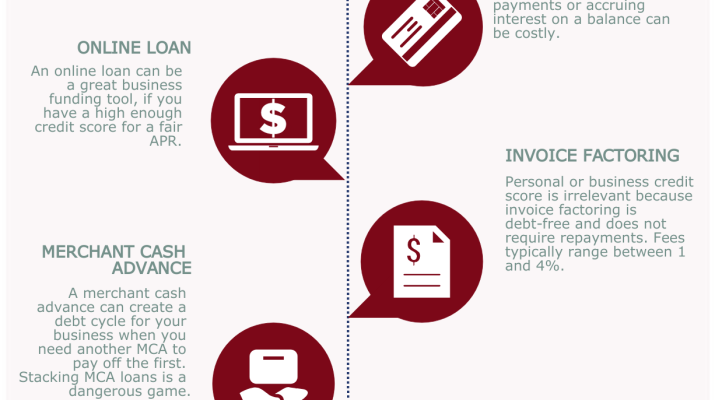
Alternative lenders are financial institutions or organizations that provide loans to businesses and individuals outside of traditional banking systems. These can include online lenders, peer-to-peer lending platforms, and private equity firms. They often employ different criteria for assessments compared to banks, leveraging technology and automated processes to streamline applications and funding. This enables quicker access to funds for borrowers, though it can sometimes come with higher interest rates and fees.
Crowdfunding is a modern financing method that leverages small contributions from a large number of people, typically through dedicated online platforms. This approach can be particularly beneficial for startups and creative projects, as it not only raises capital but also builds a community of supporters who are invested in the success of the venture. There are various types of crowdfunding, including rewards-based and equity-based options, each allowing entrepreneurs to choose how they wish to engage their backers and structure their funding.
Revenue-based financing (RBF) is a unique funding model where investors provide capital to businesses in exchange for a percentage of the company’s ongoing gross revenues. Unlike traditional loans, RBF does not require fixed repayments; instead, businesses pay a flexible amount based on their revenue performance. This means that during slower months, companies may pay less, easing cash flow pressures while still honoring their obligation. It’s particularly appealing for growing companies that anticipate fluctuating revenues.
Business grants are funds awarded to businesses that do not need to be repaid, typically provided by governments, foundations, or corporations to promote economic development, innovation, or social impact. Grants can be highly competitive and often have specific eligibility requirements and application processes. While they can be a fantastic resource for entrepreneurs looking to finance projects without the burden of debt, securing these funds often requires a well-thought-out proposal detailing how the money will be used to achieve specific goals.
Entrepreneurs often face an uphill battle when it comes to securing funding, especially if they have a poor credit history. Bad credit can dramatically limit access to traditional loans, which tend to focus heavily on credit scores and financial history. This situation can be frustrating for many capable entrepreneurs who might have solid business ideas but lack financial backing due to their credit status. Fortunately, as the entrepreneurial landscape evolves, so too do the funding solutions available to those who may not qualify for conventional loans. By understanding these options, entrepreneurs can navigate the funding landscape more effectively and pursue their dreams without being stymied by past credit difficulties.
Among the various funding solutions available today, microloans represent a particularly viable option for entrepreneurs with poor credit. As these loans are smaller in amount, typically under $50,000, they cater specifically to startups or smaller businesses that might struggle to meet the rigorous requirements of larger financial institutions. Programs such as the SBA Microloan Program have been developed to provide financial support to small business owners, offering reduced scrutiny on creditworthiness in favor of evaluating the business plan and potential. Moreover, Community Development Financial Institutions (CDFIs) also play a crucial role in helping underserved entrepreneurs access capital, emphasizing community impact rather than solely relying on credit scores.
Another innovative avenue for entrepreneurs facing credit challenges is peer-to-peer lending and alternative lending platforms. These online platforms, such as Kiva and LendingClub, have disrupted traditional lending by facilitating direct connections between borrowers and individual investors. This model tends to be more forgiving of poor credit histories, as investors often focus on the business’s potential and the entrepreneur’s vision rather than their credit score. Through these channels, entrepreneurs can find support from individuals who believe in their ideas, providing not just funding but also a network of potential backers who are invested in their success.
Crowdfunding has emerged as a game-changer for many entrepreneurs, particularly those with bad credit. Platforms such as Kickstarter and Indiegogo offer two types of crowdfunding: **equity** and **reward-based**. Equity crowdfunding allows startups to raise funds in exchange for ownership stakes, bypassing the conventional credit checks typically required by banks. On the other hand, reward-based crowdfunding allows entrepreneurs to presell products or services to interested consumers in exchange for financial support, removing credit history as a barrier to entry. This method not only provides much-needed capital but also validates the business idea through early customer engagement.
Revenue-based financing represents a novel funding option that allows entrepreneurs to secure funding without the burden of a poor credit history. In this arrangement, companies receive capital based on a proportional share of their future sales revenue. As a result, repayment is tied directly to the business’s performance, allowing entrepreneurs to pay back their debts in a manner that scales with their growth. This type of financing is gaining traction among startups because it prioritizes current performance and potential over past financial missteps. Companies like Clearco focus specifically on evaluating metrics like sales and future revenue potential, making it an appealing alternative for those with a less than stellar credit history.
For entrepreneurs looking for more traditional financing avenues, co-signer loans and credit union loans provide viable alternatives for those battling bad credit. A co-signer loan allows an individual with a healthier credit profile to guarantee the loan, thereby improving the likelihood of approval. This collaborative approach not only eases the financial stress on the entrepreneur but also fosters a supportive network. Meanwhile, credit unions often offer more favorable terms than traditional banks and may exhibit a more personalized approach to lending, making them a valuable resource for entrepreneurs seeking capital despite their credit challenges.
